
Florence field review · FLORENCE PASTA, PIZZA & GELATO CLASSES
Pasta class
Fresh pasta in Florence feels like time travel.
This morning pasta class turns Tuscan ingredients into hands-on skill, with three pasta types you make yourself, then wine pairings that match each course. You start in central Florence near Dante, then head to a local home kitchen set inside an old tower house that’s been converted into a working modern space. The focus is old-world technique over modern shortcuts, so you leave with real confidence in how Italian dough should feel and behave.
I especially like the pacing, you cook in an actual group setting, learn step-by-step, and still get time to enjoy what you made. I also like the meal finish, the class doesn’t end when the dough stops, you sit down for lunch with traditional bruschetta, more homemade pasta, and two glasses of wine per person. The one thing to consider is that the experience runs about 4 hours and starts at 9:30 am, so it’s a morning commitment, and you will do some short transitions on foot between stops.
Key points to know before you go
- Small group (up to 8 travelers), which makes it easier to get questions answered while you’re rolling and shaping dough
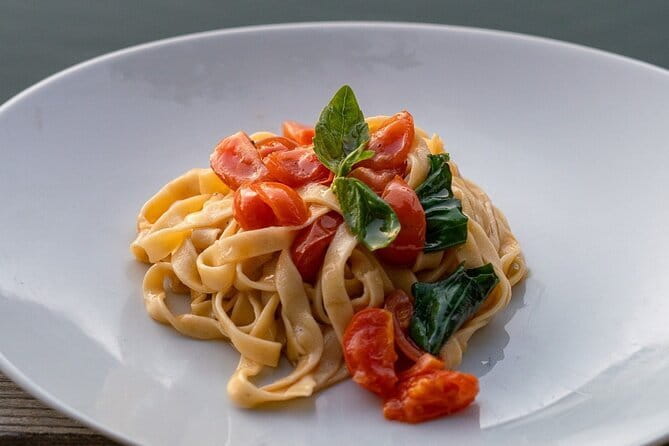
- Three pasta styles from Tuscany and neighboring regions, including pici (all’aglione), tagliatelle, and potato-filled tortelli
- Wine paired to what you cook, so you taste as you go rather than eating later and forgetting the context
- Cook in an old tower house kitchen, a big part of the charm and the food-first atmosphere
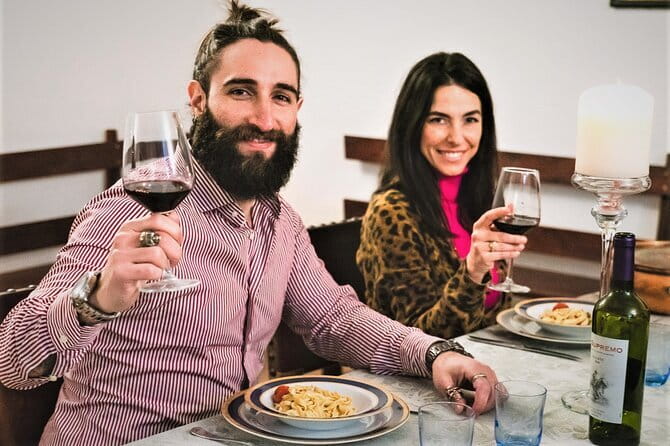
- Lunch includes bruschetta, homemade pasta, water, coffee, and two glasses of wine per person
Roll, knead and churn through the Florence cooking-class shortlist
- Florence: Pasta Cooking Class with Unlimited Wine★ 4.9 · 10,285 reviews
- Florence Pizza or Pasta Class with Gelato Making at a Tuscan Farm★ 5.0 · 6,801 reviews
- Florence: Pasta & Tiramisu Cooking Class with Unlimited Wine★ 4.9 · 6,708 reviews
- Florence: Pasta Cooking Class with Unlimited Wine★ 5.0 · 6,413 reviews
Why this Florence pasta class starts near Dante
The meeting point is in Santa Croce, right in front of the statue of Dante Alighieri. It’s a smart setup because you’re already in one of the easiest areas to orient yourself in, and you can build your morning around walking through Florence before you even touch dough. The class begins at 9:30 am, so give yourself a little buffer to get there without rushing.
From there, you walk as a group toward the next stop, Chiesa dei Santi Apostoli. This part matters more than it sounds. When you show up early and calm, you get into the right rhythm for a cooking class. You also avoid the common mistake of arriving frazzled, then feeling like you can’t absorb instructions because you’re too focused on timing.
One practical tip: wear shoes you don’t mind staying on your feet in. Even if the walking is short, you are going to be moving, standing at a work surface, and (most likely) leaning in close while learning how dough should be handled.
An old tower kitchen, plus old-school technique
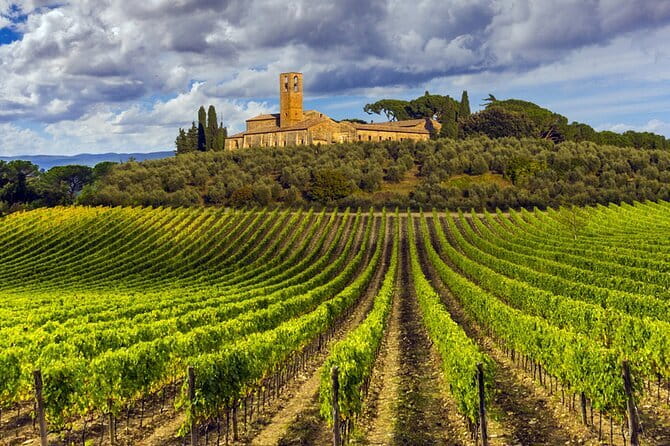
What makes this class feel different is where you cook. You will work in an old tower house transformed into a modern kitchen, and the kitchen style matches the teaching style. The class description emphasizes using old-world methods instead of relying on modern machinery, and that theme comes through in how the lessons are framed.
This matters because pasta is tactile. The dough isn’t something you can fully understand from watching. You need the moment where you press, fold, and shape and realize, oh, this is supposed to feel springy, then gradually smoother as you work. That’s exactly what you get when the focus stays on hands-on steps.
Also, the setting tends to create a comfortable, no-pressure vibe. One review noted the cook, Chef Mario, was friendly and engaging at first, and that kind of warm welcome matters in a kitchen class. If you’re unsure at the start, a good host helps you relax enough to learn.
The Chiesa dei Santi Apostoli stop and your first pasta lesson
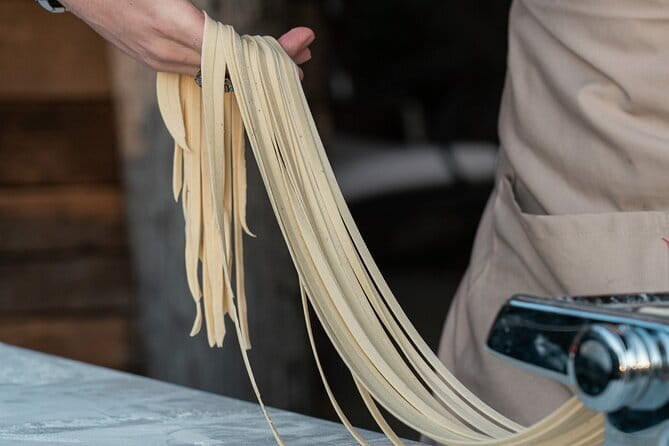
Once you reach the local home, the cooking begins. The group then learns to make three different types of pasta, with each one rooted in Tuscan or nearby traditions.
Here’s what you make:
- Pici (all’aglione), a typical Siena-style preparation
- Tagliatelle with mushrooms and sausage
- Classic Tuscan tortelli, filled with potatoes
Each pasta is part skill, part flavor lesson. You’re not only learning how to form shapes, you’re also learning how the final dish should taste, and why the pairing choices work.
What I like about teaching like this is that it turns pasta from a single recipe into a framework. Even if you don’t recreate everything perfectly at home, you learn patterns you can use again. For example, you start noticing how different fillings and sauces behave with different shapes, and why a thicker, hearty pasta can handle richer pairings.
If you have dietary needs, pay attention to this point. One review mentioned a guest who is gluten and dairy free, and that Mario took extra care. The best move is to ask specific questions when you book, but the takeaway is positive: the instructor appears to take accommodations seriously when possible.
Pici, tagliatelle, and tortelli, what you actually learn
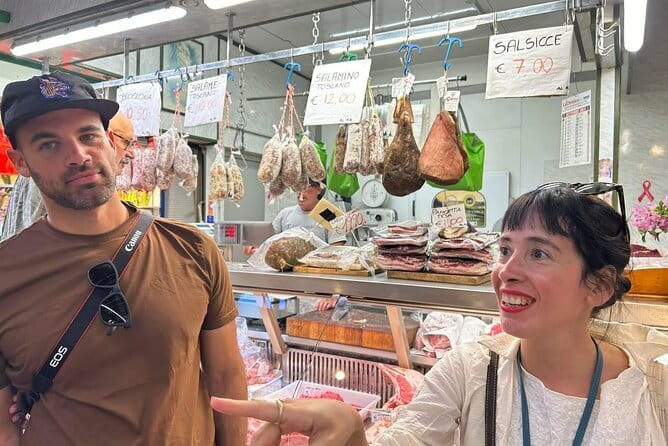
This class is designed so you don’t just do one pasta and call it a day. The switch between three styles keeps the morning from turning repetitive, and it gives you real range.
Pici (all’aglione)
Pici is long, rustic, and satisfying. It’s the kind of pasta that teaches you control. If you go too fast or too light with your shaping, it won’t hold the right texture. The class approach helps you learn a steady hand rather than forcing speed.
The flavor angle is all’aglione, a sauce concept tied to Italian cooking that leans into boldness. That pairing sets the tone for why you’ll be tasting along the way, not saving it all for lunch.
Keep the Florentine shortlist moving
Tagliatelle with mushrooms and sausage
Tagliatelle is familiar to many people, but the “with mushrooms and sausage” part makes it unmistakably Italian and hearty. This section is where you learn about thickness and consistency, because tagliatelle needs a shape that works well for catching sauce.
If pici feels rustic, tagliatelle feels grounding. You’ll feel the difference in what the dough needs to do, then how the finished plate tastes once everything is combined.
Tuscan tortelli with potato filling
Tortelli is the filling lesson. Potatoes add comfort and structure, and filled pasta is where technique becomes precision. You don’t just shape, you also manage closure so the filling stays put.
In my view, this is often the hardest part of a pasta class because the dough has to be handled gently. If you take your time, you learn the right touch for sealing without overworking.
Wine pairings that make the lessons stick
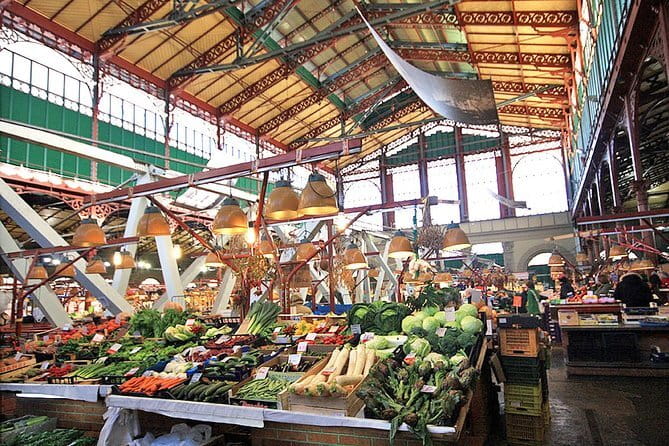
This class doesn’t treat wine as an afterthought. It pairs each pasta type with a different wine to enhance flavor.
On paper, that sounds like a nice bonus. In practice, it’s actually a learning tool. When you taste alongside the food you just made, you start linking cause and effect. You notice how a wine’s acidity, body, or tannins change your perception of salt, fat, and herbs.
The wine theme is also tied to Chianti in the experience description, and lunch includes wine as part of the meal. The result is that the class feels like an integrated Tuscan food day, not a cooking session followed by a separate “dinner later” plan.
One more reason I like the pairing approach: it helps you avoid the all-too-common post-class situation where you only remember how busy the kitchen felt. If you know what you ate and what wine was paired, you can recreate the experience at home more easily.
Dessert, then lunch with bruschetta and more pasta
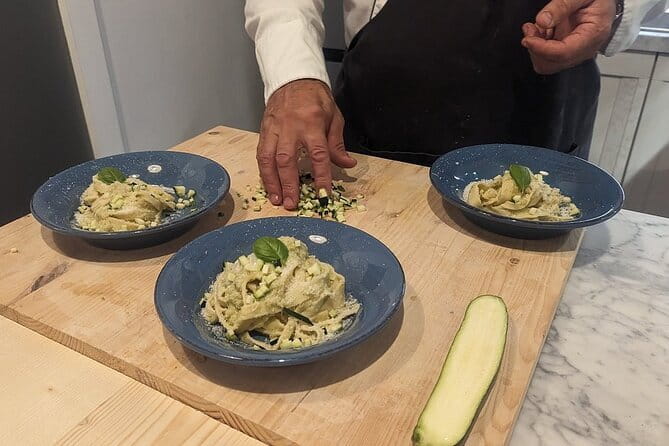
After you finish the pasta course work, the morning doesn’t end with a wipe-clean counter. You also make a homemade dessert together with the group. It’s a small step, but it adds momentum, so the experience feels like a full Tuscan meal arc.
Then it’s time for lunch at the final stop at Via Torta, 16r, 50122 Firenze FI. You’ll have lunch at a typical restaurant in Florence, which is a nice way to keep your morning grounded in the local food culture, not just the cooking classroom bubble.
The lunch includes:
- an entry of traditional bruschettas
- homemade pasta
- two glasses of wine per person
- water and coffee
What’s great here is that you get to eat your way through the outcome of the morning. Even if you didn’t nail every step, you still taste the product, and that’s the fastest path to learning. And because lunch is included, you don’t have to scramble to find a meal plan right after class.
Group size, timing, and how to get the most out of 4 hours
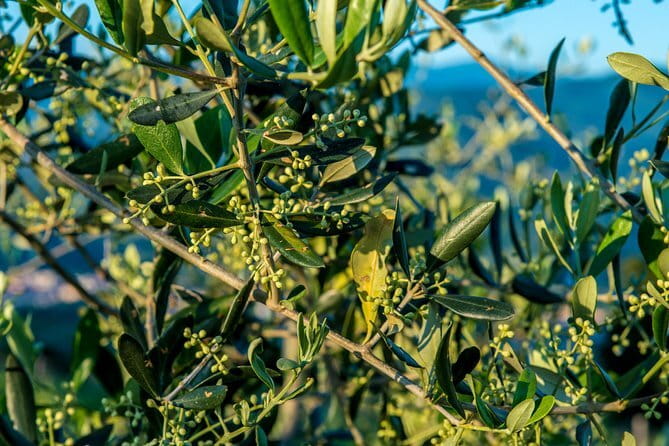
The class has a maximum group size of 8 travelers. That number matters. In small groups, you are not just watching someone else work, you’re getting enough time for real feedback. It also reduces the pressure of trying to remember your steps while other people are waiting behind you.
The duration is listed at about 4 hours and 11 minutes. That’s a meaningful chunk of a morning, but it’s also long enough to cover technique, tasting, and a full meal finish without rushing.
To get the most out of it:
- arrive on time at Santa Croce so you can settle
- keep your phone available for practical notes, but don’t spend the kitchen lesson filming every second
- expect to stand, mix, and handle dough
- if you have food restrictions, mention them during booking so the kitchen can plan
And because the tour notes say it is near public transportation, you can pair this with other Florence plans later in the day. Once you’re done, you’ll have energy for walking, shopping, or museum time, but you’ll probably want to take it easy for a bit.
Who should book this pasta class
This is a good fit if you:
- want a hands-on Florence food experience that teaches actual technique
- love Tuscany, but prefer learning through cooking rather than only tasting
- enjoy small-group instruction and conversation
- want a structured morning that ends with lunch and wine
It may not be the best fit if you:
- hate early starts, because the start time is 9:30 am
- want a totally hands-off tour where you watch instead of cooking
- have very specific dietary needs that you have not discussed with the provider
Price and value: is $195.91 worth it?
For $195.91 per person, you’re paying for more than a cooking demo. You get three pasta types made with guidance, wine pairings tied to each course, a homemade dessert, and a full sit-down lunch with bruschetta, pasta, two glasses of wine, plus water and coffee.
In Florence, food is everywhere, but good instruction is harder to find. This price makes sense when you think about time, staff, ingredients, and the meal package at the end. You are also booking a small group experience with a cap of 8 people, which often improves the quality of teaching.
Is it the cheapest way to eat pasta in Florence? No. But it’s not trying to be. It’s aiming for a learning-centered, enjoy-what-you-make experience.
Should you book this Florence pasta class?
If you want to leave Florence with more than photos and memories, this is one of those mornings that actually gives you a skill. I like that the class is structured around three pasta types, and I like that the teaching is paired with tasting through wine pairings. The small group size and friendly hosting described in reviews, including experiences with Chef Mario and Gonzalo, also point to a class that feels welcoming rather than formal.
I’d book it if you’re the type who enjoys cooking, asks questions in a kitchen, and wants to understand why Tuscan food tastes the way it does. Skip it only if you’re short on time, dislike hands-on activities, or aren’t comfortable with a structured 9:30 am start.
FAQ
What time does the pasta class start in Florence?
The experience starts at 9:30 am.
Where do I meet for the class?
You start at Santa Croce in Florence, in front of the statue of Dante Alighieri. The next stop is Chiesa dei Santi Apostoli, and the lunch ends at Via Torta, 16r, 50122 Firenze FI.
How long is the class?
The duration is about 4 hours and 11 minutes.
How much does it cost per person?
The price is $195.91 per person.
What pasta types will we make?
You will learn to make three different types of pasta: pici (all’aglione), tagliatelle with mushrooms and sausage, and Tuscan tortelli filled with potatoes.
Is wine included?
Wine is part of the experience, with wine paired to each pasta type, and lunch includes two glasses of wine per person.
What is included in lunch?
Lunch includes traditional bruschettas, homemade pasta, two glasses of wine per person, water, and coffee.
How big is the group?
The maximum group size is 8 travelers.
Does the tour use a mobile ticket?
Yes, it includes a mobile ticket.
Can the class accommodate dietary restrictions?
One review mentioned a gluten and dairy free guest and said the chef took extra care. You should still confirm your specific needs when booking.
Is there free cancellation?
Yes, free cancellation is available up to 24 hours in advance for a full refund.
More Workshops in Florence
- Cooking Class and Lunch at a Tuscan Farmhouse with Local Market Tour from Florence
★ 5.0 · 4,831 reviews
Every Florence review, in one place
- Tuscany Day Trip from Florence: Siena, San Gimignano, Pisa and Lunch at a Winery
★ 5.0 · 21,634 reviews - The Best tour in Florence: Renaissance & Medici Tales – guided by a STORYTELLER
★ 5.0 · 12,316 reviews

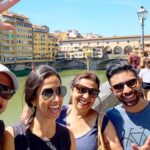
Cook it before you order it
- Cooking Class and Lunch at a Tuscan Farmhouse with Local Market Tour from Florence
★ 5.0 · 4,831 reviews
Florence picks that sit just beyond this itinerary
- One Hour Uffizi Guided Tour: Masterpieces of the Renaissance
★ 5.0 · 3 reviews - Sightseeing Tuscany by touring bike – 1 day rental
★ 5.0 · 3 reviews - Private Siena, S. Gimignano, Chianti Road and Wine Tasting
★ 5.0 · 3 reviews - Bargello Museum Private Tour: Michelangelo’s Bacchus & Donatello’s David
★ 5.0 · 3 reviews - Authentic Florence Cooking Class at Costanza’s 1839 Family Estate
★ 5.0 · 3 reviews - San Gimignano and Volterra private tour: etruscans, romans and middle age jewels
★ 5.0 · 3 reviews
More Florence Pasta, Pizza & Gelato Classes worth comparing.
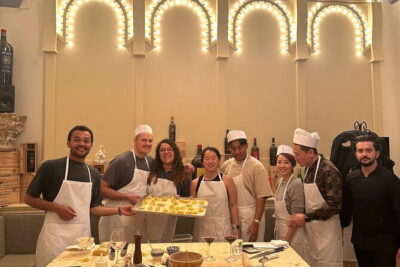 ★ 4.9Pasta Cooking Class with Unlimited WineFrom $2110,285 reviews
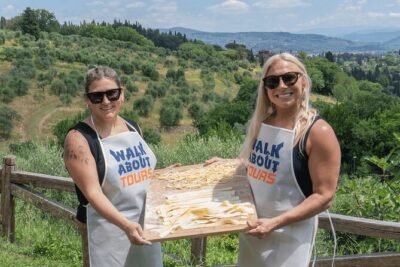 ★ 5.0Florence Pizza or Pasta Class with Gelato Making at a Tuscan FarmFrom $1456,801 reviews
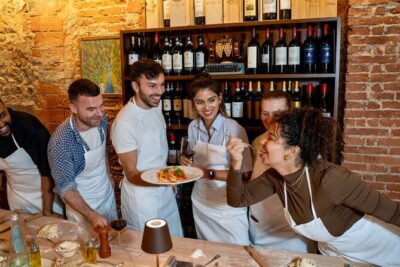 ★ 4.9Pasta & Tiramisu Cooking Class with Unlimited WineFrom $566,708 reviews
★ 5.0Pasta Cooking Class with Unlimited Wine6,413 reviews
★ 4.9Pasta & Tiramisu Cooking Class with Unlimited WineFrom $566,708 reviews
★ 5.0Pasta Cooking Class with Unlimited Wine6,413 reviews
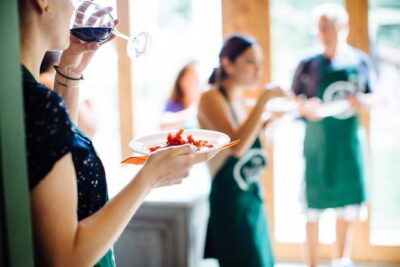 ★ 5.0Cooking Class and Lunch at a Tuscan Farmhouse with Local Market Tour from FlorenceFrom $1454,831 reviews
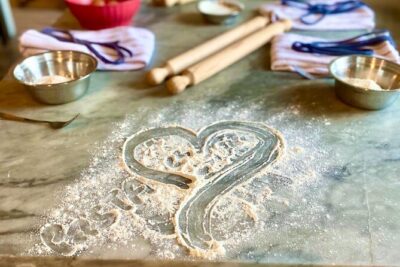 ★ 5.0Pastamania – Florence Pasta Making ClassFrom $493,050 reviews
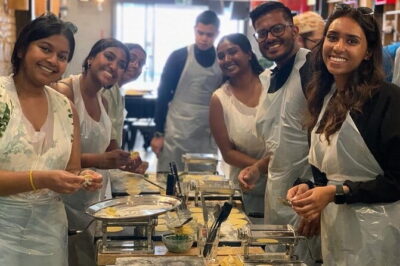 ★ 5.0Cooking Class Pasta & Tiramisu Making Unlimited WineFrom $892,234 reviews
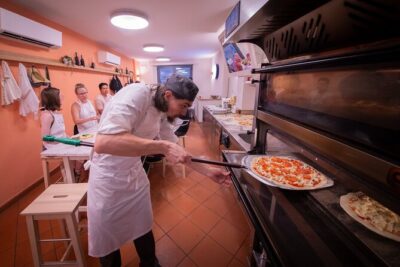 ★ 5.0Florence Cooking Class The Art of Making Gelato & Authentic PizzaFrom $642,053 reviews
Find this experience in another shortlist