
Florence field review · MEDICI FLORENCE & RENAISSANCE STORIES
Florence – The Medici’s Private Walking Tour
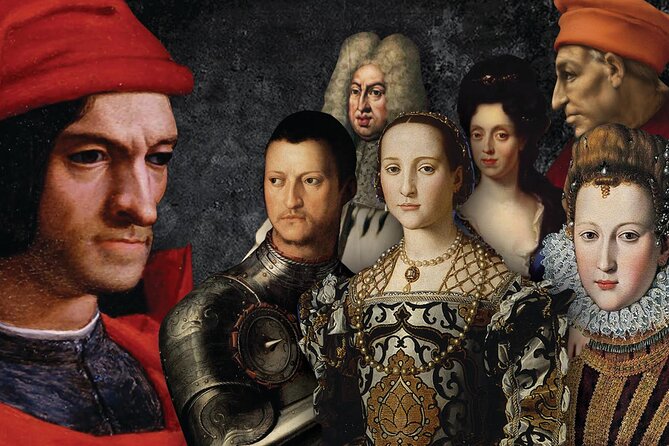
Medici power plays are the city’s hidden storyline. This 2-hour private walk turns Florence into a political story, using stops like Palazzo Medici Riccardi and Ponte Vecchio to explain how the Medici shaped art, control, and scandal. I love the Medici-first storytelling and the question-friendly pace. One possible drawback: admission isn’t included for several big interiors, so you may mainly view those highlights from outside.
What makes this tour feel worth your time is the guide energy. In the feedback, guides like Isabella, Marco, Marcello, Irene, Lisa, and Giacomo show up again and again for smart, funny explanations and clear answers on the spot. You can also get earphones if needed, which really helps when you are walking through noisy streets and tight corners.
Plan for a smart-casual outfit and comfortable shoes, then meet 15 minutes early near Piazza San Marco. The walk ends at Palazzo Pitti, so it’s easy to keep exploring right after you get the story straight.
Key things to know before you walk the Medici route
- A Medici storyline that connects multiple landmarks, not just one museum stop
- Plenty of time for questions, since the pace stays relaxed for an easy back-and-forth conversation
- Earphones are available if sound is an issue while you’re moving
- Some stops are free to access, while others have admission not included, so bring a plan
- Pickup is possible only if you’re centrally located, and it happens on foot
- Your tour is private, meaning it’s just your group on the walk
More Medici stories behind the palaces, paintings and city streets
- The Best tour in Florence: Renaissance & Medici Tales – guided by a STORYTELLER★ 5.0 · 12,316 reviews
- Florence: Renaissance and Medici Tales Guided Walking Tour★ 4.8 · 1,549 reviews
- Florence: Mysteries of the Medici Guided Walking Tour★ 4.4 · 940 reviews
- Accademia Gallery: Michelangelo’s David and High Renaissance Art★ 4.0 · 872 reviews
Why the Medici theme makes Florence easier to understand
Florence can feel like a pile of famous buildings until someone connects the dots. This tour does that with one very focused thread: the Medici family. You start with their rise, then you watch their power shift across the city through palaces, churches, and civic squares.
The big win is how the guide turns stone and symbols into “wait, that’s why it’s there” moments. When you later look at domes, chapels, statues, and bridges on your own, you’ll recognize the political intent and the artistic choices behind them.
You also get a friendly walking pace. It is timed, but it does not feel rushed, which matters in Florence where crowds can slow you down anyway. I like that the format makes room for questions instead of forcing you to save everything for the end.
Starting near Piazza San Marco, then finishing by Palazzo Pitti
You begin at Piazza San Marco (Firenze FI), and if you are staying somewhere central, pickup may be offered from your accommodation, on foot. The end point is Palazzo Pitti, at Piazza de’ Pitti, 1. That finish is practical, because it drops you right where you can continue toward the Oltrarno side without backtracking.
You will also want to factor in the meeting time. You’re asked to arrive about 15 minutes before departure, so you are not scrambling in the streets. The tour runs for about 2 hours, so it works well as a morning or afternoon anchor before you commit to tickets for interiors later.
One small detail that can matter: it’s listed as smart casual. In practice, think comfortable walking shoes and weather-ready layers. One guide in the feedback even paid attention to shade and sun comfort, which is a nice sign that the route is paced with real people in mind.
Palazzo Medici Riccardi: where the Medici story starts to feel real
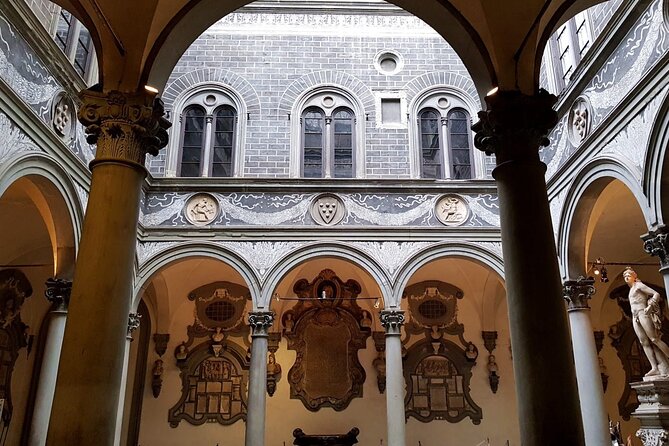
This is the opening stop, and it’s a smart choice. Palazzo Medici Riccardi is tied directly to Cosimo de’ Medici and designed by Michelozzo in the mid-15th century. Even if you only spend about 15 minutes here, the building gives you the “origin of power” feeling fast.
What to look for outside: the rusticated stone façade reads as tough and controlled. That austere exterior is the contrast the guide often uses to explain how power can look restrained on the outside while being rich, ambitious, and art-driven on the inside.
Inside highlights you can expect to hear about include the Magi Chapel, with frescoes by Benozzo Gozzoli. Those paintings are a key piece of how the Medici family communicated wealth and influence through art. If you care about symbolism, this stop usually clicks immediately because it mixes architecture, politics, and decoration into one package.
Practical note: this stop is shown as free admission in the plan, but it’s still worth listening closely to what parts you actually access during your time window.
Piazza del Duomo: the cathedral ensemble, with the Medici lens
From the Medici palace origin point, you move to Piazza del Duomo, the monumental heart of Florence. This square is famous for a reason: it brings the big names together in one view.
You’ll focus on:
- Santa Maria del Fiore, with Brunelleschi’s dome dominating the skyline
- Giotto’s bell tower, adding vertical rhythm
- The Baptistery of San Giovanni, including the marble façade and the golden Gates of Paradise
Your guide ties this into the larger city story by showing how Florence’s major religious sites and civic pride mattered to ruling families. Even without going far into interiors, the square teaches you how to “read” what you see.
The downside here is admission. The plan shows the Duomo area as not included for tickets. So if your dream is stepping inside the cathedral or doing the bell tower climb, you’ll need separate tickets and time. On a 2-hour walk, the tour keeps things efficient, which is great for getting orientation, but not ideal if you were hoping for a ticket-covered checklist.
Basilica di San Lorenzo and the Medici Chapels: power in stone and silence
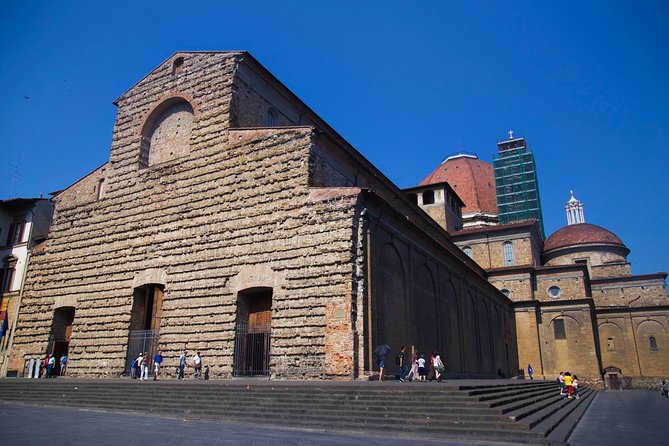
Basilica di San Lorenzo is another cornerstone stop for this theme because it’s tied tightly to the Medici legacy. It’s also older than you might expect: originally consecrated in the 4th century, then rebuilt in the 15th century with designs by Brunelleschi.
The façade can look plain at first glance. That contrast matters, because the message is not about theatrical exterior effects. The real story shows up inside.
This stop connects you to:
- works by Donatello that are associated with the basilica
- elegant chapels filled with art and symbolism
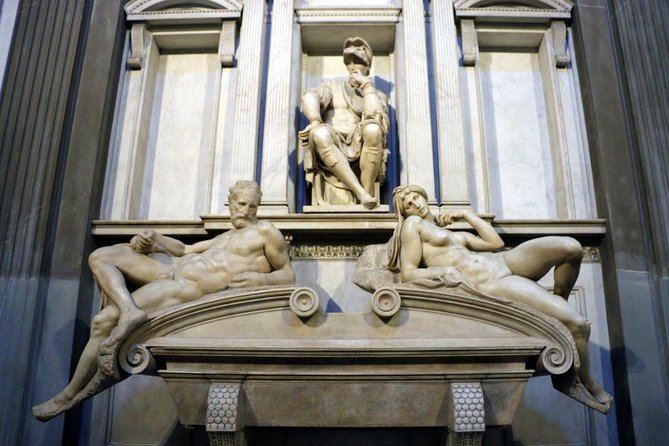
- the Medici Chapels, including monumental tombs designed by Michelangelo
The Medici Chapels are the kind of place where you start noticing details you’d otherwise miss, like how sculpture, patronage, and religious setting all work together to shape public memory. Even if you do not have included admission, the guide’s explanation gives you a mental map for when you return on your own.
Practical note: like the Duomo, admission for this stop is not included in the plan. If you want to see specific chapel interiors, budget time to do it separately.
Florence walks that make the stone streets tell the story
Piazza della Signoria: Florence’s political stage, not just a photo stop
Piazza della Signoria is often treated like a scenic square. With a Medici focus, it becomes something else: the civic center of power.
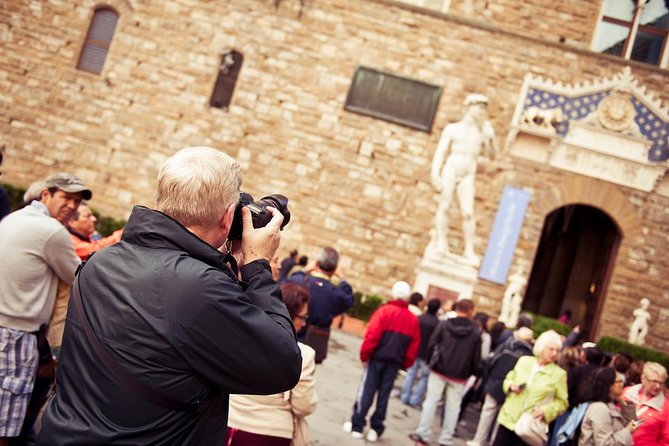
This is where Palazzo Vecchio dominates the scene. You also get an open-air museum effect with recognizable works and replicas, including a David replica, the Fountain of Neptune, and statues under the Loggia dei Lanzi. The point is not to rush from one photo to the next. It’s to understand that this is where civic identity got performed.
You’ll spend about 25 minutes here, which is generous enough to slow down and actually take in details. And since the Uffizi is nearby, the guide’s framing helps you understand how Florence linked governance, art, and public space.
Everything listed for this stop is shown as free, so this tends to be a good “no extra ticket” win. Still, if you’re planning a Uffizi visit later, this stop helps you decide what you want to prioritize once you’re inside galleries.
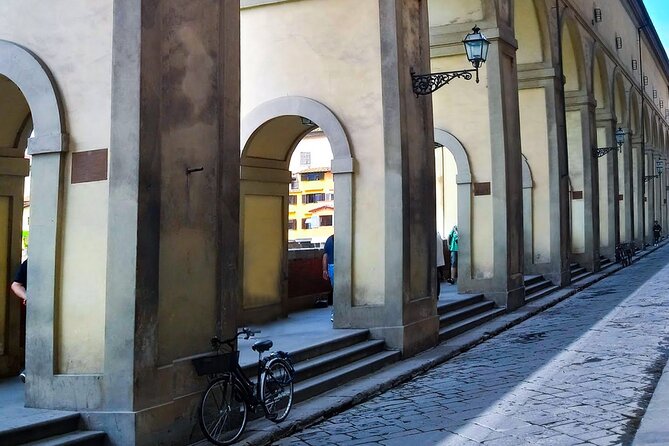
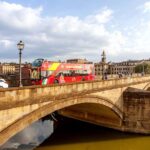
Ponte Vecchio and the Vasari Corridor: the Medici’s secret route
Ponte Vecchio is the iconic bridge, and yes, you’ll see the row of jewelry shops. But the Medici connection is the part that makes the story feel extra specific.
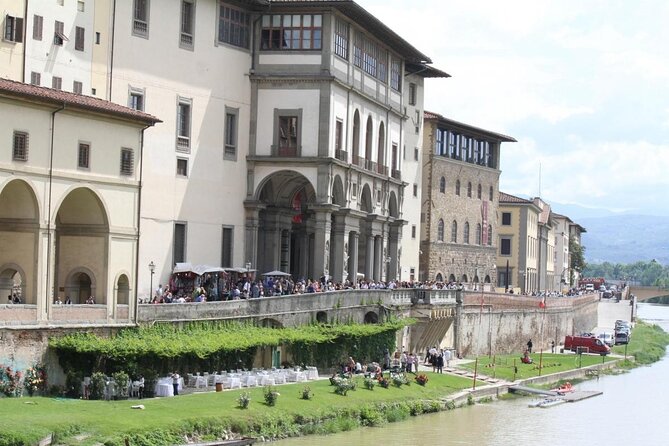
The tour centers on the Vasari Corridor, an elevated passageway built in 1565 to connect Palazzo Vecchio to the Pitti Palace. It was designed for the Medici to move through the city with less exposure to public streets, giving them control over privacy and visibility. The guide’s emphasis usually turns the bridge from “pretty old bridge” into “urban strategy.”
At this stop (about 20 minutes), it helps to look up, not just straight ahead. When you picture the Medici moving unseen above the streets, the whole bridge feels like part of a bigger system: architecture used for both movement and messaging.
This stop is shown as free, so it’s easy to enjoy without worrying about ticket logistics. It’s also one of the most memorable places to anchor your day because you can keep walking and keep the story going even after the tour ends.
Palazzo Pitti: royal residence vibes, with tickets likely needed
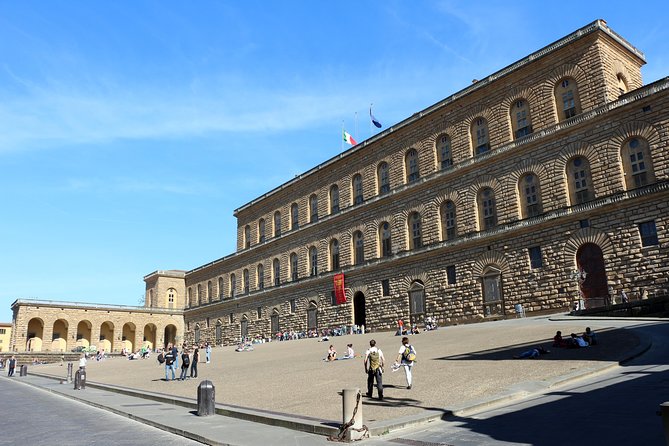
The final stop is Palazzo Pitti, the grand Renaissance residence once home to the Medici. It has a massive stone façade and a lot going on behind it, so even just hearing how it fits into the family’s city power map can be a payoff.
This is where the tour points you toward the big-ticket art and gardens:
- Palatine Gallery, associated with works by Raphael and Titian
- Boboli Gardens, with sculptures, fountains, and sweeping views
The plan shows admission for Palazzo Pitti not included. That’s important. If you want to tour the Palatine Gallery and spend time in Boboli Gardens, you’ll need separate tickets and extra hours beyond the 2-hour walk. The tour helps you know where you want to spend your limited time, but it does not turn into a full museum day.
If you like to end your sightseeing with a garden break, this is a great place to start that planning. You get a clear sense of where to go next, and you won’t feel lost staring at ticket options later.
Price and logistics: what you’re paying for, and what to double-check
The price is $126.16 per person for roughly 2 hours. That sounds steep until you look at what you actually get. You’re paying for a professional guide who focuses tightly on the Medici narrative across multiple high-demand sights, plus pickup if you’re centrally located, and a private format where your group only shares the route with itself.
So the value calculation is really about expectations:
- If you want a guided storyline that makes Florence make sense fast, it can be a strong buy.
- If you expect guaranteed entry into multiple major interiors with no extra tickets, you might feel shortchanged.
That second point is worth taking seriously. The plan says admission is not included for monuments and attractions, and it marks some key areas as not included. At the same time, one early stop shows free admission. That mix can confuse people if they assumed every stop is included.
My practical advice: before you book, confirm which places you will actually enter during your time together. If your dream is walking into the Duomo complex, San Lorenzo, or Palazzo Pitti interiors, build separate ticket time into your itinerary. Otherwise, you may end up with what one frustrated visitor basically warned about: paying a premium for a route that feels more like outside viewing than a ticketed highlights sprint.
Guide quality is the real differentiator here
The most praised aspect across the feedback is the guide performance. Names like Isabella, Marco, Marcello, Irene, Lisa, and Giacomo come up with the same pattern: humor, clear explanations, and real engagement. One guide gets credited for being especially structured, which matters because the Medici story can get complicated fast if it’s not organized.
You’ll also benefit if the guide takes your questions seriously. Multiple reviews highlight that the guide can answer what you ask, which is exactly what you want from a private walk. A 2-hour tour is only enough time for a story if the guide can adapt to your interests on the fly.
If you enjoy being taught while you walk, this is the type of experience that can change how your whole trip feels. You might not leave with every fact memorized, but you’ll leave with a framework for understanding why Florence looks the way it does.
Who should book this Medici private walking tour
This is a great fit if you:
- love Renaissance art and want the political story behind it
- want orientation fast, without the pressure of museum tickets every hour
- like asking questions and getting direct answers
It might not be ideal if you:
- want a tour that includes lots of interior access with no extra ticket buying
- prefer a lighter approach with fewer symbolic explanations and more free time
If you are traveling with limited time in Florence, it can be a smart day-two or day-one foundation. It also works well for history buffs who feel annoyed when they see famous sites but do not know what they’re looking at.
So, should you book it?
I’d book this tour if you want a Medici storyline that stitches Florence together, and you’re happy to handle separate monument tickets on your own for the interiors not included. The guide quality seems to be the main strength, and the pacing supports real conversation.
Skip or at least double-check your expectations if you’re buying it like an all-access admissions tour. The plan signals that admission is not included broadly, even though some stops are listed as free. If your must-do includes going inside multiple buildings, plan time and tickets ahead.
If you want Florence to stop feeling like a checklist and start feeling like a coherent story, this is one of the safer bets in town.
More Florence tours to open next
- The Best tour in Florence: Renaissance & Medici Tales – guided by a STORYTELLER
★ 5.0 · 12,316 reviews
Every Florence review, in one place
- Tuscany Day Trip from Florence: Siena, San Gimignano, Pisa and Lunch at a Winery
★ 5.0 · 21,634 reviews - The Best tour in Florence: Renaissance & Medici Tales – guided by a STORYTELLER
★ 5.0 · 12,316 reviews

The Medici thread through Florence
- The Best tour in Florence: Renaissance & Medici Tales – guided by a STORYTELLER
★ 5.0 · 12,316 reviews

Florence picks that sit just beyond this itinerary
- Florence: Duomo Complex Private Guided Tour & Optional Dome Climb
★ 5.0 · 4 reviews - Private Tour of Florence Cathedral, Bell Tower & Baptistery
★ 5.0 · 4 reviews - Michelangelo’s David Tour in the Accademia (Tickets NOT included)
★ 4.0 · 4 reviews - Exclusive Pisa Tour from Florence: With Skip-the-Line Access
★ 4.0 · 4 reviews - Full-Day Tour of Tuscany from Florence-small group up 8 pax
★ 4.5 · 4 reviews - Florence: Inferno Private Walking Tour
★ 5.0 · 4 reviews
More Medici Florence & Renaissance Stories worth comparing.
 ★ 5.0The Best tour in Florence: Renaissance & Medici Tales – guided by a STORYTELLERFrom $312,316 reviews
 ★ 5.0The Best Tour in Florence: Renaissance and Medici TalesFrom $310,810 reviews
 ★ 4.8Renaissance and Medici Tales Guided Walking TourFrom $21,549 reviews
 ★ 4.4Mysteries of the Medici Guided Walking TourFrom $31940 reviews
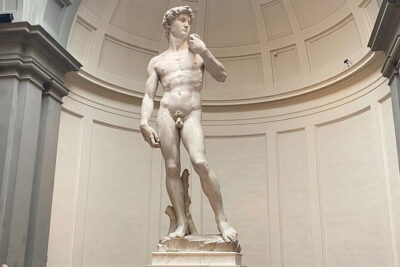 ★ 4.0Accademia Gallery: Michelangelo’s David and High Renaissance ArtFrom $43872 reviews
 ★ 4.7Guided Tour of Medici Family Secrets and ChapelsFrom $93512 reviews
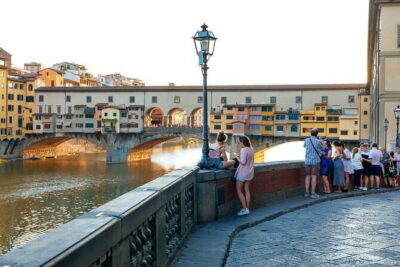 ★ 5.0Florence Private Tour: Renaissance, Famous Families & Hidden GemsFrom $199233 reviews
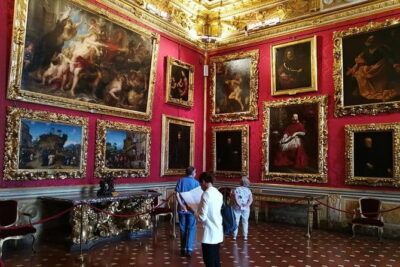 ★ 4.5Pitti Palace, Palatina Gallery and the Medici: Arts and Power in Florence.From $82223 reviews
Find this experience in another shortlist