
Florence field review · PRIVATE
Florence: Private Astronomical Tour of the Museo Galileo
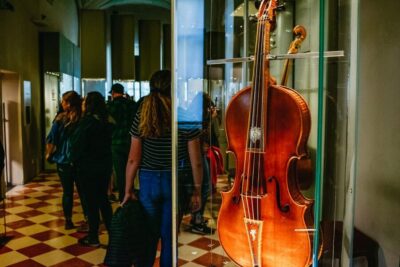
Florence gets serious about the stars. This private tour of the Museo Galileo lets you stand in front of the real tools behind early astronomy, including Galileo’s original telescope and instruments tied to how people measured space and time. What I like most is that the tour pairs the big objects with clear human context, so you understand not just what you’re seeing but why it mattered at Medici court. One possible drawback: if you want lots of step-by-step scientific explanation of how every device works, you may wish the guide spent more time on the pure science side.
I love the way the format stays focused and easy to manage. You get fast-track entry, plus headsets so you can hear your guide without leaning in like you’re at a crowded café. The session is also short enough to keep your attention, about 1.5 hours, which is just right for a museum that can otherwise overwhelm you with objects.
Key highlights from a Museo Galileo private astronomy tour
- Galileo’s original telescopes and scientific instruments, up close in the museum’s main displays
- Skip-the-line express security so you start learning fast
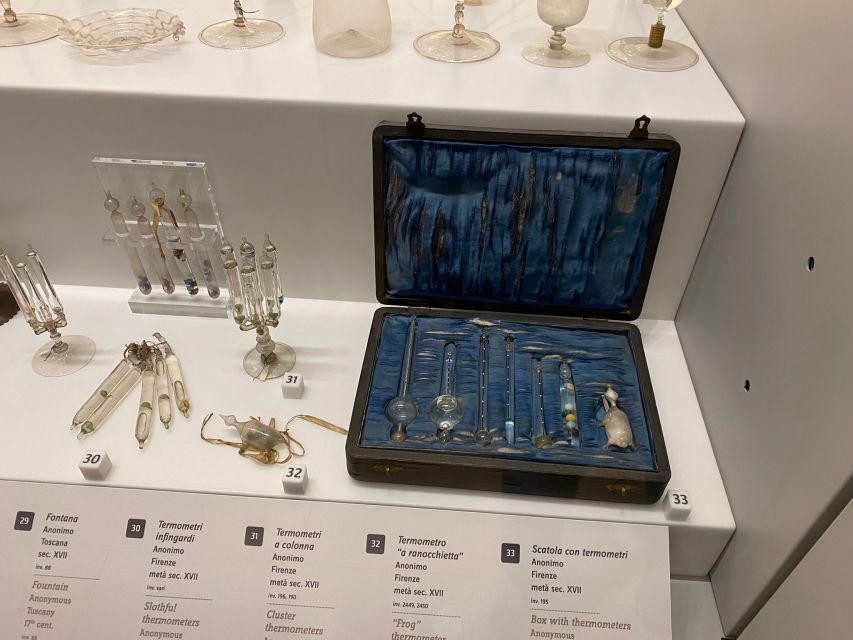
- Timekeeping technology explained, including antique clocks, thermometers, and early measuring tools
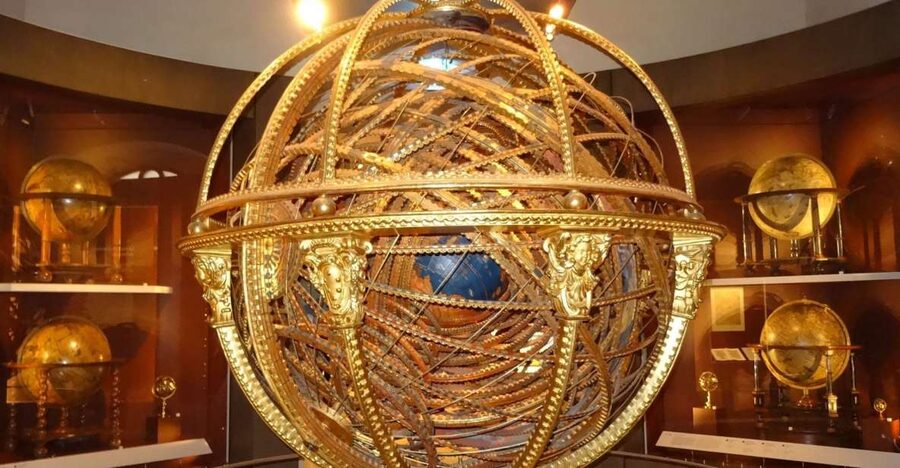
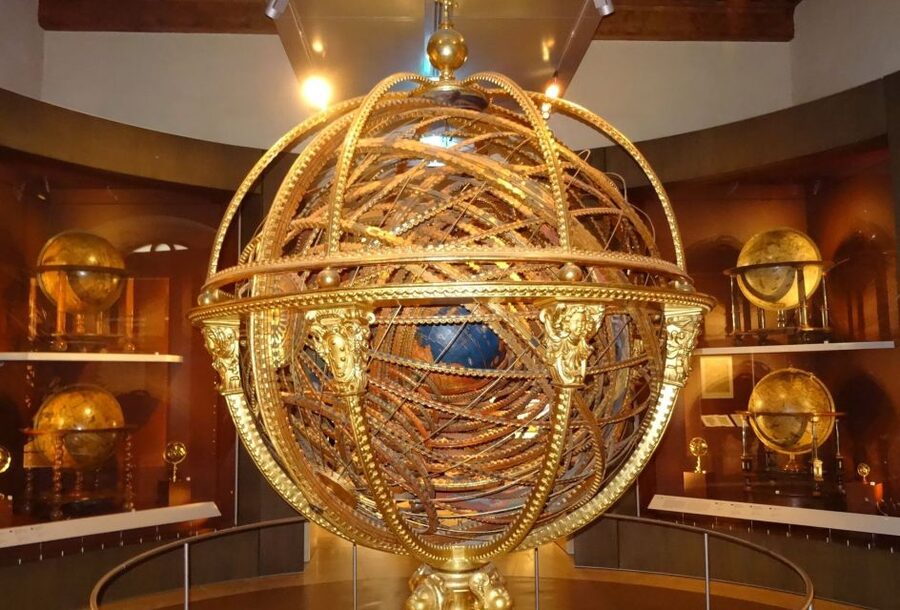
- Astrolabes and celestial globes, showing how people mapped the sky before modern astronomy
- Medici court science context, from Cosimo I through Galileo under Cosimo II and later Grand Duke Leopoldo
- Hands-on style learning for families, with games of the past built into the experience
Private Florence options for a day with fewer compromises
- Cinque Terre and Pisa Tower Tour from Florence Semi Private★ 5.0 · 1,406 reviews
- From Florence: Private Chianti Hills Tour with Tasting★ 4.3 · 809 reviews
- Private Self-Guided E-Bike Ride in Tuscany with Vineyard Visit★ 5.0 · 775 reviews
- Florence Private Transportation in Rickshaw★ 5.0 · 730 reviews
Why the Museo Galileo feels like a time machine
If you’ve ever looked at Florence and thought, Great, but where is the science, this museum answers that. The Museo Galileo is not a “look at the painting, move along” place. It’s a collection of devices that treated the universe like something you could measure, test, and argue about using optics, math, and hands-on instruments.
In a guided setting, the museum starts to make sense fast. You’re not just wandering among astrolabes, globes, and clocks. You’re getting a thread that connects Galileo Galilei to the tools people built around him. And because the tour is private, your guide can pace the visit to your questions rather than rushing you through a checklist.
What surprised me is how much the museum focuses on practical measuring, not just star gazing. You’ll see objects linked to how early scientists measured space, but also how they measured time and even temperature. That mix is a big part of why the experience works. Astronomy here is part of everyday “how do we know?” thinking.
The private format: better hearing, better pacing
This is a private group experience, and that matters in a science museum. Devices are small and labels can be dense. Without help, you can end up reading your way into boredom or standing in front of something for ten minutes and still not getting the point.
That’s where the guide and the included headsets make the difference. Your guide can talk clearly without you constantly turning your head to find them. It also helps the group move smoothly. In 1.5 hours, the tour has to be efficient, and private format usually means you spend less time waiting and more time looking at the right things.
Another practical win is fast-track entrance with express security. Florence can be busy, and the faster you get inside the museum, the easier it is to stay mentally present. If you’re pairing this with other sights in the morning or afternoon, saving time at the start pays off.
Galileo’s instruments: what you’ll see and why it matters
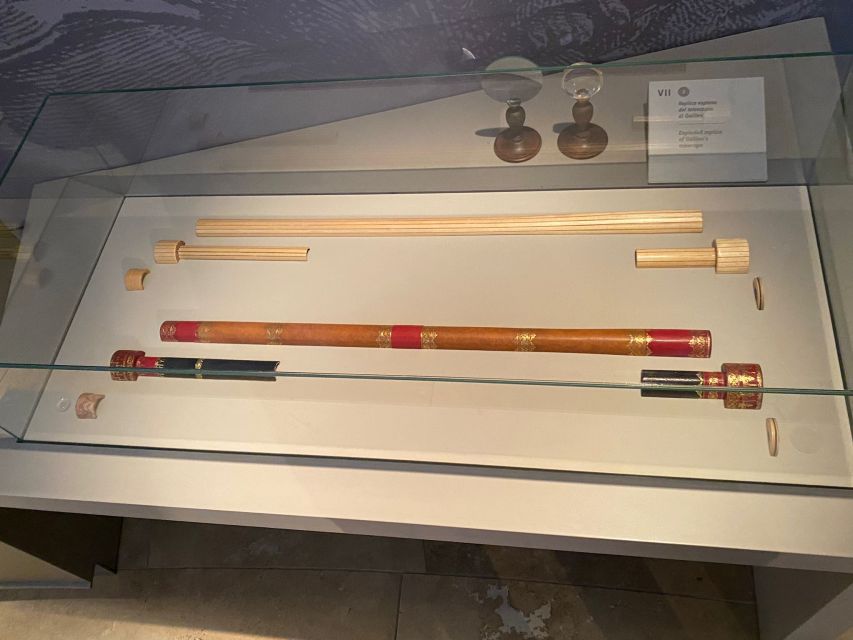
The star of this museum visit is Galileo Galilei himself, and the tour leans into the physical evidence of his work. You’ll get to see an original telescope credited to Galileo, plus related instruments used for astronomical and scientific study. Standing in front of historical optics like that changes the way you think about invention. It’s not a concept. It’s a built object, with shapes and materials that reflect the limits and creativity of the era.
Your guide should also connect the telescope to bigger ideas like optics and the way early scientists investigated how light behaves. You might expect a simple story like, Galileo saw the stars, end of lesson. Instead, the experience points to the scientific thinking behind the tools, including learning about optics and electrostatics.
If you like hands-on learning, this section is where the museum starts to feel fun. Even if you’re not a physics person, it’s hard not to get curious when a guide points out how instruments were used to make observations more reliable.
Tip for your brain: don’t just look for the famous silhouette of a telescope. Pay attention to what the guide emphasizes, because the key is how early researchers turned observation into knowledge.
Measuring the sky: astrolabes, globes, and the art of calculation
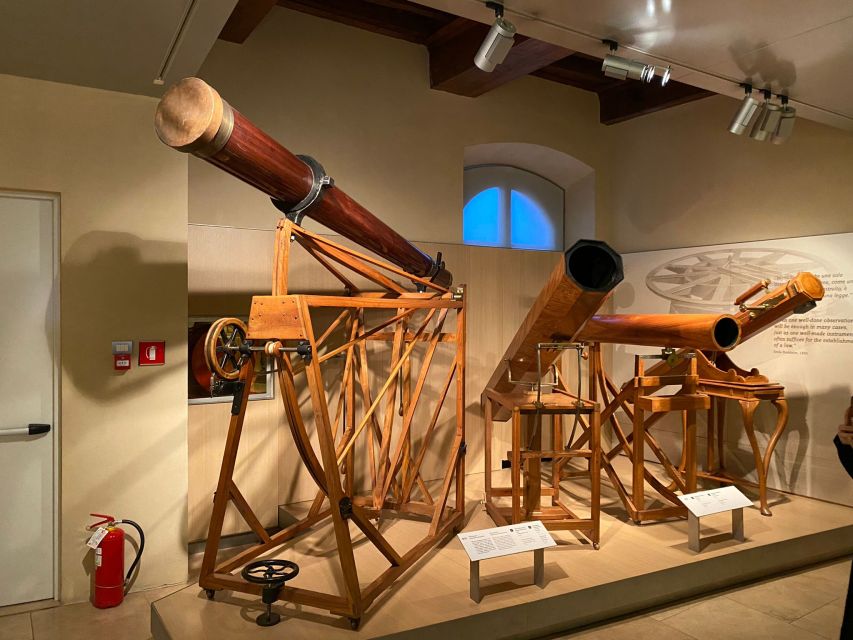
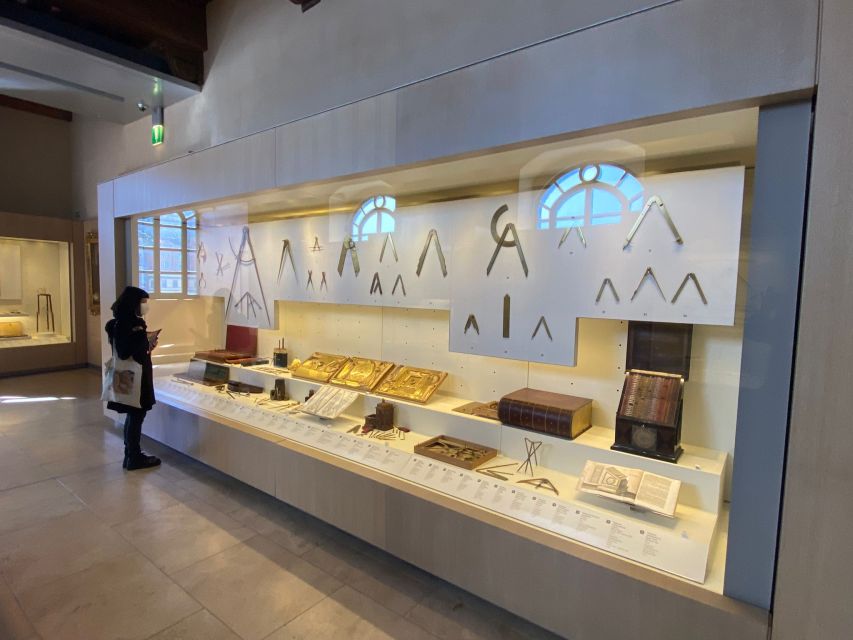
Astronomy in the early modern period was as much about instruments as it was about ideas. One of the most enjoyable parts of this tour is the shift from Galileo’s personal tools to the broader culture of measurement. You’ll explore a large collection of astrolabes and celestial globes, which were built to model the sky and help people calculate positions.
These objects are fascinating because they sit at the crossroads of art and engineering. The “wow” factor is real, but the deeper value is understanding what those instruments allowed people to do. Before modern computers, people relied on carefully designed tools to translate the heavens into numbers.
During your visit, your guide should walk you through the evolution of astronomy, and these instruments serve as visual proof of that evolution. You can literally see how thinking about the cosmos changed over time, through the design of devices meant to be used, not just admired.
I also like how the tour doesn’t treat these as dusty antiques. It frames them as part of an active scientific mindset. That helps you move past the feeling that you’re just looking at old objects.
Timekeeping in Florence: clocks, nocturnals, and thermometers
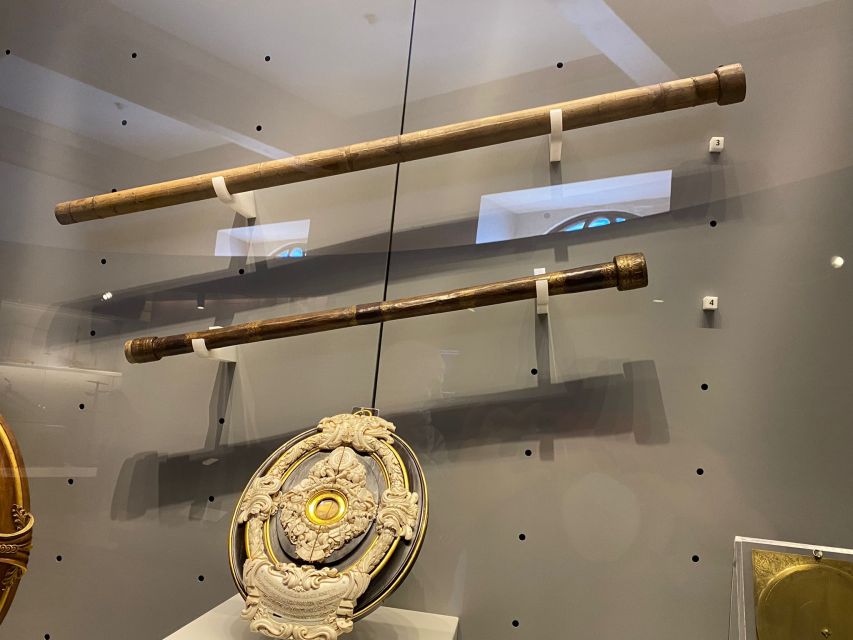
If astronomy is the headline, timekeeping is the supporting actor that steals scenes. A big theme here is how early scientists measured time and related quantities, using tools that feel both clever and mechanical.
You can expect to see antique clocks and other measuring devices, plus items that connect astronomy with daily life. One highlight mentioned for this tour is the Nocturnal by Girolamo della Volpaia from 1568. A nocturnal is essentially an instrument for telling time at night using the position of celestial objects. That’s a perfect example of how the sky and schedule were linked long before satellites.
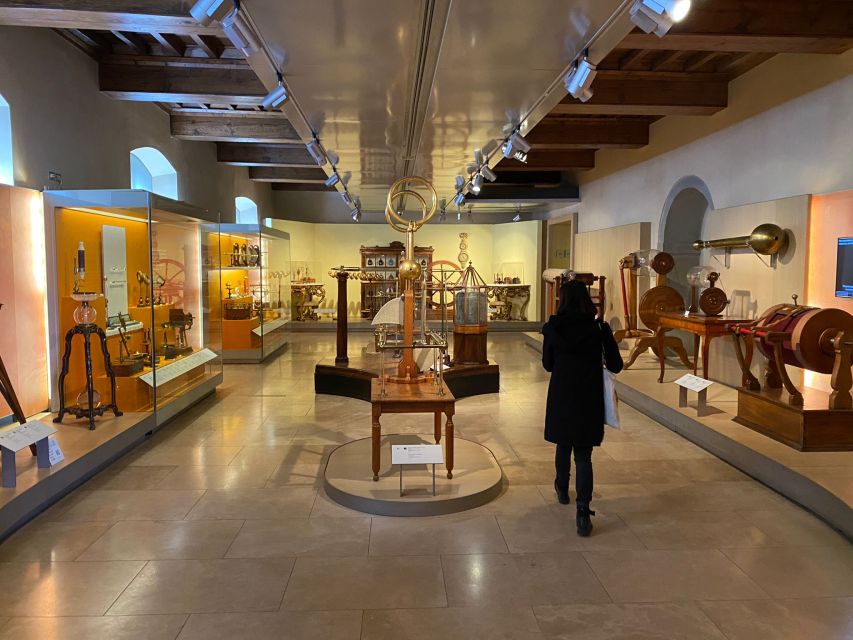
You’ll also see globes, maps, and thermometers. This part helps you understand the bigger scientific goal: early scientists were trying to make natural phenomena measurable and repeatable. If you’ve ever wondered why so much of Renaissance science includes clocks and measurement tools, this is your answer.
And yes, the museum can be a little “lab meets museum.” But that’s exactly the point. You’re learning how people built systems to understand the world using what they had.

Medici court science: the human story behind the objects
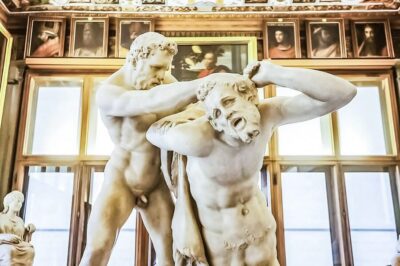
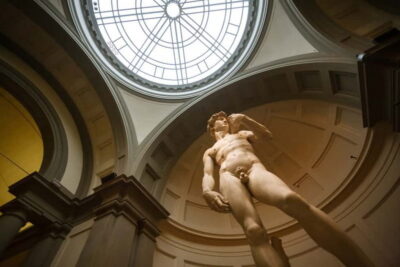
It’s easy to treat Galileo like a solo genius, but the museum tour puts him in context. The scientific collection at the Museo Galileo began with Cosimo I de’ Medici during the 16th century and continued across generations. Later, important milestones include the founding of the scientific academy in 1657. The collection was also carried on by Grand Duke Leopoldo from the Lorena family.
Then there’s Galileo’s own role. During the reign of Cosimo II de’ Medici, Galileo exercised his functions at the court of the Grand Dukes of Florence. That court connection matters because science was not isolated from politics, patronage, and status. Instruments were expensive. Knowledge had value. And the Medici era helped create the conditions where someone like Galileo could work and teach at a high level.
In this kind of museum, history can go two ways: either it’s names and dates forever, or it’s a story that makes objects feel alive. This tour’s strength, based on the overall experience and how the guide is described, is that you get the cultural and historical context without losing the plot.
If you care about how ideas spread, this portion is a big reason to choose a guided experience rather than just walking through on your own.
Optics, electrostatics, and the museum’s “games of the past”
Some museums keep everything behind glass and call it education. This one tries to make the learning stick. Your guide should connect the objects to topics like optics and electrostatics, which helps explain why the devices exist beyond “because people were curious.”
You may also encounter “games of the past,” which are included for adults and children. I like this approach because it changes the rhythm. Instead of staring at objects and reading labels the whole time, you get a more active learning style that turns observation into something you can play with mentally.
It’s also a smart way to keep families engaged without turning the tour into a kid-only performance. For adults, it breaks up the technical monotony. For kids, it makes the concepts feel less like homework.
If you’re traveling with children, plan to treat the tour as an educational outing that still has real wonder built in.
What if you want more pure science explanations?
Here’s the honest part. This is a Galileo-focused museum tour, but the emphasis can lean toward historical and cultural context. One experience feedback point worth taking seriously is that a guide can do well on history, yet not always provide the level of scientific explanation some visitors hope for.
If you want step-by-step answers like: How exactly does this instrument work, what is the physical principle, and what would I do with it? you might feel slightly underfed during the guided time.
A smart workaround is to use the museum’s own resources. One reviewer noted that there is a museum app with strong scientific video explanations of the main displays. That’s a great plan if you want two modes: the guide for context during the tour, then the app afterward for the how-it-works details.
If you are the type who loves both history and mechanics, consider this strategy:
- Take the guided tour for Galileo’s world, instruments, and why they mattered.
- Then spend extra time after the tour using the app videos (if available to you in the museum) to get the technical depth your brain may crave.
Languages, timing, and keeping your energy up in 1.5 hours
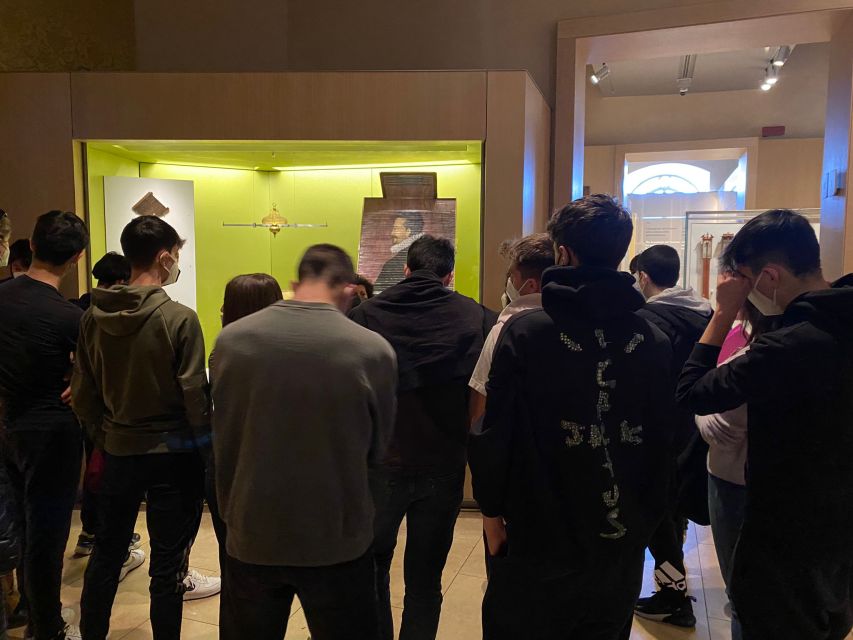
This tour runs for about 1.5 hours, which is a sweet spot for a museum like this. It gives you enough time to see major objects and hear the story without turning the visit into a marathon. Florence mornings can be hot, and museum air can be cool, so you’ll want your attention steady.
Your guide offers multiple languages, including English, Spanish, German, Italian, and French. So if your group is mixed, you should still be able to find a comfortable fit.
Your best move for energy is simple: wear comfortable walking shoes. The museum is navigable, but you are moving between displays. Also, you might want to keep your hands free. Large bags and backpacks may need to be stored in the cloakroom, so pack lightly if you can.
Price and value: is $159 per person worth it?
At $159 per person for a private 1.5-hour tour, you’re paying for three things: a professional guide, skip-the-line entry, and the included headsets. You’re also paying for time well spent, because a museum full of instruments can be confusing without someone to point out what matters.
So is it good value? It tends to be, if you:
- Want a guided explanation rather than self-guided wandering
- Have at least two people who can share the cost pressure of “private”
- Care about Galileo and the context around his work, not just the visual impressiveness of objects
If you’re traveling solo, the price can feel steep compared with a self-guided visit. In that case, you should decide based on your personal style. If you like learning through human storytelling and you’ll actually use the headsets and skip-the-line, it can still be worth it.
But if your main goal is pure technical science, you may prefer a plan that mixes guided context with extra on-your-own scientific material, since at least one visitor wanted more scientific explanation during the tour itself.
Before you go: practical tips that keep the visit smooth
Plan to arrive about 15 minutes early so you can get sorted without stress. You’ll need to exchange your voucher at the ticket office before the tour begins. The meeting point is inside the City Florence Tours office, and you should look for their office sign to meet your guide there.
Photography is allowed, but without flash, since the museum is protecting the artifacts. Keep that in mind if you like night mode or are tempted to use flash for a quick shot.
Bring a comfortable mindset. This is a museum where objects are meant to be studied, not just photographed. If you walk in expecting a fast hit of astronomy facts, you might feel rushed. If you walk in ready to look carefully, you’ll get more out of every stop.
One more note to check: the museum is described as wheelchair accessible, but the activity information also states it is not suitable for people with mobility impairments. If that applies to you, contact the provider to confirm what “suitable” means in practice for your specific needs.
Should you book this Galileo private astronomical tour?
Book it if you want a guided path through the Museo Galileo that connects Galileo’s original instruments to the people and the measuring culture that surrounded him. I think it’s a strong choice for couples, families, and anyone who likes the human story behind science. The inclusion of headsets and the fast-track entry are real quality-of-life wins, especially in a busy city.
Skip booking if your main goal is deep, technical explanation of how every device functions step-by-step during the 1.5 hours. In that case, you may still enjoy the tour, but you’ll probably want to supplement it with the museum’s additional scientific video material afterward, so you get the level of science detail you’re after.
If you like learning in a structured way, with the guide steering you toward the most important displays, this is a very reasonable way to spend a focused afternoon in Florence.
Florence with the day to yourself



More Florence tours to open next
- The Best tour in Florence: Renaissance & Medici Tales – guided by a STORYTELLER
★ 5.0 · 12,316 reviews

Every Florence review, in one place
- Tuscany Day Trip from Florence: Siena, San Gimignano, Pisa and Lunch at a Winery
★ 5.0 · 21,634 reviews - The Best tour in Florence: Renaissance & Medici Tales – guided by a STORYTELLER
★ 5.0 · 12,316 reviews

Florence picks that sit just beyond this itinerary
- One Hour Uffizi Guided Tour: Masterpieces of the Renaissance
★ 5.0 · 3 reviews - Sightseeing Tuscany by touring bike – 1 day rental
★ 5.0 · 3 reviews - Private Siena, S. Gimignano, Chianti Road and Wine Tasting
★ 5.0 · 3 reviews - Bargello Museum Private Tour: Michelangelo’s Bacchus & Donatello’s David
★ 5.0 · 3 reviews - Authentic Florence Cooking Class at Costanza’s 1839 Family Estate
★ 5.0 · 3 reviews - San Gimignano and Volterra private tour: etruscans, romans and middle age jewels
★ 5.0 · 3 reviews
More Private worth comparing.
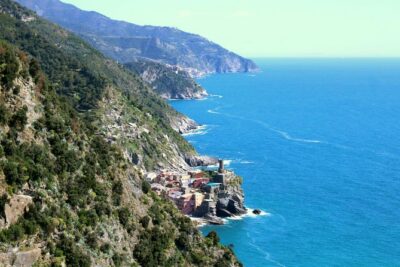 ★ 5.0Cinque Terre and Pisa Tower Tour from Florence Semi PrivateFrom $2851,406 reviews
 ★ 4.3From Florence: Private Chianti Hills Tour with TastingFrom $1,166809 reviews
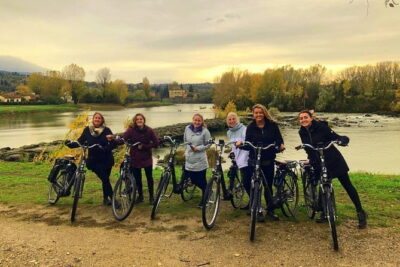 ★ 5.0Private Self-Guided E-Bike Ride in Tuscany with Vineyard VisitFrom $96775 reviews
 ★ 5.0Florence Private Transportation in RickshawFrom $47730 reviews
 ★ 4.5Private Uffizi Gallery Discovery Tour with TicketFrom $198657 reviews
 ★ 4.5Florence Exclusive PRIVATE Food Tour with 6 or 10 TastingsFrom $137654 reviews
 ★ 4.5Uffizi Highlights, In-Depth Masterclass or Private TourFrom $82641 reviews
 ★ 4.5Florence Vintage Bike Tour–guided, small group or private optionFrom $42524 reviews