
Florence field review · ACCADEMIA & DAVID EXPERIENCES
Florence: Private Accademia Gallery Tour
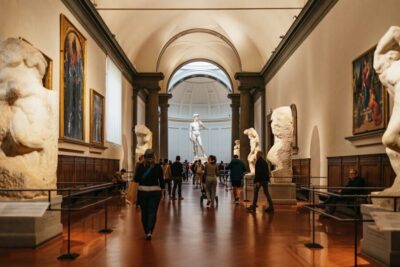
David, in real life, changes you. This private 2-hour Accademia visit is built around maximum impact, starting with Michelangelo’s David and then widening your view to the sculptures and artworks that explain how Renaissance artists thought. I especially love the way the guide turns famous statues into real, specific stories, and I also love the added stops like the plaster model room and the musical instruments collection. One heads-up, even with skip-the-line entry, you can still face a short wait at security, and the meeting spot is exact, so show up on time.
What you get here is a professional local guide and reserved entry, in a format that works well for first-timers. You will not be picked up from your hotel, so plan an easy walk or quick taxi to the Galleria area. If you hate crowds and long wandering, this is the kind of plan that keeps you moving with purpose.
The main draws, in plain terms
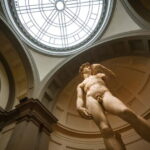
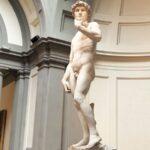
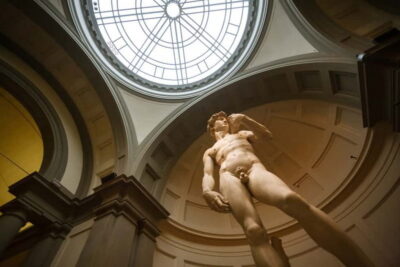
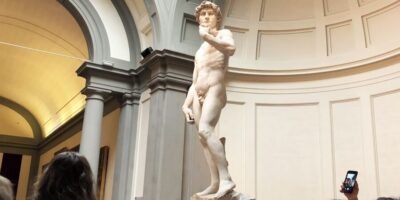
- Michelangelo’s David up close, plus time to absorb the details that most people miss
- The Pieta and the Slaves, so you see more than just one superstar statue
- Plaster Models Room by Lorenzo Bartolini, with 18th-century casts that show how artists studied form
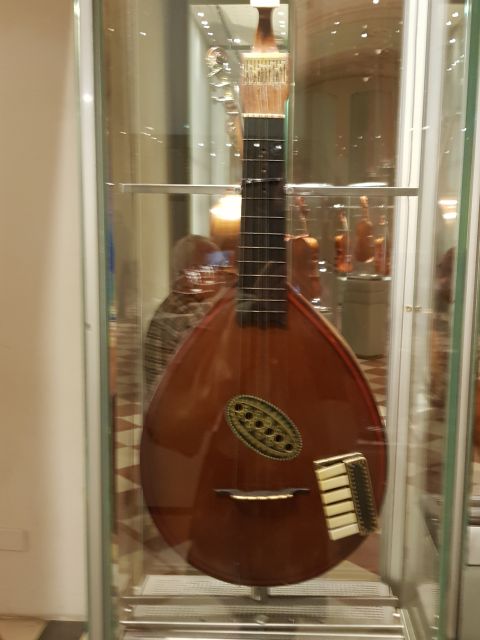
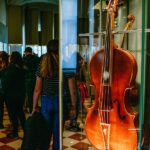
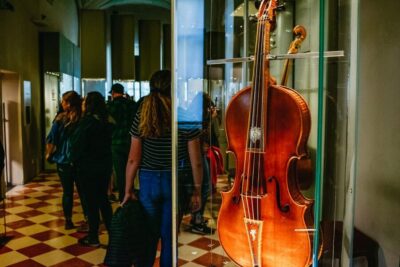
- Stradivari violins and rare instruments, including the first piano mentioned in the collection notes
- Lorenzo Monaco paintings and a Giotto fresco, which broaden the museum beyond sculpture
Compare the Accademia visits built around the original David
- Florence: Timed Entrance Ticket to Michelangelo’s David★ 4.6 · 16,983 reviews
- Florence: Michelangelo’s David Skip-the-Line Entry Ticket★ 4.5 · 12,764 reviews
- Florence Accademia Gallery Tour with Entrance Ticket Included★ 4.5 · 6,148 reviews
- Florence: Accademia Gallery Guided Tour★ 4.6 · 4,156 reviews
Accademia’s David, with the guide doing the heavy lifting

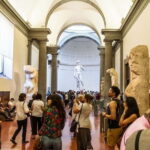
The Accademia Gallery is famous for one reason, and the tour respects that. You start by going straight to the most attention-grabbing work, Michelangelo’s David, with guided context so you do not just stare, you actually look.
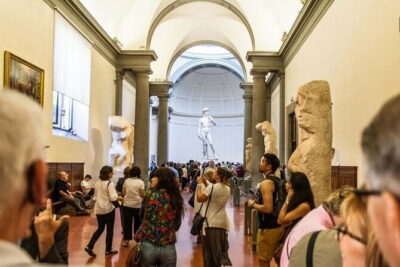
A short, focused stop helps. Instead of getting stuck in a long queue while your mind spins, the guide gives you a mental checklist for what to notice, like how the sculpture’s proportions and stance communicate strength and tension. You also get pacing, which matters here because the gallery can feel like a funnel of people trying to photograph the same angle.
Michelangelo’s David: what to look for and why it feels different
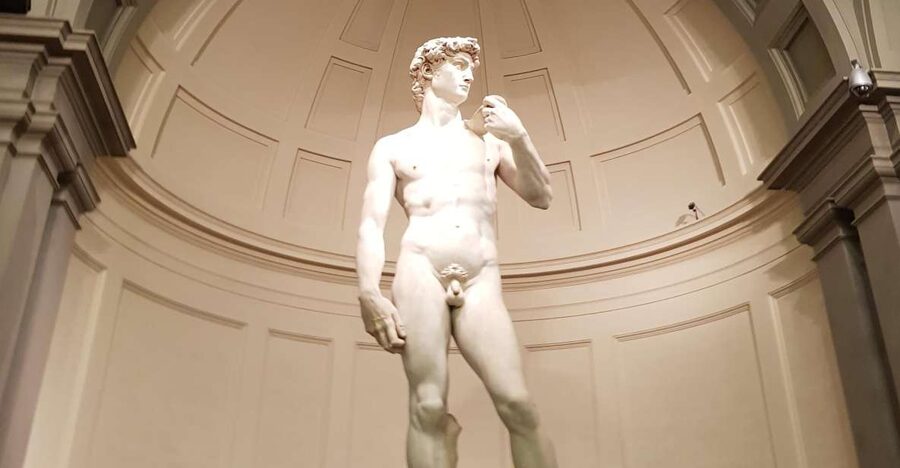
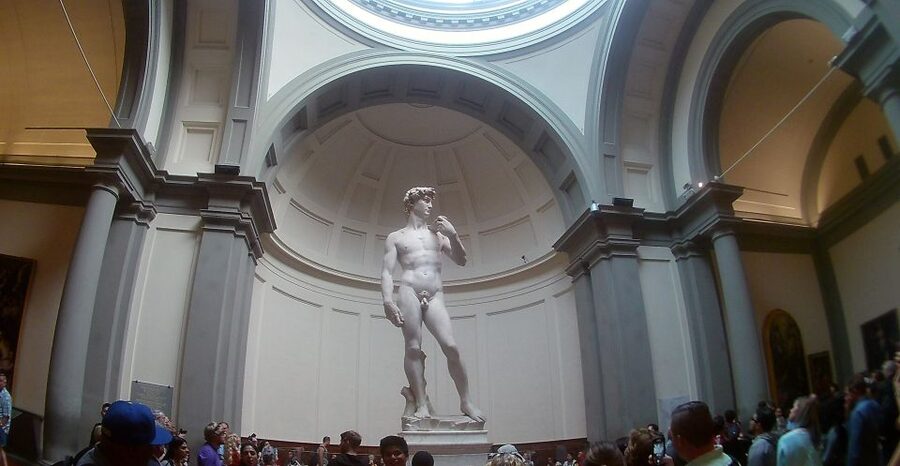
Seeing David in a museum is not the same as seeing him online. Up close, the scale and the carving choices become obvious fast, and the guide can point out what those choices are doing.
This is where a private format pays off. You can spend your minutes where you want them, and the guide can adjust on the fly, explaining the statue’s significance without burying you in trivia. If you get tempted to run straight to photos, you will still take them, but you will also get the why behind the wow.
Beyond David, the Michelangelo stops that actually change your perspective
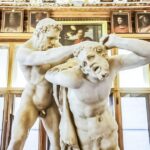
The best part of an Accademia tour is when it moves you past the headline. This one is designed to do that by weaving in other Michelangelo works, including the Pieta and the famous group of Slaves.
Why this matters: each statue shows Michelangelo using the same skills for different emotional goals. David is controlled power, the Pieta is devotion and sorrow, and the Slaves feel like bodies pulled from stone, not just posed in it. When you see them in sequence, you start to understand the sculptor’s range instead of treating the museum like a checklist.
The tour also mentions other Michelangelo works you may encounter, including San Matteo. Even if you do not spend equal time on each piece, knowing the names lets you read the rooms like a story rather than a pile of masterpieces.
The plaster casts room: Bartolini’s workshop approach in 18th-century form
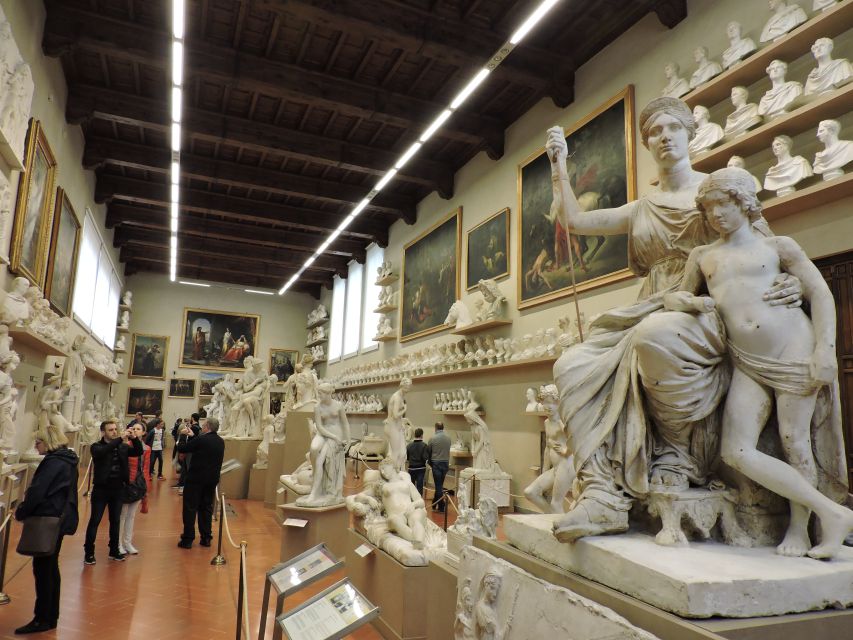
One of the most interesting sections is the Plaster Models Room, tied to the former workshop of Neoclassical artist Lorenzo Bartolini. You will see plaster casts from the 18th century, which is a smart way to understand how artists trained their eyes.
Here is the practical value for you: casts are not just copies. They show how forms were studied, repeated, and taught, which changes how you interpret the original sculptures. After you have looked at a plaster model, the real stone details can feel more intentional, like you are seeing the structure underneath the surface.
This section also helps break the “museum photo marathon” spell. Even if sculpture is your main goal, the casts give your brain a different kind of learning moment, more about understanding than staring.
Stradivari violins and the first piano story you did not expect
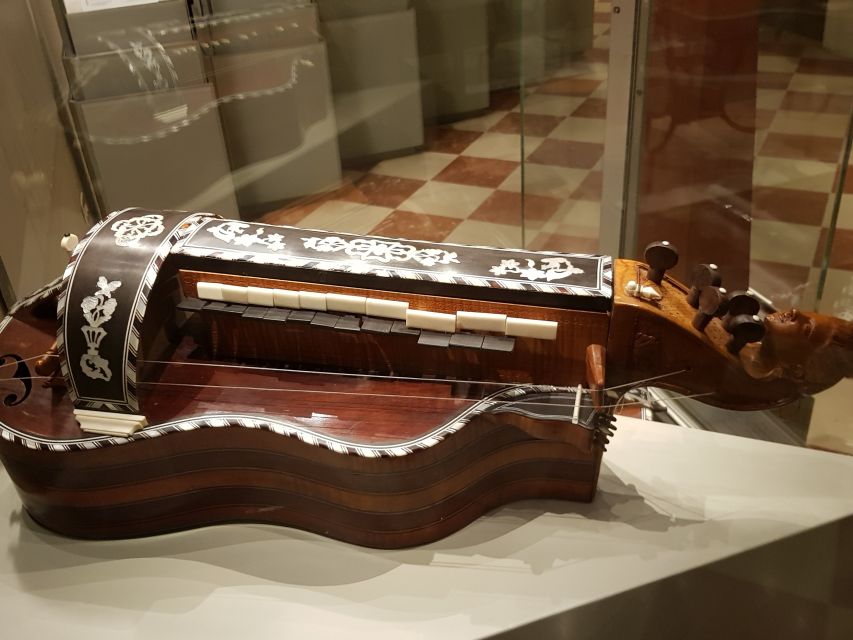
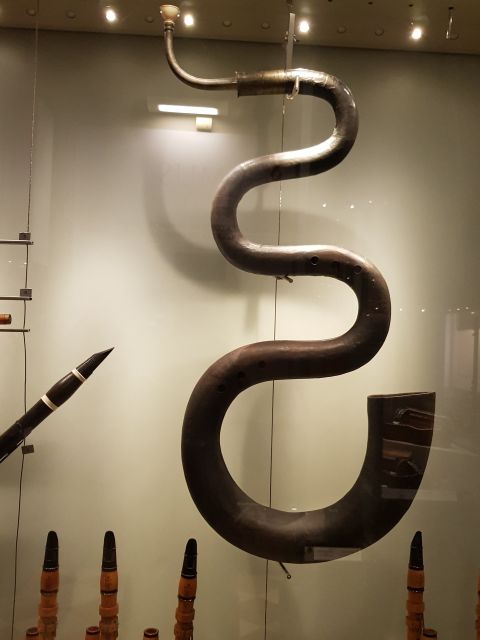
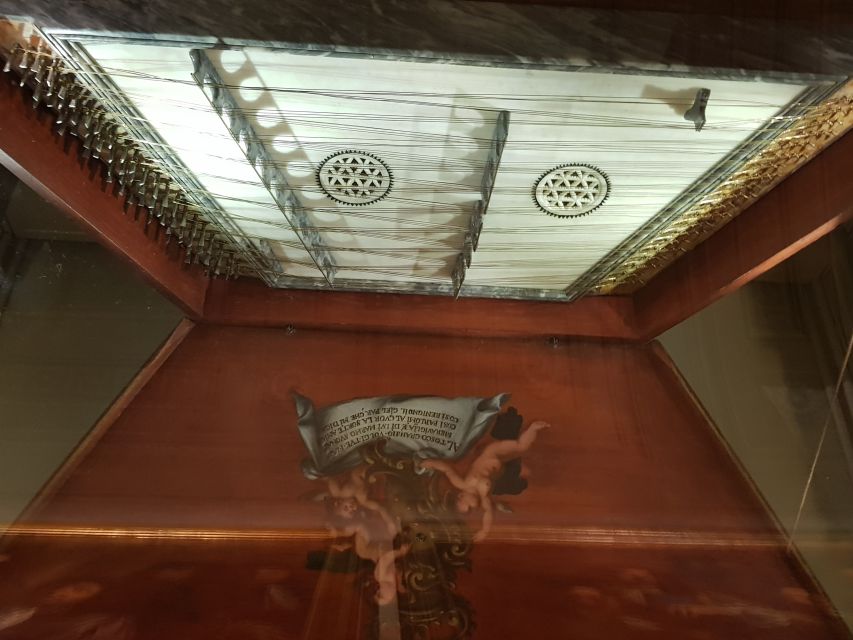
Accademia is not only sculpture. The Music Instruments Collection gives you a detour that feels surprising in the best way, including Stradivari violins and even the first piano mentioned as the earliest created in the world within this collection.
Why it works on a guided tour: your guide can connect the instruments to the same big themes you are seeing in art, like craftsmanship, materials, and the obsession with perfection. Even if you are not a musician, watching how instruments are described as rare objects helps you slow down and take in the details.
Also, this stop adds variety to the 2-hour schedule. If you usually find galleries exhausting, a section like this can reset your attention so the next sculpture does not blend into the last one.
Private Florence options for a day with fewer compromises


Paintings, gold leaf, lapis, and Giotto’s perspective moment
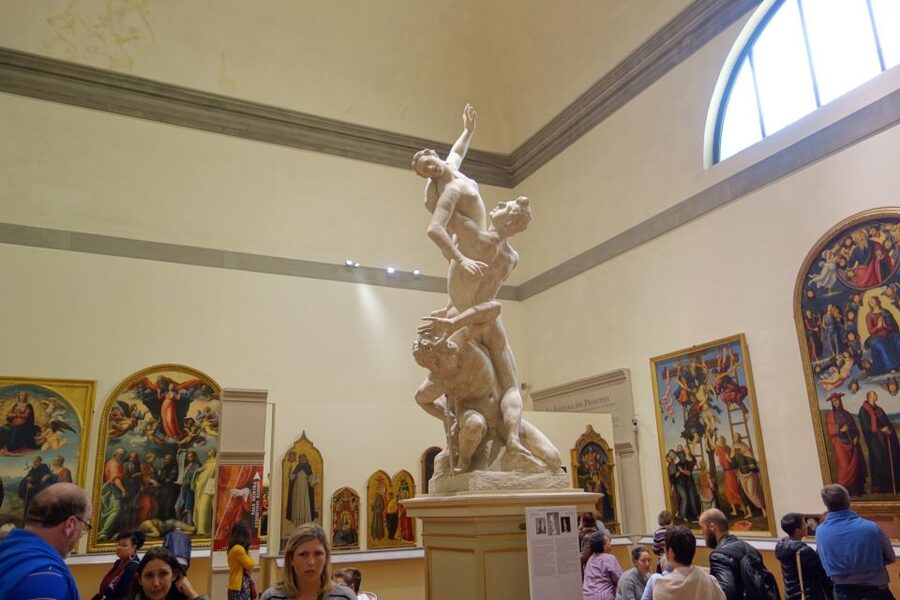
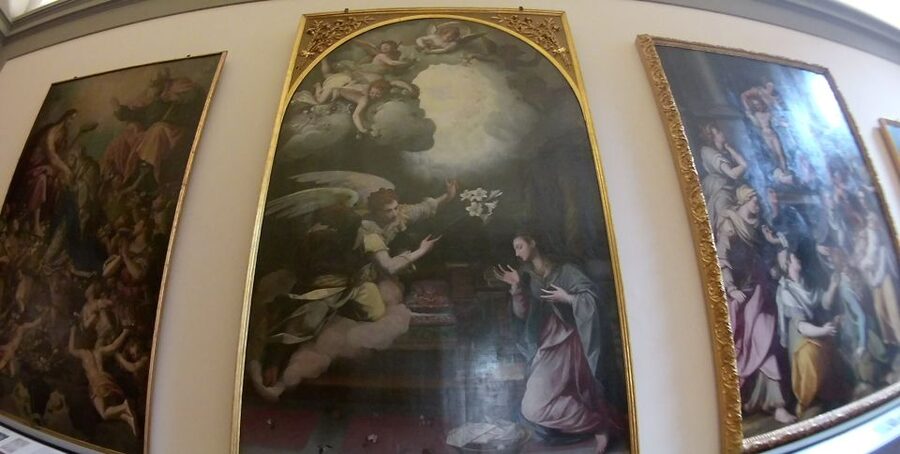
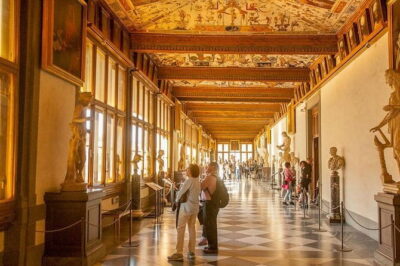
After the big names, you get paintings and additional art that round out what the museum contains. The tour description highlights artists such as Sandro Botticelli, Domenico Ghirlandaio, Pontormo, Andrea del Sarto, Giambologna, and others. Medici collecting is part of the story too, since many works were commissioned for and collected by that powerful family.
Then there is Lorenzo Monaco, whose paintings include examples noted for gold leaf decoration and lapislazzuli, the kind of luxury materials that made fashion in Florentine Middle Ages art. You can feel the difference between art that tries to impress with material richness and art that relies on emotion and composition. With a guide, you will likely notice those shifts faster.
And yes, there is also a Giotto fresco mentioned in the collection, described as an early work tied to a perspective concept. If you think of Florence as only Michelangelo, this is the correction that keeps the visit honest and fun.
How the tour timing makes the museum feel manageable
The total time is 2 hours, split into a short initial focus on David and then a longer block inside the Accademia Gallery. That pacing is not an accident. It helps you avoid the two common ways people suffer at museums: either they rush and miss meaning, or they wander until their feet and patience quit.
This tour also includes reserved entrance tickets. That does not erase every delay, because you can still wait some minutes for security metal detector checks. But it does reduce the worst waiting, and a guide helps you keep moving instead of getting stuck deciding what to do next.
No cloakrooms are available, so come light. If you are hauling bags or jackets, you will want a simple plan for what you can comfortably carry for a couple hours.
Where you meet matters more than you think
Meeting point details are specific here. The start is listed around Via Ricasoli 60/R, while the meeting location is given as Galleria Accademia, Via Ricasoli 68 Firenze.
That small difference can matter in Florence. If you arrive late or bounce between addresses, you can miss the start time even with skip-the-line entry already secured. My advice is simple: go to the meeting point early enough to confirm you are in the right spot, then wait close by.
Guide quality is the real product here
The ticket gets you entry. The guide gets you understanding.
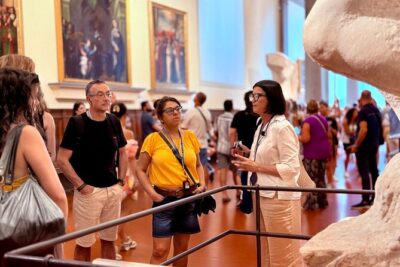
This tour is run by local professionals, and the languages offered include Spanish, English, French, German, Italian, Portuguese, Russian. That matters because the museum’s impact comes from the explanations as much as the objects. If you want art history in human size, you will likely appreciate a guide who connects the dots between the sculpture, the paintings, and the Medici context.
In the program’s record, guides such as Eleonora and Sonia have been highlighted for taking time to explain details carefully and for staying friendly while you ask questions. You should expect a calm pace and a clear focus on what you are seeing, not a sprint through the highlights.
Price and value: is $229 worth it for 2 hours?
At $229 per person for about 2 hours, this is not a budget option. The value comes from the combination of reserved entry plus a professional guide, in a private group setup.
Here is how to judge if it fits you:
- If you hate standing in lines and you want the main works explained well, the cost starts to make sense fast.
- If you enjoy slow independent exploring and you already know what you want to see, you might compare against do-it-yourself entry and a generic audio guide.
For many people, the “private” part is also about comfort. You get a plan that keeps the museum from feeling like a chaotic maze. You are paying to remove friction, not just to enter a building.
Who should book this Florence Accademia tour
This experience is a great match for:
- First-timers who want Michelangelo’s David without losing time
- People who want more than one famous statue, including the Slaves and Pieta
- Visitors who like structured sightseeing with a real guide, not just an app
- Anyone interested in how artists studied form, thanks to the plaster casts room
- Travelers who appreciate variety, since music instruments and paintings are part of the visit
If you only care about David and you enjoy crowds and self-guided scanning, you might decide to go independently. But if you want the museum to make sense as you go, this guide-led format is the easier path.
Should you book this private Accademia Gallery tour?
Yes, if your goal is to see the big Michelangelo works and come away feeling like you understand what you saw. The reserved entry and time-saving structure are worth it in a museum that draws heavy crowds, and the added stops, like Bartolini’s plaster models and the Stradivari instruments, give you a more complete Accademia story than David alone.
Book it especially if you value clear explanations and you want a plan that does not require you to figure everything out on the fly. Just arrive at the meeting point early, bring an ID card, and expect a brief security wait even with skip-the-line entry.
FAQ
How long is the Florence Accademia Gallery private tour?
The tour lasts 2 hours.
Where is the meeting point?
The meeting point is Galleria Accademia, Via Ricasoli 68 Firenze.
Is hotel pickup included?
No, pickup from your hotel is not included.
What is included in the price?
You get a professional local guide and entrance tickets with reservation.
Does the tour skip the ticket line?
Yes, it includes skip-the-ticket-line entry. Note that you might still wait some minutes due to metal detector security controls.
What languages is the live guide available in?
The guide is available in Spanish, English, French, German, Italian, Portuguese, Russian.
Is the tour wheelchair accessible?
Yes, the tour is wheelchair accessible.
What should I bring to enter the museum?
Bring a passport or ID card.
What happens on the first Sunday of each month?
Entrance is free, but tickets cannot be reserved ahead of time, so entry is not guaranteed.
Is there free cancellation and a pay-later option?
Yes. You can cancel up to 24 hours in advance for a full refund, and you can reserve now and pay later.
More Florence tours to open next
- The Best tour in Florence: Renaissance & Medici Tales – guided by a STORYTELLER
★ 5.0 · 12,316 reviews

Every Florence review, in one place
- Tuscany Day Trip from Florence: Siena, San Gimignano, Pisa and Lunch at a Winery
★ 5.0 · 21,634 reviews - The Best tour in Florence: Renaissance & Medici Tales – guided by a STORYTELLER
★ 5.0 · 12,316 reviews

David and the Accademia, compared
Florence picks that sit just beyond this itinerary
- One Hour Uffizi Guided Tour: Masterpieces of the Renaissance
★ 5.0 · 3 reviews - Sightseeing Tuscany by touring bike – 1 day rental
★ 5.0 · 3 reviews - Private Siena, S. Gimignano, Chianti Road and Wine Tasting
★ 5.0 · 3 reviews - Bargello Museum Private Tour: Michelangelo’s Bacchus & Donatello’s David
★ 5.0 · 3 reviews - Authentic Florence Cooking Class at Costanza’s 1839 Family Estate
★ 5.0 · 3 reviews - San Gimignano and Volterra private tour: etruscans, romans and middle age jewels
★ 5.0 · 3 reviews
More Accademia & David Experiences worth comparing.
 ★ 4.6Timed Entrance Ticket to Michelangelo’s DavidFrom $2616,983 reviews
 ★ 4.5Michelangelo’s David Skip-the-Line Entry TicketFrom $4512,764 reviews
 ★ 4.5Florence Accademia Gallery Tour with Entrance Ticket IncludedFrom $456,148 reviews
Accademia Gallery Guided TourFrom $534,156 reviews
★ 4.5Florence Accademia Gallery Tour with Entrance Ticket IncludedFrom $456,148 reviews
Accademia Gallery Guided TourFrom $534,156 reviews
 ★ 4.6Timed Entry Ticket to Michelangelo’s David & eBookFrom $374,049 reviews
 ★ 4.5Skip the line: Uffizi and Accademia Small Group Walking TourFrom $1483,135 reviews
 ★ 4.5Skip-the-Line Accademia Guided TourFrom $432,327 reviews
 ★ 4.6Accademia Gallery Guided Tour with Entry TicketFrom $492,253 reviews
Find this experience in another shortlist