
Florence field review · FLORENCE PASTA, PIZZA & GELATO CLASSES
Florence: Pasta and Tiramisu Cooking Class with Local Host
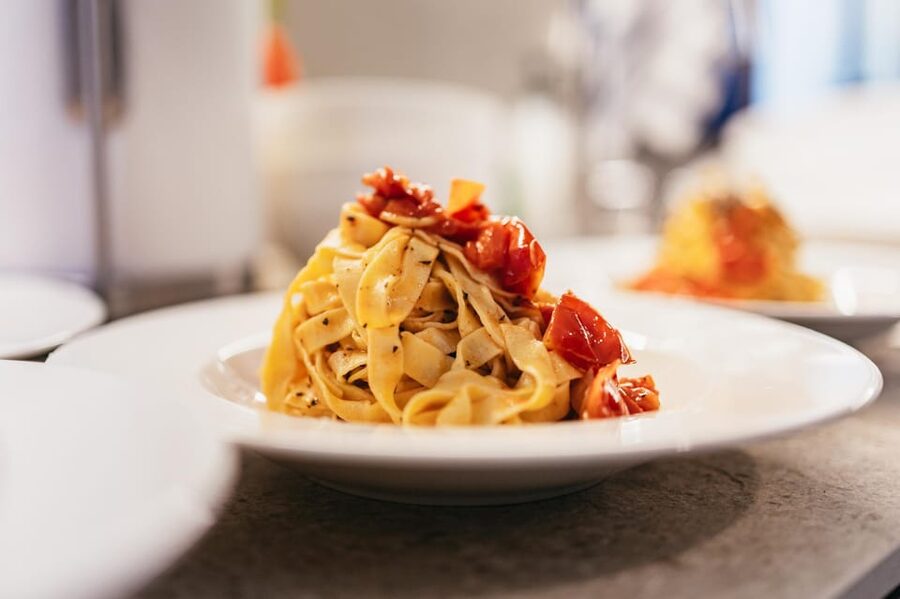
You cook in a real Florentine home. This pasta and tiramisu class turns a normal evening into a hands-on lesson, with fresh pasta and tiramisu as the main event. I like that the vibe is genuinely personal, too, with warm hosts such as Marina helping set the tone.
I also like the structure. With a small group (limited to 8), you get better attention while you roll, shape, and layer, and the aperitivo plus local wine makes the meal feel like part of the lesson, not an afterthought. The day ends with coffee, so you finish the full Italian arc.
One consideration: there is no hotel pickup. You meet at your host’s home, and the exact address and host contact info are shared after booking, so plan your route and give yourself a little buffer.
Key things to know
- Local home setting: you cook in the host’s house, not a commercial kitchen
- Small group size (up to 8): more hands-on feedback while you make dough and layers
- Two pasta shapes plus tiramisu: you do both savory and dessert from scratch
- Aperitivo, then wine with lunch: you taste alongside what you cook
- English or Italian instruction: taught by an Italian, English-speaking host
- Hands-on work, not watching: rolling pasta dough by hand is part of the core experience
Roll, knead and churn through the Florence cooking-class shortlist
- Florence: Pasta Cooking Class with Unlimited Wine★ 4.9 · 10,285 reviews
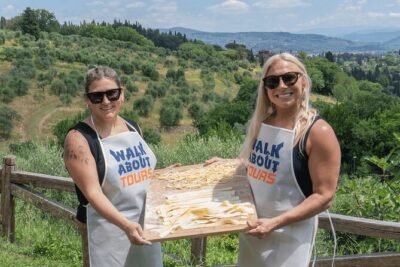
- Florence Pizza or Pasta Class with Gelato Making at a Tuscan Farm★ 5.0 · 6,801 reviews
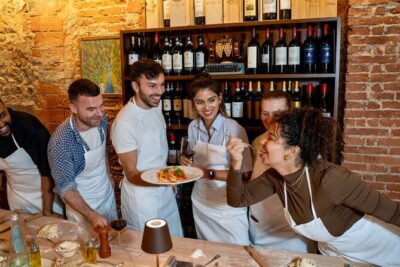
- Florence: Pasta & Tiramisu Cooking Class with Unlimited Wine★ 4.9 · 6,708 reviews
- Florence: Pasta Cooking Class with Unlimited Wine★ 5.0 · 6,413 reviews
Why This Florence Cooking Class Feels Like Real Life
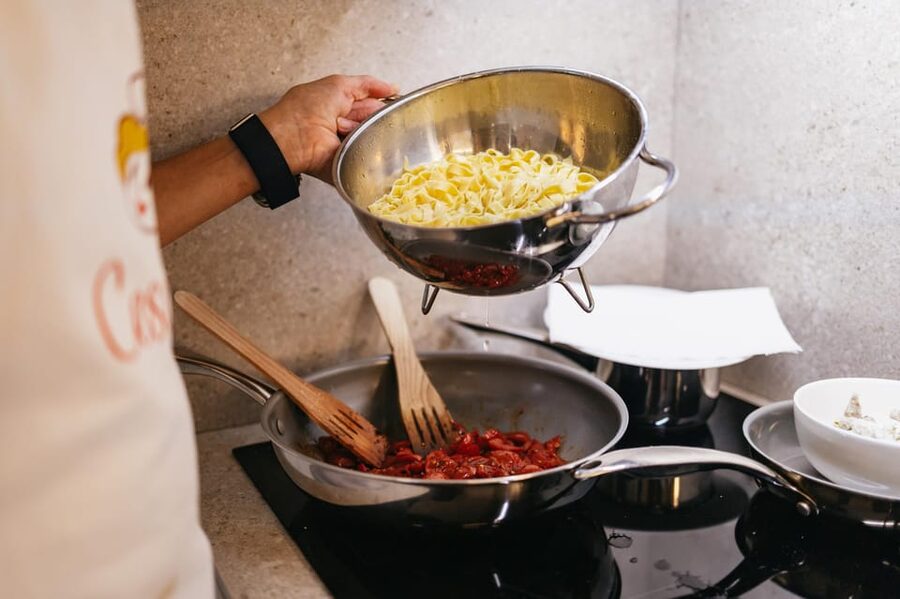
Florence has no shortage of food tours, but this one is different because you step inside a local home. You are not just learning recipes, you are learning the rhythm of how Italians cook, eat, and talk while doing it.
What makes it work is the focus on fundamentals. You’ll start with fresh dough, learn how to roll it by hand, and then translate that into two traditional shapes. Then dessert takes over, and the tiramisu lesson is all about getting the layers right and understanding what makes it melt-in-your-mouth good.
This is also run through Cesarine, which is designed around bringing you together with a local host. Past experiences have featured hosts such as Paulo and Christina, Roberta, Donatella, Barbara, Melani, Cecilia, Luca, Marina, and Carlo. Different personalities show up, but the common thread is the same: you leave with technique you can repeat at home, plus stories about local culture that naturally fit into the meal.
Your 3 Hours in a Real Florentine Kitchen
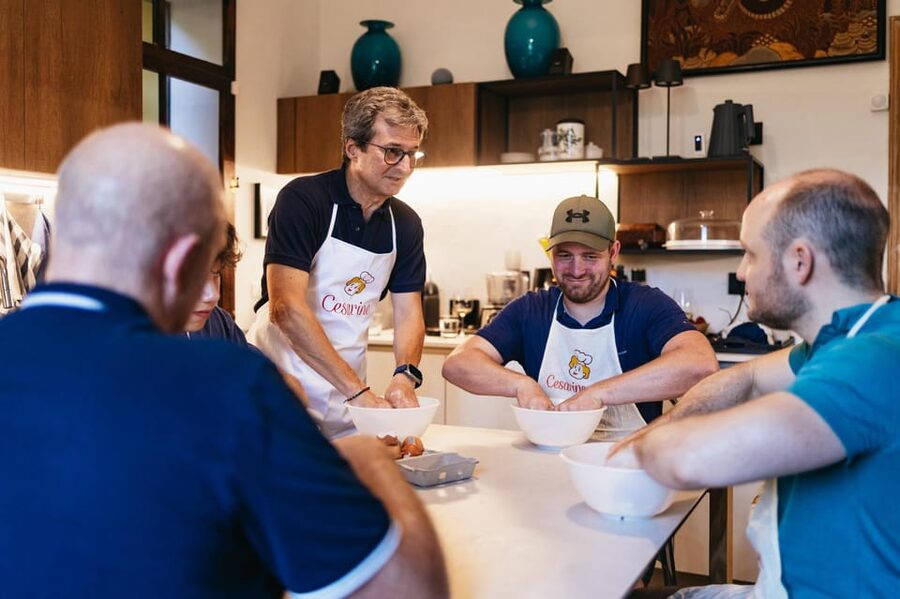
The class runs about 3 hours, and it typically follows a simple, logical flow. You start with an aperitivo, then move into pasta-making, then end with tiramisu and eating what you made, paired with wine.
That timing matters because pasta dough and tiramisu both have a “timing feel.” Fresh pasta is about feel and texture as you roll and shape. Tiramisu is about layering and soaking, and it benefits from understanding what “ready” looks like. In a short class, you learn what to watch for, not just what to do.
A typical arc looks like this:
- You arrive at the host’s home and settle in with an aperitivo
- You learn to roll and handle fresh pasta dough by hand
- You make two pasta shapes, with guidance as you work
- You prepare tiramisu layers using the right approach and pacing
- You sit down to eat your pasta and tiramisu, with a selection of local wines, plus coffee
One practical upside: you walk away fed. Lunch is included, and it is the actual food you helped make.
Aperitivo First, So You Learn Like a Guest
The aperitivo part is not fluff. It is your warm-up, and it sets you up to cook without feeling rushed. You sip, you chat, and you get the kind of cultural context that usually only happens when people are comfortable in their own space.
This is also when the host tends to share the “why” behind the food. In past sessions, hosts have been described as super passionate, interested in the group, and genuinely friendly. You might also get a bit of local flavor in the conversation, since the host’s stories naturally connect to why pasta shapes matter and how tiramisu became a classic.
And yes, the home atmosphere can be part of the charm. One guest noted a very cute pup making an appearance, which says a lot about the comfortable, everyday feel of the evening.
Fresh Pasta Dough: Rolling by Hand and Knowing What Good Looks Like
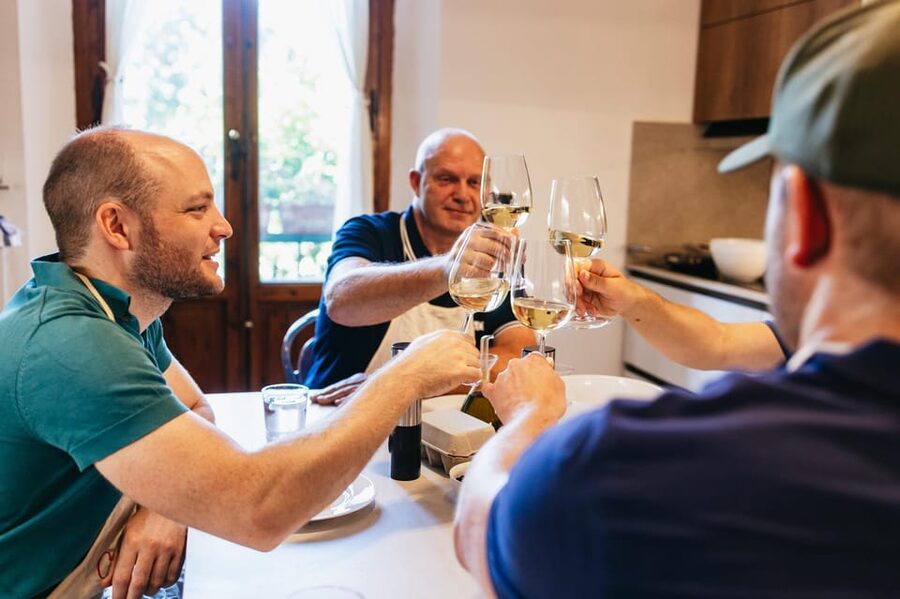
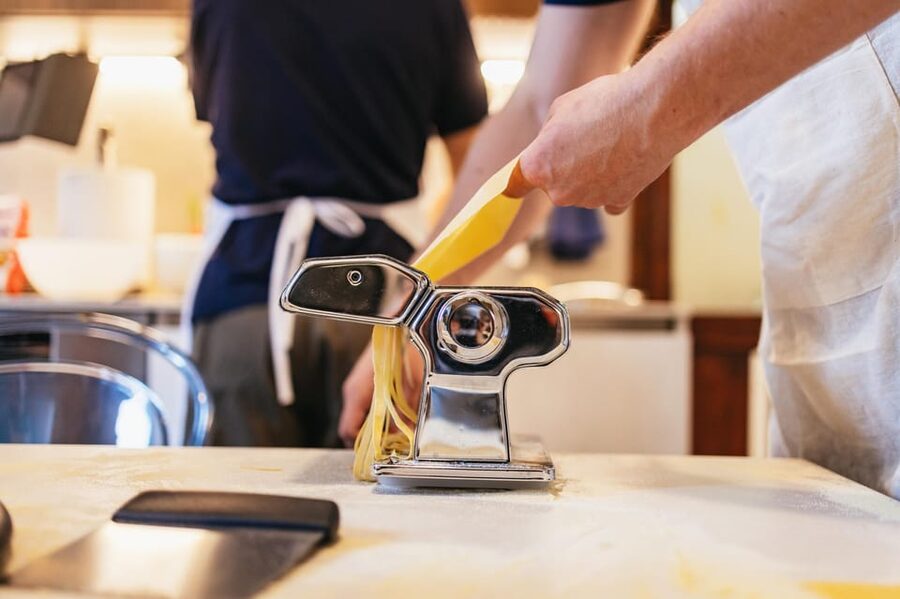
The pasta portion is the skill anchor of the night. You’ll learn how to roll fresh pasta dough by hand, and that matters because it is how you understand the texture instead of just following steps.
When you roll dough, you are managing thickness, consistency, and elasticity. Too thick and it feels heavy. Too thin and it can turn fragile. The class helps you learn what “right” feels like as you work, and that is what makes the technique portable. Later, when you cook at home, you can trust your hands.
You will also make two different traditional shapes. That variety is smart because it forces you to apply the same dough knowledge in two ways. Some guests have specifically mentioned ravioli-style steps, which lines up with the idea of learning shape technique, folding, and finishing, not just cutting pasta sheets.
Practical takeaway for you: if you have never worked with fresh dough, go in expecting it to feel awkward for a few minutes. That is normal. The class is designed around guided practice, and because the group is small, you can get corrections early, not after you finish the whole batch.
Two Pasta Shapes: Why Learning Variety Changes Everything
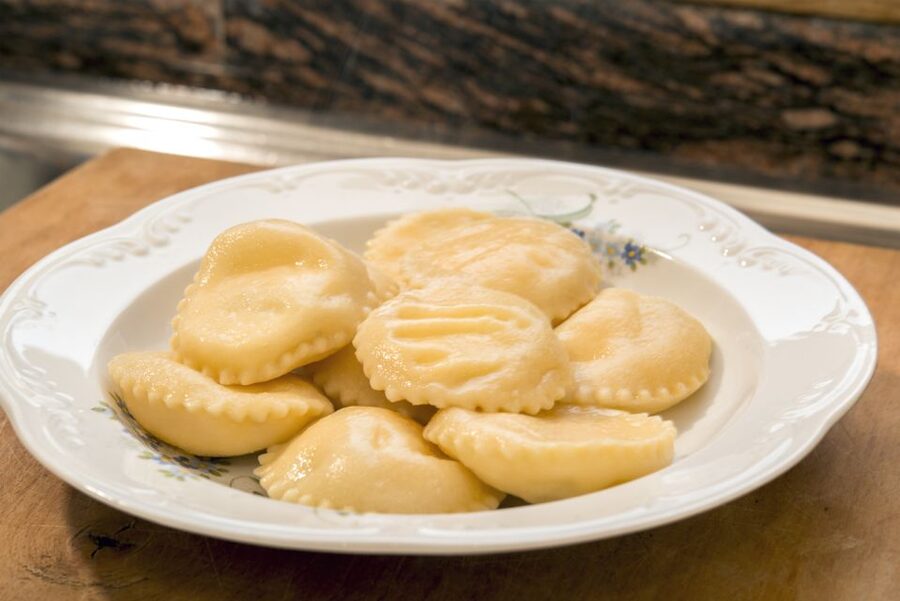
It is one thing to learn one pasta shape. It is another to learn two. The second shape improves your confidence because you quickly see how dough behaves after shaping, and you learn what different forms need to look like.
In this class, the goal is not fancy plating. It is traditional execution. The host’s step-by-step coaching helps you understand how to handle edges, keep the shape intact, and finish the pasta correctly.
This is where the small group really pays off. With limited spots, your host can watch your specific technique and correct your hand position or thickness. You also get a chance to compare notes with other participants, which makes you feel less like you are fumbling alone.
If you’re traveling solo or as a couple, you’ll probably enjoy this more than a larger class. It is still social, but the attention stays on your dough and your hands.
Florence cooking classes beyond the first bowl of pasta
Tiramisu: Getting the Layers and the Texture Right
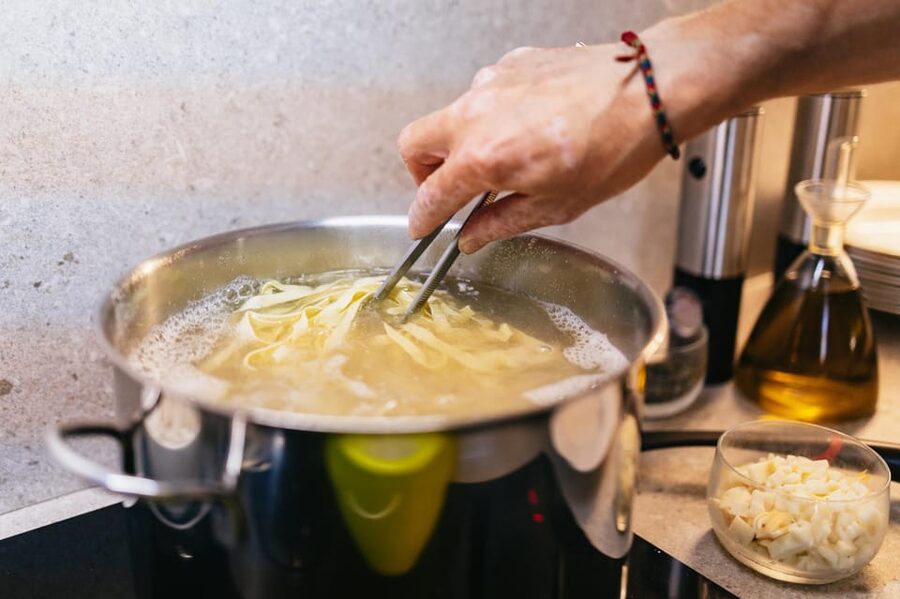
Then comes tiramisu, and this is where many people realize that the dessert is more technical than it looks. The class teaches you how to build the layers, and it focuses on the approach that creates that melt-in-your-mouth feel.
Tiramisu has a few moving parts: the cream base, the assembly layers, and the soaking. The soaking part is subtle. You want enough coffee flavor to come through, but you do not want it to turn watery or collapse the structure. That is why learning the steps in a paced way matters.
Guests often highlight the host’s clear, patient walkthrough for tiramisu. For example, Luca has been described as taking people step by step through the process, and Donatella has been noted for making a home environment where you could still have fun while you learned. Carlo also came up in stories for being kind and patient, and for adjusting a sauce when someone had a dietary issue.
You should go in ready to pay attention. You are not just assembling. You are practicing timing and texture, and then you get to taste the result with your meal.
Lunch and Wine: Turning Cooking Into a Meal You Remember
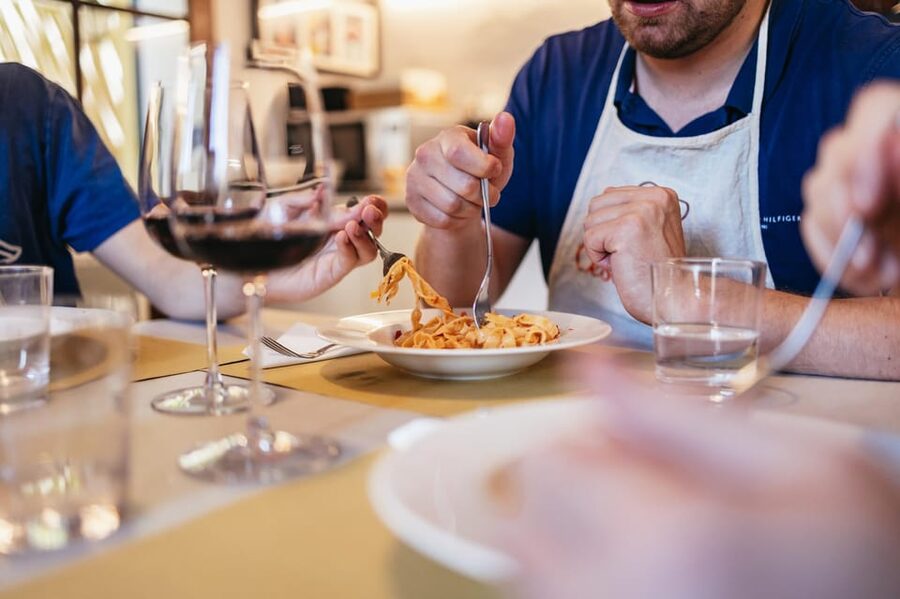
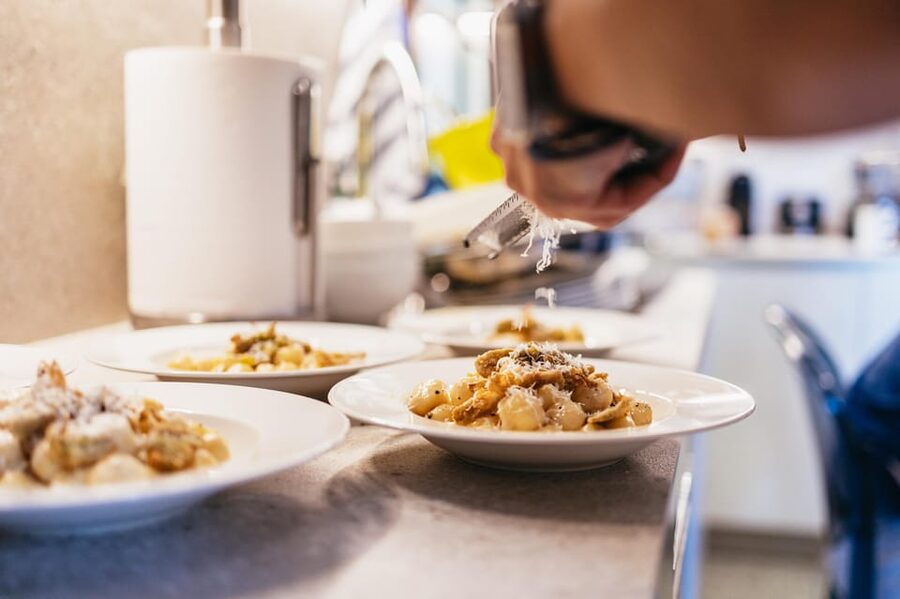
The payoff is sitting down to eat what you made. Your lunch includes the pasta and tiramisu you created, and you get a selection of excellent local wine.
This pairing is valuable for two reasons. First, the wine helps you experience the meal as Italians do: cooking and eating are linked. Second, your palate resets after working with dough. You stop thinking about technique and start tasting balance.
Aperitivo before cooking also helps you settle in. Past guests have praised the wine as great, and that lines up with the idea of a proper, relaxed meal at the end. Coffee is also included, which helps close the loop, especially after dessert.
If you enjoy food tourism, not just food sampling, this is a solid format. You practice skills, then immediately apply them at the table.
The Hosts: Passion, Patience, and a Home-Style Welcome
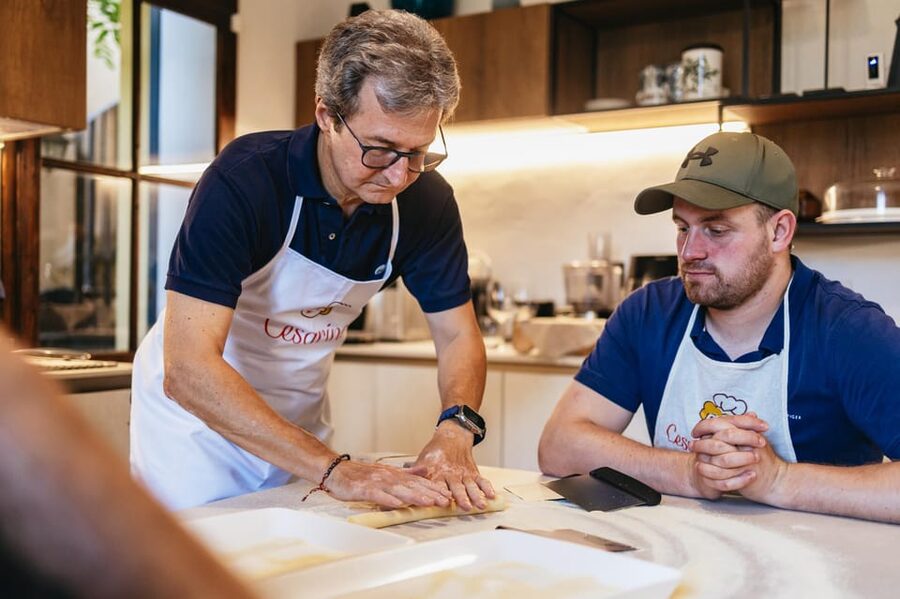
What really elevates this class is how hosts show up. The stories point again and again to hosts who are friendly, engaged, and genuinely excited to teach.
You might meet hosts like:
- Marina, praised for being hospitable and knowledgeable, with an easy conversation flow
- Luca, described as guiding people step by step
- Roberta, mentioned as making guests feel like family
- Donatella, who even handled family dynamics in the room, giving a child tasks to keep things fun
- Carlo, noted for kindness and patience, plus a sauce adjustment for a dietary issue
Even the smaller touches matter. One guest enjoyed a welcoming home and mentioned how clean and inviting the space felt. Another guest talked about treated like royalty, which matches the overall theme: you walk into someone’s life for a few hours, and they make it feel special without being stiff.
From your point of view, that matters because you are more likely to remember what you learned when the experience feels comfortable. Fear of getting it wrong shuts people down. A supportive host keeps you moving.
Logistics That Affect Your Experience (In a Good Way)
Because this is in a local home, the logistics are straightforward but not invisible.
You meet at your host’s home, and the exact address plus host name and mobile number are sent after booking for privacy reasons. There is no hotel pickup, so you are responsible for getting there and back.
This is not a dealbreaker, but it is a key planning point. Florence streets can be confusing if you are relying on shortcuts, so give yourself extra time. Also, the class is only 3 hours, so arriving late can squeeze your hands-on time.
One more practical note: this is hands-on. You will be rolling dough by hand and assembling dessert layers. Wear comfortable clothes that can handle a bit of flour dust, and bring a good attitude about learning.
Price and Value: Is $134.81 Worth It?
At $134.81 per person for a 3-hour session, the value comes from what is included, not just the instruction.
You are getting:
- A cooking class with a local host
- An Italian aperitivo
- Equipment and ingredients
- Lunch of pasta and tiramisu
- Wine
- Coffee
- Small group learning for up to 8 people
Most cooking experiences charge separately for food or drinks, or they keep portions small. Here, your meal is part of the price, and you get to taste the exact results of what you made. That makes it easier to feel you got your money’s worth quickly, even if you are not a “kitchen person.”
It also helps that the class includes both pasta and tiramisu. Many cooking sessions focus on one dish. Here, you leave with two big Italian staples and the confidence to recreate them.
The one thing that could affect perceived value is if you simply want to eat, not learn. If your priority is sampling lots of different spots in Florence, you may prefer a food tour. But if you want a skill-based experience that ends with a full meal, the price is fairly aligned with that.
Who Should Book This Pasta and Tiramisu Class
This experience is best for people who enjoy hands-on learning and want to understand technique, not just collect recipes.
You’ll likely love it if you:
- Want a small-group class (up to 8) rather than a crowd
- Like learning in context, by cooking and eating the same night
- Enjoy Italian classics and want to make both pasta and tiramisu
- Prefer local-host hospitality over a showroom-style tour
It may not be the best fit if:
- You strongly need hotel pickup or step-by-step navigation from a guide for getting to the meeting point
- You are only interested in tasting, with no desire to get flour on your hands
- You dislike residential settings, since you are going into a private home kitchen
Should You Book? My Take
If you want an authentic Florence night that ends with a real meal, book it. This class gives you something cooking tours rarely manage: actual skills you can repeat later, plus wine and lunch that feel earned.
The small group limit is the big confidence booster. You are not just part of a line. You are working alongside a host who can guide your dough and your layers. Add in hosts like Marina, Luca, Roberta, Donatella, Barbara, Melani, Cecilia, and Carlo who have shown up as warm, attentive teachers, and it’s easy to see why the experience consistently lands well.
Just plan on meeting at the host’s home and handling your own route. If you can do that, you will come away with a memorable Florence moment, and a pasta and tiramisu routine you can bring back home.
FAQ
How long is the cooking class?
The experience lasts about 3 hours. Starting times vary, so check availability for the schedule.
How many people are in the group?
It is a small group limited to 8 participants.
What dishes will I learn to make?
You’ll learn to make fresh Italian pasta, including two different traditional shapes, and you’ll also make tiramisu.
Is there food and wine included?
Yes. You get an Italian aperitivo and a lunch made from the pasta and tiramisu you prepare. Wine is included with the meal, along with coffee.
Where do we meet, and is there hotel pickup?
You meet at your local host’s home. Hotel pickup and drop-off are not included.
What languages will the instructor use?
The class instruction is offered in Italian and English.
What is included besides the cooking itself?
Equipment and ingredients are included, along with the aperitivo, lunch, wine, and coffee.
Is there a cancellation option or pay-later option?
Yes. You can cancel up to 24 hours in advance for a full refund. You can also reserve now and pay later to keep your plans flexible.
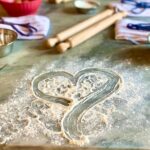
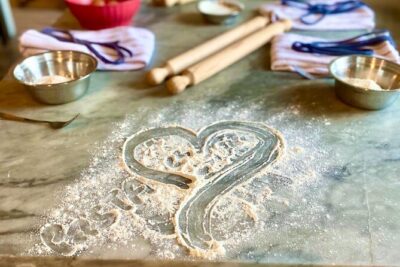
Flour on the Florence worktop
- Cooking Class and Lunch at a Tuscan Farmhouse with Local Market Tour from Florence
★ 5.0 · 4,831 reviews
Every Florence review, in one place
- Tuscany Day Trip from Florence: Siena, San Gimignano, Pisa and Lunch at a Winery
★ 5.0 · 21,634 reviews - The Best tour in Florence: Renaissance & Medici Tales – guided by a STORYTELLER
★ 5.0 · 12,316 reviews





Cook it before you order it
- Cooking Class and Lunch at a Tuscan Farmhouse with Local Market Tour from Florence
★ 5.0 · 4,831 reviews
Florence picks that sit just beyond this itinerary
- One Hour Uffizi Guided Tour: Masterpieces of the Renaissance
★ 5.0 · 3 reviews - Sightseeing Tuscany by touring bike – 1 day rental
★ 5.0 · 3 reviews - Private Siena, S. Gimignano, Chianti Road and Wine Tasting
★ 5.0 · 3 reviews - Bargello Museum Private Tour: Michelangelo’s Bacchus & Donatello’s David
★ 5.0 · 3 reviews - Authentic Florence Cooking Class at Costanza’s 1839 Family Estate
★ 5.0 · 3 reviews - San Gimignano and Volterra private tour: etruscans, romans and middle age jewels
★ 5.0 · 3 reviews
More Florence Pasta, Pizza & Gelato Classes worth comparing.
 ★ 4.9Pasta Cooking Class with Unlimited WineFrom $2110,285 reviews
 ★ 5.0Florence Pizza or Pasta Class with Gelato Making at a Tuscan FarmFrom $1456,801 reviews
 ★ 4.9Pasta & Tiramisu Cooking Class with Unlimited WineFrom $566,708 reviews
★ 5.0Pasta Cooking Class with Unlimited Wine6,413 reviews
★ 4.9Pasta & Tiramisu Cooking Class with Unlimited WineFrom $566,708 reviews
★ 5.0Pasta Cooking Class with Unlimited Wine6,413 reviews
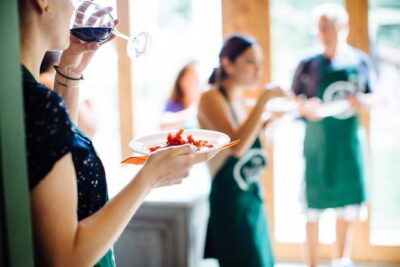 ★ 5.0Cooking Class and Lunch at a Tuscan Farmhouse with Local Market Tour from FlorenceFrom $1454,831 reviews
 ★ 5.0Pastamania – Florence Pasta Making ClassFrom $493,050 reviews
 ★ 5.0Cooking Class Pasta & Tiramisu Making Unlimited WineFrom $892,234 reviews
 ★ 5.0Florence Cooking Class The Art of Making Gelato & Authentic PizzaFrom $642,053 reviews
Find this experience in another shortlist