
Florence field review · MUSEUMS
Florence: 1.5-Hour Bargello Museum Private Tour
Sculpture meets a medieval fortress. A private 1.5-hour visit to Florence’s Bargello Museum in a fortified palace helps you see Renaissance masterpieces in a way that actually makes sense, with skip-the-line entry and a private guide at your side. You’ll focus on major works, not just wander hall to hall.
I also like how the guide sets a calm pace. In the same 90 minutes, you get clear context for names like Donatello, Michelangelo, Giambologna, Cellini, and Verrocchio, plus visual “how to look” tips that make each sculpture feel sharper. One possible drawback is simple: it is not suitable for people with mobility impairments.
Key things to know before you go
- Pre-reserved entry means you skip the ticket line and start looking sooner
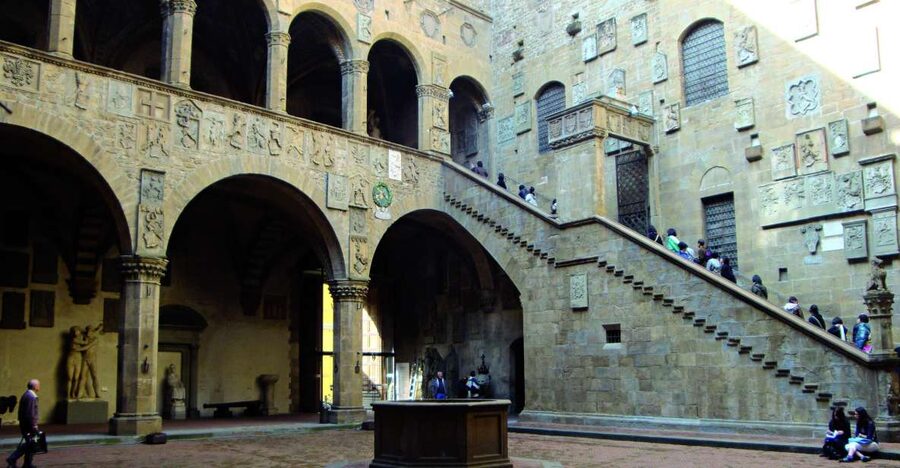
- A palace setting from 1255 adds texture beyond the art, including an impressive courtyard and battlements
- Big-name sculpture in a short time includes Donatello’s David and St. George, plus Michelangelo’s Bacchus
- Bronze and movement are front and center with Giambologna’s Mercury
- Della Robbia glazed terra-cotta brings a different material and mood than marble and bronze
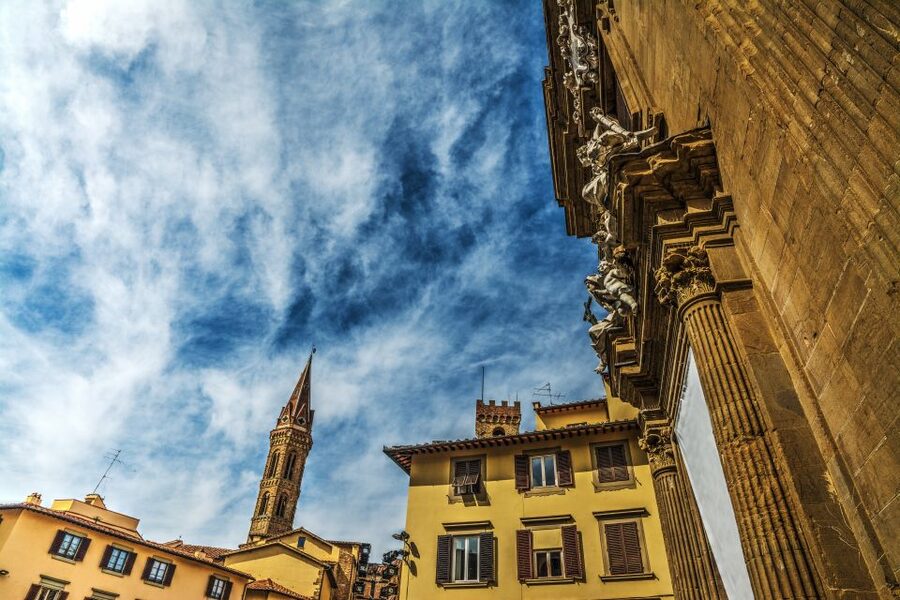
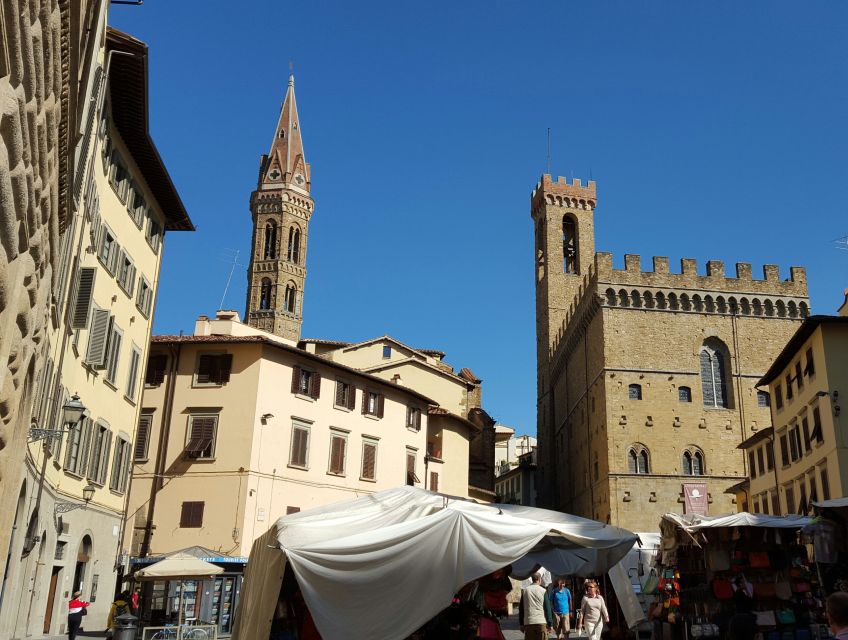
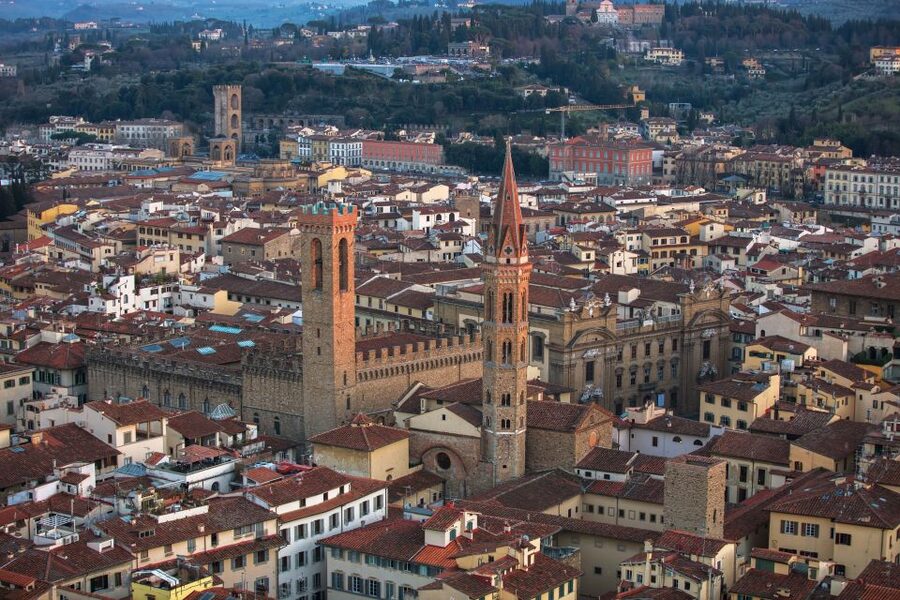
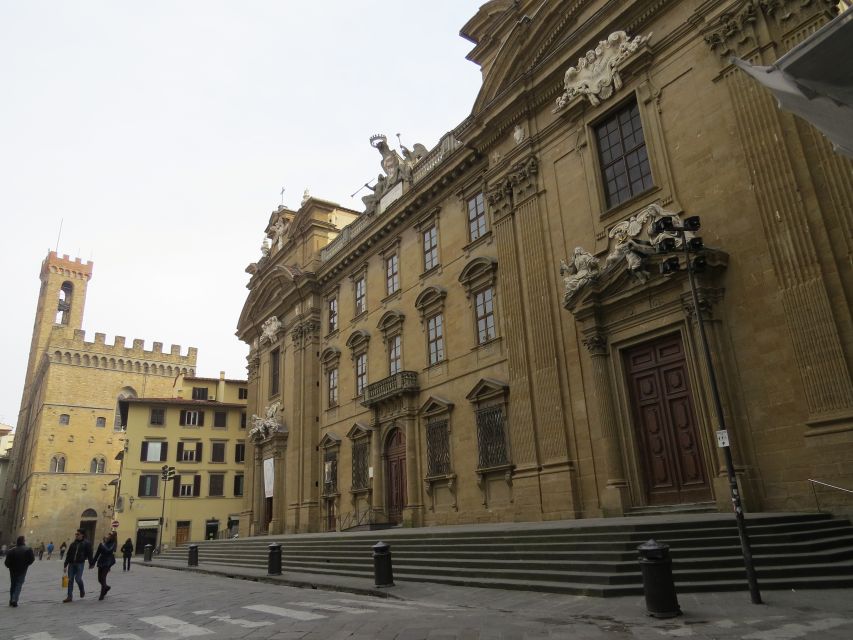
- A quick Florence tie-in outside includes San Firenze Square and an exterior look at Badia Fiorentina’s hexagonal bell tower
Private Florence options for a day with fewer compromises
- Cinque Terre and Pisa Tower Tour from Florence Semi Private★ 5.0 · 1,406 reviews
- From Florence: Private Chianti Hills Tour with Tasting★ 4.3 · 809 reviews
- Private Self-Guided E-Bike Ride in Tuscany with Vineyard Visit★ 5.0 · 775 reviews
- Florence Private Transportation in Rickshaw★ 5.0 · 730 reviews
Bargello Museum in a fortified palace courtyard (1255 vibes)
The Bargello Museum is not housed in some plain modern box. It sits inside a fortified palace that dates back to 1255, so even before the sculpture starts, you’re already in a different Florence mood. The courtyard and the embattled structure give you a sense of weight, like you’re walking through history that still has muscle.
Your guide points out details that you might otherwise miss. For example, you’ll hear where the palace name comes from, tied to the bargello, the master of the guards who presided here in the 1500s. You’ll also get a reference to a hook used for hangings, a small trace that makes the building feel lived-in rather than museum-clean.
This matters because the Bargello is all about sculpture, and sculpture loves context. When you see the works in a space that feels defensive and old, the Renaissance masterpieces start to feel even more purposeful, like this art had to earn its place.
The 9:00 AM private format, pace control, and skipping the ticket line
This is a private tour, so you’re not sharing a guide with a busload of people. That changes how the 1.5 hours feel. You can ask questions, change your focus on the fly, and spend extra moments where something grabs you, like a specific pose, texture, or surface.
The pre-reserved entrance ticket is a real advantage. Instead of lining up and losing momentum, you get skip-the-line entry and start with fewer distractions. It’s one of those travel wins that sounds small, then saves your energy right when you want it most.
Timing tip: this tour starts at 9:00 AM, and that early slot can be the difference between a calmer first look and a more chaotic one. If you’re traveling on the first Sunday of the month, entrance is free, but tickets can’t be reserved ahead and entry is not guaranteed. Plan for the possibility of waiting or pivoting if you chase that free entry day.
If your group ends up larger than expected, earphones are included when there are more than 7 participants. For a true private setup, you’ll likely be using your guide more than the technology.
How your guide helps you actually look at Donatello and Michelangelo
The heart of this tour is Renaissance sculpture, and the Bargello collection is famous for a reason. Your guide doesn’t just list names, they help you notice what makes each artist different.
You’ll see major works credited to Donatello and Michelangelo, including Donatello’s David and St. George, plus Michelangelo’s Bacchus and the Round Pitti. Even if you think you already know these titles, seeing them in person is where you start comparing choices: stance, facial expression, the flow of drapery, and how the sculptor handles surfaces so they catch light.
Here’s what I’d watch for while you’re there:
- Donatello often feels direct, almost human-scale in emotion and realism.
- Michelangelo tends to bring weight and attitude, the sense that the figure has gravity.
- Your guide will point out visual cues so you’re not just reading labels, you’re reading the sculpture.
This is where a private format pays off. In a group tour, you might get the highlights and move on. Here, you get a real chance to slow down just enough to see what separates one master from another.
Donatello’s David and St. George, the kind of differences you can feel
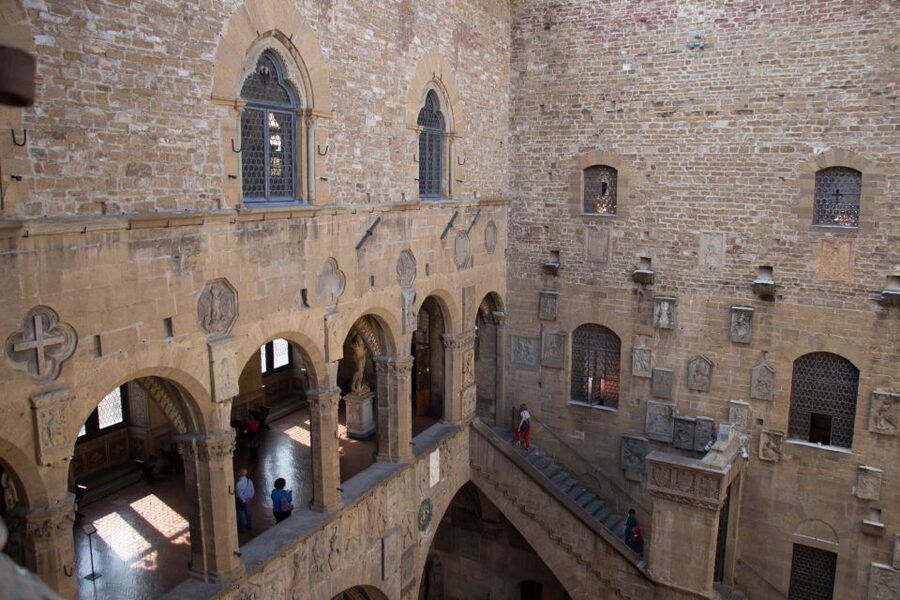
Donatello’s works are a great starting point because they teach you how Renaissance sculptors thought about presence. When you look at David, you’re looking at more than a famous subject. You’re looking at how expression and posture can carry meaning even when the figure is still.
With St. George, the mood shifts. Your guide can help you focus on how the sculpture communicates character and action through body positioning. It’s one thing to know the story. It’s another to see how the artist shaped the moment so your eyes want to follow.
If you’ve only ever seen images online, this is a moment to reset your expectations. Real sculpture has thickness, edge wear, and subtle changes across the surface. A good guide helps you notice those things fast.
Michelangelo’s Bacchus and the Round Pitti: what changes when marble gets loud
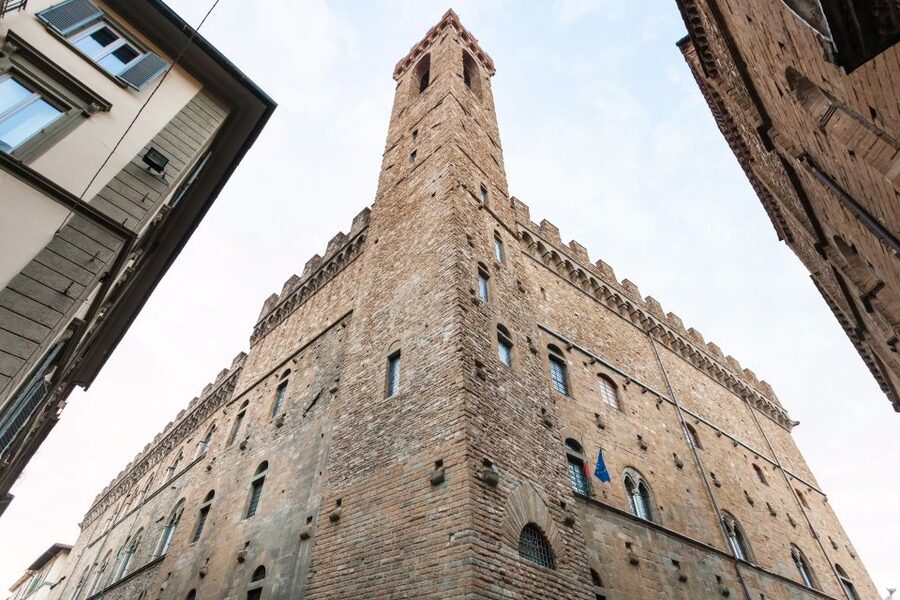
Michelangelo’s pieces can feel like they are speaking at full volume, even when they’re standing still. Bacchus is a perfect example of how his style pushes energy into form. Instead of treating the body as a static object, Michelangelo gives the figure an almost active temperament.
The Round Pitti adds another angle. Even without heavy background, the way a Renaissance artist handles proportion and face can make you understand why Michelangelo became the reference point for so many later artists. Your guide helps you connect what you’re seeing to what these works represent in the broader story of the period.
What I like about tours like this is that you’re not left floating. You get just enough explanation to make the next comparison easier: Donatello’s realism versus Michelangelo’s force, and how the same era can produce radically different sculptural “voices.”
More Florence museums with the visit format already compared
Giambologna’s Mercury: the kinetic side of Renaissance sculpture
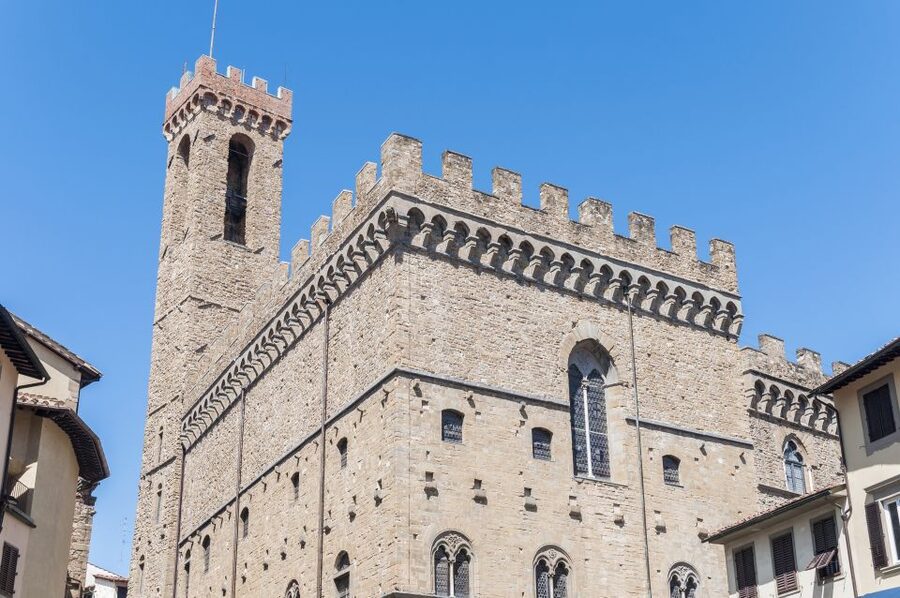
Not all Renaissance sculpture is about calm perfection. Giambologna’s Mercury is where the energy changes gears. This is the kind of piece that rewards looking multiple times, because your eye tracks movement and balance even though nothing is actually moving.
Giambologna was known for dynamic composition, and Mercury is a strong demonstration. Your guide can help you look beyond the surface and into the structure of the pose, how the artist sets up weight distribution and visual flow.
If you’re the type who loves bronze and motion in art, you’ll probably enjoy this section the most. It’s also the part where your “how to look” skills click into place, because movement is built into the sculpture’s shape and balance.
Cellini, Verrocchio, and the Robbia glazed terra-cotta contrast
The Bargello’s charm is that it’s not only marble and not only bronze. The collection includes works that show how many materials Renaissance artists used, and how each material changes the mood.
You’ll also encounter works associated with Cellini and Verrocchio, among others. Even when you do not know every attribution by heart, the guide’s context helps you understand why these names belong in the same conversation.
Then there are the pieces by Giovanni and Andrea della Robbia, known for glazed terra-cotta. This is the contrast that keeps the tour from feeling like a single-note lecture. Glazed terra-cotta has a different relationship to light than marble. It can look almost luminous, and that shifts the emotional temperature of what you’re seeing.
This section is a good reminder that Renaissance sculpture was not only about grandeur. It could be expressive, decorative, and deeply engineered to work with the way people move through a room.
San Firenze Square and Badia Fiorentina: the museum’s Florence connection
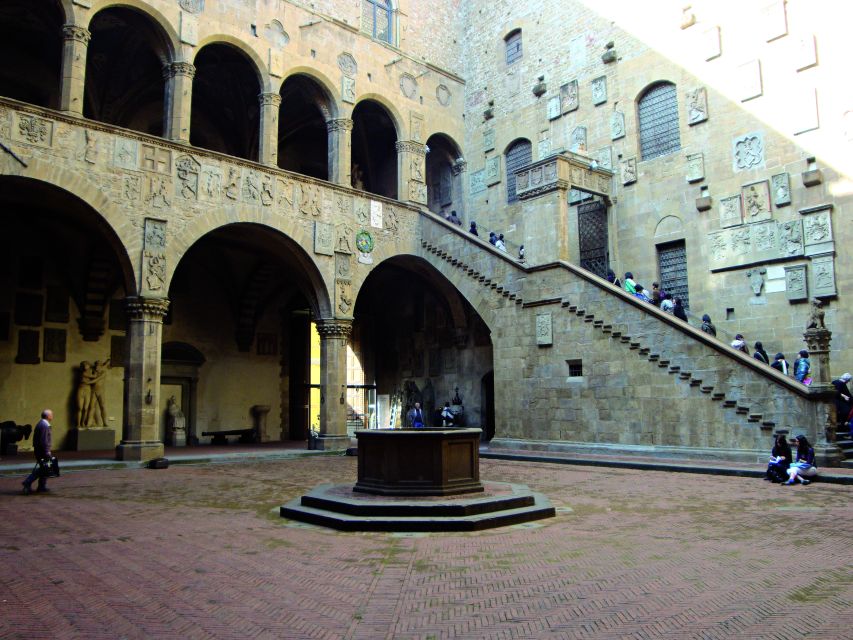
Even though this is a museum tour, you get small outside context. Your guide includes insights about San Firenze square and an exterior exploration of the Badia Fiorentina church.
The church is memorable for its striking hexagonal bell tower. Seeing it from the outside connects the art you just studied to the Florence you’re walking through. You start to recognize the city’s layers instead of treating the museum like a separate island.
This is also where the tour feels practical. If you’re doing Florence in a tight schedule, you leave with a clear mental map: museum first, then streets that match the stories you heard inside.
Price and value: what $158.60 per person buys you in real terms
At $158.60 per person, you’re paying for four things that matter more than the headline cost:
1) a private local professional guide for the full 1.5 hours
2) a Bargello Museum entrance ticket
3) pre-reserved entry so you avoid waiting in line
4) language support, with the tour available in English, French, German, Italian, and Spanish
Is it “worth it”? For me, the best way to judge is to ask what you’ll do with the time. Bargello is rich, and sculpture can be hard to decode if you’re going in cold. A private guide helps you turn looking into understanding, and that’s where the money tends to pay off.
If you’re traveling as a couple, or you want a focused art experience without the group shuffle, the private format can be a strong value. If you’re the kind of traveler who loves to read every label alone and move at your own random pace, you might not need a guide for this short visit. But for a short 1.5-hour window, having someone help you pick what matters is usually the smartest use of time.
Who should book this private Bargello tour, and who might pass
This tour fits best if you care about Renaissance sculpture and you want to see major works without spending your entire afternoon sorting out context. It’s also a good match if you want questions answered, because the guide’s style is part of the appeal. You’ll get a slower, more responsive pace instead of a rushed checklist.
It’s not suitable for people with mobility impairments, so if that applies to you, you’ll want to look for another option.
Language availability is another plus. If you’re more comfortable in English, French, German, Italian, or Spanish, you should be able to get more out of the explanations than you would with a standard audio guide.
Should you book? My practical decision guide
Book it if:
- you want to see big-name Bargello sculpture in just 90 minutes
- you like the idea of skipping the ticket line and starting with momentum
- you want a guide to help you understand why Donatello, Michelangelo, Giambologna, and others matter
- you plan to walk through central Florence afterward and like having street-level connections
Consider another plan if:
- you already have deep sculpture knowledge and want to spend more time than 1.5 hours
- mobility access is a concern for your group
- your travel dates line up with the first Sunday of the month and you’re counting on guaranteed entry, since free access is not reservable and entry is not guaranteed
If you want a high-impact, low-hassle way to experience the Bargello, this private format makes it easy to get value out of a short window.
FAQ
How long is the Florence Bargello Museum private tour?
The tour lasts 1.5 hours.
What time does the tour start, and where do I meet the guide?
You meet your guide at 9:00 AM in front of the entrance of the museum. The tour ends back at the meeting point.
Does the tour include a skip-the-line entrance ticket?
Yes. You get a pre-reserved entrance ticket to skip the ticket line.
What languages are available for the guide?
The tour guide is available in English, French, German, Italian, and Spanish.
Is this a private tour?
Yes, it is a private group tour.
Are earphones included?
Earphones are included for groups of more than 7 participants.
Is the tour suitable for people with mobility impairments?
No, it is not suitable for people with mobility impairments.
Is entry free on the first Sunday of the month?
Yes, entrance is free on the first Sunday of each month. However, tickets cannot be reserved ahead of time, and entry is not guaranteed.
What is the cancellation policy?
Free cancellation is available up to 24 hours in advance for a full refund.
Florence with the day to yourself


More Florence tours to open next
- The Best tour in Florence: Renaissance & Medici Tales – guided by a STORYTELLER
★ 5.0 · 12,316 reviews

Every Florence review, in one place
- Tuscany Day Trip from Florence: Siena, San Gimignano, Pisa and Lunch at a Winery
★ 5.0 · 21,634 reviews - The Best tour in Florence: Renaissance & Medici Tales – guided by a STORYTELLER
★ 5.0 · 12,316 reviews

Florence picks that sit just beyond this itinerary
- One Hour Uffizi Guided Tour: Masterpieces of the Renaissance
★ 5.0 · 3 reviews - Sightseeing Tuscany by touring bike – 1 day rental
★ 5.0 · 3 reviews - Private Siena, S. Gimignano, Chianti Road and Wine Tasting
★ 5.0 · 3 reviews - Bargello Museum Private Tour: Michelangelo’s Bacchus & Donatello’s David
★ 5.0 · 3 reviews - Authentic Florence Cooking Class at Costanza’s 1839 Family Estate
★ 5.0 · 3 reviews - San Gimignano and Volterra private tour: etruscans, romans and middle age jewels
★ 5.0 · 3 reviews
More Museums worth comparing.
 ★ 4.5Skip-The-Line Uffizi Gallery Timed Entry TicketFrom $3027,832 reviews
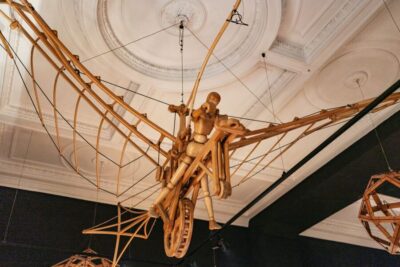 ★ 4.5Leonardo Interactive Museum Entry TicketFrom $911,763 reviews
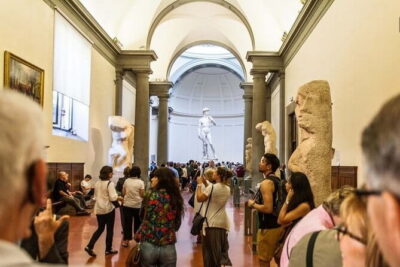 ★ 4.5Florence Accademia Gallery Tour with Entrance Ticket IncludedFrom $456,148 reviews
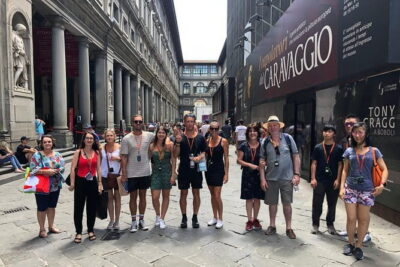 ★ 4.5Uffizi Gallery Small Group Tour with GuideFrom $764,923 reviews
Accademia Gallery Guided TourFrom $534,156 reviews
 ★ 4.6Accademia Gallery Guided Tour with Entry TicketFrom $492,253 reviews
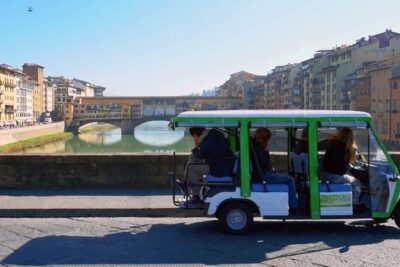 ★ 4.5Golf Cart Tour to Fiesole Roman Theatre and MuseumFrom $952,039 reviews
 ★ 4.8Uffizi Gallery and Accademia Gallery Guided TourFrom $1402,028 reviews