
Florence field review · WALKING TOURS
Florence: Private Guided Walking Tour
Florence makes more sense at walking speed. This private guided walking tour gives you a tight, three-hour route through the Renaissance’s birthplace, with a guide who stitches art, politics, and place into one easy story. You get classic highlights like Duomo Square, the House of Dante, and Ponte Vecchio, but you also get the in-between details that make the city feel like more than a checklist.
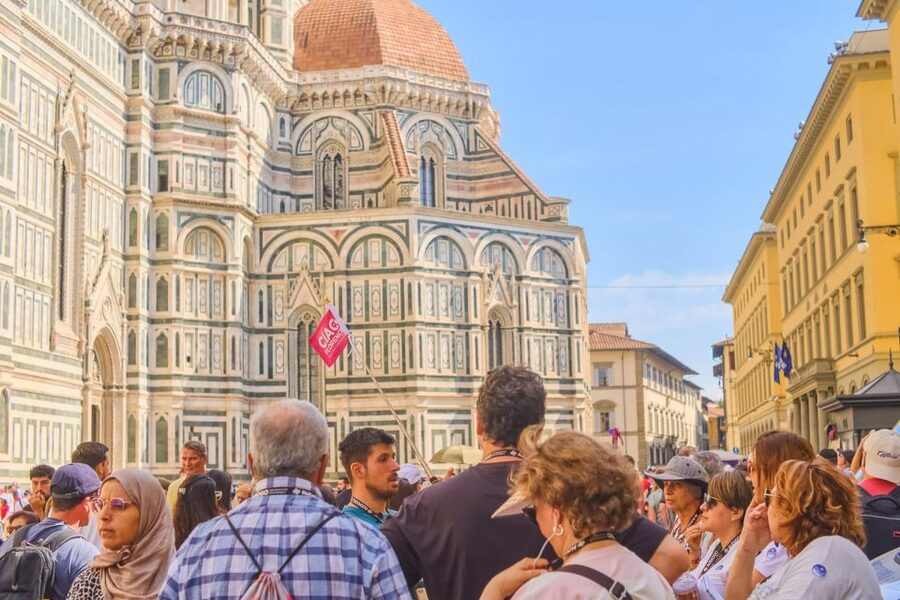
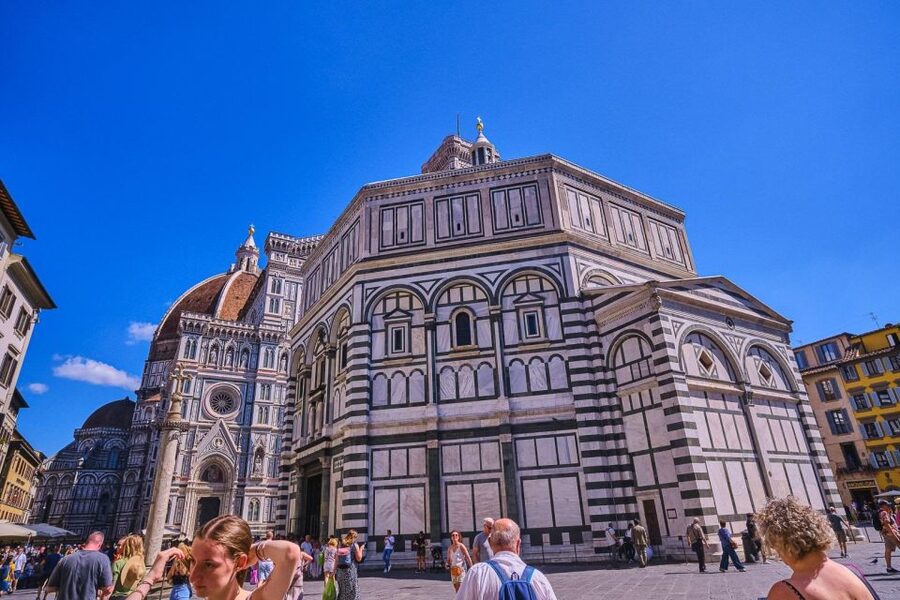
I particularly love how the guide brings Duomo Square alive, explaining the Cathedral complex, the Baptistery, Giotto’s Bell Tower, and Brunelleschi’s Cupola in a way that feels practical, not textbook. I also like the Dante focus, including where he wrote the Divine Comedy, because it turns one stop into a whole emotional thread through the city.
One possible drawback to plan around: museum and church entrances are not included, so you’ll mostly see what’s accessible on foot and from the outside. If you were hoping for indoor time at major sites, you may need to add tickets separately, and you should expect solid walking through historic streets.
Key things to know before you go
- Private guide, group up to 8 means you can ask questions and adjust on the fly, not just follow a script.
- Duomo Square and the Medieval District are treated as the foundation of the Renaissance, with construction and symbolism explained.
- Dante’s House stop links the writer directly to the Divine Comedy, adding real context to what you see.
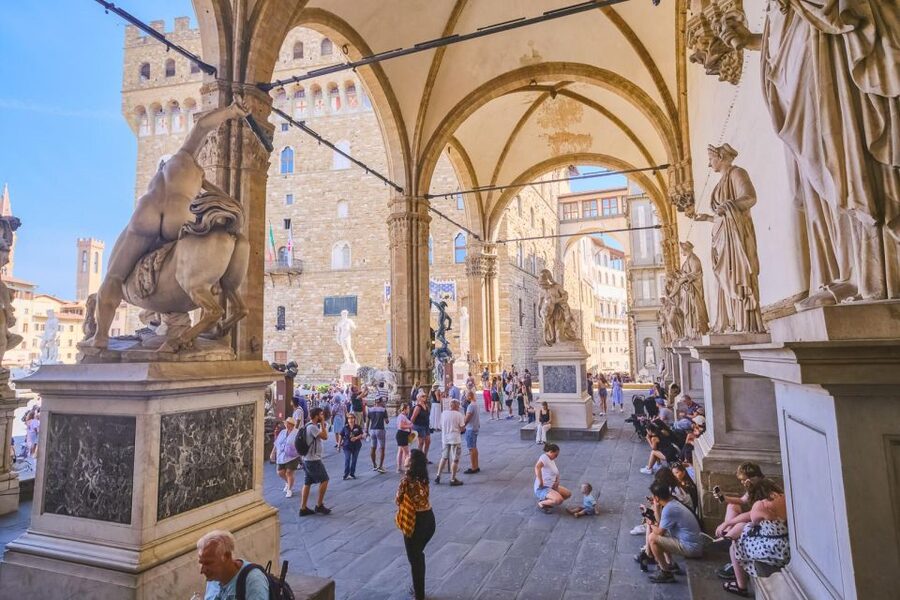
- Loggia dei Lanzi statuary is part of the route, with mention of major artists like Cellini and Giambologna.
- Ponte Vecchio plus the Vasari Corridor route gives you a sense of how Florence’s power moved across the river and between palaces.
- Accessibility needs a quick check since it is marked wheelchair accessible, but also noted as not suitable for mobility impairments, so confirm the exact walking comfort for your situation.
Florence walks that make the stone streets tell the story
- Florence: Guided Walking Tour★ 4.5 · 3,334 reviews
- Skip the line: Uffizi and Accademia Small Group Walking Tour★ 4.5 · 3,135 reviews
- Florence: Guided Walking Tour★ 4.6 · 1,602 reviews
- Florence: Renaissance and Medici Tales Guided Walking Tour★ 4.8 · 1,549 reviews
A 3-hour private walk that hits Florence’s main threads
This tour is short by design: 3 hours, walking, and focused. That’s a good thing in Florence, where the center can feel like one long museum line if you let it. Instead, you get a guided pathway that connects major monuments with the stories people actually lived around, from medieval Florence to Renaissance patronage.
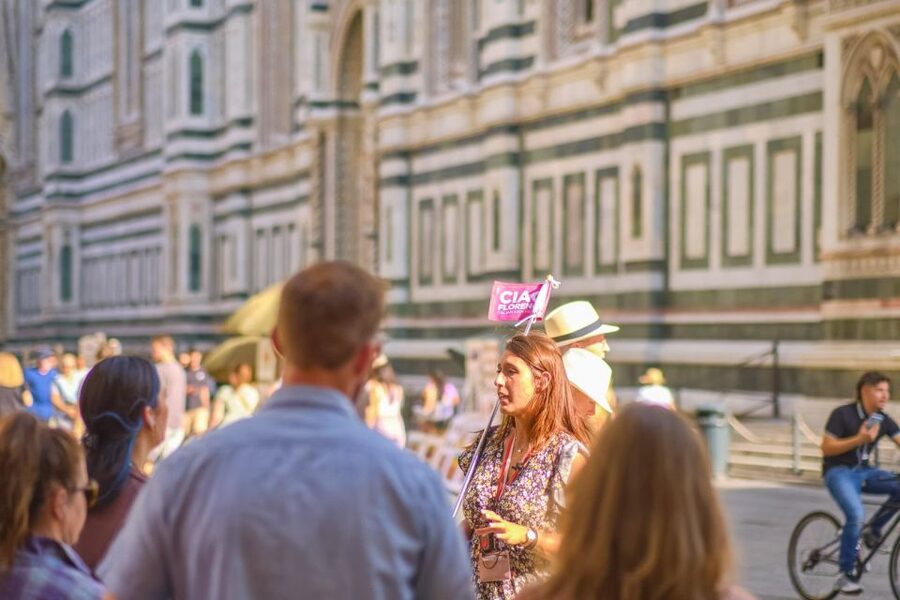
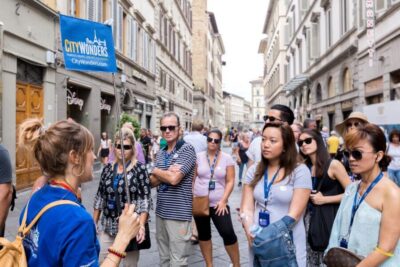
Because it is private, the pace can stay human. The guide can handle questions mid-walk, and you can pause for photos or swap a quick stop if your interests run slightly off the default route. It also helps that the experience is priced per group (up to 8), so it can be good value if you’re traveling with a few friends or family members and want real guidance instead of whispering to each other while reading plaques.
What you should expect is a walking route centered on the outdoors. Entrance to churches or museums is not included, so plan your expectations accordingly. You’ll still see the big landmarks and get the context to understand why they matter, but you won’t automatically step inside the major indoor sites.
Duomo Square and the Medieval District: where the Renaissance starts to make sense
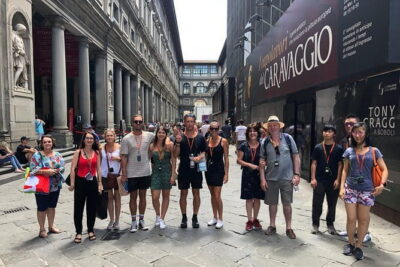
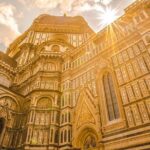
Duomo Square is the emotional center of Florence, and this tour uses it that way. You’ll spend time in the medieval district area around the Cathedral complex, where you can see how Florence’s artistic energy grew out of older layers of the city. The guide talks construction and design, and you’ll hear the names you’ve seen in books, but in the real space where those forms sit.
You will learn about the Cathedral, the Baptistery, Giotto’s Bell Tower, and Brunelleschi’s Cupola. The key value here is connection. When a guide explains how these buildings relate to each other, you start noticing patterns you would otherwise miss, like how the shapes and vertical landmarks steer your attention across the square.
A practical note: Duomo Square and the surrounding historic streets can feel like they’re all going at once, so having someone help you navigate keeps the experience enjoyable. The only watch-out is time and walking stamina. If you’re sensitive to uneven stone, steep little changes, or lots of standing for viewpoints, you’ll want to plan your day with rest and arrive early enough to avoid rushing.
Dante at the House of Dante, plus the personal side of Florence
One of the biggest strengths of this tour is that it does not treat Florence as only visual art. It adds literature and lived experience, especially at the House of Dante. The highlight is where Dante wrote the Divine Comedy, which immediately turns the stop from a name on a map into a human story.
Even if you’re not a deep Dante scholar, you’ll benefit. The guide helps you connect how a place can shape writing, and how Florence carried cultural weight across centuries. This is the kind of stop that makes people say the city feels more intimate, because you’re thinking about who was here, not just what was built.
The other advantage is flow. You’ll keep moving through the medieval district after this, so the tour builds momentum instead of turning into a single concentrated museum moment. That keeps the walking tour feeling like a journey, not a string of checkpoints.
Uffizi Gallery colonnade views and Piazza della Signoria moments
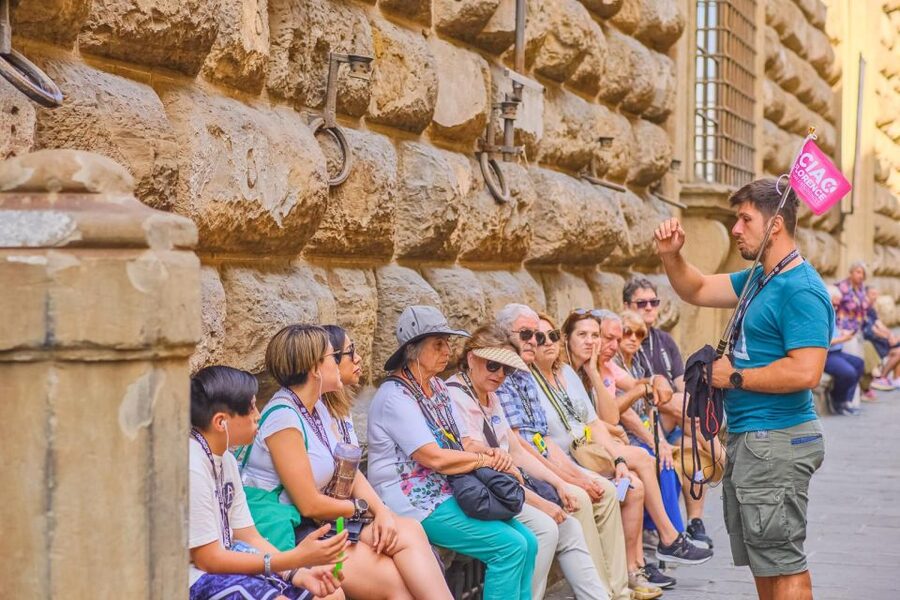
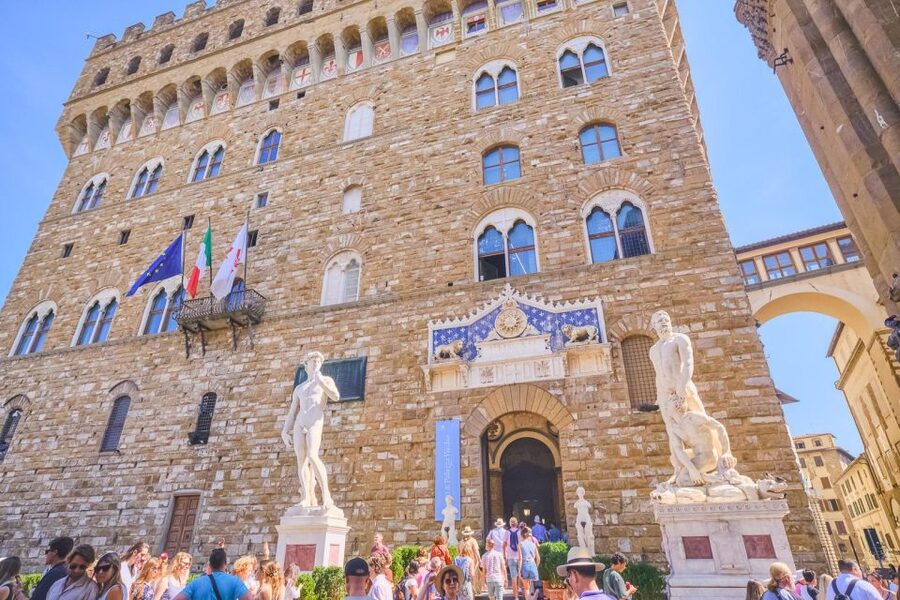
Florence’s best viewpoints are often about positioning, not just sightseeing. This route includes the Uffizi Gallery colonnade, where you can stand and absorb the museum’s presence without needing a ticket to feel the scale. From there, the tour shifts toward Piazza della Signoria, an open-air museum feel created by the sheer density of art and civic power.
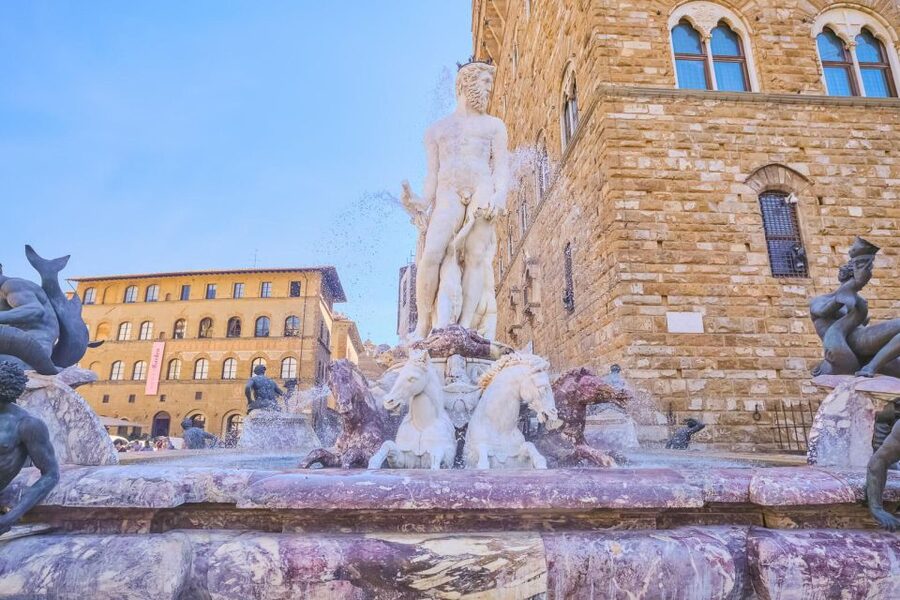
You’ll also see Palazzo Vecchio as part of the Piazza area, and you’ll get the kind of historical anecdotes that make the buildings more than backdrops. A good guide turns a square into a timeline: who used the space, why it mattered, and how art and authority were linked.
One small consideration: since museum entrances are not included, you might be tempted to want more time inside. If you do, the fix is simple, plan another half day or a separate ticket later. But even without indoor access, the guide’s explanation helps you appreciate what you are seeing and why the Uffizi and the Piazza belong together in the city’s story.
Loggia dei Lanzi and Florence’s statue power, explained in plain terms
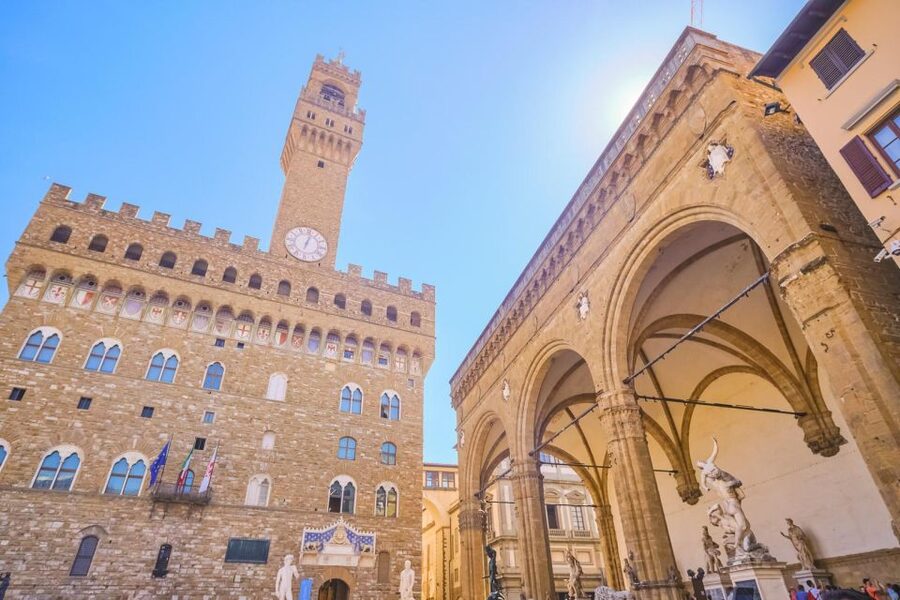
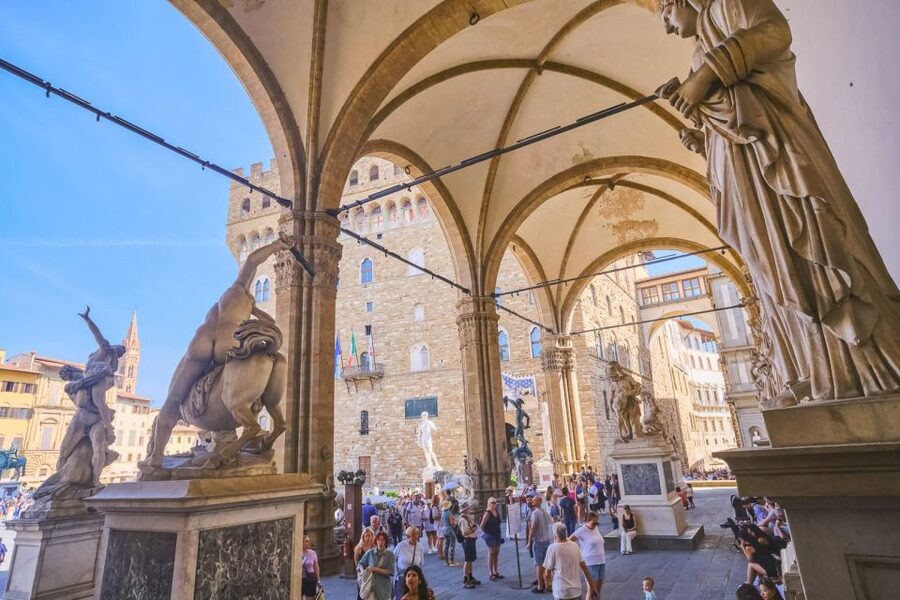
The Loggia dei Lanzi is one of those Florence stops that can be easy to skip if you’re only chasing the most famous photos. On this tour, it gets time and meaning. You’ll see a collection of original statues associated with major artists including Cellini and Giambologna, and you’ll learn how sculpture fit into the civic and artistic mindset of Florence.
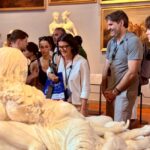
This is where a guide earns their fee. Standing among statues, it’s easy to admire details and then move on. With a knowledgeable storyteller, you start seeing choices, like how artists communicated status, myth, and skill in a public space.
It also works well because the Loggia is a natural resting point during a walking tour. If you take a moment to look closely while your guide explains what you’re seeing, you get the payoff of sculpture without needing an indoor ticket. Just keep an eye on the pace, because the tour keeps moving to the river and the palace areas next.
When a guide is worth having beside you in Florence
Ponte Vecchio and the Vasari Corridor route across Florence
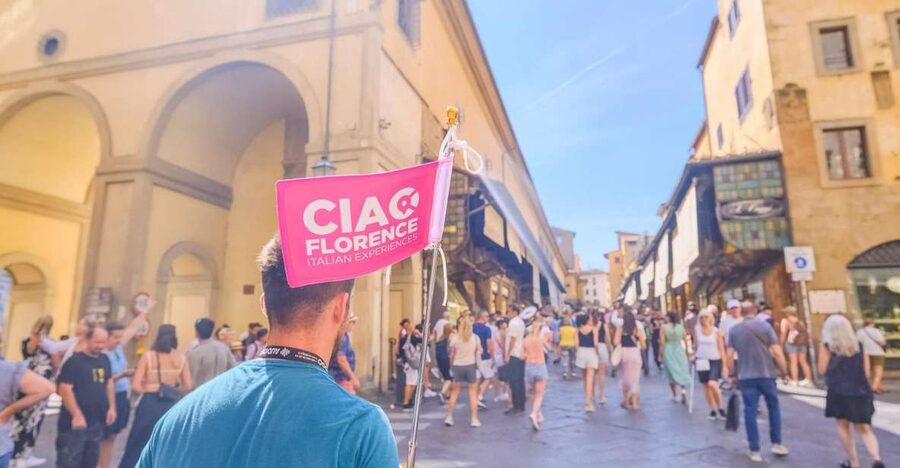
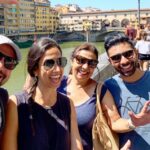
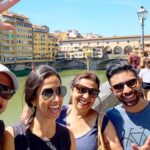
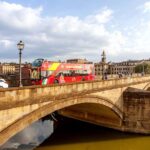
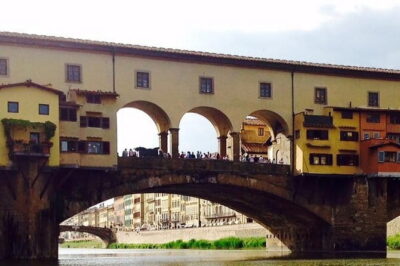
Crossing Ponte Vecchio is almost a rite of passage in Florence, and this tour builds it into the bigger story. You’ll cross the bridge, and you’ll get context about why it’s so enduring, including that it is often described as the oldest bridge in the city. The result is that you don’t just take photos, you understand the bridge as part of the city’s flow and power.
From there, the tour adds a real thrill for architecture nerds: the Vasari Corridor. The route is described as a well-kept secret that connects Palazzo Vecchio to Pitti Palace. Even if you can’t access the corridor itself on foot during a standard walk, you’ll get the sense of how it ties key centers together in a system of movement and control.
This is also a high-reward photo segment. You’ll be in the right place to capture the river views and the famous Florence silhouette, and the guide can help you position for the best angles. If you like pictures but hate standing in line for prime spots, this is the part of the tour where that balance really shows.
Pitti Palace area and photo stops that feel less rushed
The tour doesn’t end with the river. It continues toward the Pitti Palace area, letting you connect the two sides of Florence. You’ll get mention of Pitti Palace in the route, and you’ll also work in a few photo-friendly moments that help you see the city as a connected whole rather than isolated monuments.
This part of the walk matters because many tours treat Ponte Vecchio as the finishing line. Here, it’s a bridge to the next layer. You start noticing how Florence’s landmarks face each other across distances, which is exactly what makes the city so special when you slow down for three hours and let the guide explain the logic of the layout.
One more advantage: because this is private, the guide can help you slow down in the moments you care about. If you want to linger a bit on views or take extra photos, you can usually work it into the flow. That flexible feel is something guides like Larla, Constansa, and Andrea seem to do well, based on the way they keep things calm and accommodating while still hitting the main story beats.
How the guide turns a checklist into a story (and keeps it flexible)
This is a private tour, so you can judge it by the person leading you. The best part here is the combination of professionalism and patience. Some guides are great at facts, but you can feel them rushing you. Here, the guides bring a steadier approach, with room for questions and small detours.
For example, the guide can be accommodating if you want to change your exact pacing for gelato or extra photo opportunities. It sounds minor, but it makes a huge difference in a city like Florence, where the streets pull you in multiple directions. A patient guide also helps you feel comfortable asking whatever comes to mind, from architecture details to why a building looks the way it does.
The tour languages include Italian, Spanish, English, and French, so you can pick the one that lets you understand the explanations clearly. That matters. In Florence, the details are in the words as much as the stone.
Price and value: $341 per group up to 8 for three focused hours
At $341 per group for up to 8 people, this tour can be a strong value if you’re traveling in a small group. The cost isn’t per person, so if you split it, you’re paying less than you would for a typical individual guide rate. You also get the advantage of private routing, which is hard to replicate when you’re on a large group tour.
You are paying for two things: time with a local guide and a carefully structured route that covers the main Renaissance threads without wasting hours. Since entrances to churches or museums are not included, you’re also not paying for ticket costs inside the price. That can be a plus if you prefer outdoor viewing and explanation, and want to choose any museum entry separately later.
If you’re a solo traveler, it’s still worth it only if you truly want private guide attention and don’t mind paying for the whole group. If you’re a couple or small family, the economics make more sense. The tour works best when you value a guided story more than you value ticking every indoor box.
What to bring and how to plan your Florence day around 3 hours
Bring comfortable walking shoes. A walking tour in historic Florence means stone streets and lots of short transitions. Also plan for outdoor time around major squares and viewpoints, where you may stand to look and listen for stretches.
Since lunch and drinks are not included, decide how you’ll handle breaks. If you want a quick gelato stop, build it into your expectations. The guide can often make time for small breaks, especially if you ask early and keep it short.
Timing matters too. Three hours can either feel perfect or too short depending on what you pair it with. If you’re planning museum tickets, consider doing them on a different block of time. This tour sets the stage, and then you can choose indoor time later when you know what to look for.
Should you book this Florence private guided walking tour?
Book it if you want a guided Florence story in a compact, walkable format. This tour is especially good for people who care about connections, like how Dante fits into the city’s cultural identity, how Duomo Square anchors the medieval to Renaissance shift, and how Ponte Vecchio and the Vasari Corridor route explain movement between major centers.
Skip or think twice if you want lots of indoor museum time. Since church and museum entrances are not included, you’ll get explanations and outdoor viewing, but not automatic ticketed access. Also do a quick check if mobility is a concern, because it is marked wheelchair accessible yet also noted as not suitable for people with mobility impairments, so you’ll want clarity on the walking demands of the route.
If you’re bringing a small group and want real guide attention, this is a strong choice. The private nature, plus the way guides like Larla, Constansa, and Andrea handle questions and pacing, is what makes the whole thing feel personal instead of rushed.
FAQ
How long is the Florence private guided walking tour?
The tour lasts 3 hours.
What is the price and group size for this tour?
It costs $341 per group, with a maximum group size of up to 8 people.
What sights will we see on the tour?
You’ll explore Florence landmarks such as the Medieval District including Duomo Square, the House of Dante, Uffizi Gallery colonnade views, Piazza della Signoria, Loggia dei Lanzi, Ponte Vecchio, Pitti Palace area, and the Vasari Corridor route.
Does the tour include tickets to churches or museums?
No. Entrance to churches or museums is not included.
How does pickup work?
Pickup is included, and your private guide will pick you up on foot at your hotel or apartment’s main entrance.
What languages are offered for the live guide?
The live guide is available in Italian, Spanish, English, and French.
Florence at walking speed
More Florence tours to open next
- The Best tour in Florence: Renaissance & Medici Tales – guided by a STORYTELLER
★ 5.0 · 12,316 reviews
Every Florence review, in one place
- Tuscany Day Trip from Florence: Siena, San Gimignano, Pisa and Lunch at a Winery
★ 5.0 · 21,634 reviews - The Best tour in Florence: Renaissance & Medici Tales – guided by a STORYTELLER
★ 5.0 · 12,316 reviews



Florence picks that sit just beyond this itinerary
- Florence: Duomo Complex Private Guided Tour & Optional Dome Climb
★ 5.0 · 4 reviews - Private Tour of Florence Cathedral, Bell Tower & Baptistery
★ 5.0 · 4 reviews - Michelangelo’s David Tour in the Accademia (Tickets NOT included)
★ 4.0 · 4 reviews - Exclusive Pisa Tour from Florence: With Skip-the-Line Access
★ 4.0 · 4 reviews - Full-Day Tour of Tuscany from Florence-small group up 8 pax
★ 4.5 · 4 reviews - Florence: Inferno Private Walking Tour
★ 5.0 · 4 reviews
More Walking Tours worth comparing.
 ★ 4.5Guided Walking TourFrom $313,334 reviews
 ★ 4.5Skip the line: Uffizi and Accademia Small Group Walking TourFrom $1483,135 reviews
★ 4.6Guided Walking TourFrom $271,602 reviews
★ 4.5Skip the line: Uffizi and Accademia Small Group Walking TourFrom $1483,135 reviews
★ 4.6Guided Walking TourFrom $271,602 reviews
 ★ 4.8Renaissance and Medici Tales Guided Walking TourFrom $21,549 reviews
 ★ 4.7Uffizi & Accademia Small Group Walking TourFrom $1481,380 reviews
 ★ 5.0Skip-the-Line Florence Highlights and David Walking TourFrom $1171,127 reviews
 ★ 4.6Dark Mysteries and Legends Guided Walking TourFrom $21,081 reviews
 ★ 4.5Florence in a Day: Michelangelo’s David, Uffizi and Guided City Walking TourFrom $1341,048 reviews
Find this experience in another shortlist