
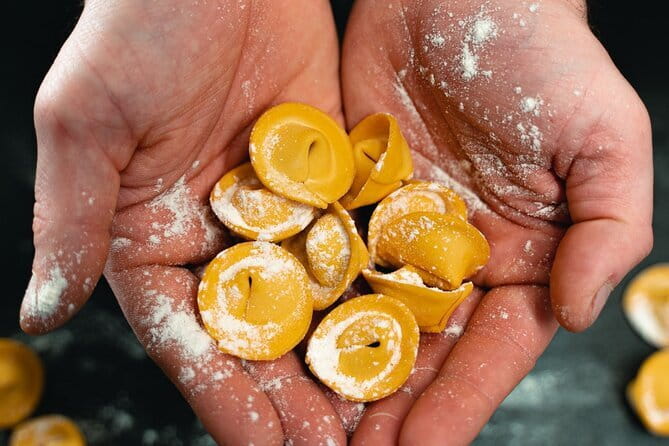
Florence field review · FLORENCE PASTA, PIZZA & GELATO CLASSES
Pasta Cooking Class: Mastering Nonna’s Recipes
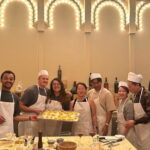
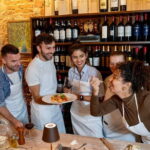
Three hours later, you will taste Florence. This pasta cooking class in central Florence is hands-on from start to finish, with Michelin-level chefs guiding you through classic shapes and sauces, then feeding you what you make with unlimited wine.
I love that the instruction is built for mixed skill levels. You get real attention in a small group of up to 13, and chefs like Michele, Simona, Simone, Marco, and Thomas show up in the reviews as patient, funny, and very focused on good technique.
One possible drawback: the meeting spot is described as a storefront in a slightly rougher-feeling area. Once you are inside, the space is clean and well-run, but you should not expect a picture-perfect exterior.
Key highlights to plan around
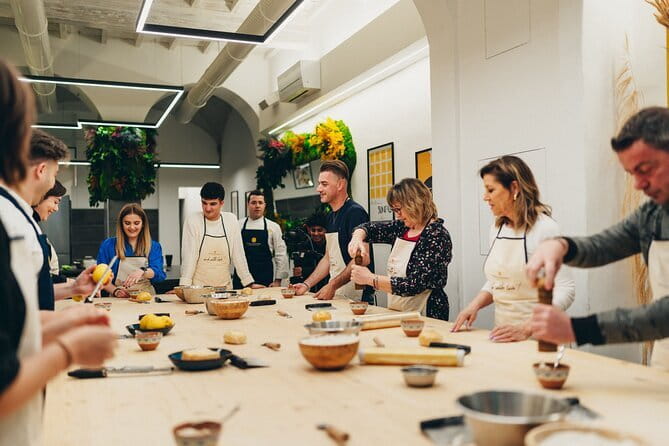
- Up to 13 people keeps the class personal, so you are not waiting around to try again
- Three pastas in one session lets you practice different styles, tortelli, tagliatelle, and ravioli
- Michelin-trained chefs like Marco, Simone, and Davide handle the hardest parts while teaching you the why
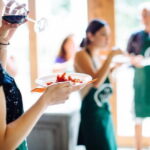
- Unlimited wine during the experience means you can relax and eat what you made without juggling drinks
- Hygiene is taken seriously, with chefs like Thomas described as strict about cleanliness
- Recipes provided after cooking so you can repeat the dishes at home
Roll, knead and churn through the Florence cooking-class shortlist
- Florence: Pasta Cooking Class with Unlimited Wine★ 4.9 · 10,285 reviews
- Florence Pizza or Pasta Class with Gelato Making at a Tuscan Farm★ 5.0 · 6,801 reviews
- Florence: Pasta & Tiramisu Cooking Class with Unlimited Wine★ 4.9 · 6,708 reviews
- Florence: Pasta Cooking Class with Unlimited Wine★ 5.0 · 6,413 reviews
Florence pasta cooking class: the point of the whole evening
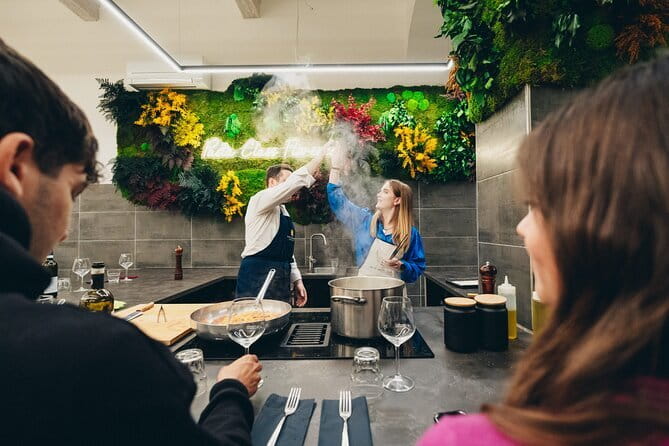
In Florence, it is easy to eat pasta everywhere. What is harder is learning how the dough feels in your hands, how fillings stay put, and how sauces cling the right way. That is why this class works. It is not just a tasting. It is a hands-on lesson that ends with you eating a full meal based on your own work.
You start with simple, repeatable skills, then you apply them to different pasta shapes. You also get a realistic view of Tuscan flavor, where ragù is not fussy, it is patient, and “garlic oil and sage” is not an afterthought, it is a real sauce style.
Best of all, the energy tends to match the food: relaxed, social, and focused. Reviews repeatedly mention chefs who keep things moving, explain clearly, and still make it fun, with names like Simone, Andreas, and Andrea popping up again and again.
Where you meet at V. Dell Agnolo, 77r, and how to read the vibe
The class meets at V. Dell Agnolo, 77r in Florence, and it ends back at the same place. The address is in central Florence and near public transportation, so you should not feel locked into a taxi.
Just know the first impression might be less glamorous than you want. Some people describe the meeting point as a storefront in a slightly sketchier-feeling area. That matters only for one thing: your expectations at the door. Once inside, the reviews call out clean facilities and a well-run setup.
Plan to arrive a few minutes early. With a mixed group of beginners and more experienced cooks, the start time matters. If you are calm when you walk in, you will get more out of the first demo on dough and sauce.
The 3-hour flow: how the class moves from prep to plate
The session is about 3 hours. Some write-ups mention closer to 3.5, but the overall rhythm stays the same.
Here is the typical flow you can expect:
First, you get a starter lesson on ingredients and technique. Chefs often prepare key sauce components ahead of your main pasta work, so you spend your energy shaping and handling dough. This is smart. It keeps the class on time and still gives you the chance to learn what matters.
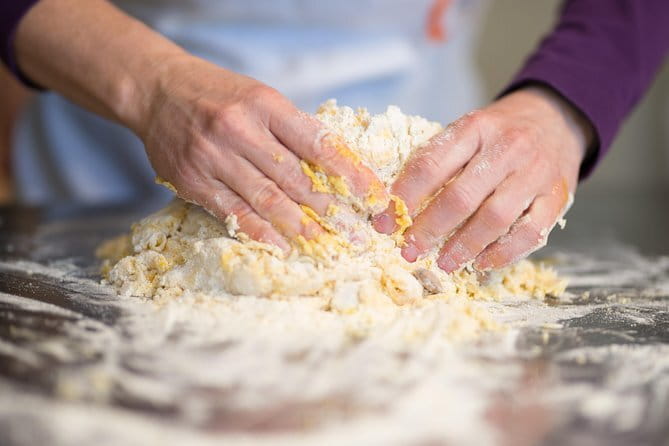
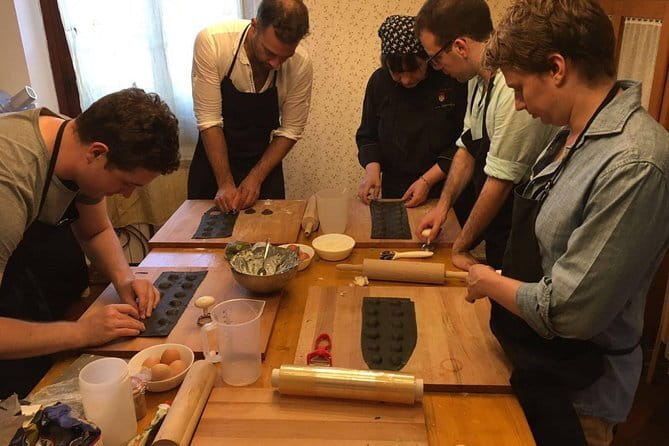
Next comes the hands-on part: mixing dough, working it into the right texture, and shaping. With a small group size, you can ask quick questions when your hands get stuck or your dough feels off.
Then the class finishes with tasting and eating. Your session ends with a full meal featuring three pasta dishes. You also get unlimited wine during the experience, so you can focus on eating and comparing flavors instead of paying for drinks course by course.
The pacing feels busy, but not chaotic. Reviews call out that instruction stays structured and that chefs keep everyone included, including groups with wide age ranges.
Your menu is the curriculum: tortelli, tagliatelle, ravioli
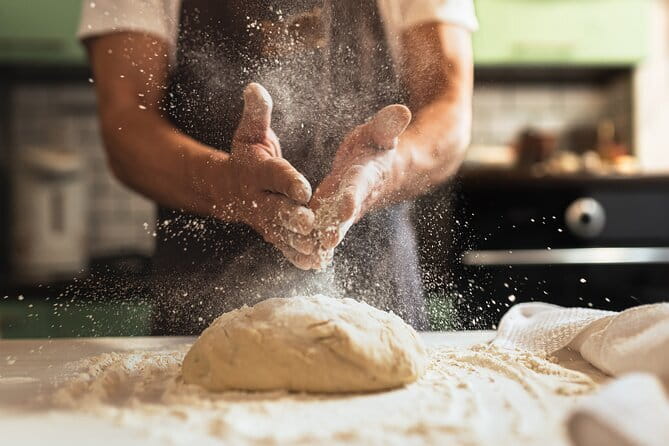
This class is built around practice. You do not just watch pasta being made. You make multiple types, so you understand how different shapes behave, how fillings should be portioned, and how sauce changes the whole dish.
Tortelli starter: ricotta, brown butter, and herbs
Your starter is tortelli filled with ricotta, brown butter, and herbs. This is a great first lesson because it teaches you about dough sealing and portion control. If the filling is too much, it can leak or make sealing hard. If you get the proportions right, the tortelli cook evenly and hold together.
The ricotta plus brown butter combo also helps you learn balance. Brown butter brings a nutty depth, while herbs keep the filling from tasting flat. You can think of this as a flavor warm-up before the heartier Tuscan course.
Florence cooking classes beyond the first bowl of pasta
Tagliatelle main: fresh Tuscan ragù
Next is tagliatelle served with fresh Tuscan ragù. If you have only ever had ragù from a jar, this is where the lesson really lands.
Tuscan ragù is about simmering depth, not speed. In class, the chef approach tends to be practical: you learn how sauce should look and taste, not just what ingredients are in it. Then you pair that with tagliatelle, which needs the right thickness and surface so the sauce clings.
This course also gives you a practical takeaway: you will see how to adjust sauce consistency. Even if you do not cook at restaurant speed at home, you can still match the texture.
Ravioli main: garlic oil and sage with a twist
The third course is ravioli with garlic oil and sage, with a twist. Garlic and sage is a classic pairing, but the “twist” is what makes the dish feel like it belongs in a real Italian kitchen rather than a textbook.
Ravioli is often the hardest of the three for beginners because filling plus sealing is tricky. In this class format, that is exactly why it is worth doing. You learn a repeatable method: portion, seal, and shape so the ravioli stay intact through cooking.
If you want to leave Florence with skills you can use later, this trio of starter plus two mains is the right mix. It covers filled pasta, ribbon pasta, and another filled shape with a lighter sauce style.
Unlimited wine and the meal at the end: why it works, and what to watch
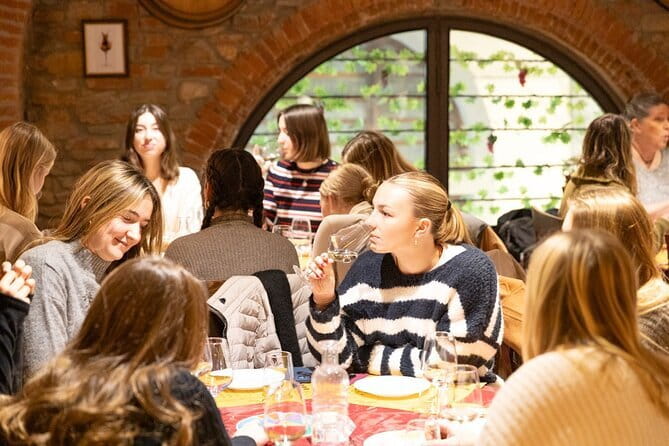
Unlimited wine is included throughout the experience. People describe it as never running out, which tells you the intent: this is meant to be a social evening, not a rushed cooking workshop.
For you, that matters in two ways.
First, you actually sit down at the end and eat. You are not just tasting a crumb-size sample. You are getting a full meal featuring all three pasta dishes made in class.
Second, wine changes how you experience flavor. It can make sauces taste more rounded and bring herbs forward. If you drink slowly, you can pay attention to the differences between ragù and garlic oil plus sage.
A consideration: unlimited alcohol means you should pace yourself. If you are sensitive to wine, or you plan to walk back afterward, keep it moderate. Also, you might feel less patient if you show up tired. The hands-on part needs focus.
Chefs make the difference: what the reviews say about the instruction style
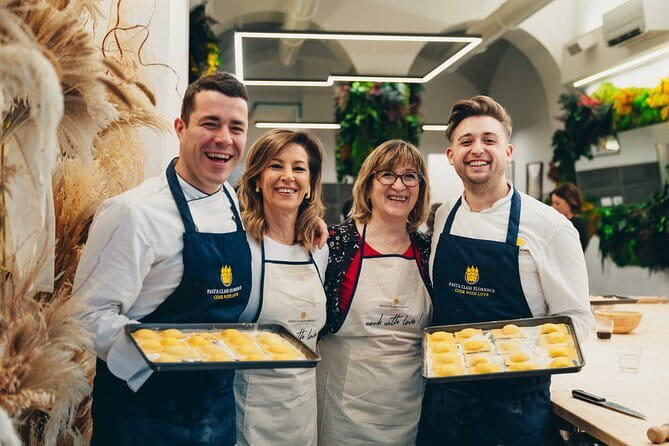
The class is led by chefs with Michelin-star backgrounds, and the instructor approach is part of why the ratings are so high. You see a pattern in the reviews: chefs are fun, attentive, and keep it practical.
Names that come up repeatedly include Michele, Simona, Simone, Marco, Thomas, Andrea, Davide, and Andreas. While each chef has their own personality, the shared goal seems consistent: teach technique, then give you confidence.
A detail I really like from the feedback is the attention to hygiene. One review calls out how Thomas kept a sharp eye on cleanliness and that hygiene policies were being enforced so everyone could eat pasta everyone handled during the class. That is not a glamorous selling point, but it is a big one for peace of mind.
You also get a sense that chefs coach you mid-action. Reviews mention patience with beginners and clear instruction like a calm teacher rather than a fast-talker. That helps if you are traveling with mixed cooking abilities.
What you learn beyond pasta dough: sauces, tools, and the do’s and don’ts
Shaping pasta is fun, but the skills you keep are the practical ones. This class teaches the basics in a way that connects to real cooking at home.
Here are the most useful categories of what you learn:
- Dough handling: how it should feel, how to adjust if it is too sticky or too dry
- Filling and sealing: how to portion so it does not burst or leak
- Sauce pairing: why ragù behaves differently than garlic oil plus sage
- Timing and consistency: how to understand sauce texture so it coats pasta properly
- Tools and technique: reviews mention learning to use new tools and techniques, not just doing it by instinct
One especially telling takeaway in a review is that practical advice came up even for experienced cooks, like learning not to ruin expensive knives while sharpening. That signals a broader teaching style: it is not just pasta facts, it is kitchen habits.
You should also expect tips on do’s and don’ts. People mention that chefs give lots of guidance on what to watch for during shaping and sauce prep so mistakes are easier to avoid the next time.
Price and value: is $126.98 per person fair in Florence?
At $126.98 per person, you are paying for more than a class. You are paying for hands-on chef time, ingredients, cooking work behind the scenes, and a sit-down meal with wine.
For a Florence food experience, that price is actually in the reasonable range when you break down what you receive:
- You make three types of pasta (tortelli, tagliatelle, ravioli)
- You eat a full meal featuring those dishes
- You get unlimited wine throughout the experience
- The chefs are described as Michelin-level and run a small-group format
The best value signal is that reviews keep returning to two things: the food quality is high, and the instruction is not vague. People repeatedly say it felt worth the time and money, and that they left confident enough to recreate pasta at home.
If your goal is a quick “tasting only” evening, this will cost more than it should. But if your goal is to learn a real craft, this is priced like a workshop plus dinner, not a snack tour.
Who should book this pasta cooking class, and who might not
This class is a strong fit if you want:
- A hands-on Florence experience instead of another museum hour
- A social evening with a small group and shared meal
- Real techniques you can practice later, not just pictures
- Vegetarian options if you need them, since vegetarian choices are available
It is also a nice option for mixed groups. Reviews describe groups spanning ages from 20s to 80s, and the chefs apparently adjust their pace and guidance to include everyone.
You might think twice if:
- You hate working with your hands or feel stressed by close instruction
- You do not drink wine and unlimited wine would feel like wasted inclusion
- You want a slow, quiet, sit-and-watch class rather than active cooking
For most people, it lands as a high-energy evening that still leaves you with teachable skills.
Should you book this pasta class in Florence?
I think you should book it if you want to leave Florence with something you can actually repeat. The combination of three pasta types, chef-led sauce learning, and a full meal at the end is the right structure for making the experience stick.
Book it soon if you can, since it is commonly booked about 47 days in advance and tends to sell. And when you arrive, do not overthink the storefront start. Focus on the inside, where the class space is clean and the teaching style is what people rave about.
If you are already confident in your pasta-making, you might still enjoy it for the sauce pairing and practical tips. If you are a total beginner, it is set up for you too, with patient chefs and a small group size that gives you a real shot at getting the shapes right.
In short: if pasta is on your must-do list, this is one of the most practical and fun ways to learn it in Florence.
FAQ
How long is the pasta cooking class?
The experience runs about 3 hours.
What is included in the class?
You get a hands-on pasta-making class with a Michelin-trained chef, you cook and eat typical local products, and you enjoy a full meal featuring three different pasta dishes.
Is wine included?
Yes. There is unlimited wine throughout the experience, and it comes with the meal.
What pastas are on the sample menu?
The sample menu includes tortelli (ricotta, brown butter, herbs), tagliatelle (fresh Tuscan ragù), and ravioli (garlic oil and sage with a twist).
Is the class offered in English, and are vegetarian options available?
The experience is offered in English, and vegetarian options are available.
How big is the group?
The maximum group size is 13 travelers.
What is the cancellation policy?
You can cancel for free up to 24 hours in advance for a full refund. If you cancel less than 24 hours before the start time, the amount paid is not refunded.
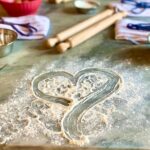
Flour on the Florence worktop
- Cooking Class and Lunch at a Tuscan Farmhouse with Local Market Tour from Florence
★ 5.0 · 4,831 reviews
Every Florence review, in one place
- Tuscany Day Trip from Florence: Siena, San Gimignano, Pisa and Lunch at a Winery
★ 5.0 · 21,634 reviews - The Best tour in Florence: Renaissance & Medici Tales – guided by a STORYTELLER
★ 5.0 · 12,316 reviews

Cook it before you order it
- Cooking Class and Lunch at a Tuscan Farmhouse with Local Market Tour from Florence
★ 5.0 · 4,831 reviews
Florence picks that sit just beyond this itinerary
- One Hour Uffizi Guided Tour: Masterpieces of the Renaissance
★ 5.0 · 3 reviews - Sightseeing Tuscany by touring bike – 1 day rental
★ 5.0 · 3 reviews - Private Siena, S. Gimignano, Chianti Road and Wine Tasting
★ 5.0 · 3 reviews - Bargello Museum Private Tour: Michelangelo’s Bacchus & Donatello’s David
★ 5.0 · 3 reviews - Authentic Florence Cooking Class at Costanza’s 1839 Family Estate
★ 5.0 · 3 reviews - San Gimignano and Volterra private tour: etruscans, romans and middle age jewels
★ 5.0 · 3 reviews
More Florence Pasta, Pizza & Gelato Classes worth comparing.
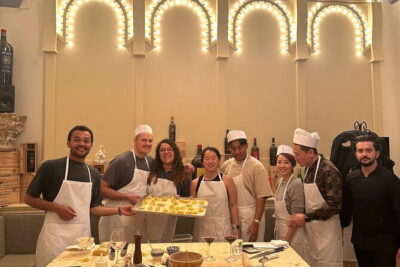 ★ 4.9Pasta Cooking Class with Unlimited WineFrom $2110,285 reviews
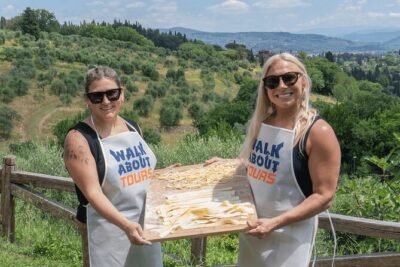 ★ 5.0Florence Pizza or Pasta Class with Gelato Making at a Tuscan FarmFrom $1456,801 reviews
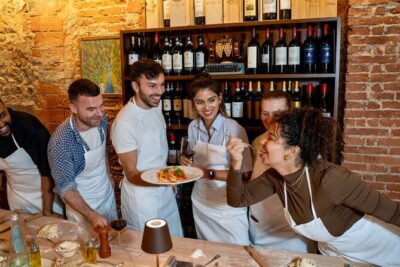 ★ 4.9Pasta & Tiramisu Cooking Class with Unlimited WineFrom $566,708 reviews
★ 5.0Pasta Cooking Class with Unlimited Wine6,413 reviews
★ 4.9Pasta & Tiramisu Cooking Class with Unlimited WineFrom $566,708 reviews
★ 5.0Pasta Cooking Class with Unlimited Wine6,413 reviews
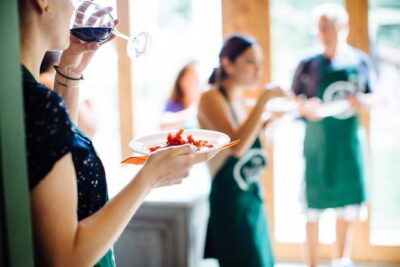 ★ 5.0Cooking Class and Lunch at a Tuscan Farmhouse with Local Market Tour from FlorenceFrom $1454,831 reviews
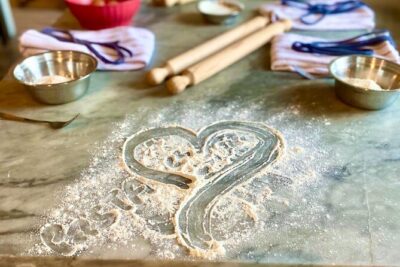 ★ 5.0Pastamania – Florence Pasta Making ClassFrom $493,050 reviews
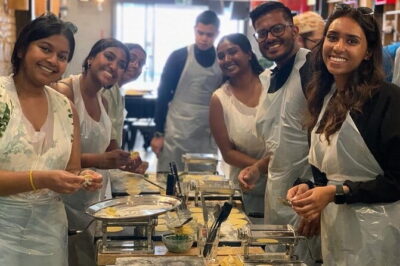 ★ 5.0Cooking Class Pasta & Tiramisu Making Unlimited WineFrom $892,234 reviews
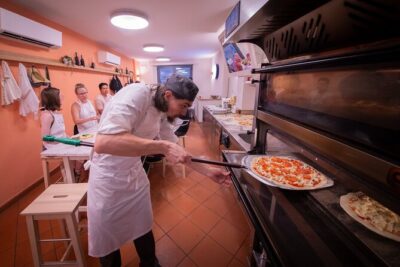 ★ 5.0Florence Cooking Class The Art of Making Gelato & Authentic PizzaFrom $642,053 reviews
Find this experience in another shortlist