
Florence field review · MEDICI FLORENCE & RENAISSANCE STORIES
LGBTQ + friendly Renaissance Gay life in Florence tour
Queer Florence has its own map. In this small-group walk, you follow a local guide through the city center while queer life, laws, and rumors from Renaissance times get treated as part of the real Florence story, not a side note. You start near the Hard Rock Cafe and spend about two hours moving site to site with headsets and time for questions, all in English.
I especially like the tour’s focus on under-the-radar streets where history feels human, not just museum-label dead. I also really enjoy how the guide, Mila Lavorini, weaves humor with frank context, so the topic stays readable and grounded.
One thing to consider: the stories can include harsh punishments and accusations tied to sexuality, so it is not a soft, fluffy tour.
Key highlights you should care about
- Small group size (max 10) plus headsets so you can actually hear the stories
- Mila Lavorini’s storytelling style, warm, practical, and tuned to questions
- Queer history through everyday places, not just a single monument
- Politics and penalties explained in plain terms as part of the city’s power structure
- Multiple Florence eras in one walk, with medieval attitudes showing up alongside Renaissance myths
More Medici stories behind the palaces, paintings and city streets
- The Best tour in Florence: Renaissance & Medici Tales – guided by a STORYTELLER★ 5.0 · 12,316 reviews
- Florence: Renaissance and Medici Tales Guided Walking Tour★ 4.8 · 1,549 reviews
- Florence: Mysteries of the Medici Guided Walking Tour★ 4.4 · 940 reviews
- Accademia Gallery: Michelangelo’s David and High Renaissance Art★ 4.0 · 872 reviews
A Florence Walk Focused on Queer Life, Not Just Art
If you already feel “I know Florence” after seeing a few big names, this tour is a useful course correction. Instead of treating sexuality as something you have to hunt for in footnotes, the guide makes it a guiding thread through the streets you will recognize anyway.
I like that you do not just get general statements. You get pointed stories tied to specific Florentine locations, which helps you connect the city’s architecture to how people were judged, protected, or punished. The vibe is also friendly for LGBTQ+ visitors, with an approach that feels respectful and clear.
Price and What You Actually Get in 2 Hours
The price is $30.07 per person for about two hours. For Florence, that is not a bargain like a free museum day, but it also is not museum-pricing either. You are paying mainly for a live guide plus headsets, which matter more than you might think on a busy walking route.
Another value perk: the stops are described as having free entry for admission. That means you should not get hit with surprise ticket costs at each stop. In a tight two-hour format, that keeps the focus where it belongs, on the conversation and the walk.
Meeting at Hard Rock Cafe and Working in a Max-10 Group
You meet at Hard Rock Cafe, Via dei Brunelleschi, 1, 50123 Firenze FI, Italy, and the tour ends back at the same spot. That makes it easy to slot into a day without long returns across town.
The max group size of 10 is a big deal for a topic like this. You get space to ask questions, and the guide can adjust pace if something lands differently for different people. You will also hear better thanks to the headsets. Even if you are sitting in a compact group, the narration stays clear.
Piazza della Repubblica: Starting With Renaissance Gay Life in Public Space
You begin at Piazza della Repubblica, a lively central square that many people pass through on the way to something else. Here, the guide sets the tone by framing Renaissance Florence as a place where sexuality was not treated like a private topic only.
This first stop is about getting your bearings fast. You learn how the tour will connect queer stories to civic life, legal enforcement, and local power. It also helps that you are starting in a place with constant movement, so the guide can talk about how visibility and rumor worked in real public settings.
Practical tip: take a moment here to look around. You will keep returning to the idea that Florence’s public spaces shaped social behavior.
Palazzo Strozzi: Laws and Penalties, Without the Legal Fog
From the square, you move into the world of Palazzo Strozzi. The focus is not the building’s Instagram angles. It is how laws and penalties shaped what people could do, how they got watched, and what consequences followed.
I appreciate this kind of storytelling because it gives you a framework. Instead of memorizing names and dates, you understand the mechanism: power, enforcement, and reputation. That makes later stops click, because you can interpret what you are hearing as a system, not just isolated gossip.
Keep the Florentine shortlist moving
Piazza Santa Trinita and the Spini Family Palace Stories
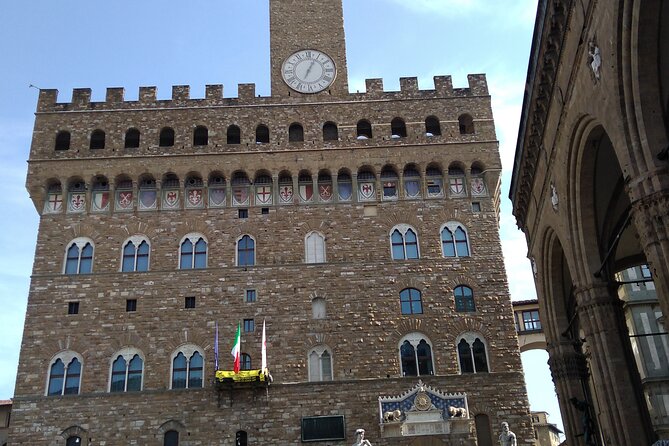
At Piazza Santa Trinita, the conversation turns toward the Spini family palace. This stop works because it shows how wealth and influence lived side by side with the social rules of the city.
A palace does not speak for itself as “queer history,” but that is the point. The guide uses places like this to explain how elite circles affected outcomes for everyone around them. It is less about sensationalism and more about how the city actually functioned.
The Story Linked to Gian Gastone de’Medici: Secret and Forbidden Life
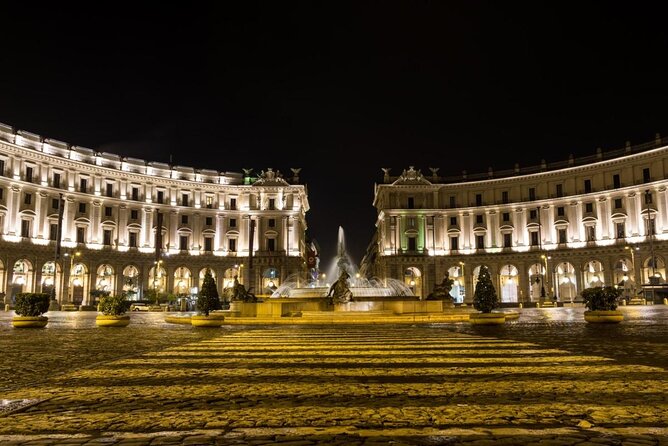
Between the main named stops, the guide brings in the secret and forbidden life of the last Granduke, Gian Gastone de’Medici. This portion is memorable because it shifts from general laws to specific power.
The tour treats this as part of the bigger Renaissance puzzle. You see how a ruler’s private life could become political, and how court culture shaped what people talked about and what people feared.
Ponte Vecchio: Lorenzo’s Philosophy and the Court of Pleasure
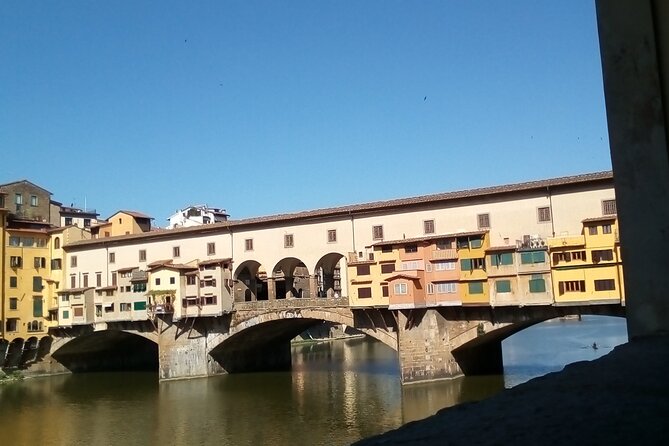
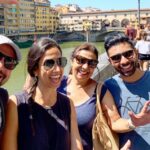
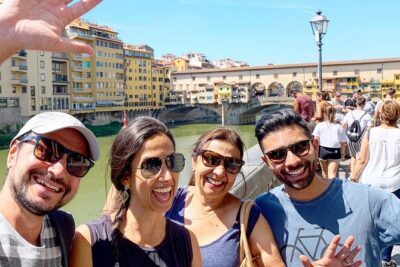
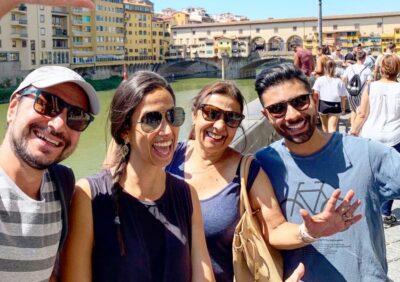
Next comes Ponte Vecchio, one of Florence’s most recognized bridges. The guide uses that famous setting to discuss Lorenzo’s philosophy and the idea of his court of pleasure.
What makes this stop click is the balance. Yes, it is a “see the view” moment. But the narration keeps dragging you back to the human side: how court life set norms, how some people were protected by their status, and how expectations still landed differently depending on where you stood in the social ladder.
Practical tip: this is a great place to slow down and look at the Arno. You are about to hear how different parts of the city shaped different stories.
Chiasso del Buco: Walking Toward a Medieval Gay Area
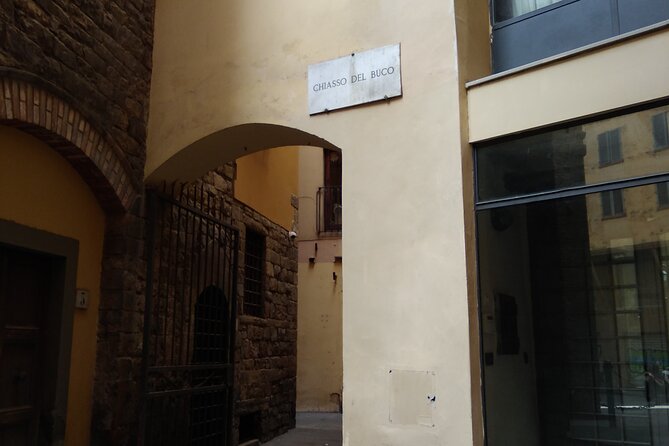
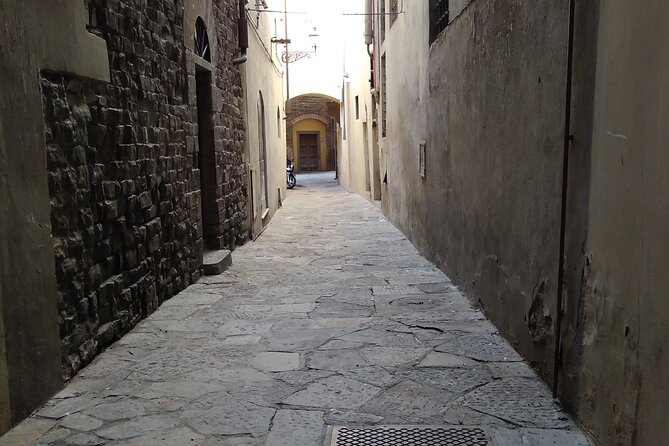
Then you turn into Chiasso del Buco, where the guide frames the walk as moving through a medieval gay area. The lane is narrow and atmospheric in a way that big plazas never are, which helps the history feel more immediate.
The value here is perspective. Medieval attitudes toward sexuality often get reduced to a stereotype. The tour instead focuses on how everyday social behavior and community judgment worked, and how people navigated those pressures.
If you like tours that treat street layout as a clue, this stop will feel like the tour’s secret engine.
Piazza della Signoria: A Sixteenth-Century Pride Story by Michelangelo’s David Copy
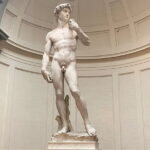
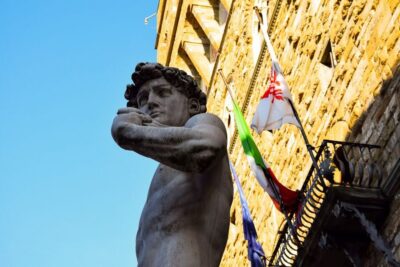
Piazza della Signoria is where many people expect art talks. The guide brings queer history into the frame by connecting the square to a story about the first Pride in the sixteenth century. Next to that, you see a copy of Michelangelo’s David, which creates an interesting contrast between idealized body imagery and the real-world policing of sexuality.
I like this stop because it helps you hold two ideas at once. Florence can celebrate the human figure and still enforce strict social rules. The narration helps explain how public symbolism and private consequence can exist in the same city at the same time.
Orsanmichele Church and Museum: Leonardo Denounced, Plus the Role of Female Prostitution
The final major theme lands at the Church and Museum of Orsanmichele. This is where the tone can feel heavier. You hear about Leonardo da Vinci being denounced twice for sodomy, and you also learn about the importance of female prostitution in the context of how people interpreted sexuality.
This is not just name-dropping. The guide connects accusations to how society managed anxiety. You also get a sense of how gender roles and sexual commerce were discussed as part of moral order, not treated as separate topics.
It is the kind of ending that stays with you, because it shows how public morality and private behavior were tangled. If you prefer light entertainment only, this may feel intense. If you want context, it is a strong finish.
Why the Small-Group Format and Headsets Matter Here
This is exactly the kind of tour where small changes improve the experience. Headsets mean you can keep walking without losing key details. A group of up to 10 means your questions are not drowned out.
And because the subject involves sensitive material, you need a guide who can read the room. Based on the guide’s approach, Mila Lavorini is careful, warm, and able to answer questions without turning it into a debate club.
Who Should Book This LGBTQ+ Friendly Renaissance Florence Tour
This tour fits best if you want:
- A city walk that ties together queer history, laws, and local power
- Stories that feel grounded in real places, not generic timelines
- A respectful guide who can handle questions and keep the tone clear
It may not be ideal if you only want mainstream Florence highlights, or if you prefer strictly upbeat topics with no accusations and punishments. Also, since it is a walking tour around central sites, you will want to be comfortable walking for the full two-hour span.
Should You Book This Tour or Skip It?
Book it if you want a different Florence angle that is specific, structured, and guided with care. The price is fair for what you get: headsets, a tight two-hour format, and multiple stops that connect sexuality to civic life. And if you have already seen the big icons, this is a smart way to make the city feel new again.
Skip it if you want only light sightseeing, or if you would rather avoid frank historical accusations. But if you are open to a more honest version of Renaissance Florence, this is an easy yes.
FAQ
How long is the LGBTQ+ friendly Renaissance Florence tour?
The tour is listed as about 2 hours.
Is the tour offered in English?
Yes, the tour is offered in English.
What is the group size?
The tour has a maximum of 10 travelers.
Where do I meet the guide?
You meet at Hard Rock Cafe, Via dei Brunelleschi, 1, 50123 Firenze FI, Italy.
Are headsets included?
Yes, headsets are included.
Do the stops require admission tickets?
The tour information lists admission tickets as free for the stops included.
Can I cancel for a full refund?
Yes, you can cancel for a full refund if you cancel at least 24 hours before the experience’s start time.
More Florence tours to open next
- The Best tour in Florence: Renaissance & Medici Tales – guided by a STORYTELLER
★ 5.0 · 12,316 reviews

Every Florence review, in one place
- Tuscany Day Trip from Florence: Siena, San Gimignano, Pisa and Lunch at a Winery
★ 5.0 · 21,634 reviews - The Best tour in Florence: Renaissance & Medici Tales – guided by a STORYTELLER
★ 5.0 · 12,316 reviews

The Medici thread through Florence
- The Best tour in Florence: Renaissance & Medici Tales – guided by a STORYTELLER
★ 5.0 · 12,316 reviews

Florence picks that sit just beyond this itinerary
- Florence: Duomo Complex Private Guided Tour & Optional Dome Climb
★ 5.0 · 4 reviews - Private Tour of Florence Cathedral, Bell Tower & Baptistery
★ 5.0 · 4 reviews - Michelangelo’s David Tour in the Accademia (Tickets NOT included)
★ 4.0 · 4 reviews - Exclusive Pisa Tour from Florence: With Skip-the-Line Access
★ 4.0 · 4 reviews - Full-Day Tour of Tuscany from Florence-small group up 8 pax
★ 4.5 · 4 reviews - Florence: Inferno Private Walking Tour
★ 5.0 · 4 reviews
More Medici Florence & Renaissance Stories worth comparing.
 ★ 5.0The Best tour in Florence: Renaissance & Medici Tales – guided by a STORYTELLERFrom $312,316 reviews
 ★ 5.0The Best Tour in Florence: Renaissance and Medici TalesFrom $310,810 reviews
 ★ 4.8Renaissance and Medici Tales Guided Walking TourFrom $21,549 reviews
 ★ 4.4Mysteries of the Medici Guided Walking TourFrom $31940 reviews
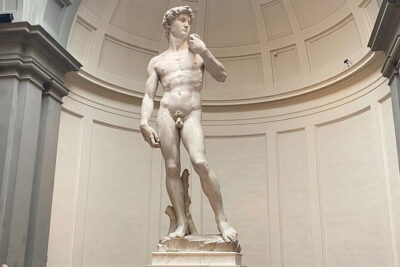 ★ 4.0Accademia Gallery: Michelangelo’s David and High Renaissance ArtFrom $43872 reviews
 ★ 4.7Guided Tour of Medici Family Secrets and ChapelsFrom $93512 reviews
 ★ 5.0Florence Private Tour: Renaissance, Famous Families & Hidden GemsFrom $199233 reviews
 ★ 4.5Pitti Palace, Palatina Gallery and the Medici: Arts and Power in Florence.From $82223 reviews
Find this experience in another shortlist