
Florence field review · TUSCANY WINE COUNTRY FROM FLORENCE
Wine Tasting Experience with Seven Types of Tuscan Wine
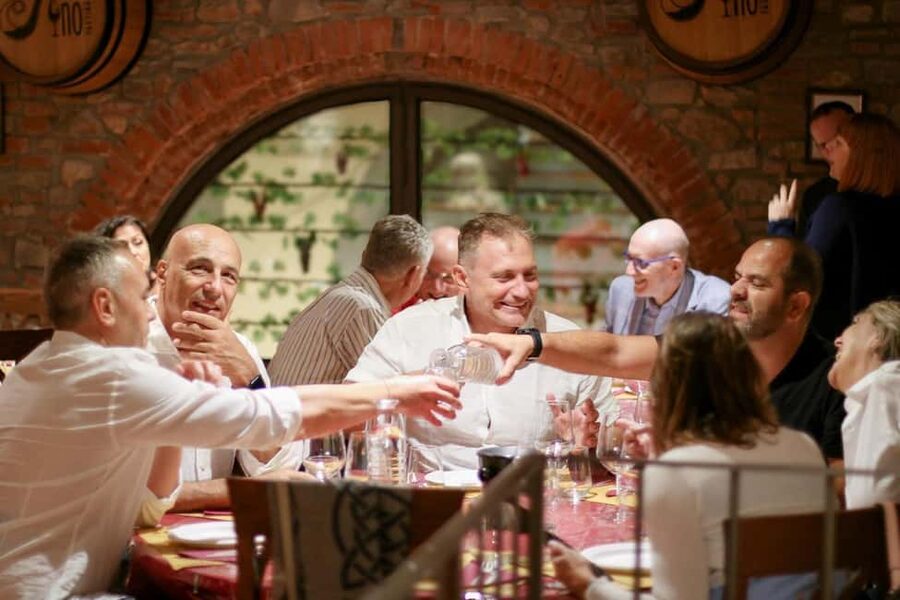
Seven Tuscan pours in 90 minutes. This Florence stop at Vino Tasting Global Srl is a fast, friendly way to see how Tuscan winemaking changes from region to region, from crisp Vernaccia to structured Brunello. In many sessions, you will be guided by sommelier Vinci (or a similar lead like Vince), who keeps the tasting practical and lets you taste with purpose.
I especially like the wine pairing setup, where the antipasto platter and explanations help you understand why each pour works with the food. The main trade-off is the pace: 1.5 hours is not a slow, long dinner, so if you want a meandering experience, this one may feel quick.
Seven Types of Tuscan Wine, the fast Florence way to understand Tuscany
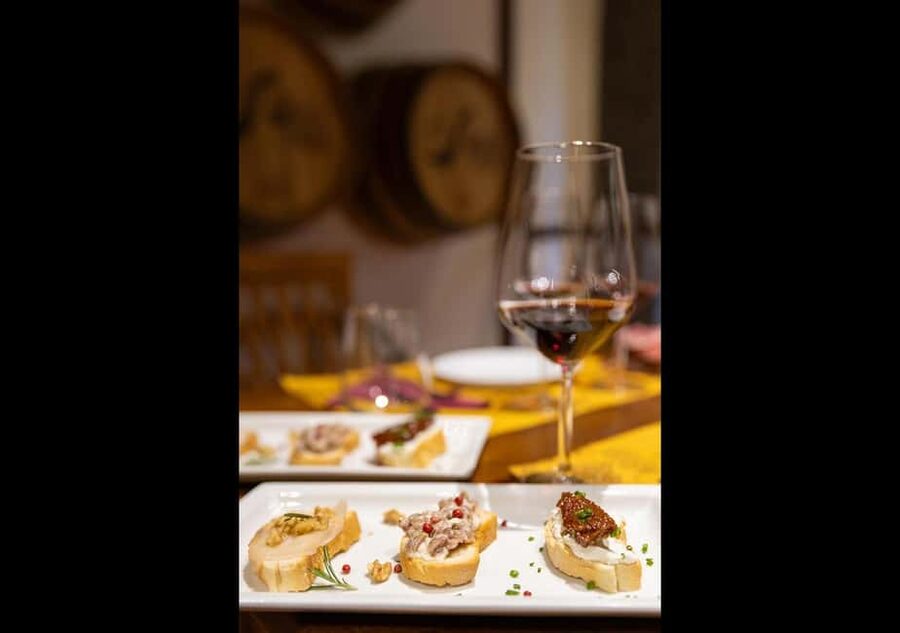
- A real comparison of styles, with seven wines lined up from bright to bold to age-worthy
- Food pairing that actually teaches, using local bites like olives, bruschetta, salami, and prosciutto
- A guided tasting class, not just drinking, with clear talk about flavors and structure
- Brunello and Chianti in one sitting, plus Bolgheri, Nobile di Montepulciano, and a final Miraia finish
- Optional adjustments for preferences, including getting an alternative pour if something is not your style
Open the wider Tuscany wine-country shortlist from Florence
- Tuscany Day Trip from Florence: Siena, San Gimignano, Pisa and Lunch at a Winery★ 5.0 · 21,634 reviews
- Florence: Chianti Wineries Tour with Wine Tasting★ 4.5 · 8,301 reviews
- Small-Group Wine Tasting Experience in the Tuscan Countryside★ 5.0 · 7,392 reviews
- SMALL-GROUP Wine Safaris: Tuscan Wine Tasting Tours from Florence★ 5.0 · 5,088 reviews
Inside Vino Tasting Global Srl, where a 90-minute tasting starts right
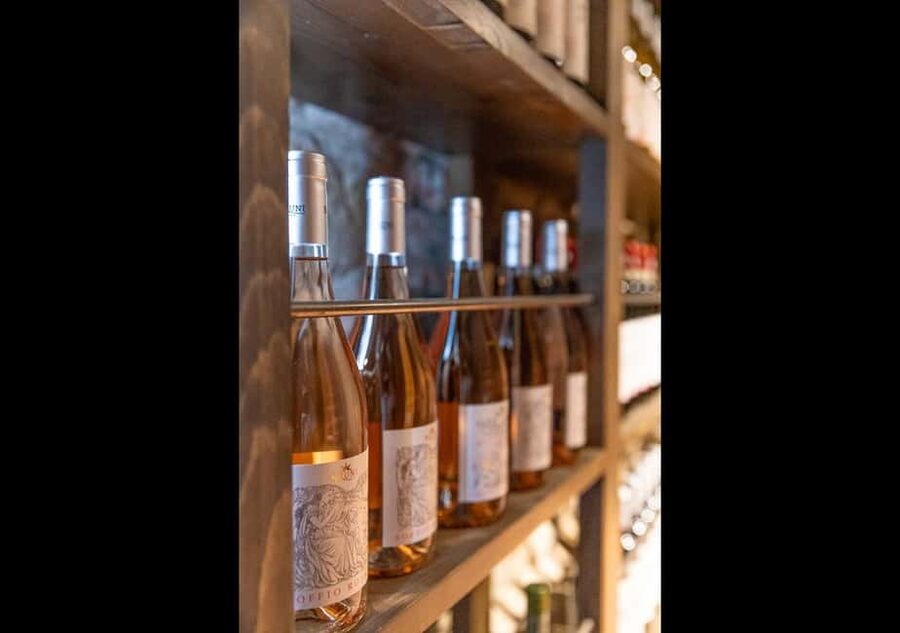
Your tour starts at Vino Tasting Global Srl, at Via del Gomitolo dell’Oro 11r, in Florence. No hotel pickup is included, so you will want to plan to arrive a few minutes early, then settle in before the first pour.
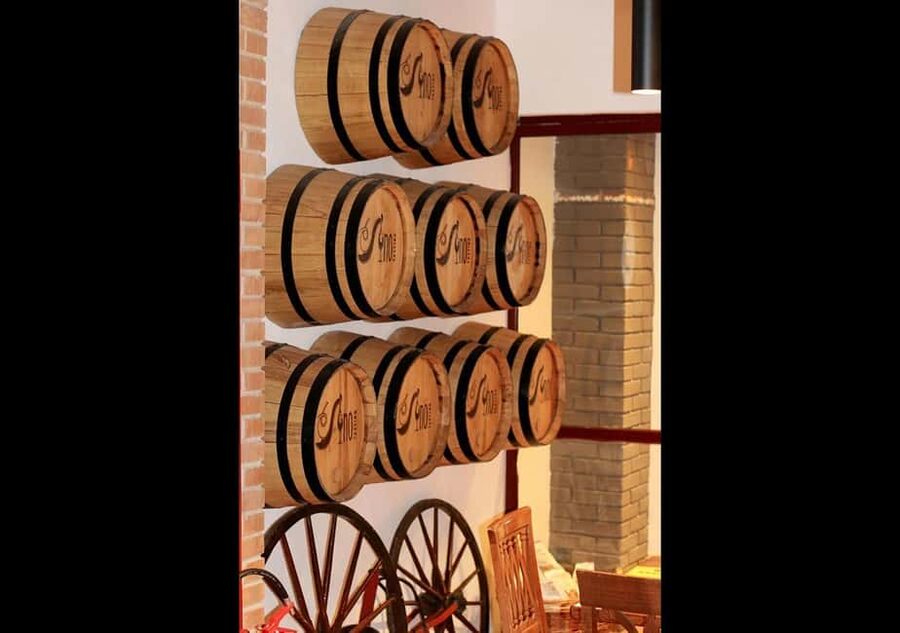
This is set up like a proper enoteca experience: you sit, taste, and learn in an air-conditioned space with WiFi available. Reviews also point to a cozy, elegant interior, so you are not fighting crowds or standing in the street between sips. It is an efficient way to do Tuscany while staying in Florence, especially if your schedule is tight.
The tasting sequence that teaches Tuscany, Vernaccia to Brunello and beyond
What makes this experience work is the order. You go from lighter, crisp wines into more powerful, structured styles. That makes it much easier for you to notice how acidity, tannins, and flavor intensity shift as the lineup progresses.
Here is the tasting flow, and what to listen for while you sip.
Vernaccia first, so you taste with a clean palate
The start is Vernaccia, described as crisp and mineral. This first pour is a smart choice because it sets your palate up for everything that comes later. If you pick up citrusy lift and that slightly stony, dry edge, you will have a baseline for comparing the bolder wines afterward.
For the food, the early rounds tend to work best with simple, savory bites. Think of how olives and bruschetta help keep flavors clear instead of coating your tongue.
Bolgheri Rosso, where Tuscany turns bold and plush
Next comes Bolgheri Rosso, billed as bold and opulent. This is where you start to feel more body and depth. Pay attention to whether the wine feels smooth and generous versus sharp and light. If you are new to wine, Bolgheri is often easier to enjoy because it tends to deliver immediate impact.
Food pairing at this stage matters too. Salami and prosciutto bring salt and fat, which can soften harsher edges and make the wine feel rounder. It also helps you learn what you personally like, because your favorite wine in the lineup is often the one that matches your taste for food.
Chianti Classico base, the classic cherry and earth lesson
Then you hit Chianti Classico in its base form, known for cherry and earth notes. This is a key moment for you, because Chianti is one of the most recognized Tuscan styles. You are not just tasting a grape, you are tasting a regional personality.
As you sip, try to separate fruit from that earthy, herbal vibe. If the wine tastes like red cherries plus a little dried-grass character, that is the point. Pair it with cured meats and bruschetta flavors and you should notice how the wine can feel both refreshing and satisfying at the same time.
More Florence tables, cellars and market stops to compare
Nobile di Montepulciano, smooth tannins and dark fruit
After Chianti, the tasting moves to Nobile di Montepulciano, described with smooth tannins and dark fruit. This is a great “midpoint” wine because it usually feels less aggressive than the most tannic styles, while still tasting serious.
When tannins are smooth, the wine can feel more like it hugs the palate instead of drying it out. Pairing with charcuterie helps you notice that difference fast. If you have ever wondered why some wines make your mouth feel grippy and others feel silky, this stop is where you learn it.
Chianti Classico Riserva, where aging becomes part of the flavor
Now you step into Chianti Classico Riserva, an aged expression that is described as nuanced. This is not just “the same wine but older.” Aging changes texture and balance. You may notice more complexity, less raw fruit, and more layered notes.
This is also where the pairing keeps getting important. Food can either make the wine pop or make it fade, so when the Riserva matches well, you taste how age can create harmony rather than just strength.
Brunello di Montalcino, the king moment of structure and complexity
Then comes Brunello di Montalcino, framed as the king of Tuscan wines, with powerful structure and complex flavors. Even if you are not a wine nerd, this pour tends to be memorable. You will likely notice more grip from tannins, and a slower, more layered flavor that takes time to unfold.
This is a good time to slow down for a few seconds between sips. Let your brain catch up. When Brunello is paired well with salty cured meats, it can feel like the wine and food are negotiating texture, rather than competing.
Miraia to end, elegant and age-worthy
Finally, you finish with Miraia, described as elegant and age-worthy. Ending with something like this is useful because it gives you a “closure” pour after the intensity of Brunello. You should feel the lineup shift toward refinement.
This last wine is also a chance for you to reflect on your own preferences. If you liked the punchy, bold wines earlier, Miraia may feel like a reward. If you prefer lighter styles, it can show you that Tuscany has more than just big reds.
Pairing bites that do more than fill your glass
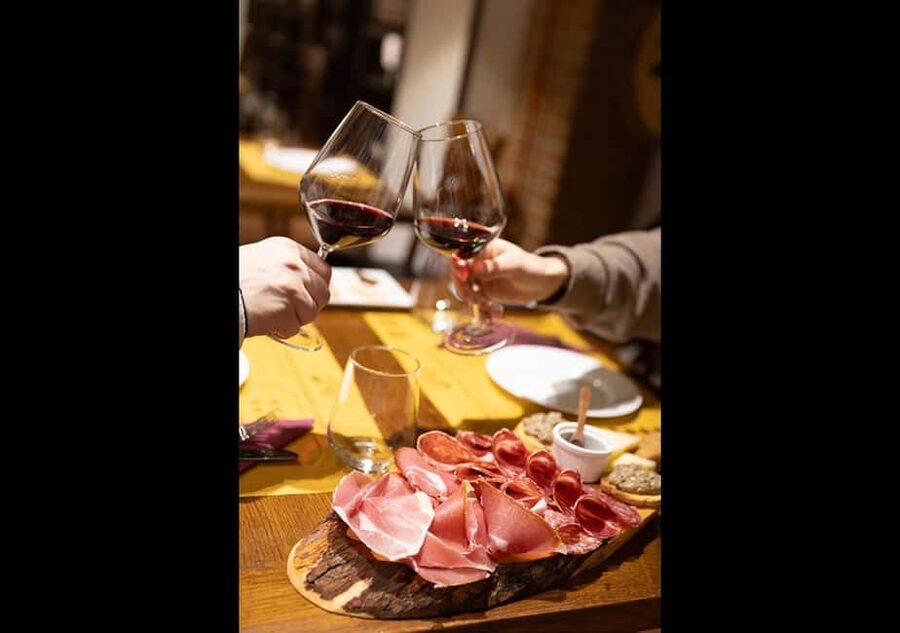
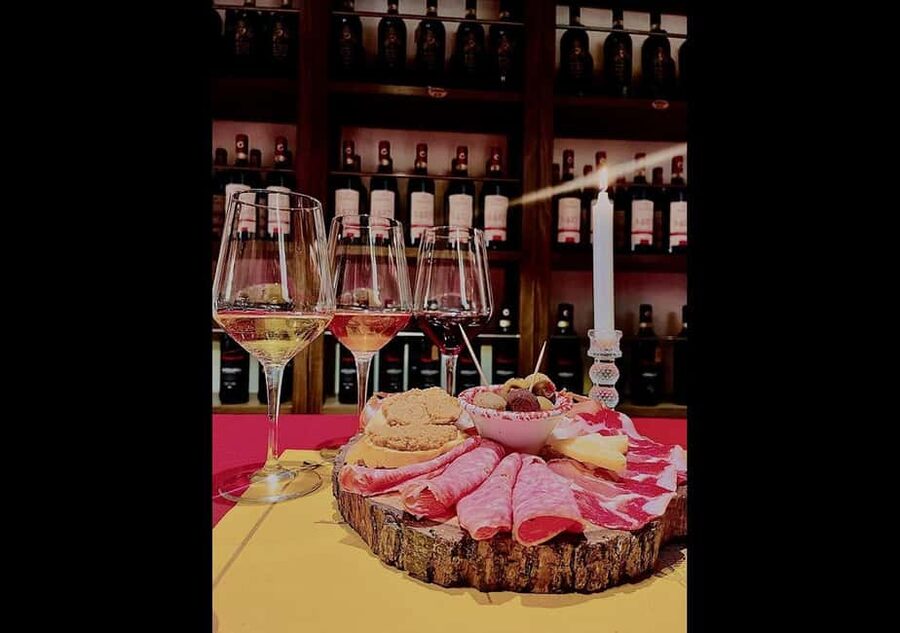
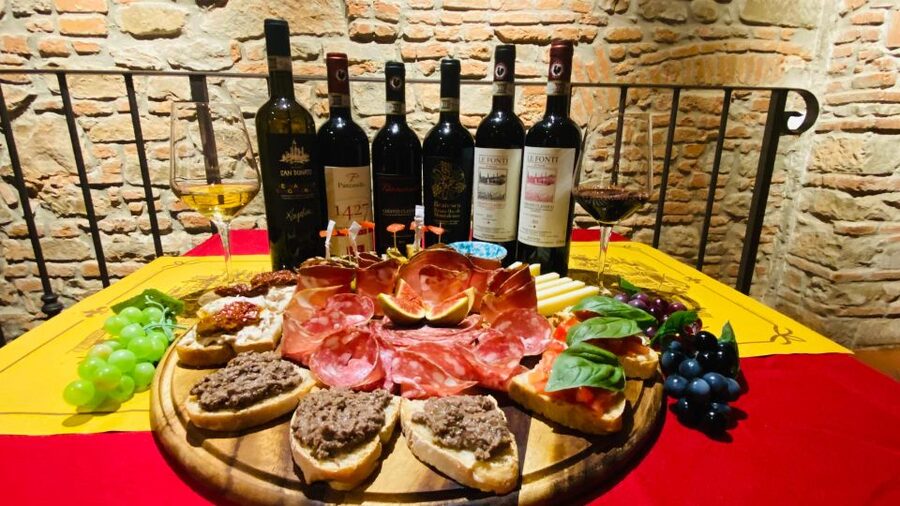
The food here is simple but thoughtfully chosen. You get a platter of Tuscan appetizers that includes Italian olives, bruschetta, salami, and prosciutto. In the real world, that is the trifecta that helps you taste wine clearly: salt, fat, and savory seasoning.
Cured meats bring out fruit and help tannins feel less drying. Bruschetta helps reset your palate and keeps acidity feeling lively. Olives add a salty, slightly bitter edge that can highlight mineral notes in the lighter wine and add contrast with the heavier reds.
One detail I like from the experience: the pairing is not just random. The class approach means you are learning how the bites interact with the flavors you are tasting. And if something is not working for you personally, you may be offered an alternative pour, so you are not stuck forcing it down.
What you are really buying for $65 in Florence
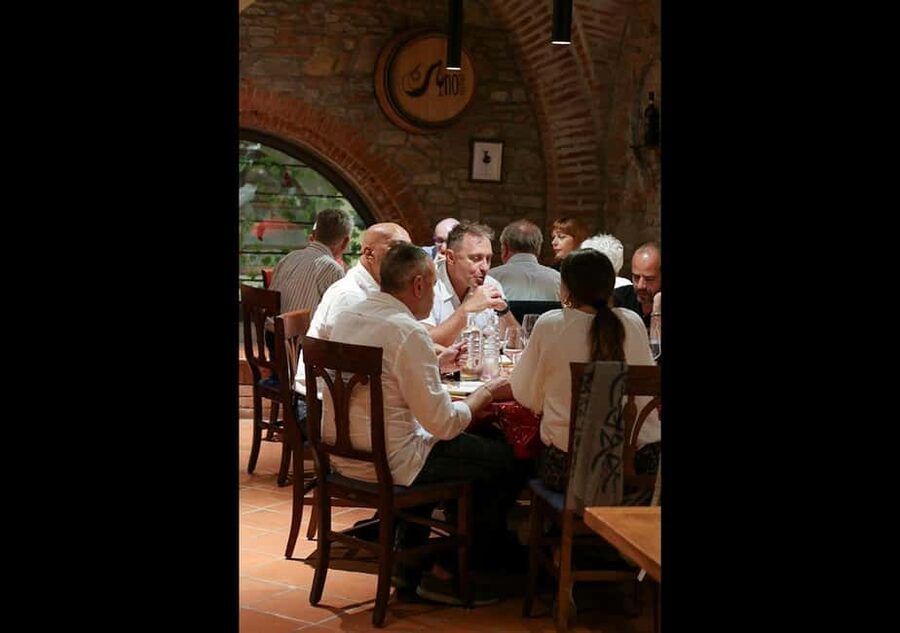
At $65 per person for 1.5 hours, you are paying for three things:
- A guided tasting class with an official certified guide
- Seven types of Tuscan wine
- A food platter built for pairing
If you tried to do this yourself, the cost of wine, plus the “how to taste it” guidance, usually adds up fast. Here you get a structured sequence that helps you learn quickly, without spending a whole day on the road.
Reviews also highlight that this is a strong option when you do not have time for a longer Tuscany outing. You get a meaningful overview of major Tuscan styles while staying in Florence, which is exactly what you want if your trip is packed.
How to get the most out of the 90 minutes
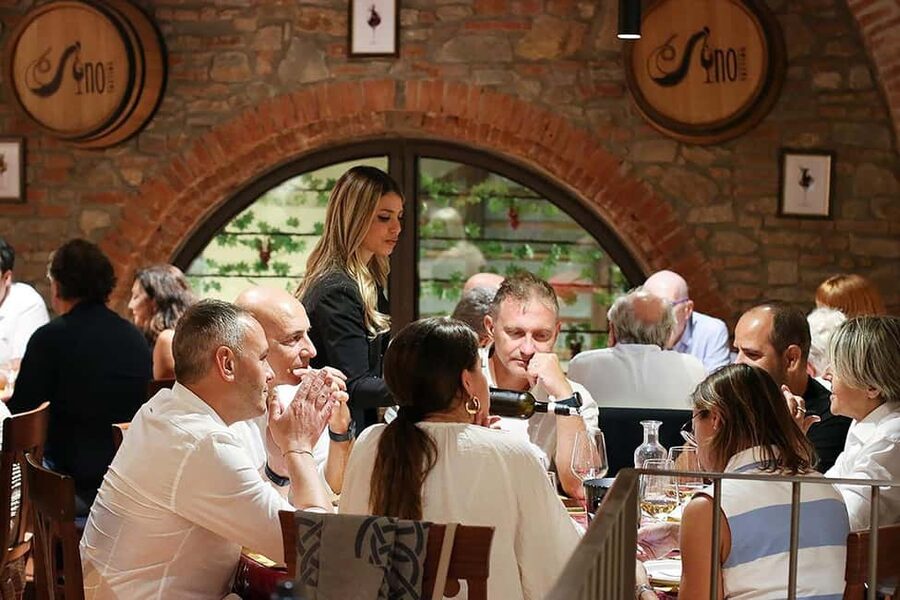
This tour is not a marathon. It is a sprint with good pacing and explanations that help you taste smarter. That means you should show up ready to participate.
A few practical tips:
- Ask questions about what you like, not what you think you should like
- Take small sips early on, so you can notice changes when the lineup shifts
- Use the food breaks to reset your palate before the next wine
- If you are not into a particular style, tell the guide. You may be able to adjust your pours
If you drink wine casually and just want a pleasant evening, this works. If you are curious and want to understand what separates Chianti, Brunello, and other Tuscan labels, this format is even better because you are tasting the differences in a single sitting.
Who this Tuscany wine tasting suits best
This experience is a good fit for:
- First-timers who want a guided start and do not want to research everything
- People who love food pairings and want the wine explained in that context
- Couples or small friend groups looking for a low-stress, local-feeling activity in Florence
- Anyone short on time who still wants to taste major Tuscan wines in one place
If you already know your way around wine and want a highly technical, vineyard-level deep lesson, you might find the timeframe limiting. But for most people, the mix of structure, variety, and pairing makes it a satisfying way to understand Tuscany’s flavors.
A few watch-outs to keep your night smooth
There are a couple of “know before you go” items that matter.
Alcohol is served only for participants who are 17 years and above, and the tour is not recommended for pregnant travelers. You should also bring a passport or ID card, since a valid identification document is required.
If you have dietary needs, the good news is that gluten free or vegetarian menu options are available on request. If you have allergies or intolerance, alert the team when booking and again before the tour, so they can plan the right pairing.
Finally, timing matters. If you arrive after the start time, you will not be able to join and will not be refunded. The solution is easy: arrive early, then take a slow breath before you start tasting.
Should you book Seven Types of Tuscan Wine in Florence?
I think you should book this if you want a smart, concentrated taste of Tuscany without committing to a full-day excursion outside Florence. It is especially worth it if you like the idea of learning through pairing, because the food platter is built to help you notice differences between Vernaccia, Chianti, Nobile di Montepulciano, Brunello, and the final Miraia pour.
Skip it if your goal is a long, unhurried sit-down meal, or if you prefer a very technical, slow-paced seminar. With 1.5 hours, the experience stays focused and efficient.
If you are the type of traveler who likes to make a plan, taste on purpose, and leave with a clearer idea of what you enjoy, this is a strong use of your time in Florence.
FAQ
Where is the meeting point for the wine tasting?
You meet at Vino Tasting Global Srl, Via del Gomitolo dell’Oro, 11r, 50123 Firenze FI, Italy.
How long is the experience?
The duration is 1.5 hours.
How much does the wine tasting cost?
The price is $65 per person.
How many wines are included?
You taste seven types of Tuscan wine as part of the experience.
What food is included with the wine?
You get a platter of Tuscan appetizers, including Italian olives, bruschetta, salami, and prosciutto.
Is the tour offered in English?
Yes. The live tour guide speaks English and Italian.
Is the venue wheelchair accessible?
Yes. The tour is described as wheelchair accessible, with an air-conditioned space and WiFi availability.
Are gluten-free or vegetarian options available?
Yes. A gluten free or vegetarian menu is available on request.
Are there non-alcoholic drinks for children?
For children, Coca Cola, Fanta, or Sprite are available.
What is the alcohol age requirement?
The minimum drinking age for alcoholic beverages is 17 years and above.
More of Florence at the table
- San Gimignano, Siena, Monteriggioni, Chianti Day Trip with Lunch & Wine Tasting
★ 4.5 · 4,432 reviews
Every Florence review, in one place
- Tuscany Day Trip from Florence: Siena, San Gimignano, Pisa and Lunch at a Winery
★ 5.0 · 21,634 reviews - The Best tour in Florence: Renaissance & Medici Tales – guided by a STORYTELLER
★ 5.0 · 12,316 reviews


Deeper into Tuscany wine country
- Tuscany Day Trip from Florence: Siena, San Gimignano, Pisa and Lunch at a Winery
★ 5.0 · 21,634 reviews
Florence picks that sit just beyond this itinerary
- One Hour Uffizi Guided Tour: Masterpieces of the Renaissance
★ 5.0 · 3 reviews - Sightseeing Tuscany by touring bike – 1 day rental
★ 5.0 · 3 reviews - Private Siena, S. Gimignano, Chianti Road and Wine Tasting
★ 5.0 · 3 reviews - Bargello Museum Private Tour: Michelangelo’s Bacchus & Donatello’s David
★ 5.0 · 3 reviews - Authentic Florence Cooking Class at Costanza’s 1839 Family Estate
★ 5.0 · 3 reviews - San Gimignano and Volterra private tour: etruscans, romans and middle age jewels
★ 5.0 · 3 reviews
More Tuscany Wine Country from Florence worth comparing.
 ★ 5.0Tuscany Day Trip from Florence: Siena, San Gimignano, Pisa and Lunch at a WineryFrom $11421,634 reviews
 ★ 4.5Chianti Wineries Tour with Wine TastingFrom $568,301 reviews
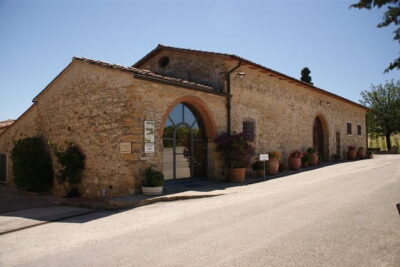 ★ 5.0Small-Group Wine Tasting Experience in the Tuscan CountrysideFrom $1077,392 reviews
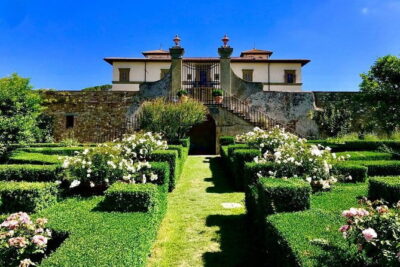 ★ 5.0SMALL-GROUP Wine Safaris: Tuscan Wine Tasting Tours from FlorenceFrom $1575,088 reviews
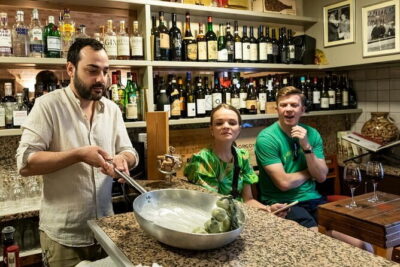 ★ 5.0Winner 2025 Florence Sunset Food & Wine Tour by Eating EuropeFrom $1495,015 reviews
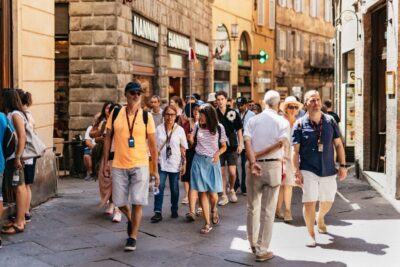 ★ 4.8From Florence: Siena, San Gimignano, Pisa & Lunch at WineryFrom $1124,538 reviews
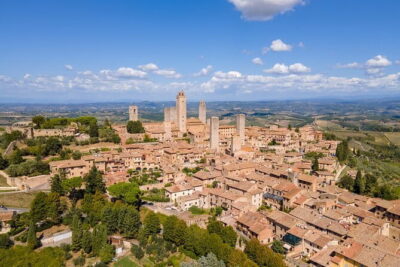 ★ 4.5San Gimignano, Siena, Monteriggioni, Chianti Day Trip with Lunch & Wine TastingFrom $834,432 reviews
 ★ 4.5Chianti Wine Tour from FlorenceFrom $593,979 reviews
Find this experience in another shortlist