
Florence field review · MEDICI FLORENCE & RENAISSANCE STORIES
The places of the Medici family: the Palace and the Chapels
The Medici story is right in front of you. In just three hours, you move from the Palazzo Medici, a statement of political control, to the Chapel of the Magi inside the palace, with a decoration-and-art moment that really lands. I like how this tour keeps the focus on what the Medicis did in Florence, not just what you can photograph.
My second big plus is the payoff at the other end: the Medici Chapels, including the New Sacristy by Michelangelo, plus the Chapel of the Princes and the solemn Medici burial areas. One thing to consider is that, while the guides are often praised for enthusiasm, you may run into occasional clarity issues depending on the guide’s accent, so choose your best seat and lean in when you want details.
Key things you’ll notice
- Palazzo Medici Riccardi first, so you understand power before you see the tombs
- Chapel of the Magi is the wow stop you’ll remember later
- New Sacristy by Michelangelo anchors the chapels with real star power
- Chapel of the Princes uses Florentine mosaic in semi-precious stones
- A short Piazza San Lorenzo photo stop gives quick visual context
- Private-group pacing helps you ask questions without getting rushed
More Medici stories behind the palaces, paintings and city streets
- The Best tour in Florence: Renaissance & Medici Tales – guided by a STORYTELLER★ 5.0 · 12,316 reviews
- The Best Tour in Florence: Renaissance and Medici Tales★ 5.0 · 10,810 reviews
- Florence: Renaissance and Medici Tales Guided Walking Tour★ 4.8 · 1,549 reviews
- Florence: Mysteries of the Medici Guided Walking Tour★ 4.4 · 940 reviews
Medici power, told in the buildings themselves
Florence in the Renaissance did not run on vibes. It ran on money, alliances, and taste. The Medici family were bankers and patrons for almost three hundred years, and that long grip shows up in the city’s most important art and architecture. On this tour, you do not have to stitch the story together yourself. You see how influence looks when it is spent on buildings, collections, and artists.
What I like is the tour’s clear sequence. You start with the Palazzo Medici, where you get the sense of courtly life and political reach. Then you shift to the Medici Chapels, where you see how the family managed memory and status long after death. The result is a story you can feel in your body, not just facts in your notes.
You also get a strong reminder that the Medicis were not only collectors and patrons. They helped shape the environment where major Renaissance figures like Botticelli, Brunelleschi, and Michelangelo could create. Even if you are not an art super-fan, the buildings make the point quickly. Florence’s art was not created in a vacuum, and the Medicis were deeply tied to that momentum.
Riccardi Medici Palace: where status becomes architecture
Your tour starts at the Riccardi Medici Palace, and that is a smart way to begin. This is not a museum aisle where everything feels equal. The Palazzo Medici feels like a place built for command. You spend about an hour in the palace with a guided visit, and the focus is on how the Medicis used space to express authority.
You can expect to walk through large, impressive rooms that hint at the noble life of the Renaissance. The Medicis were politicians as well as financiers, and the palace reflects both roles. Even without knowing every detail, you feel the scale and the deliberate grandeur.
Practical note: palace interiors can be visually intense. If you like taking photos, decide early what you want. I find it helps to pick one or two angles in each room so you do not end up scrolling through a camera roll of almost-the-same shots.
Also, because the tour includes a skip-the-ticket-line approach, you lose less time to waiting. That matters here, because you only have three hours total. This is one of those tours where time management is part of the value.
Chapel of the Magi: the wow moment inside the Palazzo
Inside the Palazzo Medici, the highlight is the Chapel of the Magi. Expect a genuine surprise factor, the kind of stop that makes you pause and go quiet for a minute. The tour positions this as the wow effect, and it makes sense. A chapel is intimate. It changes the mood fast.
The guided approach is important here. Decorative religious spaces can look beautiful but vague if you do not have someone connecting symbols and choices to the people who built the place. Your guide should help you make sense of what you are seeing and why it mattered to a family that wanted to control both politics and culture.
Even if you are not religious, this part works because it is art with intention. The Medicis were patrons who financed Renaissance creativity. So it is not random ornament. It is a carefully chosen way to communicate power through spiritual space.
If you are the type who likes to ask questions, this is a great time. Guides generally get more animated when they talk about the chapels, and the wow effect is easier to understand when you can ask, Why this, and why now?
Piazza San Lorenzo: a quick context stop with photo value
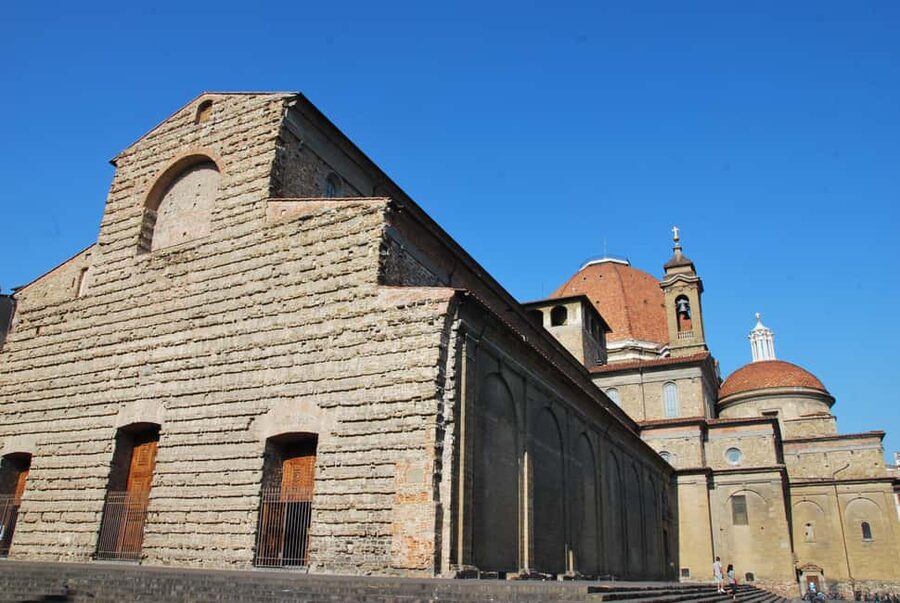
After the palace portion, there is a Piazza San Lorenzo photo stop and a short guided visit, around 15 minutes. This is not a long detour, but it can help you reorient.
Why it helps: Florence is compact, but your brain needs reference points. San Lorenzo sits in the center of the city’s story, and even a brief pause gives you a sense of where everything sits. You get a chance to take pictures, reset your feet, and let the big palace moments sink in before the chapels.
If your camera battery is low, charge it here if you can. The chapels are where you will likely want the photos, and you do not want to spend the most memorable part fiddling with settings.
Medici Chapels: New Sacristy, Princes, and the Medici burial crypt
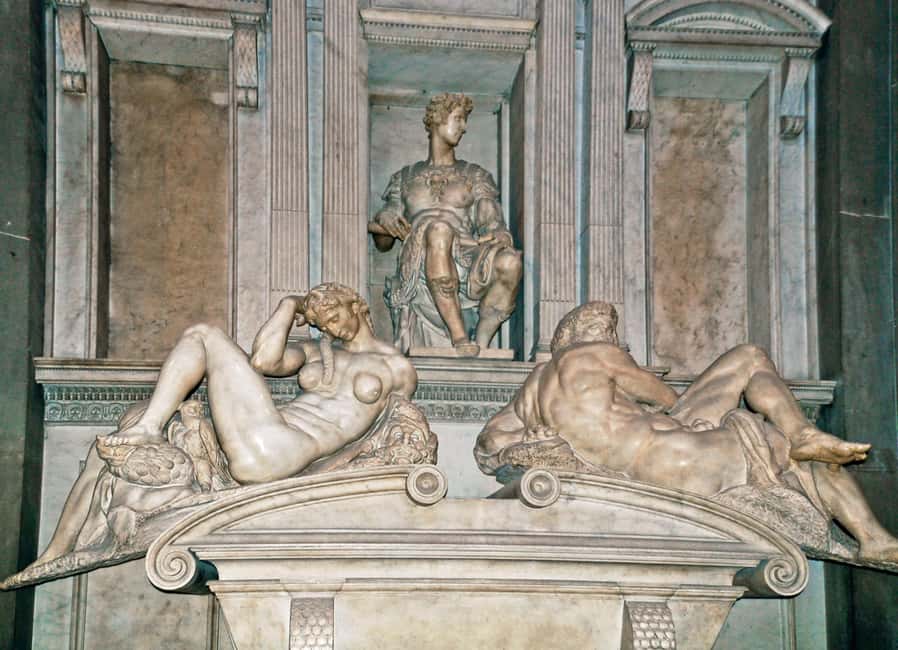
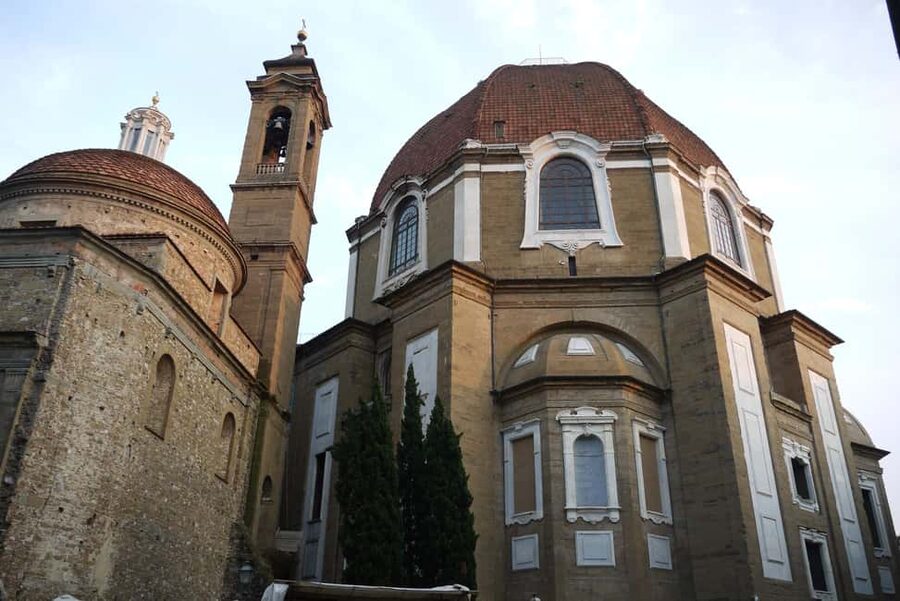
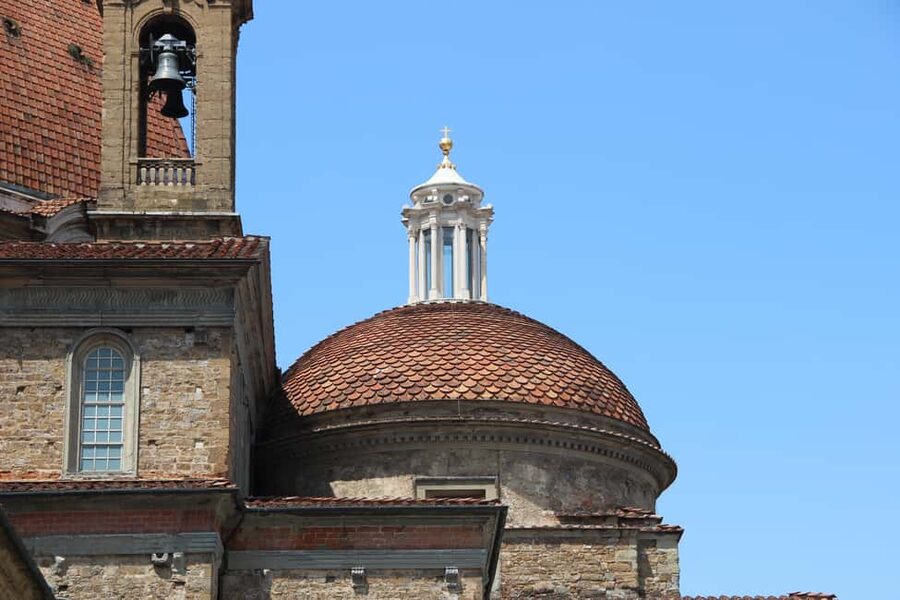
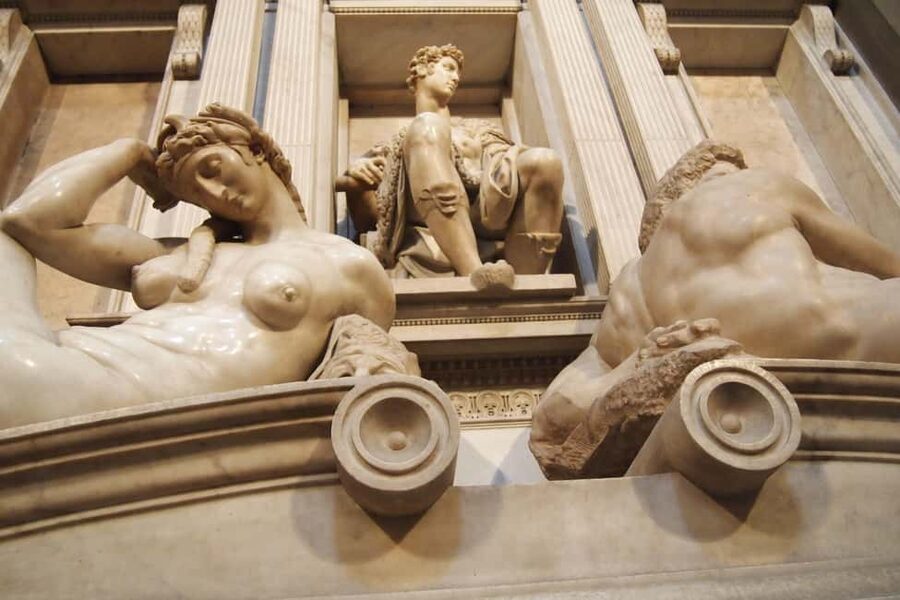
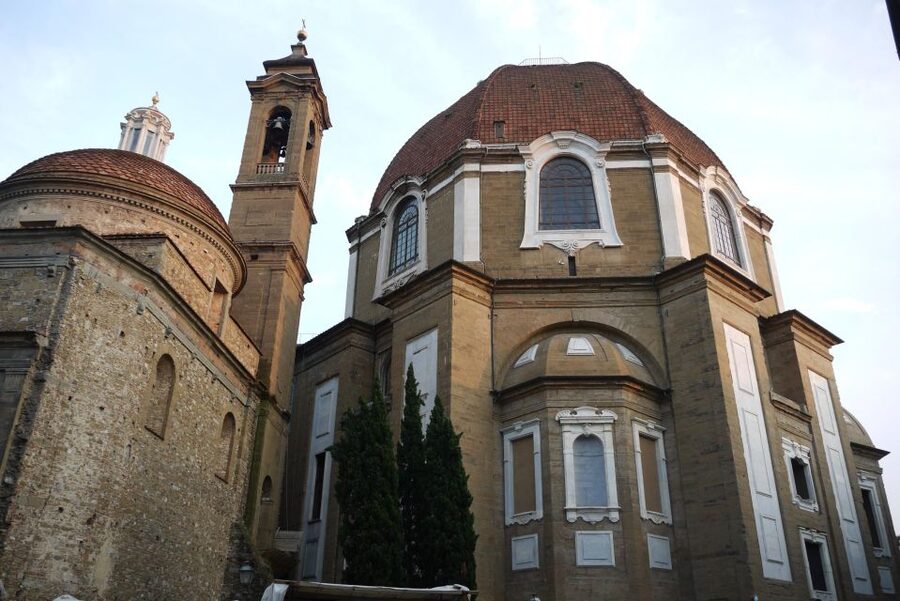
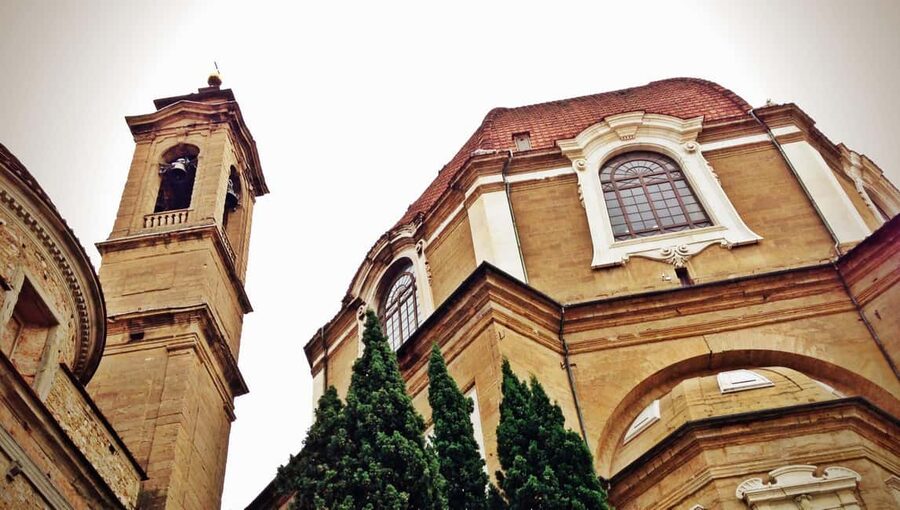
Then you move into the Medici Chapels, where the tone shifts. The palace is about public power. The chapels are about legacy. You’ll spend about an hour here, guided, seeing multiple linked spaces with different artistic moods.

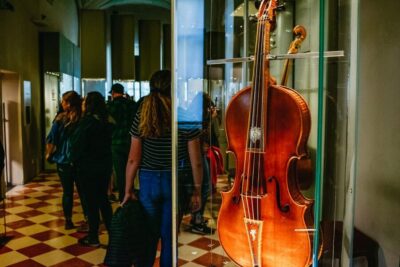
New Sacristy by Michelangelo
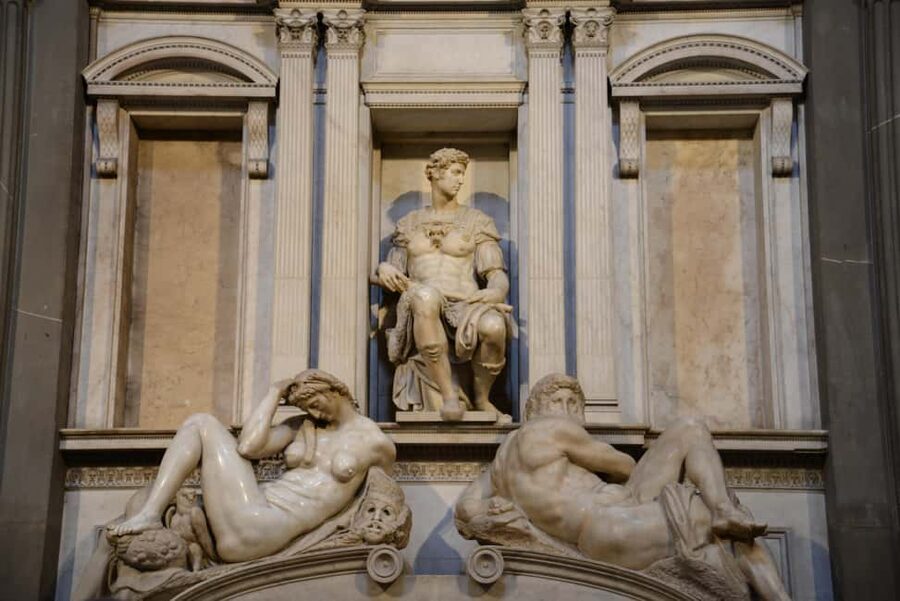
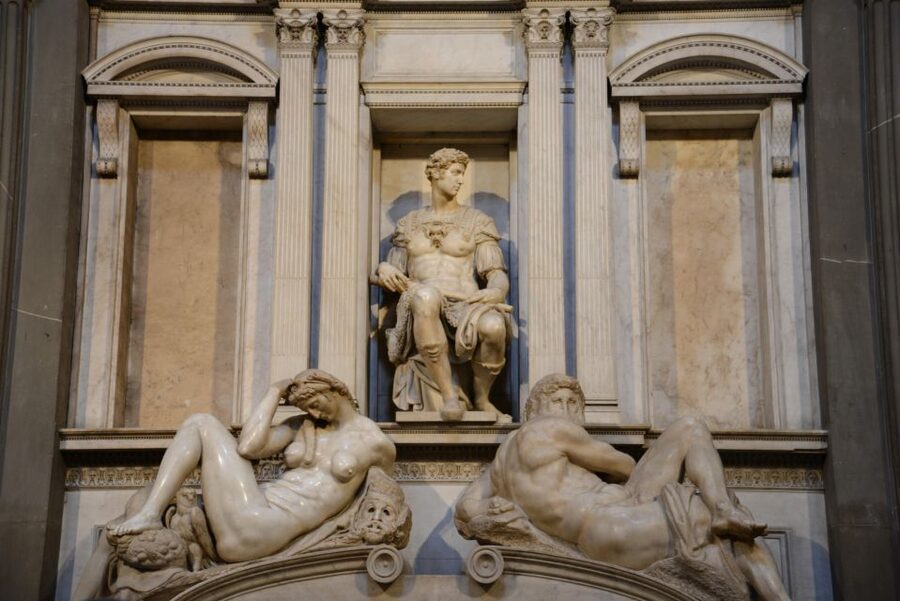
The anchor is the New Sacristy, and yes, it is the work of Michelangelo. That alone is worth attention. Michelangelo’s involvement turns the chapels into more than a family shrine. It becomes a meeting point between the Medici desire for permanence and the Renaissance drive for artistic muscle.
Even if you have seen Michelangelo work before, being in a space tied to the Medicis changes the experience. You feel that the art is not floating. It is bound to a specific agenda and a specific place in Florence.
Chapel of the Princes with Florentine mosaic
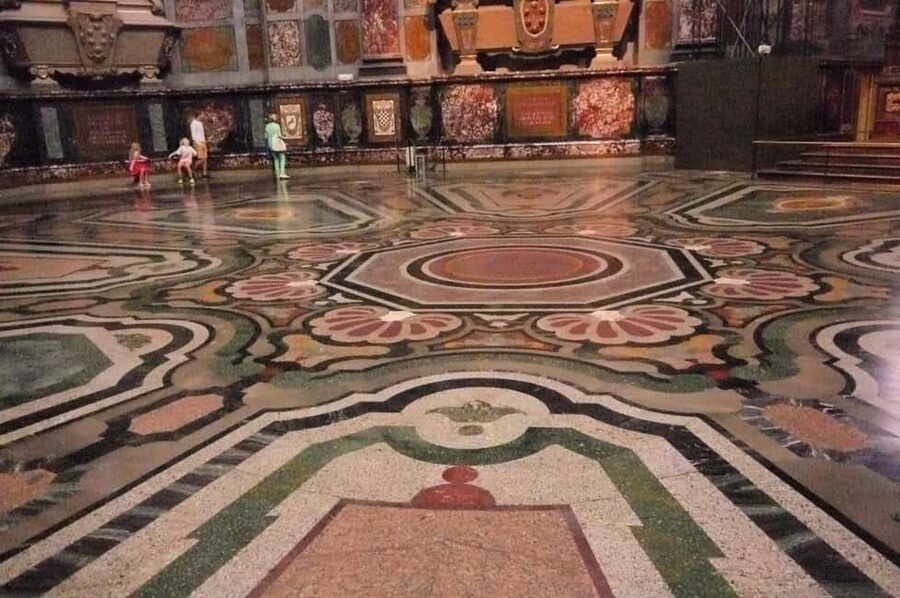
Next is the Chapel of the Princes, known for its Florentine mosaic made with semi-precious stones. This is where you can slow down with your eyes. Mosaic can look like glitter at first glance, but with guidance you start noticing craft, planning, and the way the material supports the message.
The Medicis liked beauty, but they also liked durability and impact. Mosaic is tough to ignore, which is exactly the point. If you are an art materials nerd, this section can be surprisingly satisfying.
The solemn Crypt
Finally, you reach the crypt, where the Medici family members are buried. The Crypt is described as solemn, and that tone matters. This is where the tour stops being about splendor and becomes about mortality, memory, and power carried forward.
If you tend to rush through darker spaces, I would resist the urge here. Let the guide’s pacing do its job. The contrast between ornate chapels and a more quiet burial setting is part of what makes this area memorable.
You finish at Cappelle Medicee, which is a nice clean end point. You do not end up stranded halfway through a big complex feeling like you still owe the city time.
The guides: why the interpretation often wins
This kind of tour can go two ways. You can get a list of rooms and dates, or you can get the human story behind them. Based on the strongest feedback tied to the experience, the guides are a major reason people rate it highly.
Names that come up in praise include Rossana, Christina, Catherina, Adriana, and Susanna. The recurring theme is simple: guides bring energy, answer questions, and connect what you see in the palace and chapels to how the Medicis shaped Florence. One guide is even described as especially accommodating when people needed water or wanted to pause for pictures.
That said, there is one practical caution from the feedback: in at least one case, a heavy accent made the information harder to follow. This does not mean the tour is bad. It means your personal listening preference matters.
My advice is straightforward. Pick a spot in your group where you have the guide’s voice clearly in your hearing range. If you want depth, bring a few targeted questions like who the Medicis were in practice, not just in legend, and how patronage changed what Florence produced.
Also, the tour runs with live guides in multiple languages, including English, Italian, Spanish, German, French, and Portuguese. That helps if you want the explanation in your comfort language rather than guessing.
Timing and walking rhythm in three hours
Let’s talk pacing, because three hours can feel either perfect or frantic, depending on how it is managed.
You start with about an hour at the Palazzo Medici Riccardi, then a short Piazza San Lorenzo stop around 15 minutes, then about an hour for the Medici Chapels. That structure keeps the flow tight. You do not get bogged down, but you also are not sprinting through a blur of rooms.
Expect a guided rhythm where you move from one key area to the next, with explanations at each stop. If you like to read plaques, you might want to do it lightly. The guided time is the point here, so spend your brainpower on what the guide is highlighting rather than trying to absorb every written detail.
Shoes matter. You are inside buildings, but you will still be moving between spaces and standing for descriptions. Florence is also a city where you do not want to arrive at noon with tired ankles. If you can, schedule this tour when your legs feel fresh.
One more tip: if you care about photos, plan to take more in the palace transition points and in the chapels where your guide points out the standout areas. That is the best use of your camera time.
Value: what you get for your time
There is no single magic trick to value. It is usually about proportion. In this case, the proportion is strong.
In three hours, you cover two of the most Medici-representative sites in Florence: the Palazzo Medici and the Medici Chapels. You also get a guided explanation that connects political power, culture, and art patronage. Doing this on your own can mean more line waiting, more uncertainty about what you should prioritize, and more time spent figuring out how to connect the story.
The experience also includes private group service, which generally makes questions easier. If you are traveling with friends or family and you want everyone to hear the same explanation without competing for attention, private-group pacing is a real advantage.
In terms of price, I do not have an exact number here. But I can tell you how to judge the value yourself. Compare what you would spend if you booked separate entry tickets and then spent extra time re-entering, re-routing, and trying to interpret chapels and Michelangelo spaces without guidance. When a tour bundles the major sites with a live guide and skips a ticket line, it tends to feel reasonable for most budgets that can swing guided experiences.
Who this fits best:
- First-timers who want Florence’s Renaissance story explained in plain language
- Art lovers who like seeing patronage and politics side by side
- People who want a focused three-hour block rather than a half day of museum wandering
Who might not love it:
- If you want long, self-paced wandering with lots of downtime
- If you are extremely sensitive to accents and prefer to follow everything by reading, not listening
Should you book the Medici palaces and chapels tour?
I think you should book this if you want Florence’s Renaissance power story told in the right order, palace first, chapels second. It is the kind of tour that helps you understand why Florence became a magnet for artists in the first place. You will come away with more than photos. You should leave with a clearer mental map of how the Medicis translated influence into art and architecture.
Book it especially if:
- You care about Michelangelo and what his work means in a Medici context
- You want the Chapel of the Magi moment without having to guess what to look for
- You like guided interpretation and question-friendly pacing
Skip it or consider an alternative if:
- You prefer a very quiet, slow pace with minimal talking
- You know you struggle with accents and cannot switch guides or language comfortably
Bottom line: for three hours, this is a high-impact way to see where Medici power lived, where it was displayed, and where it was sealed in stone and mosaic.
FAQ
How long is the tour?
The tour lasts 3 hours.
Where does the tour start?
It starts at the Riccardi Medici Palace.
What places will we visit during the 3 hours?
You will visit the Palazzo Medici Riccardi (including the Chapel of the Magi), have a photo stop at Piazza San Lorenzo, and then visit the Medici Chapels.
Which Medici Chapels are included?
The tour includes the Medici Chapels, including the New Sacristy by Michelangelo, the Chapel of the Princes with Florentine mosaic in semi-precious stones, and the Crypt where Medici family members are buried.
Is this a private tour?
Yes, it is a private group.
What languages are offered?
The live guide is available in English, Italian, Spanish, German, French, and Portuguese.
Is the tour wheelchair accessible, and what identification should I bring?
The tour is wheelchair accessible. You should bring a passport or ID card, and a copy is accepted.
Every Florence review, in one place
- Tuscany Day Trip from Florence: Siena, San Gimignano, Pisa and Lunch at a Winery
★ 5.0 · 21,634 reviews - The Best tour in Florence: Renaissance & Medici Tales – guided by a STORYTELLER
★ 5.0 · 12,316 reviews

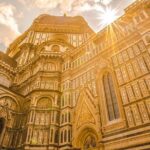
The Medici thread through Florence
- The Best tour in Florence: Renaissance & Medici Tales – guided by a STORYTELLER
★ 5.0 · 12,316 reviews
Florence picks that sit just beyond this itinerary
- One Hour Uffizi Guided Tour: Masterpieces of the Renaissance
★ 5.0 · 3 reviews - Sightseeing Tuscany by touring bike – 1 day rental
★ 5.0 · 3 reviews - Private Siena, S. Gimignano, Chianti Road and Wine Tasting
★ 5.0 · 3 reviews - Bargello Museum Private Tour: Michelangelo’s Bacchus & Donatello’s David
★ 5.0 · 3 reviews - Authentic Florence Cooking Class at Costanza’s 1839 Family Estate
★ 5.0 · 3 reviews - San Gimignano and Volterra private tour: etruscans, romans and middle age jewels
★ 5.0 · 3 reviews
More Medici Florence & Renaissance Stories worth comparing.
 ★ 5.0The Best tour in Florence: Renaissance & Medici Tales – guided by a STORYTELLERFrom $312,316 reviews
 ★ 5.0The Best Tour in Florence: Renaissance and Medici TalesFrom $310,810 reviews
 ★ 4.8Renaissance and Medici Tales Guided Walking TourFrom $21,549 reviews
 ★ 4.4Mysteries of the Medici Guided Walking TourFrom $31940 reviews
 ★ 4.0Accademia Gallery: Michelangelo’s David and High Renaissance ArtFrom $43872 reviews
 ★ 4.7Guided Tour of Medici Family Secrets and ChapelsFrom $93512 reviews
 ★ 5.0Florence Private Tour: Renaissance, Famous Families & Hidden GemsFrom $199233 reviews
 ★ 4.5Pitti Palace, Palatina Gallery and the Medici: Arts and Power in Florence.From $82223 reviews
Find this experience in another shortlist