
Florence field review · ACCADEMIA & DAVID EXPERIENCES
Skip the line: Accademia Small Group and walking tour of Florence
David up close, then Florence on foot.
This skip-the-line Accademia Gallery tour saves you from the long queue and pairs it with a guided walk through Florence’s core sights. I like the semi-private group format too, capped at 15, so you can actually hear your guide and take photos without feeling shoved along. One thing to consider, though, is that the experience is listed at about 3 hours, and at least one prior booking reported a shorter time on the ground.
You also need to be comfortable climbing and descending stairs, especially around museum areas. If you are hoping for a slow, deep museum day where you read every plaque, you may feel rushed. But if you want a strong Florence highlight circuit with good context, this is a very practical way to do it.
Key takeaways before you go
- Skip-the-line entry at the Accademia Gallery helps you get to Michelangelo’s David faster.
- A professional art historian guide focuses your time on what matters, not just what you can see.
- Centro Storico walking tour connects Roman origins to later centuries, so the landmarks feel less random.
- Short, high-impact stops at Piazza della Signoria, Palazzo Vecchio, Ponte Vecchio, and the Duomo area keep the pace efficient.
- Maximum 15 travelers usually means a more human-sized group.
Compare the Accademia visits built around the original David
- Florence: Timed Entrance Ticket to Michelangelo’s David★ 4.6 · 16,983 reviews
- Florence: Michelangelo’s David Skip-the-Line Entry Ticket★ 4.5 · 12,764 reviews
- Florence Accademia Gallery Tour with Entrance Ticket Included★ 4.5 · 6,148 reviews
- Florence: Accademia Gallery Guided Tour★ 4.6 · 4,156 reviews
Accademia Gallery skip-the-line: getting to Michelangelo’s David faster
Your afternoon starts at 10:00 am at Piazza della Repubblica, with the Accademia Gallery as the first big target. The tour is designed around time savings, so the “skip the line” part matters. The Accademia is one of those places where arriving early or booking ahead does not always remove crowds, and your best move is to let the ticketing and entrance flow be handled for you.
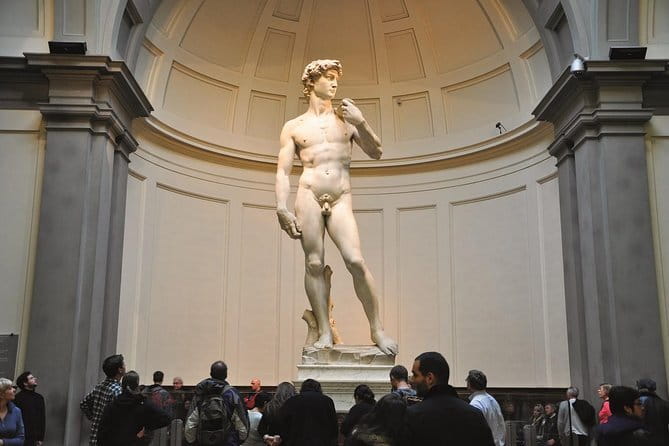
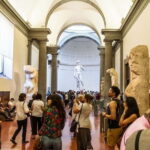
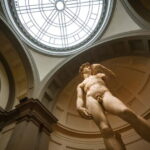
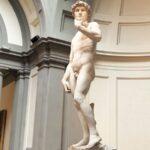
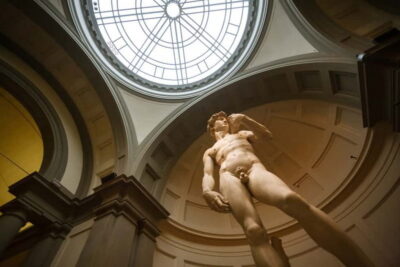
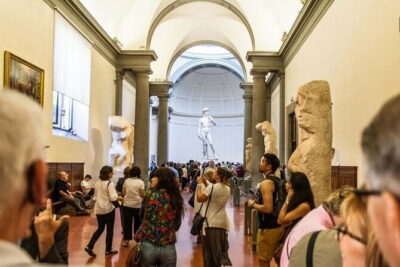
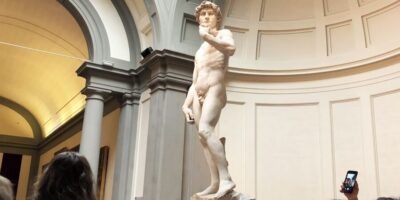
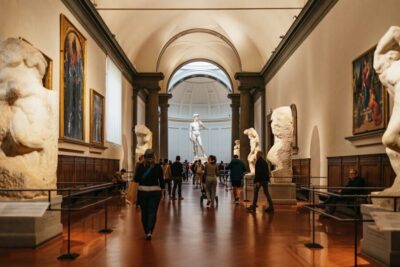
Inside, you get about one guided hour at Galleria dell’Accademia. This is where Michelangelo’s original David is the star, and the guide’s job is to explain why it became such a recognizable symbol of Florence. You will also hear stories tied to what the statue used to represent in Michelangelo’s time, not just modern-day museum facts. That context is the difference between seeing a famous sculpture and understanding why people obsessed over it.
You can expect a structured visit with a local guide, described as a professional art historian style. That matters for Florence museum visits, because the works can feel “quiet” if you do not have a voice tying them to politics, patronage, and Renaissance ambition. Even a good self-guided audio tour can feel like you are scanning. A guide helps you slow down at the right moments.
Quick practical tip: comfortable shoes matter here. Museum time might be a short block, but you are still walking through galleries and moving between areas. And remember, the experience requires that you can climb and descend stairs.
The Centro Storico walking tour: facts plus Florence’s secret connections
After the Accademia, the route turns into a walking tour through Centro Storico for about one hour. This part is built for orientation. The guide frames Florence as a city that layers eras on top of each other, from Roman origins to a 15th century palace. That kind of structure makes the sights feel like a story instead of a checklist.
One of the most useful moments comes as you get introduced to Piazza della Signoria. You are positioned near the main civic buildings, including where Palazzo Vecchio fits into the political center of Florence. If you have never been here before, this is one of the best places to understand how Florentines organized power and public life. If you already know the basics, you will still appreciate the guide’s emphasis on what you are seeing and why it mattered.
This is also where a great guide can make the difference. The best versions of this tour are the ones where you leave with clear mental maps. In one strongly positive account, the guide Alberto was praised as on time and professional, and the same review said he even helped with a lunch reservation. That is the kind of added value you get when a guide knows how to connect your sightseeing to real life in Florence.
Still, not every version lands the same way. One unhappy review described a guide who provided little museum and Florence context. You cannot control who you get, but you can control your behavior: ask one or two questions early. If the guide is communicative, you will feel it quickly. If they are not, you can steer yourself back to the key landmarks and ask what you should be looking for.
Piazza della Signoria to Palazzo Vecchio: a quick look at Florence’s power base
The walk then includes a brief stop tied to Palazzo Vecchio, the city’s long-time emblem. Your time here is short, listed around 10 minutes, so you are not touring the interior. Instead, you are meant to admire the building as a symbol and understand its role.
The tour framing is clear: Palazzo Vecchio was long associated with the Medici family when they held power, and today it functions as the town hall. Even a short exterior stop can work well if you understand what kind of building it is. This is a Florence lesson in civic identity. The Medici were not just patrons of art; they were operators of government. The palace is the physical reminder.
A big practical note: if your main goal is the interior collections or a deep architectural walkthrough, you will need a separate visit. This portion is designed to keep your half-day moving toward major open-air sights.
The Medici lions and the open-air sculpture gallery
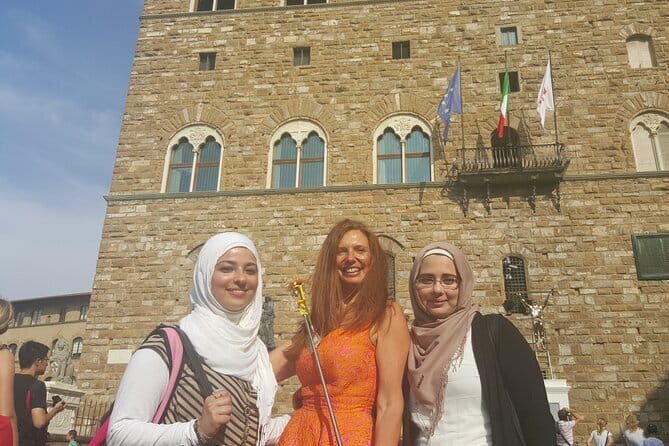
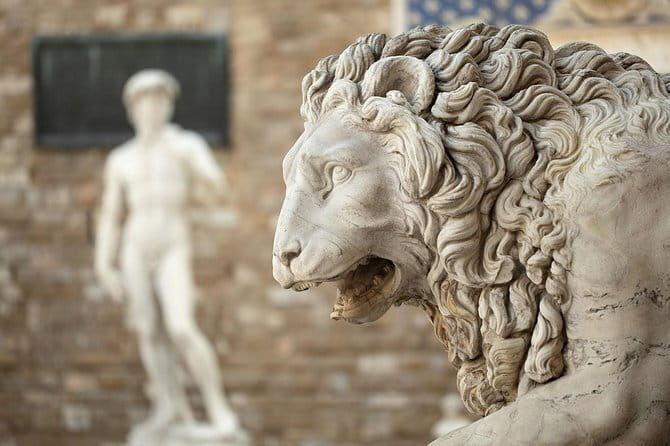
One of the nice surprises in this itinerary is the mention of an open-air sculpture gallery that includes the Medici lions. It is not just a random photo stop. The lions connect you back to Medici symbolism and the way Renaissance families used art, animals, and public space as power signals.
Because the time at this stage is brief, it helps to know what you are doing while you are doing it. Take a few minutes to look around first, then frame your photos. If you try to sprint ahead, you will miss the point of the sculpture work. If you slow down for one or two minutes at each cluster, the stop feels more satisfying than its clock time.
Also, keep in mind that the walk is meant to flow. If you stop to read every plaque, you may feel your group pace tighten. The itinerary works best when you treat it like a guided highlights route, not a museum-length experience.
Ponte Vecchio on the Arno: shops, history, and the postcard view
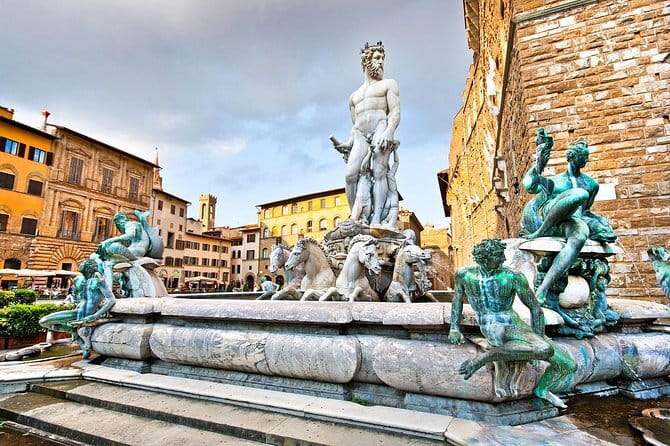
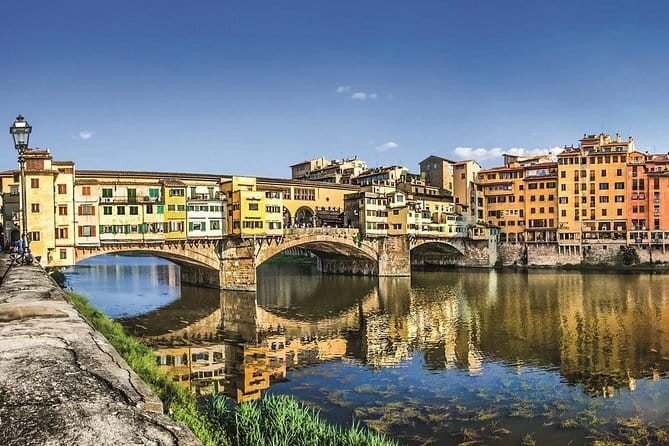
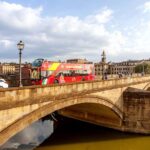
Next comes Ponte Vecchio, the Old Bridge over the Arno. This stop is listed around 10 minutes, and it is timed well. You arrive as the walking route naturally brings you into position, so you get to see the bridge’s role in Florence without it turning into a long detour.
Ponte Vecchio is famous for two things at once. First, it is described as one of the oldest bridges in the city. Second, it has shops running along it. The tour notes a clear evolution: it was once full of butcher shops, and now you mostly see jewelers and artisan shops.
That transition matters, because it explains why the bridge looks the way it does. It is not just a scenic crossing. It is an old commercial street in bridge form. If you enjoy small observations like who sells what, when you are looking at storefronts you can read Ponte Vecchio like a living timeline.
You will also want to keep your eyes up. The bridge is visually busy, but the guide context helps you filter the chaos. Your goal is not to inspect every window. It is to understand why this bridge survived, why it adapted, and why it became the symbol of “Florence on a postcard.”
Florence walks that make the stone streets tell the story
Baptistery Gates of Paradise and Brunelleschi’s Duomo viewpoints
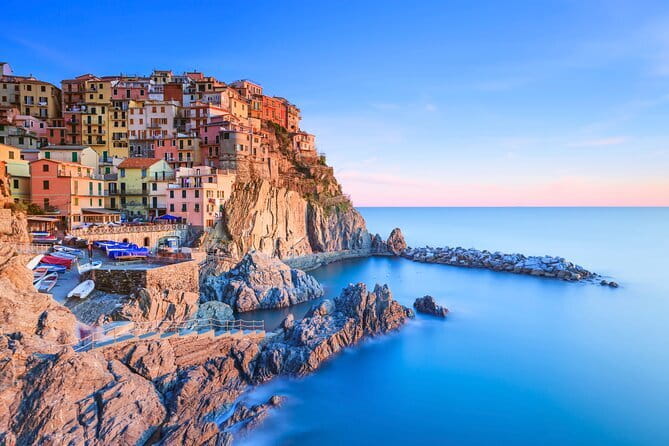
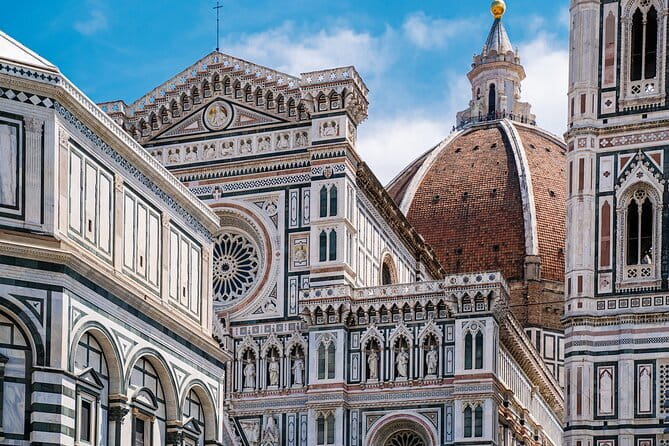
As your walking route continues, the itinerary highlights the Baptistery golden Gates of Paradise and the cathedral area of Santa Maria del Fiore, focusing on Brunelleschi’s Dome. You do not need to pay for an interior ticket in this segment. The emphasis is on viewpoints and architecture.
You should expect the key moments to be brief, with about 15 minutes for Santa Maria del Fiore. That might sound short, but it is enough time to get oriented to the Duomo complex and understand what you are looking at when you see the dome dominate the skyline.
The pairing of the dome with the Baptistery gates is smart. It gives you a visual cue for why Florence’s Renaissance was not only about painting and sculpture, but also about engineering, civic identity, and public religious art. The dome is massive and geometric. The gates are intricate and human-scale in their craftsmanship. Seeing both through a guided lens helps you connect the dots faster.
Practical tip: bring a camera that handles crowds well. This part can get busy around viewpoints. If you are patient for 30 seconds, you often get cleaner lines for photos as groups shift.
How the guide, group size, and pacing affect your experience
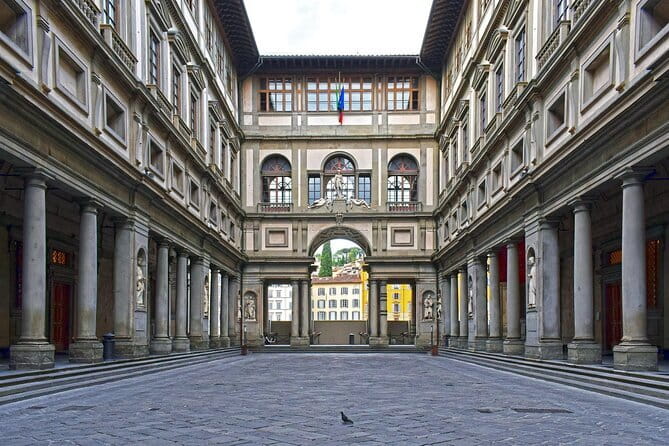
This tour is semi-private and listed with a maximum of 15 travelers. That size is a big deal in Florence, where some big-bus style tours make it hard to hear and hard to ask questions. If you end up with a well-run group, you will feel like you are moving efficiently but still being guided.
Earphones are provided only if the group is over 15 participants. Since the stated maximum is 15, you should plan on hearing your guide without special gear. If you are hard of hearing or want audio support, it is worth asking before you go.
Most travelers can participate, but the stairs requirement is important. If you know you struggle with steps, this may not be the best fit. Also, you should be prepared for a walking pace that keeps you on schedule between stops.
The start and end points are simple and central. You meet in the morning at Piazza della Repubblica and end at Ponte Vecchio. The tour does not include hotel pickup or drop-off, so you will be on your own for transit to the meeting point and afterward for whatever you plan next.
In the reviews you provided, the biggest positive patterns were strong guidance quality and effective use of time at the Accademia. In one standout comment, the guide was praised for being professional, and another said they could skip a massive line and get an intimate tour of the gallery with David up close. That combination is exactly what you want: less waiting and more meaningful time in front of the art.
Price and value: is $162.21 worth it for this Florence combo?

At $162.21 per person for about three hours, the price is not cheap. But it is also not just paying for walking. You are paying for two major inputs: guided access to a top museum and a structured city orientation.
Here is what you get that usually costs extra if you DIY it:
- Guided tour of the Accademia Gallery, described as with a professional art historian guide
- Skip-the-line tickets for the Accademia
- Guided Florence walking tour through the historic center
On the other hand, some things are not included. Hotel pickup is not included, and some stop admissions are listed as not included, like the cathedral and Palazzo Vecchio. If you only care about entering those sites, this tour may not replace a dedicated ticketed visit.
Where the value really lands is in time and clarity. Florence rewards planning. If you come for a short visit, a skip-the-line museum start plus a guided overview walk can get you a lot more satisfaction than spending those hours wandering without context.
One caution about value: there is at least one complaint that the experience ran shorter than the advertised time. If you are traveling on a tight schedule, keep some buffer in your plan. A half-day in Florence can be very flexible, but you do not want to cut it too close to other reservations.
Who should book this tour, and who might want a different option
This tour is a strong match if:
- You want Michelangelo’s David and a guided museum focus, not just a quick “check the box” visit
- You like a guided walking route that gives you context for multiple Florence landmarks
- You have limited time and want a compact afternoon from Accademia to the Duomo area and Ponte Vecchio
It may not be ideal if:
- You expect a slow museum pace with lots of free time to linger
- You get frustrated when a guide’s communication is weak or the narration does not hold your interest
- You cannot handle stairs
Also, if you are someone who loves architecture and wants longer cathedral time, you might treat this as the orientation layer and then come back later for a deeper visit.
Should you book this Accademia and Florence walking tour?
I think this is worth considering if you value skip-the-line time, a guide who explains what you are seeing, and a fast route through Florence’s big-name stops. The best versions are the ones that combine intimate access at the Accademia with a well-paced Centro Storico walk, so you come away understanding why Florence looked the way it did and not just what it looks like now.
Book it if your priority is highlights with context and you are comfortable with stairs and walking. If your priority is a long, quiet museum day, or if you absolutely need a precise three-hour window with no surprises, I would be more cautious. In that case, you might pair the Accademia visit with a separate plan that gives you extra flexibility.
FAQ
FAQ
How long is the tour?
The tour is listed as about 3 hours (approx.).
What time does the tour start, and where do I meet?
It starts at 10:00 am at Piazza della Repubblica, 50123 Firenze FI, Italy.
Where does the tour end?
The tour ends in central Florence at Ponte Vecchio, 50125 Firenze FI, Italy.
Is the tour offered in English?
Yes, it is offered in English.
Does the Accademia Gallery skip-the-line include the museum entrance ticket?
Yes. The Accademia Gallery stop includes admission ticket coverage in the tour.
How big is the group?
It is a semi-private group with a maximum of 15 travelers.
Do I need to pay for any sites during the walk?
Some stops are listed as not included for admission, like Palazzo Vecchio and Santa Maria del Fiore.
Does the tour include hotel pickup or drop-off?
No, hotel pickup and drop-off are not included.
Is the tour accessible if I cannot climb stairs?
No. Customers must be able to climb and descend stairs.
Can I cancel for a full refund?
Yes. You can cancel up to 24 hours in advance for a full refund.
More Florence tours to open next
- The Best tour in Florence: Renaissance & Medici Tales – guided by a STORYTELLER
★ 5.0 · 12,316 reviews
Every Florence review, in one place
- Tuscany Day Trip from Florence: Siena, San Gimignano, Pisa and Lunch at a Winery
★ 5.0 · 21,634 reviews - The Best tour in Florence: Renaissance & Medici Tales – guided by a STORYTELLER
★ 5.0 · 12,316 reviews

David and the Accademia, compared
Florence picks that sit just beyond this itinerary
- Florence: Duomo Complex Private Guided Tour & Optional Dome Climb
★ 5.0 · 4 reviews - Private Tour of Florence Cathedral, Bell Tower & Baptistery
★ 5.0 · 4 reviews - Michelangelo’s David Tour in the Accademia (Tickets NOT included)
★ 4.0 · 4 reviews - Exclusive Pisa Tour from Florence: With Skip-the-Line Access
★ 4.0 · 4 reviews - Full-Day Tour of Tuscany from Florence-small group up 8 pax
★ 4.5 · 4 reviews - Florence: Inferno Private Walking Tour
★ 5.0 · 4 reviews
More Accademia & David Experiences worth comparing.
 ★ 4.6Timed Entrance Ticket to Michelangelo’s DavidFrom $2616,983 reviews
 ★ 4.5Michelangelo’s David Skip-the-Line Entry TicketFrom $4512,764 reviews
 ★ 4.5Florence Accademia Gallery Tour with Entrance Ticket IncludedFrom $456,148 reviews
Accademia Gallery Guided TourFrom $534,156 reviews
★ 4.5Florence Accademia Gallery Tour with Entrance Ticket IncludedFrom $456,148 reviews
Accademia Gallery Guided TourFrom $534,156 reviews
 ★ 4.6Timed Entry Ticket to Michelangelo’s David & eBookFrom $374,049 reviews
 ★ 4.5Skip the line: Uffizi and Accademia Small Group Walking TourFrom $1483,135 reviews
 ★ 4.5Skip-the-Line Accademia Guided TourFrom $432,327 reviews
 ★ 4.6Accademia Gallery Guided Tour with Entry TicketFrom $492,253 reviews
Find this experience in another shortlist