
Florence field review · FLORENCE
Museo di San Marco in Florence: Beato Angelico, Savonarola and the Medicis
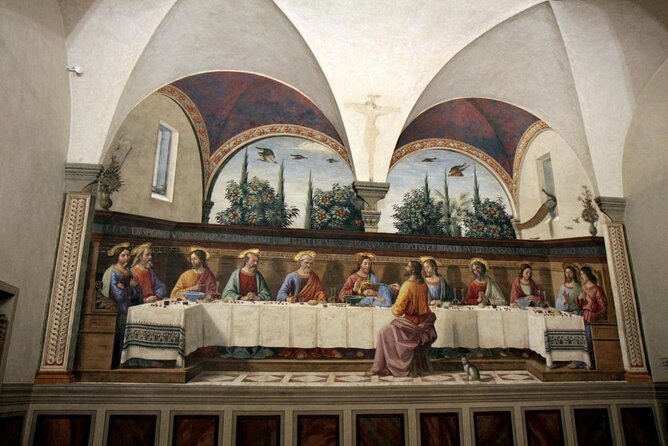
San Marco quiets the noise fast. What makes this tour work is the combination of Beato Angelico’s paintings with a guide who explains the Convent of San Marco as a living, 15th century world. I also like that your ticket is handled in advance, so you spend less time stuck at the entrance and more time understanding what you are seeing. One thing to watch for, because it happened to another group, is museum hours changing on certain days, so check the latest schedule right before you go.
This is a private tour, so you are not squeezed into a big herd. You meet at Piazza San Marco, and then your guide walks you through the parts that most visitors skip or only glance at: the church, convent spaces, the facade, and the first and second cloisters. If English is important to you, keep in mind that one review flagged trouble understanding one guide, even though the tour is offered in English.
Overall, I think this is a strong way to experience Florence beyond the usual highlight circuit. You get architecture linked to Cosimo de’ Medici, the Michelozzo connection, and the moral drama tied to Girolamo Savonarola, all while looking closely at works that rarely get the attention they deserve.
Key things to know before you go
- Private, relaxed pacing means you can ask questions and linger without feeling rushed
- Fra Angelico in context is the point, not just a quick walk past artworks
- Five key spaces explained (church, convent, facade, plus both cloisters) gives you a clear story
- Pre-booked admission included helps you avoid the time sink at the entrance
- Guides like Katherine and Suzanna were singled out for clarity and a friendly, engaging approach
Before you close the tab, compare these Florence options on the same shortlist.
- Florence: Skip-The-Line Uffizi Gallery Timed Entry Ticket★ 4.5 · 27,832 reviews
- Tuscany Day Trip from Florence: Siena, San Gimignano, Pisa and Lunch at a Winery★ 5.0 · 21,634 reviews
- Florence: Timed Entrance Ticket to Michelangelo’s David★ 4.6 · 16,983 reviews
- Florence: Michelangelo’s David Skip-the-Line Entry Ticket★ 4.5 · 12,764 reviews
San Marco in Florence, why this tour feels different
San Marco is one of those places where Florence stops being all marble and masterpieces and starts feeling human. You are not only looking at art, you are learning how an actual religious community used those spaces, day after day. That shift is the heart of this experience.
What you get here is a guided read of the complex commissioned by Cosimo de’ Medici and designed in part by the architect Michelozzo. Instead of treating San Marco like a museum stop, you treat it like a set of rooms built for a purpose. The church, the convent, the cloisters, the facade, and the spaces connected to the friars all tell the story together.
And then there are the people who shaped that story. Your guide connects the dots between Cosimo de’ Medici, Fra Angelico, and Girolamo Savonarola. You start noticing how politics, spirituality, and art were tangled up in the same building. If you like your Florence with some brains behind it, this tour is built for you.
The big win: you see more than the postcard
Most first time visitors to Florence end up with the same pattern: famous square, famous cathedral, famous gallery, quick photo, move on. Here, you slow down and get to the less crowded side of the city.
Because the tour is private and time is focused on one complex, you get real time in the spaces that matter. You hear what to pay attention to, and you get explanations tied to the building itself, not just the dates. That is why it feels fresher than a standard museum stroll.
A practical note on communication
One mixed review mentioned a guide who was hard to understand. That can happen anywhere, even with tours offered in English. If you want crisp English, plan to be patient at first, and don’t be afraid to ask for clarification early. Guides generally can adjust once they see you are following at a slower pace.
Meeting at Piazza San Marco and how to plan your arrival
You meet at Piazza San Marco, Firenze FI, Italy. The tour ends back at the meeting point, so you are not left guessing where to go next. That sounds simple, but it matters in Florence. Streets can be confusing, and time is precious.
Plan to arrive a few minutes early. Not because the tour is unorganized, but because you want a calm start. San Marco is near public transportation, which helps if you need to reroute because of crowds or a bus detour.
Also think about footwear. You’ll be walking through a museum-like complex, including cloister areas. Bring comfortable shoes, especially if your travel day includes stairs and uneven surfaces.
Stop inside Museo di San Marco: the spaces your guide will make meaningful
This tour is built around one main stop: the Museo di San Marco complex. The entrance ticket is included, and your guide explains the five parts you visit. The payoff is that you stop treating the place as separate rooms and start understanding it as a system.


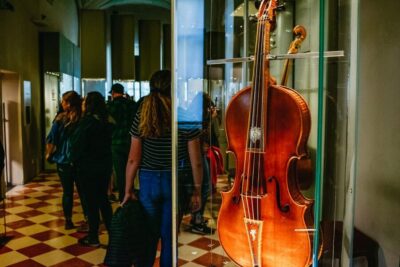
1) The church: where art has a job
The church is not just a pretty room. It sets the tone for everything else. Your guide frames what you see by connecting it back to the Medici era and the religious purpose of the complex.
In practice, this is where you get your first sense of why Fra Angelico matters. You start noticing how the environment shapes the viewing experience. Look for the way spiritual themes are expressed through painting choices, and listen for how your guide explains the relationship between what the friars believed and what they surrounded themselves with.
Drawback to consider: if you only like big, loud art stories, this portion can feel quieter than the headline attractions in Florence. But if you enjoy calm and close looking, the church is a strong start.
2) The convent spaces and friars’ cells: seeing history at eye level
Then comes the part that most people rush. The convent areas and the friars’ cells bring you much closer to daily life. You are stepping into spaces built for solitude and routine. That changes how you read the artwork and the atmosphere.
Your guide walks you through relevant themes linked to the 15th century figures tied to San Marco, including Girolamo Savonarola. The mention of Savonarola’s cells is important because it pulls the story away from art alone and into the human side of the period. You can understand why people felt intensely about what was happening around them.
What to do while you are there: keep your attention on the small details your guide points out, especially the way spaces are arranged. Even without a huge amount of time, your guide can help you see why these rooms were built the way they were.
3) The facade and the Medici connection
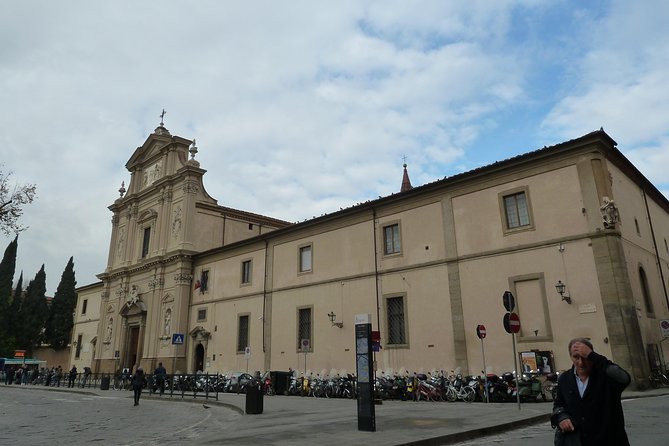
San Marco is strongly linked to Cosimo de’ Medici, and your guide includes explanation of the facade as part of the tour. That matters because it gives you context before you forget the outside world.
This is where the Michelozzo design connection becomes more than trivia. When you understand the commission and the architect involvement, you can start seeing how power and patronage shaped religious spaces. It helps you place the complex within Renaissance Florence, not just as a standalone artwork container.
If you are the kind of person who loves architecture but usually feels stuck staring at ceilings, this part can be a pleasant change. It gives you a reason to look outward and not only into rooms.
4) The first cloister and 5) the second cloister: reading architecture like a story
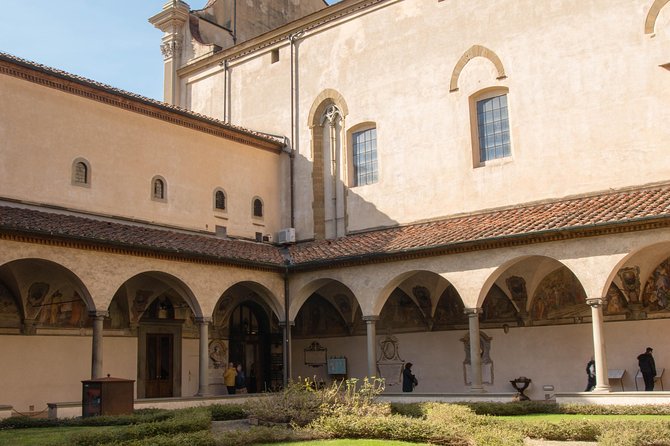
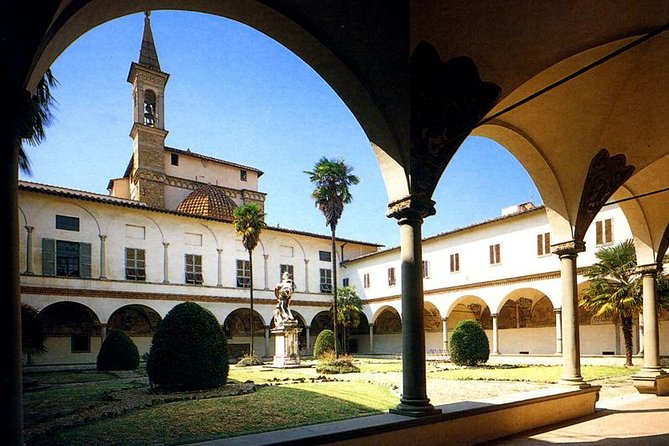
Cloisters are one of those architectural inventions that look simple until you understand why they exist. You get both the first and second cloisters, and your guide explains how they fit into the flow of the complex.
When you hear the story in order, you stop seeing cloisters as pretty courtyards. You start seeing them as parts of a structured environment. The cloisters also give you a reset from interior intensity. They create breathing room, and you get better angles for observing how light behaves in the space.
A tip from how I think about tours like this: try to use the cloister stops to slow down and take in the overall layout. If you do that, the church and convent areas make more sense afterward.
Fra Angelico and Savonarola: the names that make San Marco click
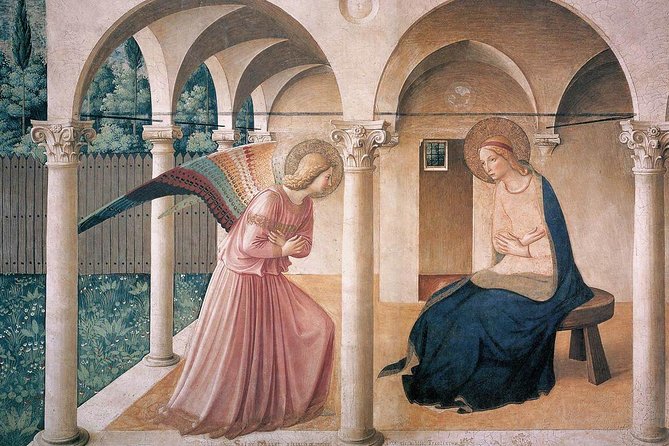
San Marco becomes much more interesting the moment you connect the people to the spaces.
Fra Angelico is the anchor because you are looking at Renaissance artworks that many visitors to Florence never prioritize. The tour focuses on how to understand his work inside the setting that made sense to him and his community.
Savonarola adds the tension. Your guide explains the presence of Savonarola, including his cells. Even if you do not know a lot about him now, the tour helps you understand why this building is tied to big ideas, not just quiet devotion.
And Cosimo de’ Medici ties it all together through patronage and planning. You do not just hear the name. You hear how the Medici connection affects the complex design, including the Michelozzo involvement.
Why I think these connections are the value
A lot of Florence tours list names and dates. This one is more about meaning. It teaches you how to look with a purpose.
That is why the best feedback mentions that guides made Fra Angelico come alive. When the art feels alive, it is usually because someone explained what you should notice. Not just what you should know.
Library time: the Renaissance Library of Pope Leo X
One part you should look forward to is the Renaissance Library of the Pope Leo X. Even if you are not a book person, a library in a religious complex is a big clue about what the community valued.
Your guide includes this space in the tour flow, so you get context rather than just walking in and staring at walls. Libraries communicate priorities: study, learning, and a belief that ideas matter. When you connect that to the people tied to San Marco, the library becomes part of the same story as the paintings and the cells.
Practical tip: if you care about photos, use your phone sparingly and follow whatever museum rules apply. Libraries often have stricter norms than cloisters. The more you respect the space, the smoother the guide experience will be.
What the included ticket and private format change for you
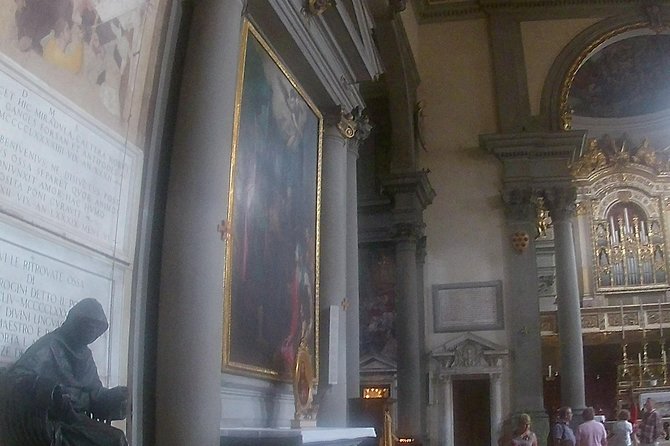
This is not just a guided talk. The entrance ticket to Museo San Marco is included, and that saves you decision fatigue. You do not have to figure out entry rules while you are already navigating Florence.
Pre-booked tickets also help you avoid a long line at the entrance. In a city where time can disappear in crowds, this is a real quality-of-life benefit. If your Florence itinerary is tight, that matters.
Then you add the private format. In a private tour, the guide can adjust to your pace. If you want to spend longer in a cloister because the light is interesting, you can. If you want to ask a question about Savonarola’s significance, you can try.
This is also where group discounts can be a small bonus if you are traveling with others. The core deal is still personal time plus included admission.
Duration: 2 hours that should feel focused
The tour runs about 2 hours. That is a sweet spot. Long enough to understand the complex’s main pieces. Short enough that you can still enjoy other Florence highlights the same day without running your feet into the ground.
Guide quality: what the reviews suggest and how to protect yourself
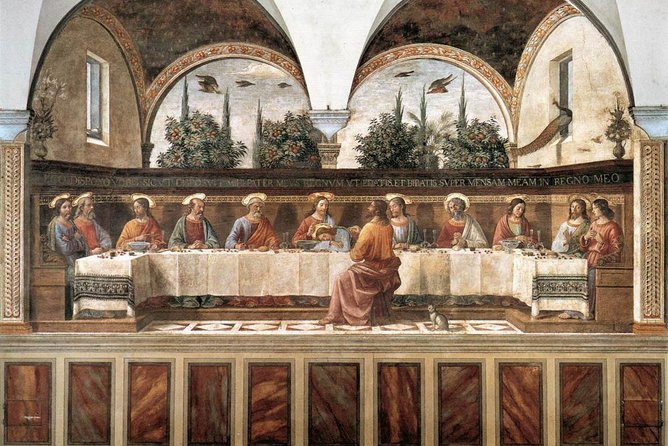
The overall rating of 4.6 out of 18 reviews suggests most people felt they got their money’s worth. The strongest praise called out guides such as Katherine for being very knowledgeable and making Fra Angelico come alive, and Suzanna for being very interesting and pleasant.
At the same time, there were two important caution notes. One review described a problem when the museum was closed on a Monday and the tour company seemed unaware of changed hours. Another review said a guide knew the subject matter but was not easy to understand.
Here is how you protect your trip with simple steps:
- Check the San Marco opening hours again shortly before your visit
- If you are the type who needs clear English, give the guide a moment in the first stop, then ask questions to confirm you are following
Most of the time, private guided tours run smoothly. But San Marco is a museum complex, and schedules can change. A quick hour check can save your day.
Price and value: is $189.18 per person worth it?
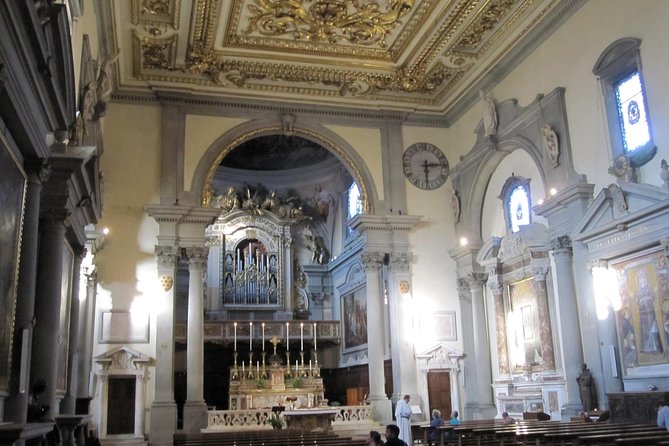
At $189.18 per person for about 2 hours, this tour is not the cheapest option in Florence. The value comes from a few specific things bundled together.
First, you get a professional guide plus a private tour format. You are paying for direct attention, not just shared commentary on a crowded timetable.
Second, admission to the Museo San Marco is included. That matters because you are not juggling separate ticket prices and entry logistics.
Third, pre-booked entry helps you avoid the entrance time sink. In Florence, saving even 30 to 60 minutes can let you do something else meaningful the same day.
So who is it worth for? It is worth it if you want to understand San Marco, not just pass through it. If you love Fra Angelico’s art and want the deeper story of Savonarola and the Medici, the time investment is likely to feel satisfying.
If you only need quick sights with minimal explanation, you might prefer a self guided visit. But if you want your questions answered and your attention guided, this price can make sense.
Who this tour suits best in real life
This experience fits best if you:
- Want Renaissance artworks in a quieter setting than the usual big-name stops
- Enjoy guides who explain context, especially around Fra Angelico, Savonarola, and the Medici
- Prefer a private, slower pace over crowded group tours
- Have limited time in Florence and want one high value complex rather than many quick stops
It may not be ideal if you:
- Need maximum spontaneity and dislike pre-planned stops
- Are very sensitive to language clarity and want near perfect comprehension every minute
- Are traveling on a day you know can have schedule shifts, unless you confirm hours carefully
Should you book Museo di San Marco: Beato Angelico, Savonarola and the Medicis?
I would book this if you want San Marco to feel like a story you can actually follow. The mix of Medici design, Michelozzo architecture, Fra Angelico artwork, and Savonarola context is exactly the kind of layered Florence experience that rewards close attention.
If you are on the fence, make your decision based on two practical questions. Do you care about the art and the historical figures enough to want explanations? And do you have enough flexibility to adjust if opening hours are unusual that week? If the answer is yes, this tour is a solid use of time, with included entry and a format that lets you see more thoughtfully.
FAQ
Where is the meeting point for the tour?
The tour meets at Piazza San Marco, Firenze FI, Italy.
How long does the Museo di San Marco tour last?
The tour lasts about 2 hours.
Is this tour private?
Yes. It is a private tour, and only your group participates.
Does the tour price include admission?
Yes. Entrance tickets for Museo San Marco are included.
What language is the tour offered in?
The tour is offered in English.
Can I cancel and get a full refund?
Yes. You can cancel up to 24 hours in advance for a full refund.
Every Florence review, in one place
- Tuscany Day Trip from Florence: Siena, San Gimignano, Pisa and Lunch at a Winery
★ 5.0 · 21,634 reviews - The Best tour in Florence: Renaissance & Medici Tales – guided by a STORYTELLER
★ 5.0 · 12,316 reviews


Florence picks that sit just beyond this itinerary
- Florence: Duomo Complex Private Guided Tour & Optional Dome Climb
★ 5.0 · 4 reviews - Private Tour of Florence Cathedral, Bell Tower & Baptistery
★ 5.0 · 4 reviews - Michelangelo’s David Tour in the Accademia (Tickets NOT included)
★ 4.0 · 4 reviews - Exclusive Pisa Tour from Florence: With Skip-the-Line Access
★ 4.0 · 4 reviews - Full-Day Tour of Tuscany from Florence-small group up 8 pax
★ 4.5 · 4 reviews - Florence: Inferno Private Walking Tour
★ 5.0 · 4 reviews