
Florence field review · TICKETS
Michelangelo Sculpture Tour in Florence with Skip the Line Ticket
Michelangelo is everywhere in Florence, if you know where. This tour strings together the places that shaped him, then lands you inside the museums where his sculptures still hit hard. I especially liked the way Skip-the-Line entry keeps the morning moving and the guide helps you connect what you see to the artist’s life in Michelangelo’s Florence.
Two standouts for me are the chance to view key Michelangelo works in person, not just in photos, and the way the guide turns art history into real stories. One guide named Becky came across in one review as unusually strong at communication, and that matches what you want from a 3-hour sprint through multiple sites. The main downside to consider is that it is a tightly timed route, so you will not have hours alone in each museum, and the tour depends on good weather.
Key highlights to look for
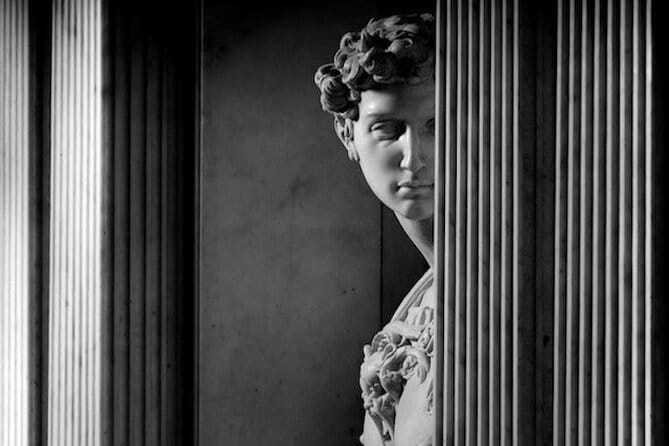
- A timed route that hits the big Michelangelo hubs: Santa Croce, Bargello, Opera del Duomo Museum, Medici Chapels, and Accademia
- Original works in the spots that matter: from non finito at the Bargello to Michelangelo’s David in Accademia
- Skip-the-line tickets with mobile ticketing to reduce waiting
- Small group size (up to 20) so you can ask questions without feeling rushed
- Story-first guiding with anecdotes about rivalry, character, training, and patrons like the Medici
- Finishes inside Accademia so you can stay longer after the official tour ends
Compare Florence entry tickets before choosing a time slot
- Florence: Skip-The-Line Uffizi Gallery Timed Entry Ticket★ 4.5 · 27,832 reviews
- Florence: Timed Entrance Ticket to Michelangelo’s David★ 4.6 · 16,983 reviews
- Florence: Michelangelo’s David Skip-the-Line Entry Ticket★ 4.5 · 12,764 reviews
- Florence: Leonardo Interactive Museum Entry Ticket★ 4.5 · 11,763 reviews
3 Hours of Michelangelo, with Skip-the-Line Entries
This is a focused morning tour, around 3 hours, starting at 9:00 am. You meet at Via Vinegia 23R, 50122 Firenze FI and the tour ends inside Galleria dell’Accademia di Firenze at Via Ricasoli 58/60. It is designed for momentum, not museum-wandering, so you spend your time where Michelangelo’s story gets visual.
The price is $172.86 per person, which is not cheap, but the value comes from the combination: skip-the-line entry, multiple museums, and several included admissions. If you are the type of traveler who wants fewer tickets to manage and more time understanding what you’re looking at, this structure helps.
It also helps that this is capped at 20 travelers. Smaller groups mean the guide can keep the pace moving without getting lost in a crowd. You’ll also have a mobile ticket, which is one less thing to fuss with on arrival.
Starting at Santa Croce, where Florence puts its artists on show
You begin at Basilica di Santa Croce, one of the largest Franciscan churches in Italy and a major Gothic achievement. What I like here is the framing: this place is more than a beautiful church stop. Santa Croce has been a meeting spot for artists, theologians, religious figures, writers, and politicians, so it fits the idea that Michelangelo did not create in a vacuum.
The tombs of major artists are part of the emotional punch. Even if you do not know every name, you start to feel how seriously Florence treated art and reputation. This is a strong early start because it sets up the rest of the day as more than a checklist of statues.
A consideration: Santa Croce is a church, so you should dress and behave accordingly. Expect a short visit, not a long sit-down. If you need lots of time to read and absorb quietly, you may want to budget extra time elsewhere later.
Bargello Museum: Michelangelo’s sculptures and the non finito lesson
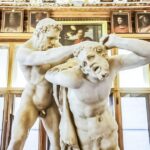
Next is the Museo Nazionale del Bargello, and this is one of the best value stops on the itinerary. The Bargello is known for Renaissance and Mannerist sculpture, and the tour highlights four Michelangelo pieces: Tondo Pitti, Bacchus, Brutus, and David-Apollo.
What I find useful is that the guide explains why these works matter, not just what they look like. For example, Tondo Pitti is a major example of non finito, where Michelangelo leaves parts unfinished. That is not a weakness in the sculpture, it’s part of the artistic idea and the process. It also changes how you look at marble, because you stop expecting polish to be the point.
The tour also invites comparisons to other artists in the collection, including bronze David sculptures by Donatello and Verrocchio. That matters because Michelangelo’s David is not floating in the air. You start seeing a tradition he built on, then pushed into a new emotional register.
The downside is simple: about 40 minutes for Bargello is tight. You will likely see the key works and learn how to interpret them, but you will not have time to wander every gallery.
Piazza della Signoria, Loggia dei Lanzi, and Palazzo Vecchio
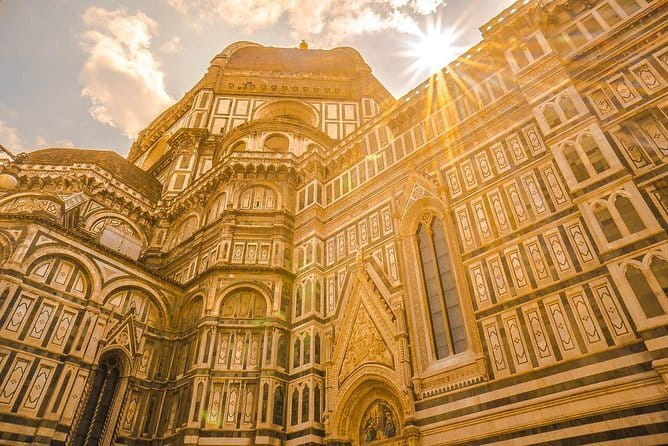
After the museum, you move into the civic heart of Florence, Piazza della Signoria. This square is where civil power and social life meet, and it’s located south of Santa Maria del Fiore. The tour uses this space well, because it links art to the city’s identity.
From here you head to the Loggia dei Lanzi (also called the Loggia della Signoria). The architecture matters, and the tour points out details like the large arches and Corinthian capitals. Michelangelo is even connected to the story of the arches around the square, tied to what patrons found appealing.
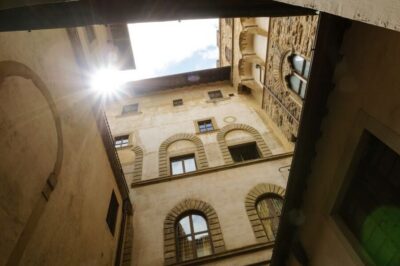
Then you look across toward Palazzo Vecchio, Florence’s “Old Palace.” The building’s shifting names over time reflect how many roles it played. The guide’s angle is that power and patronage shaped what artists got to make and where their work landed.
If you are short on legs, plan for a bit of walking and standing outside. This is not a sit-and-stare segment. It’s best if you enjoy connecting buildings to the stories happening inside them.
Orsanmichele: when guilds shaped sculpture and space
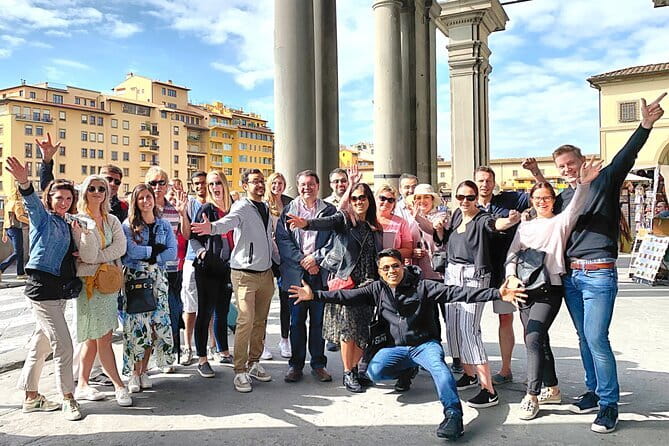
The next stop is Orsanmichele, right in the center of Florence. The key idea here is transformation. It began as a loggia for storage and the grain market, then became a church tied to Florentine arts and guilds.
What you get from this stop is an understanding of how public space and sculptural display worked together. The upper floors house a museum, with originals connected to the sculptural cycle of the exterior niches, plus statues associated with major artists like Donatello and Ghiberti. Even if you do not spend time inside that museum area, the context makes the exterior feel more intentional.
The caution here is time and weather. Orsanmichele is a mostly outdoor viewpoint, so if conditions are unpleasant, your comfort will depend on how flexible you are.
More Florence tickets where timed entry changes the day
Santa Maria del Fiore: reading the cathedral like a map
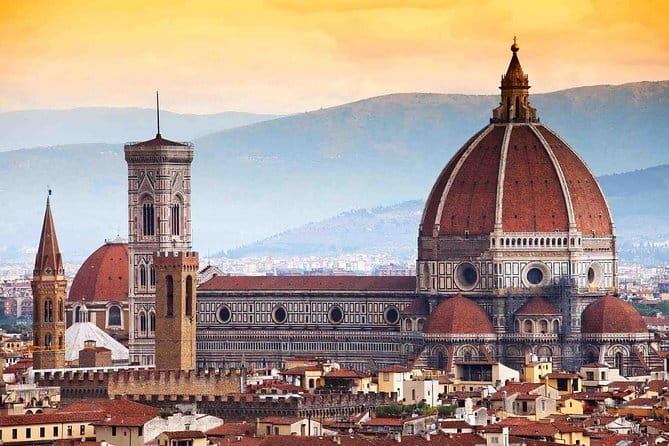
You also pass through the area around Santa Maria del Fiore, Florence’s cathedral complex. The tour keeps it practical, giving you the architectural plan so you can orient yourself fast. You’ll hear the cathedral described as a triple-nave basilica with the presbytery area nested inside, dominated by the immense octagon of the dome.
Knowing even a few structural facts helps. When you can picture the octagon and how radial elements sit around it, the building becomes more than a grand photo background. It starts to read like a constructed system, which is exactly the kind of mental model that helps with art and design.
A consideration: if you want long time to appreciate details up close, you will not get it here. This is a transit-and-context moment, not a deep cathedral visit.
Opera del Duomo Museum: Palestrina Pietà and the Gates of Paradise
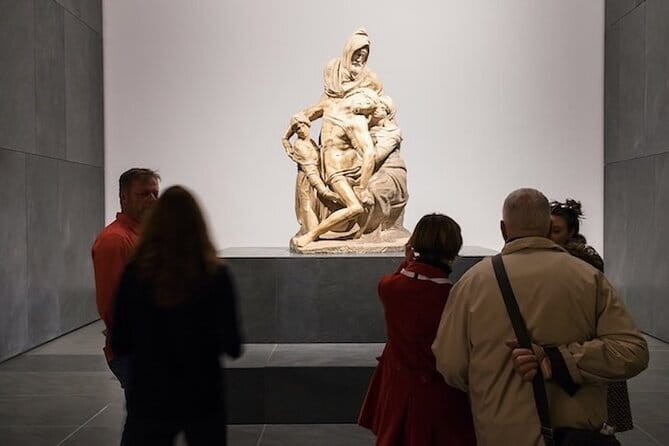
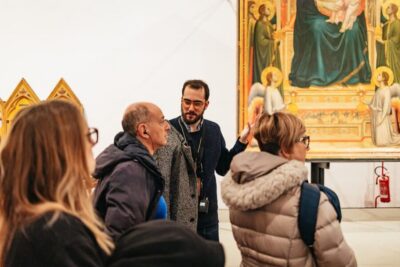
The Opera del Duomo Museum stop is one of the emotional anchors of the tour. This is where you see the Palestrina Pietà, described as a final Michelangelo creation tied to his own tomb. The guide approach matters because works like this can feel confusing if you only focus on subject matter. With guidance, you see it as a late-career statement about suffering and intensity.
You’ll also see the original Gates of Paradise, connected to the Baptistery of Florence. These are not just decorative doors. They are a major artistic achievement by Lorenzo Ghiberti, created between 1425 and 1452. Seeing originals in a museum setting changes the whole experience, because you can study details without weather and crowds turning it into a blurry walk-by.
Like Bargello, you’re on a timed visit, around 40 minutes, and that’s the tradeoff. The tour is meant to teach you how to look and what matters, but it won’t replace a full museum day.
Medici Chapels: the New Sacristy and Michelangelo’s patronage
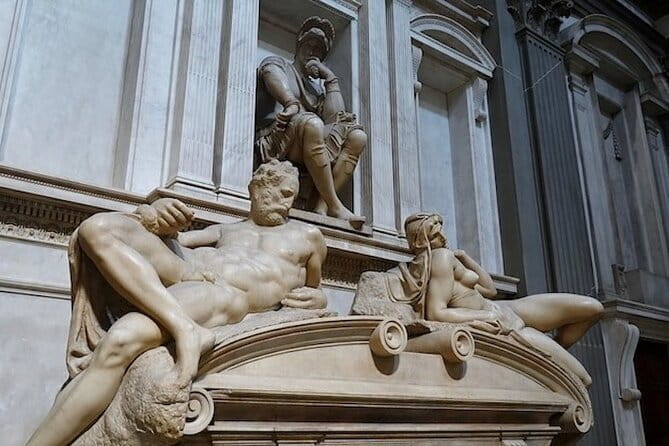
Next you visit the Cappelle Medicee, focusing on the New Sacristy at the Medici Chapels. This stop is important because it explains the relationship between Michelangelo’s art and the Medici family. If you want to understand why certain themes show up, patronage is the missing link.
The New Sacristy is where the tombs of Medici family members do the talking. The tour’s emphasis is how much Michelangelo’s work was influenced by the people paying for it, and by the expectations attached to it.
A practical note: religious sites can involve rules about movement, photography, and respectful behavior. This tour is structured to keep things moving, so follow the guide’s direction closely.
Accademia Gallery finale: David plus the Prisoners
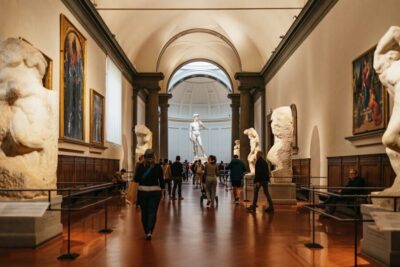
The last stop is the Galleria dell’Accademia, and the tour ends inside the museum. That finish is smart. You get the official guided time when you’re fresh, then you can keep going on your own if you want to linger.
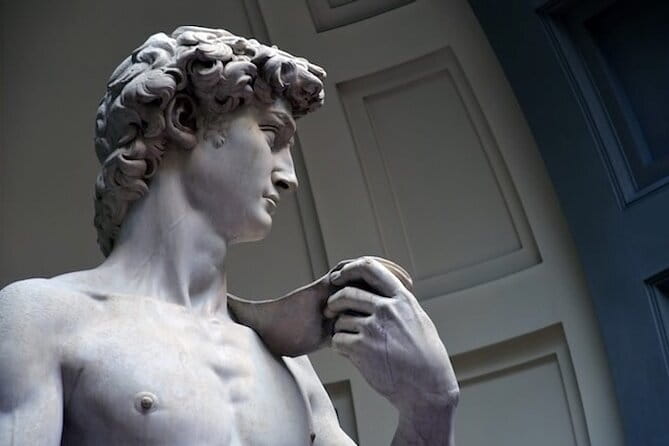
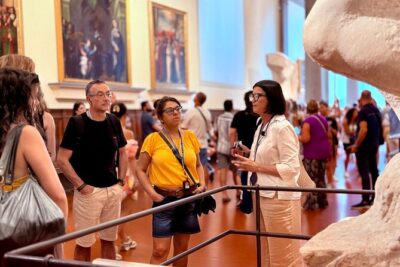
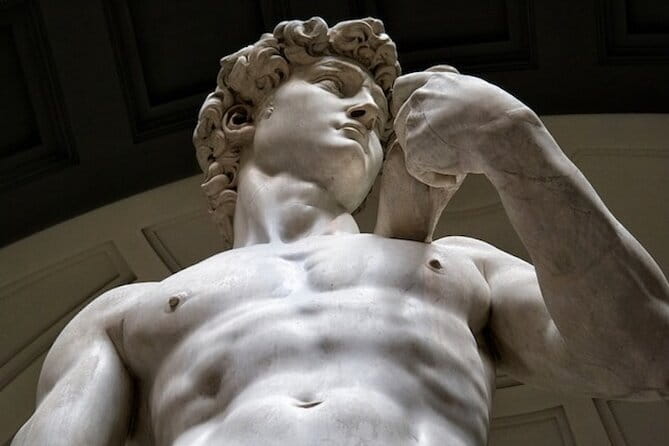
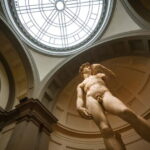
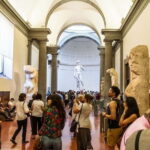
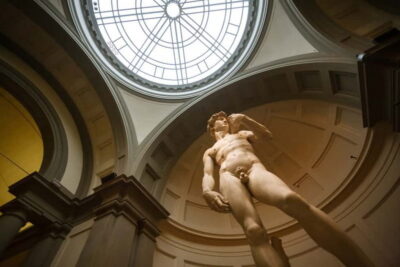
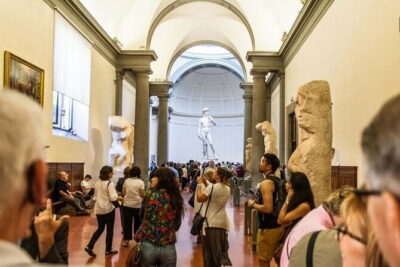
Here the headline is Michelangelo’s David. The guide encourages you to take time to understand it, not just stare at the famous silhouette. You’ll also see another Michelangelo work linked to Pope Julius II’s tomb commissions, the Prisoners. These were begun and never completed, and that unfinished status gives you a different lens on Michelangelo’s process.
The visit is again around 40 minutes, which is enough time to see David and the highlighted Prisoners work plus get interpretive help. After that, you’ll have the option to stay longer, which is exactly what I’d do if David hits me emotionally.
What you actually learn from this route
The best tours do more than move you through rooms. They teach you how to see. This one does that by stitching the day across three layers.
First, you get context, starting with Santa Croce, where Florence linked art to civic identity and prestige. Second, you get object learning in the Bargello and Opera del Duomo, where you’re looking at original works and specific techniques like non finito. Third, you get patronage and power, especially through the Medici Chapels and the civic square stops around Palazzo Vecchio and the Loggia.
That combination is what makes the tour feel coherent. Instead of collecting famous images, you start building a mental map of Michelangelo’s world, where rivals, patrons, and training all leave fingerprints on the final sculpture.
Also, I appreciate the structure around the time you have. You get admission included at key stops, and the skip-the-line setup helps you avoid losing part of your morning to queues.
Price, group size, and whether this is good value
At $172.86, this is a premium-priced add-on for Florence. But it’s not just paying for a name. The value comes from:
- Multiple museums in one guided route
- Included admission tickets at the major sculpture-focused sites
- Skip-the-line convenience
- A small group limit of 20 travelers
- Mobile ticket ease
If you like to build your own day and already know exactly what you want to see, you might replicate parts of this itinerary independently. If you want the art explained while you walk, and you prefer not to juggle ticket timing across several venues, this tour is a practical way to spend a short visit.
Who should book this Michelangelo tour
This tour is a strong fit if you:
- Want a structured morning rather than an open-ended museum crawl
- Care about seeing original sculptures in the key Florence collections
- Prefer guides who explain process and meaning, not just background dates
- Plan to visit several major sights and want help deciding what to notice
It may be less ideal if you:
- Need lots of quiet time to read every label and revisit galleries
- Dislike walking between churches and museums
- Are traveling during weather you cannot plan around, since good weather is required
Should you book this Michelangelo Sculpture Tour in Florence?
I’d book it if you want Michelangelo’s Florence in one coherent morning, with skip-the-line comfort and an expert who helps you look at the sculptures with smarter questions. The route makes sense for first-time visitors because it connects major sites: Santa Croce, Bargello, Opera del Duomo Museum, the Medici Chapels, and ends in Accademia where you can stay longer.
I would skip or change plans if you only want one museum experience and you hate timed visits. This is a “see the right things and understand them fast” tour. If that matches your style, it’s a great use of limited time in Florence.
FAQ
How long is the Michelangelo Sculpture Tour?
The tour runs for about 3 hours.
What time does the tour start?
The start time is 9:00 am.
Where do I meet the guide?
You meet at Via Vinegia 23R, 50122 Firenze FI, Italy.
Where does the tour end?
The tour ends inside the Galleria dell’Accademia di Firenze at Via Ricasoli 58/60, 50129 Firenze FI.
Is this tour ticket-based with admission included?
Yes. The tour includes admission tickets for the stops listed in the itinerary, including Museo Nazionale del Bargello, Opera del Duomo Museum, Cappelle Medicee, and Galleria dell’Accademia.
What does skip the line mean here?
You receive skip-the-line ticket service, and your ticket is mobile, which helps you move in smoothly at entry points.
How big is the group?
The tour has a maximum of 20 travelers.
What Michelangelo works can you expect to see?
You can expect to see David at the Accademia Gallery, plus Michelangelo sculptures at the Bargello such as Tondo Pitti, Bacchus, Brutus, and David-Apollo, and Palestrina Pietà at the Opera del Duomo Museum. The tour also includes a look at Prisoners at the Accademia.
Is it only for certain types of travelers?
Most travelers can participate.
What is the cancellation policy?
Cancellation is free. You can cancel up to 24 hours in advance for a full refund. If you cancel less than 24 hours before the start time, the paid amount is not refunded. The experience also depends on good weather, and if it is canceled due to poor weather, you are offered a different date or a full refund.
Florence tickets and timed entries
More Florence tours to open next
- The Best tour in Florence: Renaissance & Medici Tales – guided by a STORYTELLER
★ 5.0 · 12,316 reviews
Every Florence review, in one place
- Tuscany Day Trip from Florence: Siena, San Gimignano, Pisa and Lunch at a Winery
★ 5.0 · 21,634 reviews - The Best tour in Florence: Renaissance & Medici Tales – guided by a STORYTELLER
★ 5.0 · 12,316 reviews

Florence picks that sit just beyond this itinerary
- One Hour Uffizi Guided Tour: Masterpieces of the Renaissance
★ 5.0 · 3 reviews - Sightseeing Tuscany by touring bike – 1 day rental
★ 5.0 · 3 reviews - Private Siena, S. Gimignano, Chianti Road and Wine Tasting
★ 5.0 · 3 reviews - Bargello Museum Private Tour: Michelangelo’s Bacchus & Donatello’s David
★ 5.0 · 3 reviews - Authentic Florence Cooking Class at Costanza’s 1839 Family Estate
★ 5.0 · 3 reviews - San Gimignano and Volterra private tour: etruscans, romans and middle age jewels
★ 5.0 · 3 reviews
More Tickets worth comparing.
 ★ 4.5Skip-The-Line Uffizi Gallery Timed Entry TicketFrom $3027,832 reviews
 ★ 4.6Timed Entrance Ticket to Michelangelo’s DavidFrom $2616,983 reviews
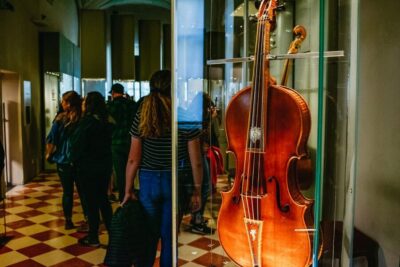 ★ 4.5Michelangelo’s David Skip-the-Line Entry TicketFrom $4512,764 reviews
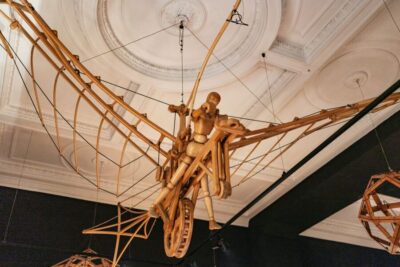 ★ 4.5Leonardo Interactive Museum Entry TicketFrom $911,763 reviews
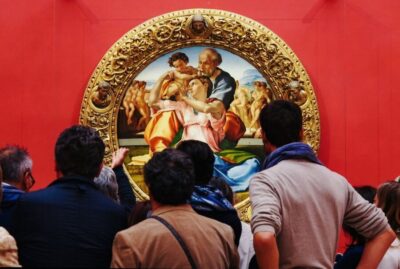 ★ 4.2Uffizi Priority Ticket & Masterpieces Audio AppFrom $316,402 reviews
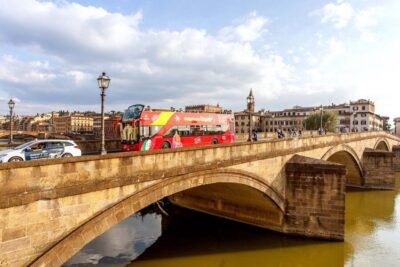 ★ 4.0Hop-on Hop-off Bus Tour: 24, 48 or 72-Hour TicketFrom $246,283 reviews
 ★ 4.5Florence Accademia Gallery Tour with Entrance Ticket IncludedFrom $456,148 reviews
 ★ 4.4Palazzo Vecchio Entrance Ticket & AudioguideFrom $374,822 reviews
Find this experience in another shortlist