
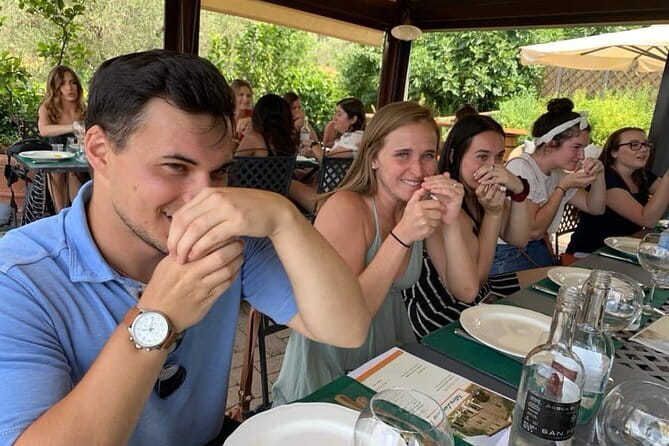
Florence field review · FOOD & DRINK
Leonardo Da Vinci’s wind mill visit and Organic olive oil tasting
Olive oil turns a countryside walk into a lesson. This Leonardo Da Vinci windmill visit plus organic olive oil tasting is a smart mix of fresh air, real farm work, and flavors you can actually compare. I like that you see where the oil comes from, not just the bottled product.
Two things I’d put at the top: a guided stroll through Tuscan olive groves, and the chance to learn how the mill works and why it matters for production. One drawback to plan for: getting there from central Florence can be confusing without your own transportation.
Key Points to Know Before You Go
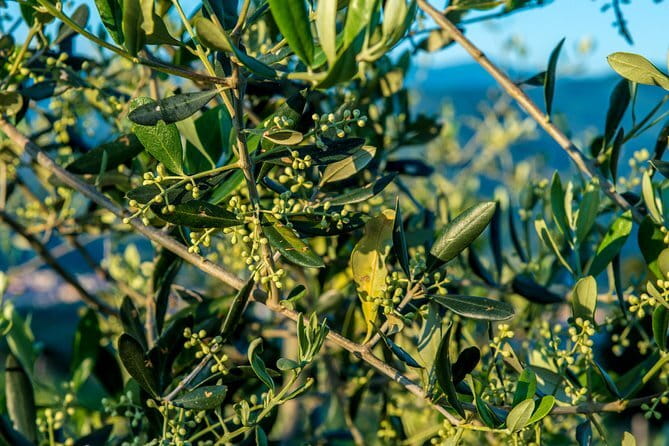
- Leonardo-style windmill visit with hands-on explanations of how it operates
- Olive grove walk that makes the tasting make sense
- Professional extra virgin olive oil tasting where you learn differences in quality
- Organic Chianti DOCG (or grape juice) included with your tasting
- Small group size, capped at 20, for a more personal pace
- English speaking guide and a mobile ticket for easy entry
More Florence tables, cellars and market stops to compare
- Florence: Chianti Wineries Tour with Wine Tasting★ 4.5 · 8,301 reviews
- Small-Group Wine Tasting Experience in the Tuscan Countryside★ 5.0 · 7,392 reviews
- SMALL-GROUP Wine Safaris: Tuscan Wine Tasting Tours from Florence★ 5.0 · 5,088 reviews
- Winner 2025 Florence Sunset Food & Wine Tour by Eating Europe★ 5.0 · 5,015 reviews
A Leonardo Windmill and Olive Oil Tasting in the Florentine Hills
This is the kind of Florence add-on that breaks you out of the city rhythm. You swap museum time for a working-agriculture setting where olive trees, presses, and a restored windmill all connect. The pairing is clever, because the tasting is better when you know what you’re tasting.
Expect about 2 hours total, and it runs as a small group, semi-private style, with a maximum of 20 people. The pace feels friendly, not rushed. You’ll also get an English-speaking expert guide, and you’ll receive a confirmation at booking along with a mobile ticket.
If you’re the type who likes learning by seeing, this fits. You’re not just stopping for views. You’re learning how production happens, then you use that knowledge to judge the oil.
What You Pay Around $39.74, and Why It Can Be Good Value
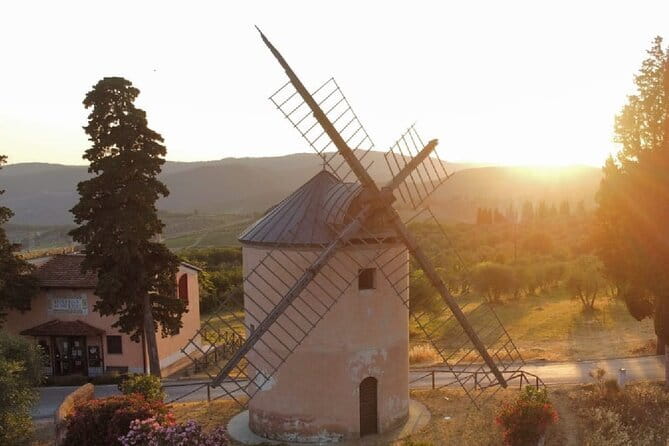
At $39.74 per person for about 2 hours, the value depends on one thing: you need to be able to reach the farm smoothly. Transportation is not included, so the tour’s price only feels like a bargain if you can handle getting there without drama.
That said, what’s included is meaningful:
- Professional olive oil tasting
- Professional guide
- Small group semi-private tour
- English speaking expert
- 1 glass of organic Chianti DOCG or grape juice
You’re also getting two distinct learning moments: first the olive grove and windmill tour, then a structured tasting course. For many visitors, those two parts are the whole point. You leave with a better sense of what “good” extra virgin olive oil tastes like, and you can spot why one bottle feels smoother or more aromatic than another.
A small detail that affects value: this is typically booked about 45 days in advance. If your dates are fixed, you’ll usually want to plan ahead so you don’t end up with limited options.
Stop 1 at Bottega del Mulino by Fattoria Lavacchio: Olive Groves First
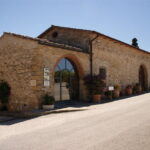
The tour begins at Bottega del Mulino by Fattoria Lavacchio, at Via di Montefiesole, 48, 50065 Pontassieve (FI). The first segment is about one hour, and it’s designed to set the stage.
You start with a walk in the olive groves, which is more useful than it sounds. Walking among the trees helps you understand what you’re later tasting. You also get a short introduction to Tuscan olive oil traditions, so the rest of the experience has context instead of feeling random.
Then you move from outside to the windmill itself. The mill visit includes:
- A guided tour of the windmill
- Historical background on the windmill, including its renovation
- Technical explanations of how it works
This matters because it turns a “cute old structure” into something you can mentally connect to production. You get a sense of how an engineered, historical idea can still serve a working agricultural process.
The Windmill Tour: How It Fits Leonardo’s Design
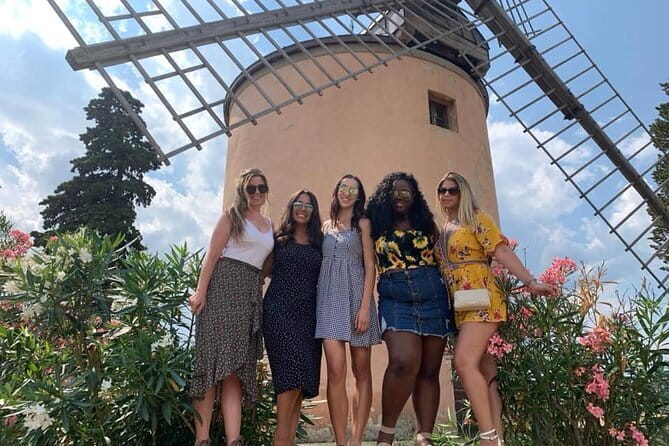
The windmill is the headline, and it’s also the thing that gives this experience personality. The tour focuses on the windmill’s story and the mechanics, so you’re not only looking at a restored feature. You’re learning the “why” behind it.
You’ll get technical explanations of how the windmill operates. That’s a big difference between a standard farm visit and this one. Even if you’re not a math person, having someone point out how parts work changes your perspective. Suddenly, it’s not just wind and sails. It’s a system with purpose.
One practical note from what you should expect on-site: the tour includes a walk through fields and access to the mill. If you’re sensitive to uneven ground or stairs, plan for it. Comfortable shoes are not optional here, because it’s not just a paved courtyard stroll.
Stop 2: Professional Extra Virgin Olive Oil Tasting That Teaches You to Compare
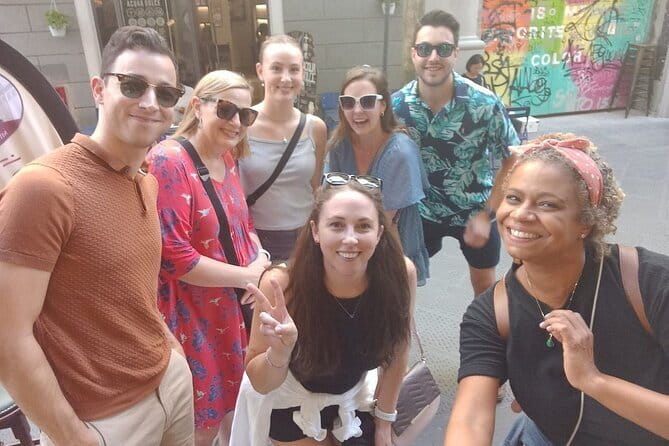
After the windmill portion, you shift into the tasting session, also about one hour. This is where the tour earns its keep.
You’ll enjoy a course on olive oil professional tasting, focused on how to identify differences in extra virgin olive oil quality. The session is structured, and the goal is not to overwhelm you with technical jargon. Instead, you’ll learn what to pay attention to when you taste.
In plain terms, you’re training your palate. You start to notice things like aroma and how oil feels on the tongue, and you begin to understand why two oils can come from the same region yet taste different. That’s the kind of skill you can use later when you shop in Florence or at other agriturismi.
And yes, you get a drink. You’ll receive one glass of organic Chianti DOCG wine or grape juice with the experience. The wine can make the tasting feel more like a relaxed Italian afternoon, especially if you’re traveling with others who enjoy pairing food and drink.

What You Actually Leave With: Flavor Memory and Buying Confidence
Most olive oil tastings fail in one way: you end up with a vague “tastes good” feeling. This experience is built to avoid that. By walking the grove, seeing the mill, and then taking part in a professional tasting course, you’re better equipped to remember what matters.
You’ll walk away with:
- A clearer idea of what quality extra virgin olive oil tastes like
- Better confidence when choosing bottles later
- A stronger appreciation of local farming methods
There’s also a practical upside. Many people treat agriturismi tastings like shopping inspiration. If you know what you’re looking for, you don’t just buy the most expensive bottle on the shelf.
Transportation From Florence: The Main Logistics Reality Check
Here’s the issue you should not ignore. The farm is not in central Florence, and the location can be confusing for GPS. The meeting point is in Pontassieve, which is roughly 40 minutes from Florence center based on typical travel time.
So ask yourself a simple question: do you have a clear transportation plan?
- If you have a car, this tour tends to feel straightforward.
- If you’re relying on taxis or arranging pickup, costs can add up quickly.
- If you do not know exactly how to reach Via di Montefiesole, 48, Pontassieve, do a test route the day before.
One more tip: be sure you’re using the correct address for the exact meeting point listed. A mismatch between what your navigation shows and what you expect can waste time, especially with limited tour duration.
If you want the least-stress experience, build in buffer time. You’re going for a countryside session, so you want to arrive early enough to park, find the entry point, and start calmly.
Who This Tour Is Best For (and Who Might Want to Skip It)
This works best if you:
- Want a countryside Tuscany experience with hands-on learning
- Enjoy tasting activities where you learn how to judge quality
- Prefer a small group setting rather than a huge bus tour
- Are curious about how historic engineering ideas connect to agriculture
It may be less ideal if you:
- Don’t have a car and don’t want to deal with getting to Pontassieve
- Prefer experiences that are fully walkable from central Florence
- Have mobility constraints that make field walks and stairs difficult
The tour says most travelers can participate, and service animals are allowed. Still, the walking and mill access are part of the plan, so judge it realistically for your comfort level.
Timing and Group Flow: What the Two Hours Feels Like
Even though the tour is listed as 2 hours approx., it flows in two clean segments:
- About one hour: olive grove walk, olive oil traditions intro, windmill tour with history and technical explanations
- About one hour: professional tasting course focused on differences in extra virgin olive oil, plus organic Chianti DOCG wine or grape juice
Because the group is small (max 20), the guide can keep an easy rhythm. You’re not just standing around waiting your turn. The pacing helps the tasting feel connected rather than random.
And you finish back at the starting point, which keeps things simple. You’re not dropped somewhere else to figure out your return route.
Should You Book the Leonardo Da Vinci Windmill and Olive Oil Tour?
I’d book it if you want a Tuscany stop that goes beyond “pretty views.” The combination is the star: olive groves plus a Leonardo Da Vinci windmill visit, then a tasting course that helps you understand what good extra virgin olive oil tastes like. For the price, that learning-to-flavor ratio is strong, as long as transportation is under control.
Skip or reconsider if you’re staying in Florence without a car and you don’t want the extra cost or hassle of reaching Pontassieve. In that case, the tour can feel overpriced mainly because you pay more to solve the location problem than for the experience itself.
If you can get there easily, this is a very solid way to add something real and local to your Florence trip. You’ll leave with both a story and a taste you can remember.
FAQ
How long is the Leonardo Da Vinci windmill and olive oil tasting tour?
The experience lasts about 2 hours total, with roughly 1 hour at Stop 1 and about 1 hour at Stop 2.
How much does it cost per person?
The price is $39.74 per person.
Where does the tour meet in the Florence area?
It starts at Bottega del Mulino by Fattoria Lavacchio, Via di Montefiesole, 48, 50065 Pontassieve (FI), Italy.
Is transportation to and from the farm included?
No. Transportation to and from the attractions is not included.
What’s included in the tasting?
You get a professional olive oil tasting and also 1 glass of organic Chianti DOCG wine or grape juice.
Will the tour be in English?
Yes, the tour is offered in English.
Is it a small group?
Yes. The tour has a maximum of 20 travelers.
Is a mobile ticket provided?
Yes, the tour uses a mobile ticket.
Is the tour accessible for most travelers and can I bring a service animal?
The experience notes that most travelers can participate, and service animals are allowed.
More of Florence at the table
- San Gimignano, Siena, Monteriggioni, Chianti Day Trip with Lunch & Wine Tasting
★ 4.5 · 4,432 reviews
Every Florence review, in one place
- Tuscany Day Trip from Florence: Siena, San Gimignano, Pisa and Lunch at a Winery
★ 5.0 · 21,634 reviews - The Best tour in Florence: Renaissance & Medici Tales – guided by a STORYTELLER
★ 5.0 · 12,316 reviews


Florence picks that sit just beyond this itinerary
- One Hour Uffizi Guided Tour: Masterpieces of the Renaissance
★ 5.0 · 3 reviews - Sightseeing Tuscany by touring bike – 1 day rental
★ 5.0 · 3 reviews - Private Siena, S. Gimignano, Chianti Road and Wine Tasting
★ 5.0 · 3 reviews - Bargello Museum Private Tour: Michelangelo’s Bacchus & Donatello’s David
★ 5.0 · 3 reviews - Authentic Florence Cooking Class at Costanza’s 1839 Family Estate
★ 5.0 · 3 reviews - San Gimignano and Volterra private tour: etruscans, romans and middle age jewels
★ 5.0 · 3 reviews
More Food & Drink worth comparing.
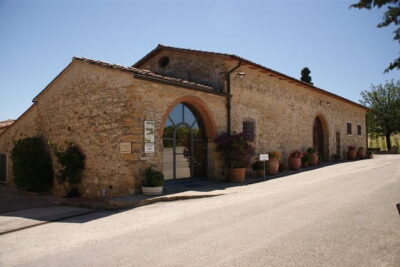
 ★ 4.5Chianti Wineries Tour with Wine TastingFrom $568,301 reviews
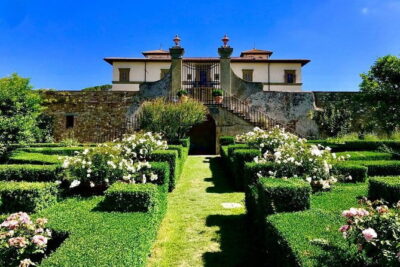
 ★ 5.0Small-Group Wine Tasting Experience in the Tuscan CountrysideFrom $1077,392 reviews
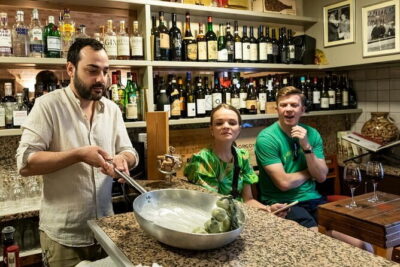
 ★ 5.0SMALL-GROUP Wine Safaris: Tuscan Wine Tasting Tours from FlorenceFrom $1575,088 reviews
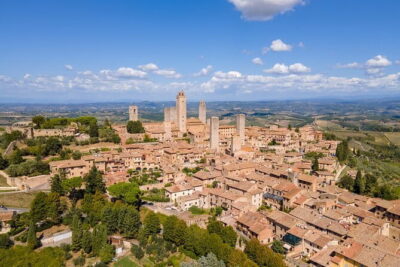
 ★ 5.0Winner 2025 Florence Sunset Food & Wine Tour by Eating EuropeFrom $1495,015 reviews
 ★ 4.5San Gimignano, Siena, Monteriggioni, Chianti Day Trip with Lunch & Wine TastingFrom $834,432 reviews
 ★ 4.9From Florence: Small Group Wine Tasting Tour to TuscanyFrom $1053,902 reviews
 ★ 4.5Cinque Terre Park Day Trip with Optional Street FoodFrom $603,593 reviews
 ★ 4.6Siena, San Gimignano & Monteriggioni with TastingFrom $463,218 reviews
Find this experience in another shortlist