
Florence field review · MUSEUMS
Leonardo Da Vinci Museum Entrance Ticket
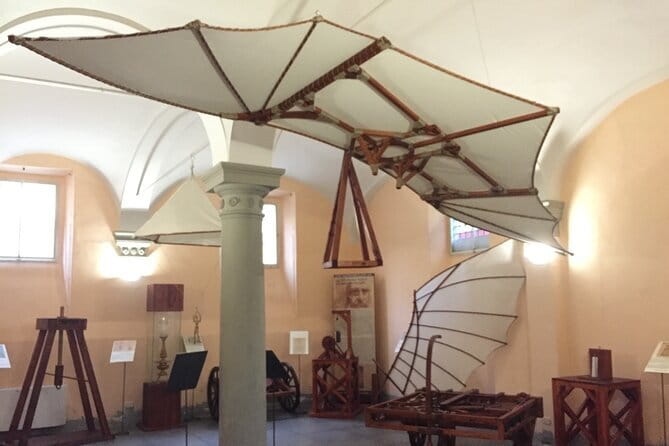
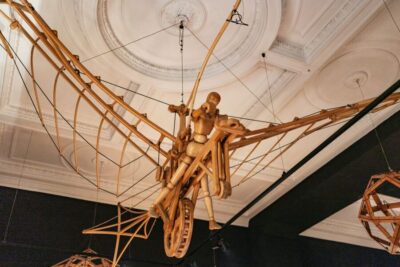
Leonardo da Vinci meets hands-on engineering in Florence. This ticket gets you into Museo Leonardo Da Vinci (Museo Le Macchine di Leonardo da Vinci), where you can walk through 50+ working models and understand the breadth of his ideas through machines, anatomy, and more. It is also a smart stop when you want something different from the usual art-heavy route.
I love that this museum is built for seeing ideas work, with models grouped into clear themes. I also like the family-friendly hands-on sections and the practical, relaxed pace that usually fits a tight day. One thing to consider: a lot of what you see is replicas and interactive stand-ins, so if you want original Leonardo artifacts, you may feel a bit underwhelmed.
Key things to know before you go
- You enter with a timed ticket and can pick from flexible time slots across the day.
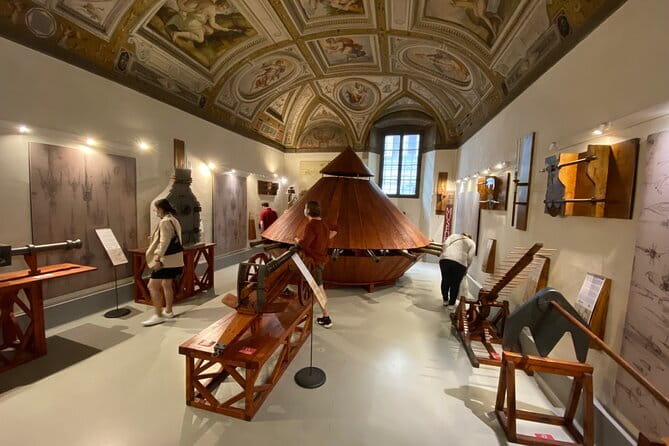
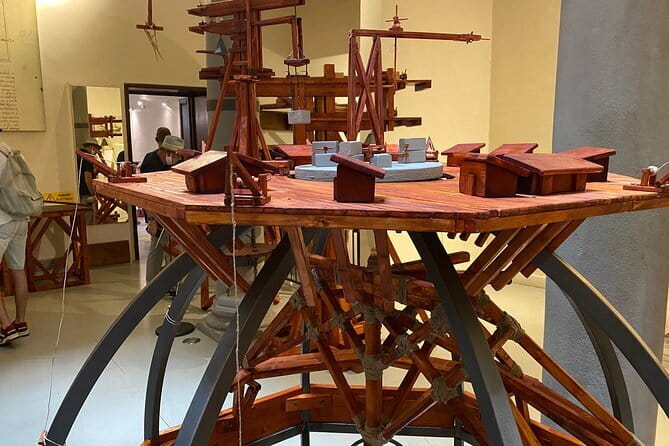
- More than 50 models across four rooms, with working machines in many displays.
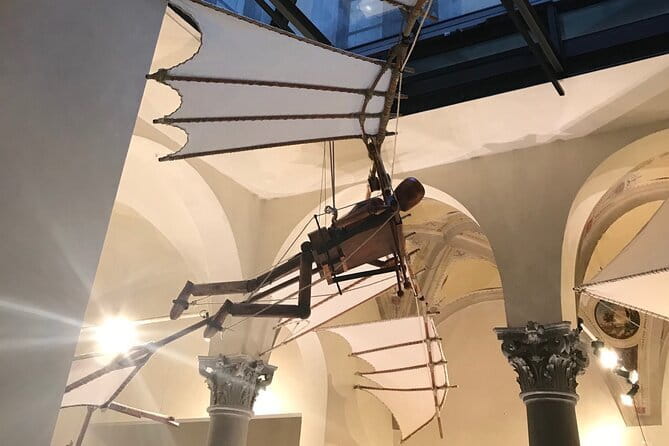
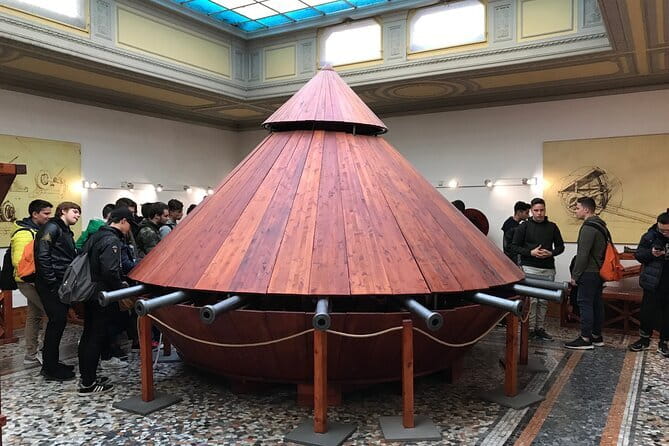
- The museum organizes inventions by theme: civil, flying, war, and anatomy.
- A documentary plays on large screens, helping you connect the machines to Leonardo’s life and works.
- There is a café agreement and a shop inside, so you can plan a low-stress break.
Compare Florence entry tickets before choosing a time slot
- Florence: Skip-The-Line Uffizi Gallery Timed Entry Ticket★ 4.5 · 27,832 reviews
- Florence: Timed Entrance Ticket to Michelangelo’s David★ 4.6 · 16,983 reviews
- Florence: Michelangelo’s David Skip-the-Line Entry Ticket★ 4.5 · 12,764 reviews
- Florence: Leonardo Interactive Museum Entry Ticket★ 4.5 · 11,763 reviews
A timed entry that saves your Florence time
Florence is great, but lines can chew up your day. This is an entrance ticket with time slots throughout the day, which helps you avoid that waiting shuffle. If you are booking in advance, it is also a well-used plan since the average booking lead time is around 12 days.
The museum is open daily from 10:00 AM to 6:00 PM during the listed date range, which gives you flexibility for lunch breaks or before-dinner plans. Expect a visit of about 1 to 1.5 hours, depending on how closely you read the labels and how long you spend at the interactive areas.
Group size is kept small, with a maximum of 20 people. That matters more than you might think. A smaller group means you are less likely to get stuck behind a crowd while you try to figure out how a mechanism operates.
Four rooms of machines, not just sketches
The heart of the visit is the museum’s layout in four rooms. It is one of the smartest ways to experience Leonardo, because you are not hunting through a giant jumble of objects. You move from theme to theme and start seeing patterns in his thinking.
Here is what to expect as you go:
Civil machines: the biggest room
The largest room focuses on civil machines. This is a good place to begin because it sets the tone: Leonardo was not only drawing inventions, he was designing systems. You get to see how engineering concepts translate into physical mechanisms.
Flying machines: where imagination gets technical
Next come the flying machines. This wing of the museum is often a crowd-pleaser because it mixes big ideas with practical display setups. You can spend extra time here, especially if you like models that clearly show how components might move.
War machines: the darker side of invention
The third room covers war machines. It is a reminder that Leonardo’s mind worked across fields, including conflict. The exhibits can feel a bit heavy compared with the art-and-science vibe people expect, but it is part of the full picture.
More Florence museums with the visit format already compared
Anatomy models: the recently developed collection
The fourth room is dedicated to anatomical models, described as a recently developed collection. This section is valuable because it ties Leonardo’s observational skills to the human body. If you liked the idea of Leonardo as a student of both nature and mechanics, this is the payoff room.
Across these rooms, the museum displays over 50 models, and many are real working machines. That is a key difference from a typical “look, but do not touch” museum. Even when interactivity is limited, the working display style helps you understand the engineering intent.
The documentary screens, and why they matter
After you walk through the machines, the museum plays a documentary about Leonardo’s life and works on large screen monitors. This is not just filler. It helps you connect the invention themes to the broader story, especially if you have only a vague Leonardo background.
It also gives you a mental reset. When you switch from reading labels and tracking moving parts to watching the story, you tend to remember the connections better. If you are traveling with kids or anyone who gets tired of museums fast, this break often keeps the visit flowing instead of stalling.
Interactive time that works for kids and adults
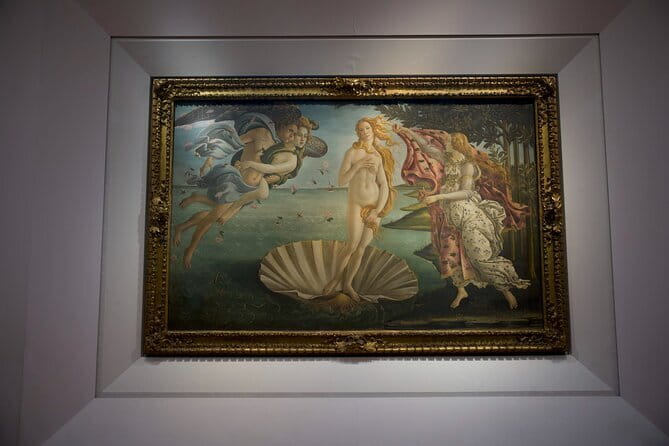
One of the biggest strengths here is that the museum is fun without becoming chaotic. Even adults who prefer quiet reading still have plenty to look at and analyze. And kids have multiple ways to engage with the ideas through interaction.
The museum includes hands-on activities, including a kids area mentioned in the feedback. It is not just a token corner. You can plan for at least a small chunk of time dedicated to the interactive displays, especially if you are traveling with younger travelers.
That said, it is also fair to go in with clear expectations. Some displays are interactive, some are visual, and some areas may feel more like replicas and demonstration-style models rather than direct museum-grade originals. If you are a serious collector type, you might want to treat this as a “learn through mechanisms” stop, not a “meet priceless artifacts” stop.
Location in Florence: easy to plug into a city day
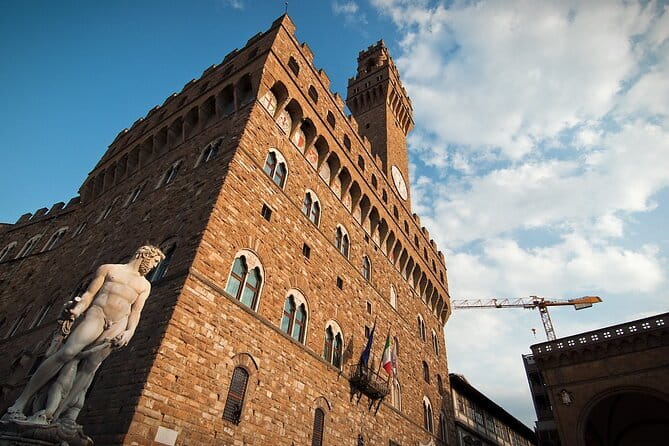
This museum is in the city center in a renowned street near the Galleria Michelangelo. It is also tied to a meaningful Florence reference point: the museum is located at the Galleria Michelangelo, where the Macchiaioli used to meet. That is a nice layer of context if you like connecting places to local history.
Practically, you will appreciate that it is near public transportation. That means you can shift your schedule on the fly, especially on days when you want to visit major sights but still keep something lighter in the middle.
If you are mapping a Florence day, think of this museum as a “reset stop.” You can go from churches and palazzi to something focused on inventions, and it feels like a different kind of learning.
Café Michelangiolo and the shop inside
Inside the exhibition area, there is an agreement with Caffé Michelangiolo, which is handy when you need a break without making a whole new journey. If you are on a hot day, being able to grab a drink and regroup inside the museum zone can be a real quality-of-life win.
The museum also has a bookshop with publications and gadgets. People often overlook the shop, but here it is one of the best ways to turn the visit into take-home learning. If you want to remember specific machines, you can look for books that match what you just saw.
Price and value: does $12.55 make sense?

At about $12.55 per person, this ticket tends to feel like good value in Europe, where admission prices can jump fast. The value comes from three things working together:
- Scale and variety: 50+ models across four themes is enough to feel like a real experience, not a quick walk-through.
- Working-machine presentation: even when you are not doing hands-on experiments yourself, the displays are designed to show function.
- Time-friendly length: most visits land in the 1 to 1.5 hour range, so you can fit it without sacrificing your whole day.
Is it perfect value for every traveler? Not always. If you expect original artifacts or deeply immersive storytelling at every turn, you may feel the price is too high for what you get. For many people, though, the mix of engineering visuals, family-friendly sections, and a manageable duration makes it worth it.
Timing tips to make it feel effortless
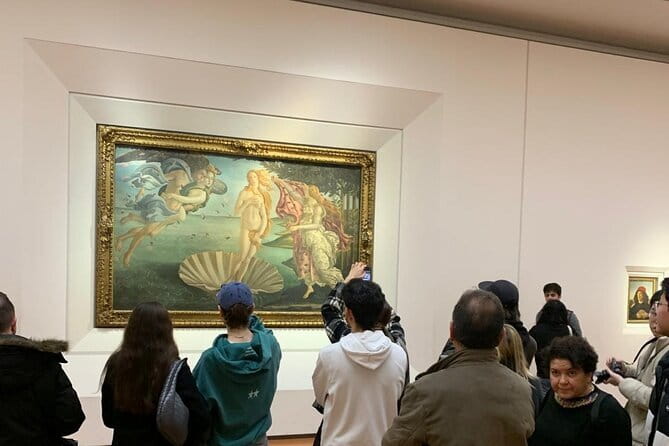
Because you get timed access and the museum stays open into the evening, you can choose a slot that fits your energy level.
If you want the calmest experience, I suggest going earlier in the day or mid-afternoon when you are not fighting the biggest rush. The main goal is to give yourself room to read labels and stop at the working models. This is not a museum where you win by sprinting.
A practical plan:
- Start with a quick scan of the room themes so you know what you are prioritizing.
- Then slow down in the civil and flying machine sections, since those often connect best to the broader “Leonardo as engineer” story.
- Finish with anatomy and the kids area if you have a family, because that is where many people feel the biggest emotional payoff.
Also, set aside time for the documentary screen. It is a good use of that last stretch when your brain is tired from reading.
Who should book this Leonardo da Vinci museum ticket
This is a strong fit if you want something educational, visual, and fun that still respects your schedule.
You are likely to love it if:
- You like science and mechanics more than traditional art galleries
- You want a museum that works well with kids
- You want a short, satisfying stop that fits into a packed Florence itinerary
- You enjoy interactive demonstrations, even if they are not always hands-on for every exhibit
You might reconsider if:
- You are hunting for original Leonardo manuscripts, artworks, or museum-grade authenticity only
- You prefer very deep, immersive interpretation at every display
- You dislike replicas and prefer strictly original objects
That last point is the main fork in the road. Treat this museum as a guided-feeling look at how Leonardo’s ideas can become machines and models, not as a vault of original treasures.
Should you book Leonardo Da Vinci Museum entrance tickets in Florence?
Yes, if you want a high-value, low-stress Florence stop that focuses on invention and engineering. The combination of timed entry, a manageable visit length, and a layout built around civil, flying, war, and anatomy makes this easier to enjoy than many bigger museums.
Before you hit book, decide what kind of Leonardo fan you are. If you want machines you can understand quickly and a visit that keeps kids engaged, this is a smart choice. If you only want original artifacts and expect an immersive, story-heavy museum every step of the way, you may want to compare against other Leonardo-related options in Italy.
Another Florence museum door


Florence tickets and timed entries



Every Florence review, in one place
- Tuscany Day Trip from Florence: Siena, San Gimignano, Pisa and Lunch at a Winery
★ 5.0 · 21,634 reviews - The Best tour in Florence: Renaissance & Medici Tales – guided by a STORYTELLER
★ 5.0 · 12,316 reviews


Florence picks that sit just beyond this itinerary
- One Hour Uffizi Guided Tour: Masterpieces of the Renaissance
★ 5.0 · 3 reviews - Sightseeing Tuscany by touring bike – 1 day rental
★ 5.0 · 3 reviews - Private Siena, S. Gimignano, Chianti Road and Wine Tasting
★ 5.0 · 3 reviews - Bargello Museum Private Tour: Michelangelo’s Bacchus & Donatello’s David
★ 5.0 · 3 reviews - Authentic Florence Cooking Class at Costanza’s 1839 Family Estate
★ 5.0 · 3 reviews - San Gimignano and Volterra private tour: etruscans, romans and middle age jewels
★ 5.0 · 3 reviews
More Museums worth comparing.
 ★ 4.5Skip-The-Line Uffizi Gallery Timed Entry TicketFrom $3027,832 reviews
 ★ 4.5Leonardo Interactive Museum Entry TicketFrom $911,763 reviews
 ★ 4.5Florence Accademia Gallery Tour with Entrance Ticket IncludedFrom $456,148 reviews
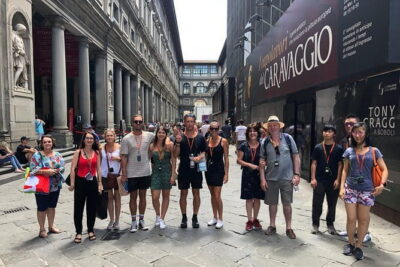 ★ 4.5Uffizi Gallery Small Group Tour with GuideFrom $764,923 reviews
Accademia Gallery Guided TourFrom $534,156 reviews
★ 4.5Uffizi Gallery Small Group Tour with GuideFrom $764,923 reviews
Accademia Gallery Guided TourFrom $534,156 reviews
 ★ 4.6Accademia Gallery Guided Tour with Entry TicketFrom $492,253 reviews
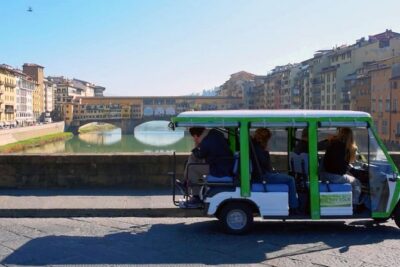 ★ 4.5Golf Cart Tour to Fiesole Roman Theatre and MuseumFrom $952,039 reviews
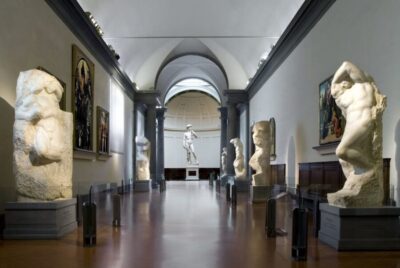 ★ 4.8Uffizi Gallery and Accademia Gallery Guided TourFrom $1402,028 reviews