
Florence field review · WORKSHOPS
Fresco Painting Class in Florence
Florence can be all church domes and museum lines, until you actually paint the wall. This fresco workshop gets you working with the real technique of wet lime plaster and dry pigments, guided by artists from a local studio. You do not just look at Renaissance art here, you learn how it is made, then leave with something tangible.
I love that the class is private and centered on hands-on learning, so you get help based on your level, even if you are a beginner. I also like that they provide the materials and pigments, so you can show up and focus on the process instead of shopping. The one thing to consider is the price, because this is not a budget activity, and the 3-hour time window means your fresco will be “small but real,” not a huge masterpiece.
Key Things That Make This Fresco Class Worth Your Time
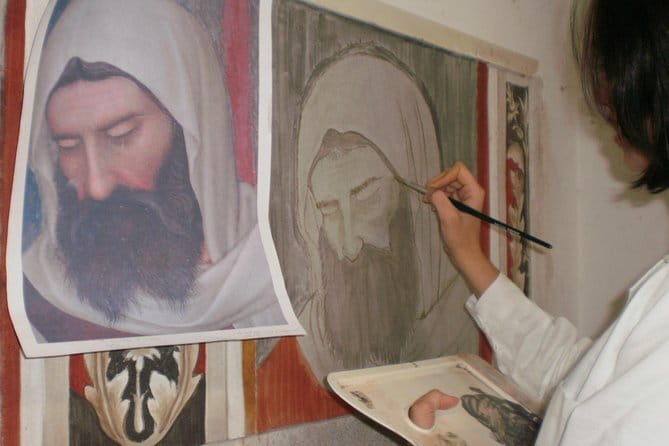
- Wet-plaster fresco technique: You learn the ancient method where paint bonds into plaster as it sets.
- Medieval recipe focus: Your small fresco follows the approach of Cennino Cennini, with choices that match your skill level.
- Private, one-on-one coaching: You get direct guidance while you mix materials, plan your design, and paint.
- Supplies included: No pigment hunting, no extra tools to buy.
- A take-home souvenir: The atelier packs your finished fresco so you can bring it with you.
Keep the Florentine shortlist moving
- Florence: Pasta Cooking Class with Unlimited Wine★ 4.9 · 10,285 reviews
- Florence Pizza or Pasta Class with Gelato Making at a Tuscan Farm★ 5.0 · 6,801 reviews
- Florence: Pasta & Tiramisu Cooking Class with Unlimited Wine★ 4.9 · 6,708 reviews
- Florence: Pasta Cooking Class with Unlimited Wine★ 5.0 · 6,413 reviews
Turning Wall Paint Into Real Renaissance Skills
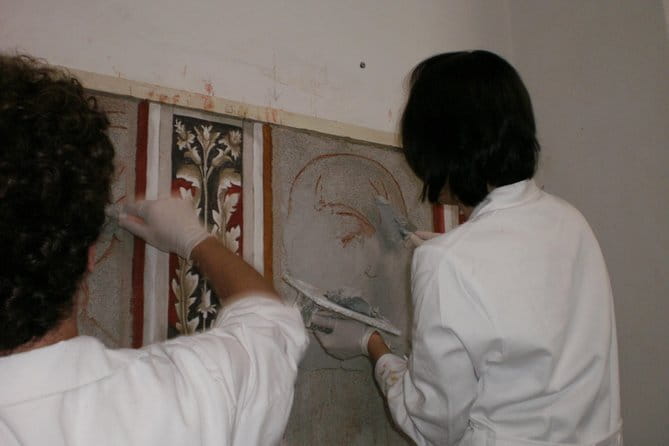
Fresco is one of those art forms that sounds simple until you try it. The basic idea is clever: you paint on freshly laid, wet lime plaster. Then water carries the dry pigment, and as the plaster sets, your image becomes part of the wall surface. That process changes everything about how you work, because time matters and corrections are not as forgiving as on canvas.
What I like most is that the class teaches you the logic behind the look. You start understanding why frescoes feel so direct and why painters planned their moves carefully. When you later spot frescoes in churches around Florence, you will notice the craftsmanship more than just the subject.
Price and Value for a 3-Hour Private Workshop
At $475.62 per person, this class is a splurge by Florence standards. But it is also a very specific kind of splurge: you are paying for a private session, instructor attention, and all materials. If you have ever spent money on tours where most of the time is sitting and looking, this is different. You spend the majority of the hours doing the work yourself.
The other value piece is the take-home result. The studio packs your fresco so you can bring it home, which turns your class into a personal souvenir instead of another photo set. And if you want more time, you can add an extra hour for €40 (paid directly at the studio if the session goes beyond 3 hours).
Where the Class Starts, and What That Means for Logistics
The workshop meets at Via Coluccio Salutati, 3r, 50126 Firenze FI, Italy. It ends back at the same spot, so you are not stuck planning your next move right after paint.
Two practical tips: first, you will be contacted after booking to coordinate your start time. Starting times are not listed because they are arranged directly with the studio. Second, you need to provide a valid WhatsApp phone number after booking so the studio can reach you.
This matters because fresco painting does not work like a casual stroll. The plaster timing is part of the art, so the schedule needs to fit the studio process.
Inside the 3-Hour Workshop Flow (What Happens in Real Time)
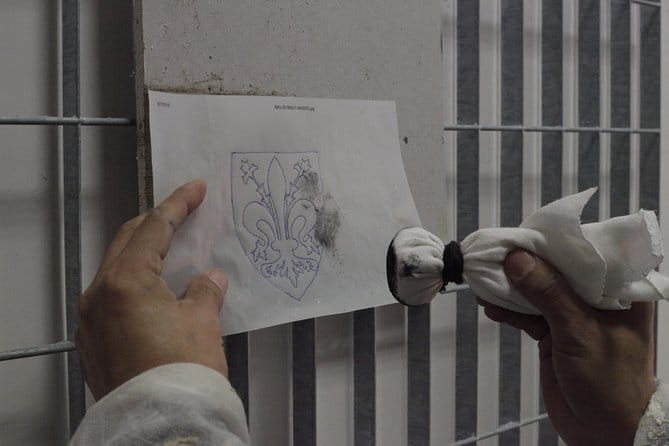
The class runs about 3 hours and is designed for a finished small fresco by the end. Since it is private, your pace can be adjusted a bit, but the structure stays the same: learn, mix, paint, and plan for drying.
A typical flow goes like this:
1) Welcome and technique briefing
You get an explanation of fresco in plain terms, including how water, pigments, and wet plaster work together. The goal is to prevent the most common mistake, which is treating fresco like normal painting.
2) Make the materials
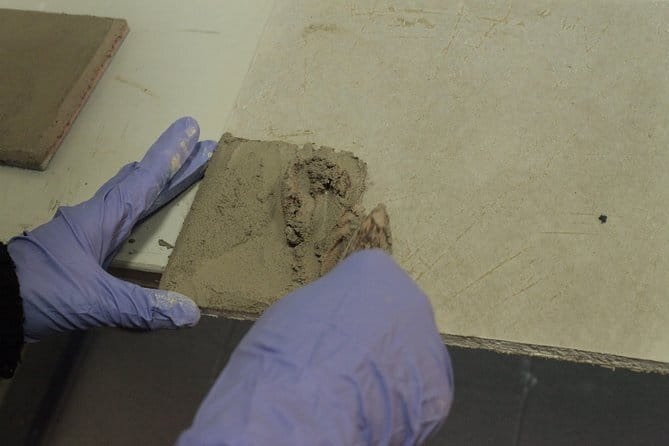
You work with the plaster recipe approach based on the medieval tradition, and you also deal with pigments in the context of this technique. The materials are provided, so you are learning the method, not improvising tools.
3) Lay out your design
Depending on your level, you can make something simple or go for more detail. The class can accommodate beginners, and if you already paint, you can choose more complex subject options. If you are interested in painting a face, it is possible too, but the session length cap matters.
4) Paint on wet plaster
This is the core moment. You paint while the plaster is fresh and receptive. You are not just trying to make it look pretty, you are timing your work so the pigment properly merges with the plaster as it sets.
5) Drying break and finishing
As your material dries, you may have a short break. In some sessions, people went to a nearby coffee shop to chat while things set. You might also have snacks or drinks near the end, depending on how the studio schedules it.
Even if your fresco is small, the class covers the full “how it becomes part of the wall” workflow, not just brush strokes.
Learning the Ancient Materials: Lime Plaster, Pigments, and Time
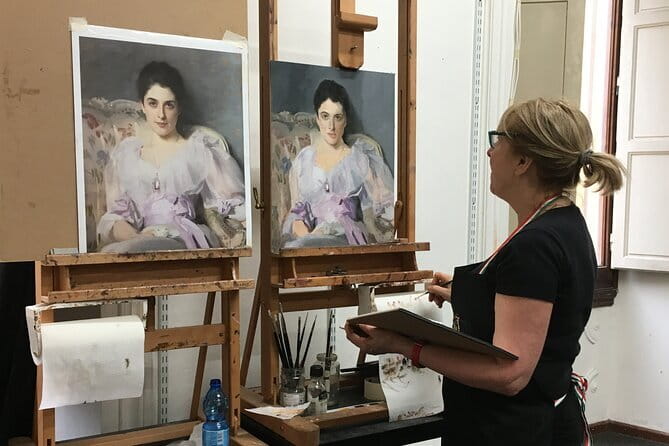
The technique is built on a strict chain. Fresh lime plaster is the foundation. Dry-powder pigment is blended with water during the painting step, so it can merge into the plaster while it is still wet. When the plaster dries and sets, the artwork becomes integrated into that surface.
That is why fresco feels different from almost anything else. You cannot treat it like slow oil painting where you can stop, rethink, and come back later with no consequences. Here, you plan your marks, keep moving with purpose, and accept that you are working inside a clock.
One of the most praised elements of the experience is the way instructors explain the challenges. People come expecting an art class. They leave with a deeper appreciation for the craft, because they understand the work behind the surface look.
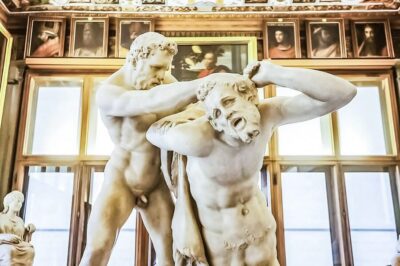
Getting One-on-One Instruction From Real Artists
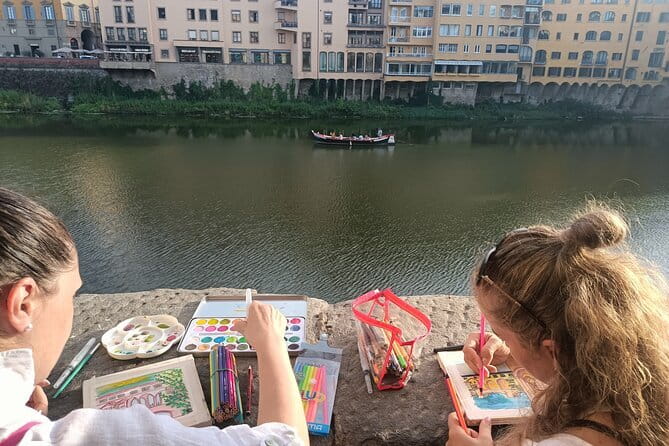
This is a private class, meaning only your group participates. That is a big deal, because fresco painting benefits from quick corrections. You might be adjusting proportions, pigment handling, or brush pressure. In a group format, you lose that feedback time.
Instructors you could encounter include artists like Octavio Palomino (a sculptor and studio owner) and instructors such as Claudia or Eleonora, who focus on fresco technique and teaching. Rosanna is also mentioned as part of the studio team, including handling communication.
No matter which instructor you work with, the theme is consistent in how people describe the class: patient guidance, encouragement for non-artists, and practical teaching that helps you finish something you are proud of.
Choosing Your Subject: Beginner-Friendly, but Detail Is Possible
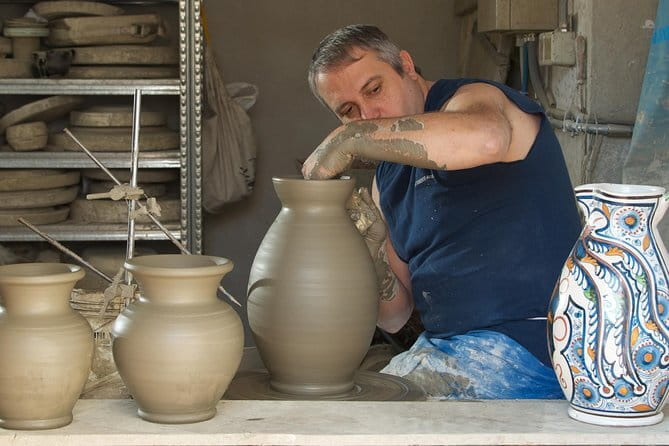
You will create a small fresco, and the class can adapt to your level. That is not just marketing language. Fresco requires different discipline than casual painting, so you need a subject that fits the time and your comfort.
If you are new to drawing, you can choose a simpler design and still end up with a meaningful result. If you have painting experience, you can often go for more complex subjects. People specifically mention options like anatomical details and even faces.
Here is the consideration: the class is about 3 hours. If you want extra complexity and the session runs over, you can add another hour for €40, paid directly at the studio. If you want a face or very detailed work, it is smart to talk to the studio early so your plan matches the timing.
When Your Fresco Dries, Your Experience Keeps Going
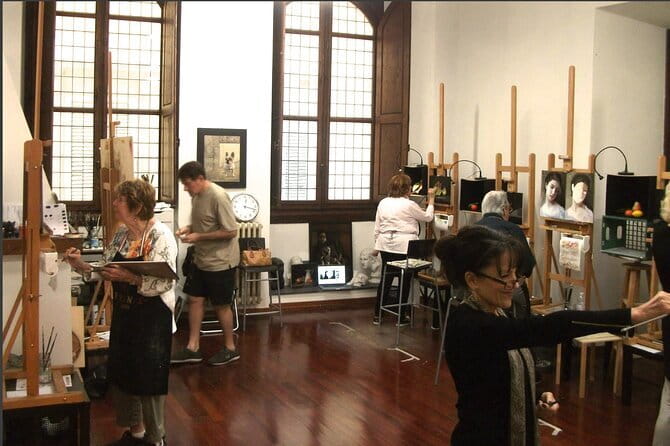
Fresco is not just a “paint and leave” event. The drying phase is part of the workflow. Some sessions include a break while the plaster sets, and you might step out for a coffee and pastry nearby. Other times, you may have snacks and drinks toward the end of the session.
The key point is that you are not just waiting. You are still learning, because the instructor can help you understand what you did right, what will change as it dries, and how fresco differs from other mediums.
Packing It Up, Then Actually Keeping It Safe at Home
Your fresco is not meant to be a fragile souvenir you abandon on the hotel bed. The atelier carefully packs your fresco so it is easier to take home with you. Shipping is not included, so if you want it mailed, that would be an extra cost.
What to do with it when you get back to your room is your real-world job. Keep it flat if possible, protect it from bumps, and plan ahead for transport in your bag. Because this is a real painted object, travel logistics matter more than with a typical postcard-sized souvenir.
In at least one case, someone even arranged mailing back to the United States, which suggests the studio can work with shipping if you ask. Just remember shipping is not included in the base price.
Who This Florence Fresco Class Is For (and Who Might Skip It)
This class is a strong fit if you want more than museum browsing. If you love hands-on work, and you enjoy learning by doing, you will like this. It is also a good choice for couples, because the private format can make the experience feel personal without feeling awkward.
It is also a good option if you paint other mediums. Fresco teaches a different kind of discipline, and people who paint in other styles say it helps them understand Renaissance craftsmanship at a deeper level.
If you are traveling on a tight schedule, you might skip it because you are committing to a solid 3 hours in Florence and then dealing with the physical souvenir afterward. And if you want a large finished painting, fresco classes here are designed around small results in the time available.
Quick Tips Before You Go
- Bring a WhatsApp number you can use after booking, since the studio will coordinate your start time directly.
- Wear clothes you are okay getting paint-adjacent on, even if materials are managed carefully.
- Plan for transport, because you are taking a real fresco home in the end.
- If you have a detailed idea, ask early whether your design fits within the standard session or if you should plan for an extra hour at €40.
Should You Book This Fresco Painting Class in Florence?
Book it if you want a day with your hands on art, not just your phone camera. The private instruction, the ancient technique focus, and the materials provided make it a rare “do the thing” experience. I also like the way the studio approach helps beginners finish something meaningful without turning the class into a test.
Skip it if you are price sensitive or you dislike the idea of taking home a delicate, physical artwork. Also skip if you need a very flexible schedule, since start times are coordinated directly with the studio.
If you are the type who will visit Florence churches and look closer after your class, this is the kind of activity that pays off in your next stop.
FAQ
What is the duration of the fresco painting class?
The class lasts about 3 hours.
Is this class private?
Yes. It is a private tour or activity, and only your group participates.
What language is the class offered in?
The class is offered in English.
What is included in the price?
All materials and pigments are included.
Do I need to pay for shipping?
Shipping cost is not included.
Can I extend the session if my design takes longer?
Yes. If the session exceeds the 3-hour duration, each additional hour costs €40 and can be paid directly at the studio.
Where does the class meet in Florence?
The meeting point is Via Coluccio Salutati, 3r, 50126 Firenze FI, Italy.
How do I confirm or get the start time?
Starting times are arranged directly with the studio after you book. You will be contacted by the studio, so you should provide a valid WhatsApp phone number.
What is the cancellation policy?
You can cancel for a full refund up to 24 hours in advance of the experience’s start time. If you cancel less than 24 hours before the start time, the amount paid is not refunded.
More Workshops in Florence
- Cooking Class and Lunch at a Tuscan Farmhouse with Local Market Tour from Florence
★ 5.0 · 4,831 reviews



Every Florence review, in one place
- Tuscany Day Trip from Florence: Siena, San Gimignano, Pisa and Lunch at a Winery
★ 5.0 · 21,634 reviews - The Best tour in Florence: Renaissance & Medici Tales – guided by a STORYTELLER
★ 5.0 · 12,316 reviews

Florence picks that sit just beyond this itinerary
- One Hour Uffizi Guided Tour: Masterpieces of the Renaissance
★ 5.0 · 3 reviews - Sightseeing Tuscany by touring bike – 1 day rental
★ 5.0 · 3 reviews - Private Siena, S. Gimignano, Chianti Road and Wine Tasting
★ 5.0 · 3 reviews - Bargello Museum Private Tour: Michelangelo’s Bacchus & Donatello’s David
★ 5.0 · 3 reviews - Authentic Florence Cooking Class at Costanza’s 1839 Family Estate
★ 5.0 · 3 reviews - San Gimignano and Volterra private tour: etruscans, romans and middle age jewels
★ 5.0 · 3 reviews
More Workshops worth comparing.
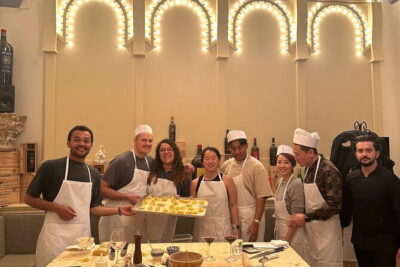 ★ 4.9Pasta Cooking Class with Unlimited WineFrom $2110,285 reviews
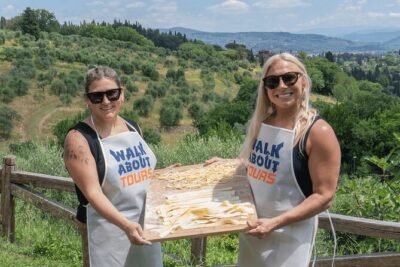 ★ 5.0Florence Pizza or Pasta Class with Gelato Making at a Tuscan FarmFrom $1456,801 reviews
 ★ 4.9Pasta & Tiramisu Cooking Class with Unlimited WineFrom $566,708 reviews
★ 5.0Pasta Cooking Class with Unlimited Wine6,413 reviews
★ 4.9Pasta & Tiramisu Cooking Class with Unlimited WineFrom $566,708 reviews
★ 5.0Pasta Cooking Class with Unlimited Wine6,413 reviews
 ★ 5.0Cooking Class and Lunch at a Tuscan Farmhouse with Local Market Tour from FlorenceFrom $1454,831 reviews
 ★ 5.0Pastamania – Florence Pasta Making ClassFrom $493,050 reviews
 ★ 5.0Cooking Class Pasta & Tiramisu Making Unlimited WineFrom $892,234 reviews
 ★ 5.0Florence Cooking Class The Art of Making Gelato & Authentic PizzaFrom $642,053 reviews
Find this experience in another shortlist