
Florence field review · WALKING TOURS
Florence: Occult & Esotericism Walking Tour For The Curious
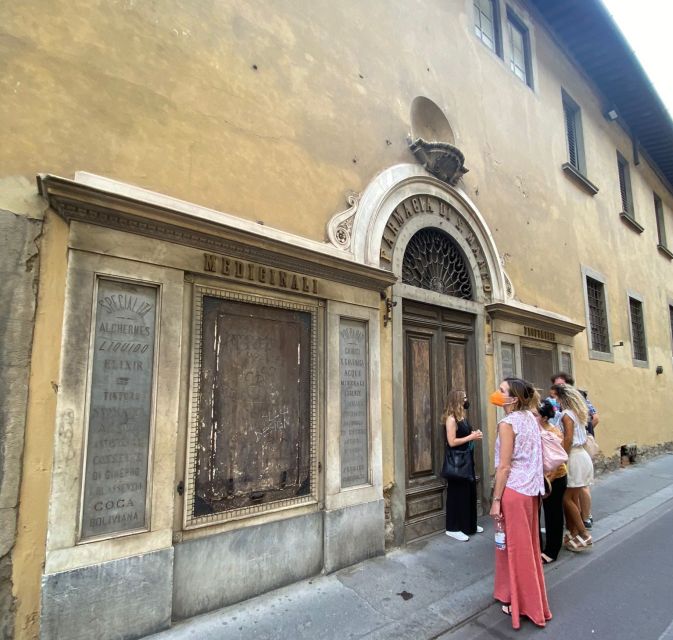
Florence can feel too polite. This tour turns the volume up with esoteric symbols and darker local stories. I like the guided, clue-by-clue pace, and I especially enjoy the stop at the Museum of Masonic Symbols. The only drawback I’d flag is that if you want super technical “read every code” level detail on every facade, 3 hours can feel tight.
If you enjoy art, architecture, and history with a side of the strange, you’re in the right place. Expect a walking route through major squares and church areas, then a focused museum visit where symbolism gets treated like a topic, not just a spooky rumor.
Key Highlights You’ll Actually Feel on This Walk
- Symbols you can spot on church facades and city streets, not just vague talk
- Piazza della Signoria history tied to Girolamo Savonarola’s 1498 execution
- The Florence Baptistery Latin palindrome presented as a lasting mystery
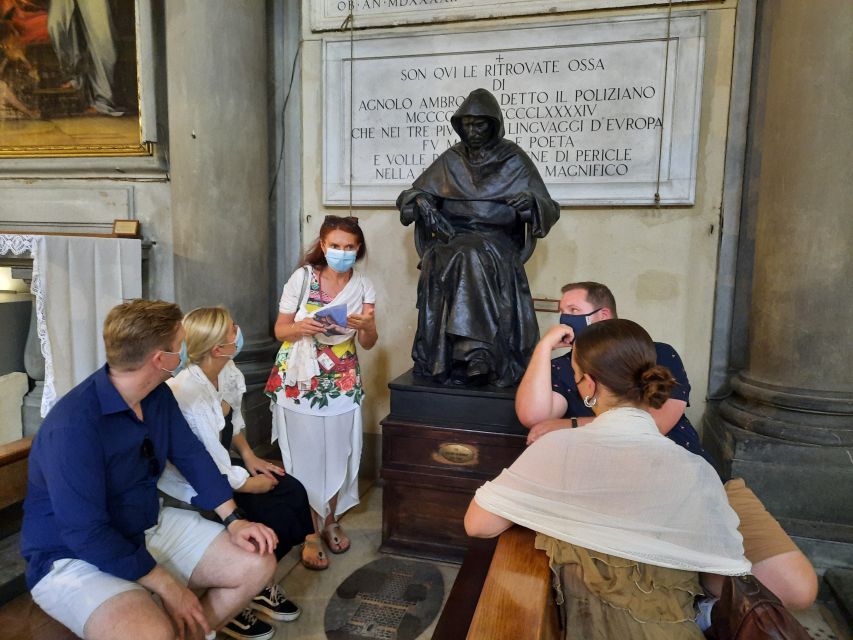
- Arsenic poisoning stories involving Pico della Mirandola and Agnolo Poliziano (1494)
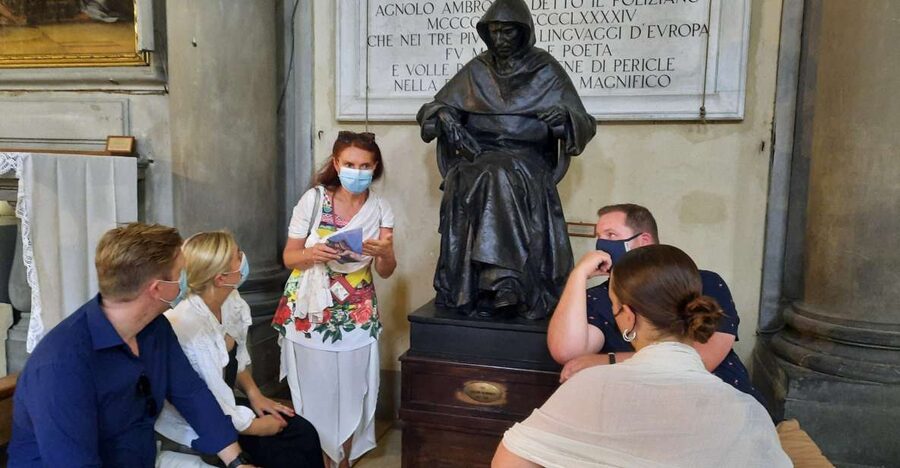
- Museum of Masonic Symbols with a guided look at ritual objects and etched markings
Florence walks that make the stone streets tell the story
- Florence: Guided Walking Tour★ 4.5 · 3,334 reviews
- Skip the line: Uffizi and Accademia Small Group Walking Tour★ 4.5 · 3,135 reviews
- Florence: Guided Walking Tour★ 4.6 · 1,602 reviews
- Florence: Renaissance and Medici Tales Guided Walking Tour★ 4.8 · 1,549 reviews
Florence Through Symbols, Executions, and Masonic Ideas
This is a 3-hour Florence walk built for the curious, the slightly skeptical, and the people who love when history has sharp edges. Your guide connects the city’s big, famous landmarks with smaller details like inscriptions, iconography, and symbolic patterns you can actually look for as you move.
The core payoff is how the tour teaches you to notice. You’re not just staring at stone. You’re being guided to look for specific kinds of markings and then hear what those markings might mean in Florence’s world of magic, alchemy, and secret-society lore.
And yes, it can get dark. You’ll hear about executions, poisonings, and cruelty justified by frightening beliefs. If that kind of subject matter makes you uncomfortable, you may want to consider whether you’re in the mood for it that day.
Starting at San Marco: How the Tour Sets the Tone
You meet your guide in the middle of San Marco Square, at the Monument to General Manfredo Fanti. From the first stop, the tour’s method is clear: you’ll get quick orientation, then you’ll start reading Florence like a puzzle.
A short guided segment in Piazza San Marco gets you grounded in the area and sets up stories tied to learning circles and influential thinkers. This matters because a lot of what you’ll hear later depends on understanding why certain symbols were meaningful to people in Renaissance Florence, not just what they look like today.
Also, this is a private group format. That usually means the guide can adjust pace when questions pop up. You’re likely to get more back-and-forth than you would on a larger group tour.
Piazza San Marco and Piazza Santissima Annunziata: Intellectuals and Odd Details
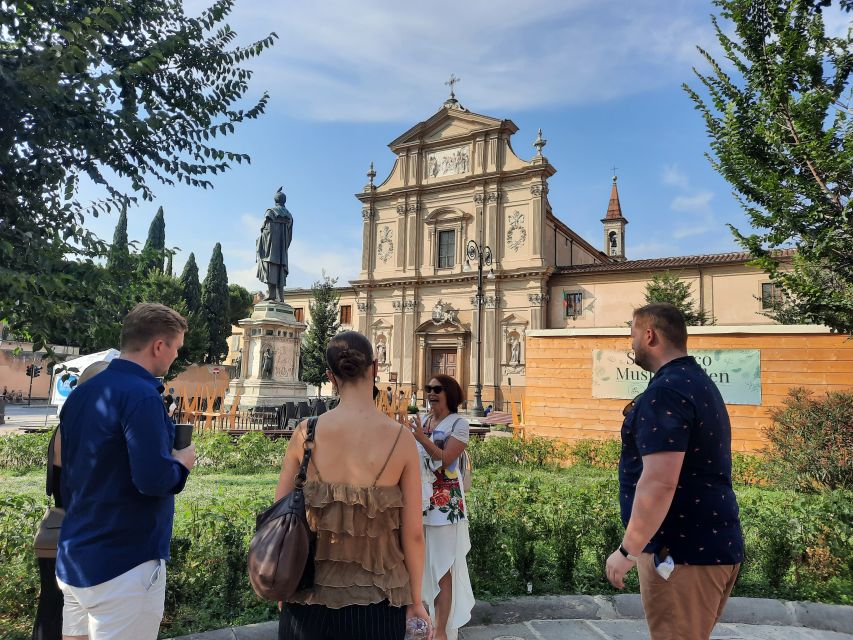
At Piazza San Marco, you’re in the right neighborhood for storylines about the people who shaped Florence’s reputation as a center of thought. The tour includes the account of arsenic poisoning tied to Pico della Mirandola and Agngolo Poliziano in 1494, and it places them in the setting where they are connected to Church of San Marco.
That’s a strong theme: intellectual life, danger, and rumor all tangled together. If you like Renaissance names, this part gives you names with plot points, not just dates.
Then you shift to Piazza Santissima Annunziata. Here the tour turns playful for a moment with the statue of Ferdinand I and the challenge of counting the bees. It’s a quick break from heavy topics, but it also reinforces the tour’s big idea, Florence is full of symbolic details if you train your eyes.
Even if you don’t take the symbols literally, the exercise of spotting them is fun. You’ll walk away with a different way of looking at ornament.
Duomo Complex and Florence Baptistery: When Religious Art Meets Unsolved Questions
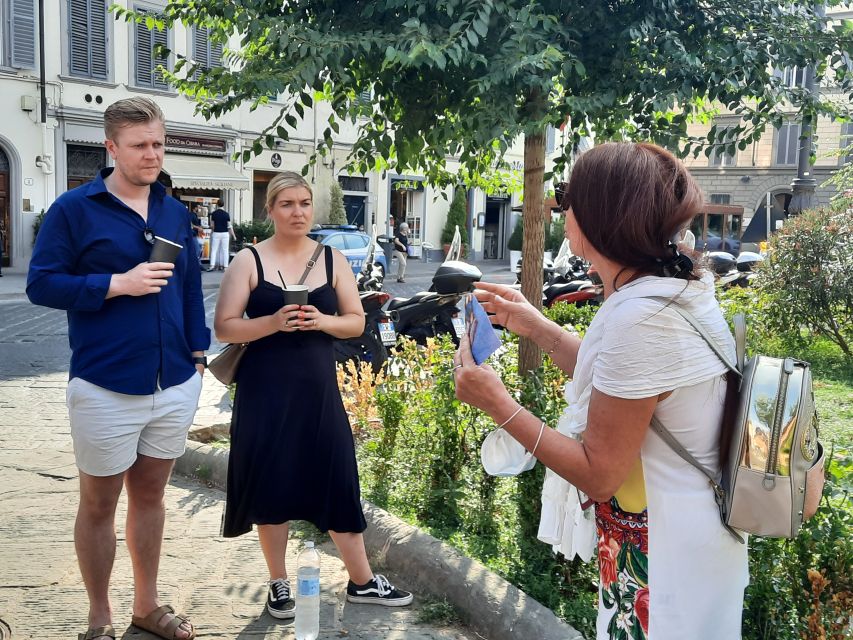
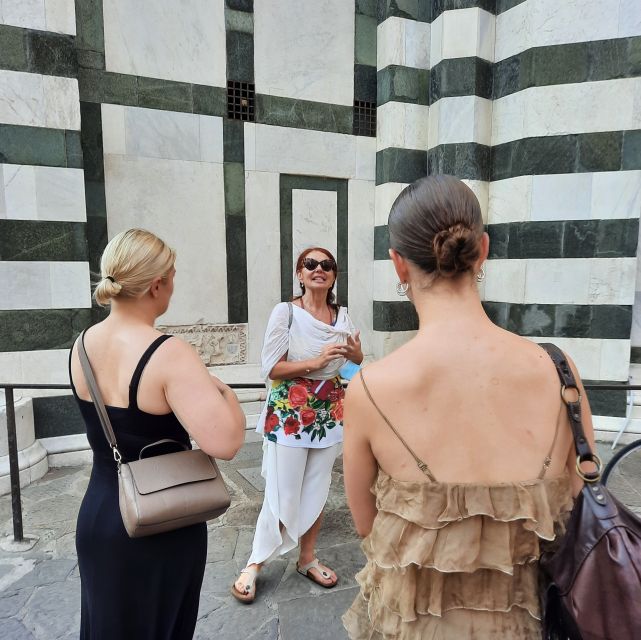
Next comes the Duomo area, where the tour focuses on the Florence Baptistery and the broader “holy architecture plus strange markings” vibe. You’ll spend time looking around the Duomo complex area, then the Baptistery gets special attention for an engraved Latin palindrome that stays mysterious.
This is the kind of moment that fits the tour perfectly. The guide presents it as something people can’t quite pin down, which gives you an easy question to hold in your mind while you look at other symbols across the city.
The tour also calls out the facades of major basilicas, especially Santa Croce and Santa Maria Novella, as places where science and esoteric symbol reading get mixed together in what you can see on the exterior. You don’t just hear the story. You get directed toward what to notice on the stone.
One practical point: plan to stand and look. This tour works best when you’re willing to pause, tilt your head, and read details at walking speed. If you rush through churches on instinct, you’ll miss the point.
Piazza della Signoria and the Walk Toward Ponte Vecchio: Savonarola and the City’s Dark Reputation
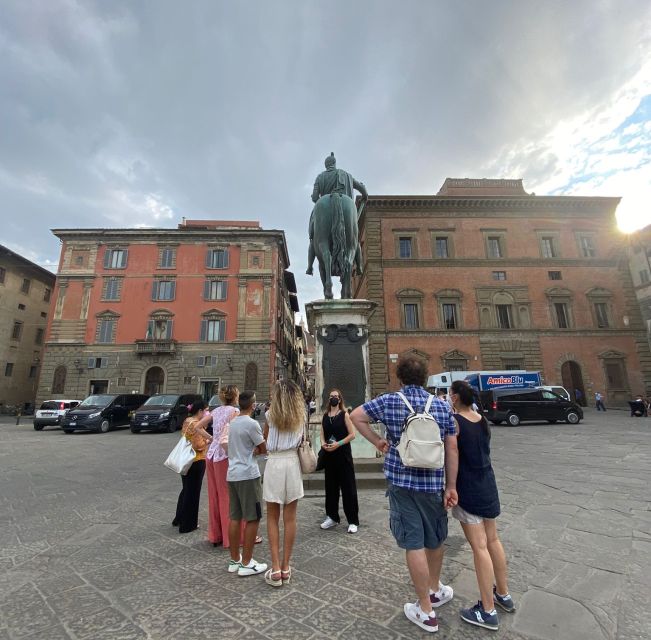
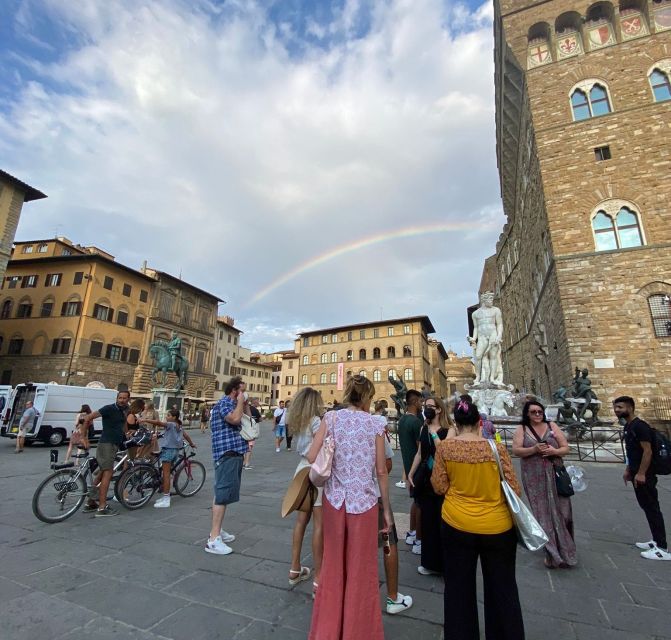
Piazza della Signoria is where the tour’s “dark Florence” tone lands hard. You’ll hear about Girolamo Savonarola, the Dominican preacher who was executed in 1498 in Piazza della Signoria, hanged and burned at the stake.
That story is more than shock value. It ties religious authority, public punishment, and the fear people had of spiritual threats together. And once you hear it in place, the square feels less like a postcard and more like a stage where moral panic played out.
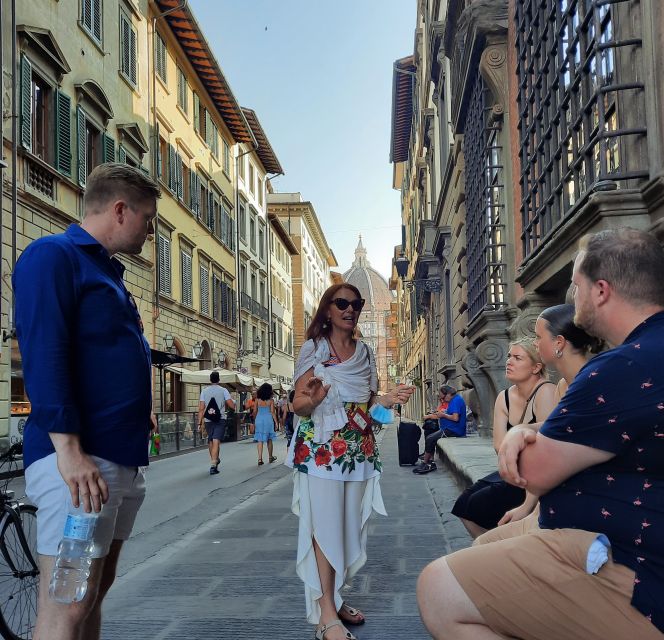
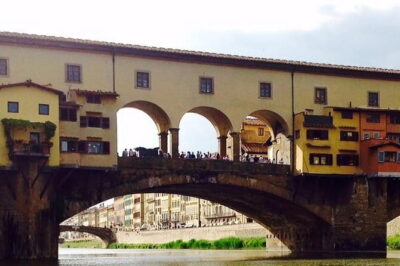
From there, the tour continues toward Ponte Vecchio and keeps the theme of symbols moving through different parts of the city. As you cross and transition, your guide brings in topics that connect Florence to secret-piety legends like the Templars and Cathars and also the idea of an early Masonic lodge in the city.
Whether you interpret those links as historical fact, tradition, or symbolic storytelling, the tour’s value is how it shows you that Florence’s elite culture loved layered meanings. Art and text were not always straight lines. Sometimes they were coded speech.

Oltrarno: Neoplatonic Florence, the Florentine Studio, and Magic Among Thinkers
In Oltrarno, the tour shifts from famous public punishment to the quieter world where ideas got formed. Here the guide covers the Neoplatonic Florentine Academy, associated with Cosimo de’ Medici, and explains how it influenced literary and artistic culture.
Then the tour brings in the Florentine Studio, described as a place that once gathered philosophers, theologians, and magicians. That combination is key. The message is that in Renaissance Florence, the “rational” and the “mystical” could share the same rooms.
This section is also where you’re likely to hear about alchemy-style thinking and how people connected sacred objects, secret practices, and meaning. The tour mentions specific legends and artifacts, including stones tied to the Holy Sepulcher of Jerusalem that were used in the tradition of the Explosion of the Chariot on Easter day, connected with the Brindellone.
For readers, the takeaway is simple: these aren’t random horror stories. They’re part of how Florentines explained the world, including the parts they couldn’t control.
If you prefer your history tightly sourced and your symbolism strictly proven, keep your expectations grounded. This tour’s style is interpretive by design. You can still enjoy it while mentally separating documented history from “symbol meaning” possibilities.
Museum of Masonic Symbols: The Best Proof of This Tour’s Focus
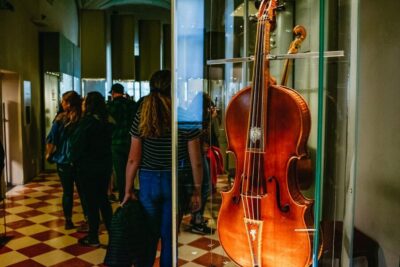
The final major stop is the Museum of Masonic Symbols, with a guided visit included (entrance included, and you skip the ticket line). The museum is described as the first Italian museum devoted to Masonic ideology, and it’s where the tour’s weird ideas get handled in a more structured way.
You’ll see a display of ritual objects with symbols etched, embroidered, printed, and engraved. This matters because, outside of museums, symbolic talk can float. In a museum setting, you can point to materials and markings, even if you don’t agree with every interpretation.
I like this part because it slows down the pace. You stop walking, start looking, and the guide can explain what the symbols are and why they might have been used. It’s a helpful balance after the city’s quick facade spotting.
One note from guide feedback: the quality of the experience can depend a lot on your guide’s ability to connect the museum objects to what you saw outside. If you end up with a guide like Susanna, whose tour was praised as superb, that connection likely feels smooth and clear.
Price and Timing: Is $215.24 Worth 3 Hours?
At $215.24 per person for a 3-hour private group tour, the value comes from two included pieces: a licensed guide who interprets symbols and an included guided museum entrance. You’re also paying for a focused theme, not a broad general “see Florence in one day” type route.
This works out best when you want more than sightseeing. If your goal is to learn a method, how to notice details and connect them to Florence’s intellectual and symbolic culture, you’re likely to feel it was worth it.
If your main goal is facades and codes with maximum visual close-reading, do know this tour has limited time. One disappointment in the feedback points to people wanting more detail on historic monument facade elements. So, set your expectations to “symbol spotting with stories,” not “architectural forensic analysis.”
Who Should Book This Occult and Esotericism Walking Tour
You’ll probably love this tour if:
- You enjoy Renaissance names and stories with plot, not just guided wandering
- You like learning to spot symbolic details on religious buildings and public spaces
- You want a museum stop that explains ritual-style symbolism in context
You might skip it if:
- You want only officially documented history and are not interested in interpretive esoteric readings
- You’d rather avoid grim stories involving executions and brutal beliefs about children
- You prefer longer museum time instead of a mix of outdoor facade spotting and a single museum
Should You Book This Florence Occult Tour?
I think this tour is a strong pick if you want Florence with an edge. The combination of guided symbol spotting, major story stops like Piazza della Signoria, and the concrete, hands-on-feeling museum visit gives the experience shape. It’s the kind of tour where you finish thinking about what you saw, not just what you heard.
If you’re sensitive to dark subject matter, go in with a heads-up. Also, if you crave deep, technical readings of every inscription and code, consider whether 3 hours is enough for your style.
FAQ
How long is the Florence Occult and Esotericism walking tour?
It lasts 3 hours.
What is the price per person for this experience?
The listed price is $215.24 per person.
Where do I meet the guide?
You meet your guide in the middle of San Marco Square at the Monument to General Manfredo Fanti.
What are the main stops on the tour?
Key stops include Piazza San Marco, Piazza Santissima Annunziata, the Florence Duomo complex area, Piazza della Signoria, Ponte Vecchio, Oltrarno, and the Museum of Masonic Symbols.
Is museum entry included?
Yes. Entrance to the Museum of Masonic Symbols is included.
Will I have to wait in line for tickets?
You skip the ticket line.
What languages are available for the live guide?
The tour is offered in English, Italian, French, and Spanish.
Does the tour run rain or shine?
Yes, it takes place rain or shine.
Is the tour wheelchair accessible?
Yes, it is listed as wheelchair accessible.
Florence at walking speed
More Florence tours to open next
- The Best tour in Florence: Renaissance & Medici Tales – guided by a STORYTELLER
★ 5.0 · 12,316 reviews

Every Florence review, in one place
- Tuscany Day Trip from Florence: Siena, San Gimignano, Pisa and Lunch at a Winery
★ 5.0 · 21,634 reviews - The Best tour in Florence: Renaissance & Medici Tales – guided by a STORYTELLER
★ 5.0 · 12,316 reviews

Florence picks that sit just beyond this itinerary
- One Hour Uffizi Guided Tour: Masterpieces of the Renaissance
★ 5.0 · 3 reviews - Sightseeing Tuscany by touring bike – 1 day rental
★ 5.0 · 3 reviews - Private Siena, S. Gimignano, Chianti Road and Wine Tasting
★ 5.0 · 3 reviews - Bargello Museum Private Tour: Michelangelo’s Bacchus & Donatello’s David
★ 5.0 · 3 reviews - Authentic Florence Cooking Class at Costanza’s 1839 Family Estate
★ 5.0 · 3 reviews - San Gimignano and Volterra private tour: etruscans, romans and middle age jewels
★ 5.0 · 3 reviews
More Walking Tours worth comparing.
 ★ 4.5Guided Walking TourFrom $313,334 reviews
 ★ 4.5Skip the line: Uffizi and Accademia Small Group Walking TourFrom $1483,135 reviews
★ 4.6Guided Walking TourFrom $271,602 reviews
 ★ 4.8Renaissance and Medici Tales Guided Walking TourFrom $21,549 reviews
 ★ 4.7Uffizi & Accademia Small Group Walking TourFrom $1481,380 reviews
 ★ 5.0Skip-the-Line Florence Highlights and David Walking TourFrom $1171,127 reviews
 ★ 4.6Dark Mysteries and Legends Guided Walking TourFrom $21,081 reviews
 ★ 4.5Florence in a Day: Michelangelo’s David, Uffizi and Guided City Walking TourFrom $1341,048 reviews
Find this experience in another shortlist