
Florence field review · MUSEUMS
Florence: National Archeological Museum of Florence
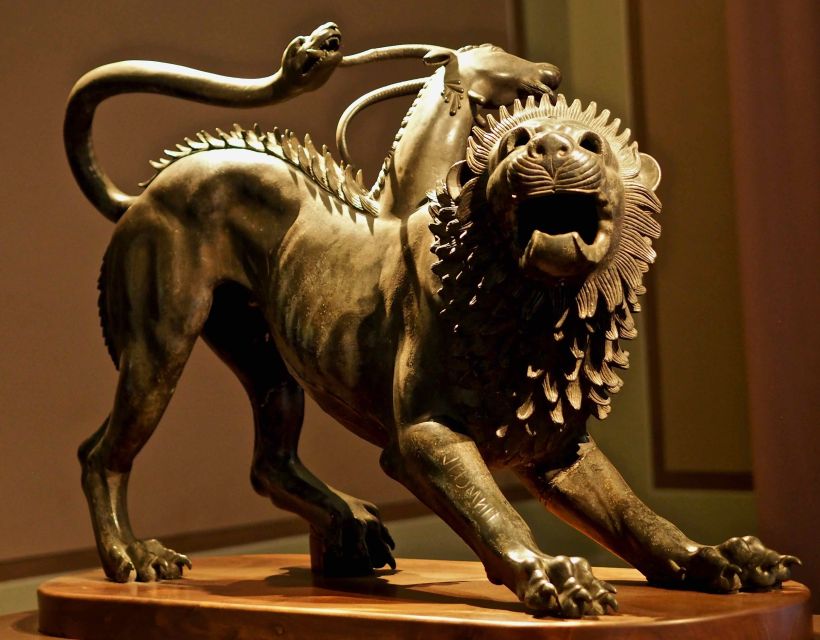
Ancient Florence goes far beyond the Duomo. This 2-hour guided visit to the National Archaeological Museum of Florence mixes Italy’s oldest-museum energy with standouts like the Egyptian artifacts and the famous bronze Chimera. I like how the route is built for real looking, not just passing rooms.
The only real catch is time. A 2-hour tour means you will not see everything the museum owns, so you should go in ready to choose what you want most: bronzes, Greek art, or Egypt.
Key highlights that matter
- A former convent story before you hit the galleries, with Maria Maddalena de Medici tied to the building’s past
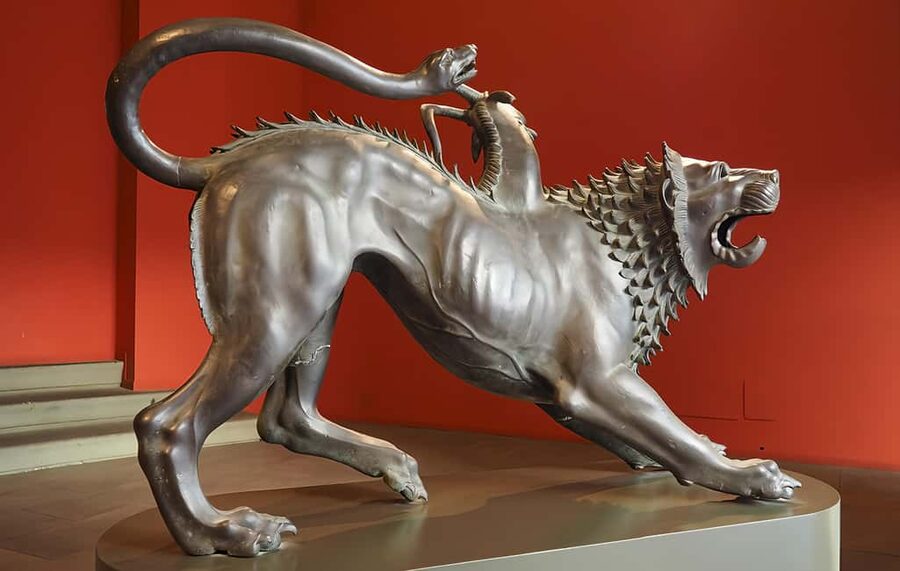
- Chimera bronzes on the first floor, including pieces restored in 1500 by Benvenuto Cellini
- Big-name bronze sculpture on the second floor, from the Torso of Livorno to the Medici Riccardi horse head
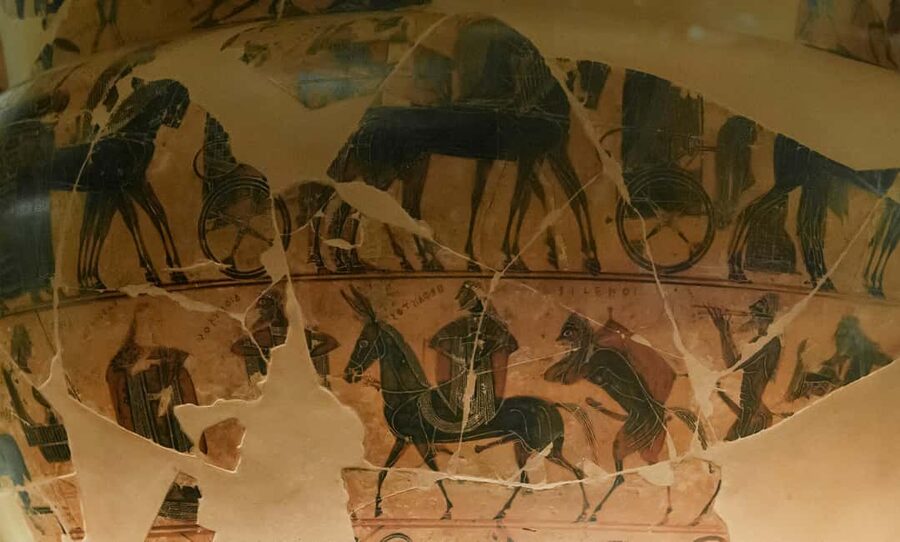
- The Francois Vase, one of the most important Greek art finds, with mythical scenes you can follow
- Egyptian Museum depth, with 14,000+ objects plus mummies and Amenophis III
More Florence museums with the visit format already compared
- Florence: Skip-The-Line Uffizi Gallery Timed Entry Ticket★ 4.5 · 27,832 reviews
- Florence: Leonardo Interactive Museum Entry Ticket★ 4.5 · 11,763 reviews
- Florence Accademia Gallery Tour with Entrance Ticket Included★ 4.5 · 6,148 reviews
- Uffizi Gallery Small Group Tour with Guide★ 4.5 · 4,923 reviews
Start at SS. Annunziata Square, then step into a former convent
You begin at the Museo Archeologico Nazionale di Firenze in SS. Annunziata square. That matters, because you are not just arriving at a building. You are arriving at a place with layers.
The tour starts with the museum’s setting and then moves inside where the “feel” shifts quickly. Maria Maddalena de Medici lived in a convent here, and the museum building grew out of that world. Before you see a single artifact, you get a simple way to picture how the space changed over time, from religious life to a public home for archaeology.
This is one of the best ways to do museums in Florence. You get context early, so the rooms do not feel like random halls of objects. They feel like chapters.
Etruscan burial goods: where status gets preserved
After you’re inside, the focus turns to the Etruscans. You’ll see burial goods from the region between Populonia and Vulci, and specifically the kind of items linked to Etruscan aristocracy. That is a key detail, because it shapes what you notice.
When people think of ancient Italy, they often jump straight to Rome. This portion pulls your attention to the earlier culture right here in Tuscany. Even if you do not read every label, the “why” is clear: these objects were meant to accompany someone, not just decorate a room.
One practical thing I’d keep in mind for this segment: look for repeated materials and themes. The guided pace helps you spot patterns without feeling overwhelmed.
First floor bronzes: the Chimera and Cellini’s 1500 restoration
The first floor is where the tour gives you a jolt of drama. You’ll move through a selection of large bronze statues of the Chimera, and you learn how they were restored in 1500 by Benvenuto Cellini.
Why this matters: bronze sculpture can feel “timeless,” but restoration ties the object to human hands over centuries. You are not only seeing ancient art. You’re also seeing Renaissance-era care, decision-making, and repair work that affected what you experience today.
If you like art history that connects past to past, this is a strong stop. If you’re more focused on ancient Egypt, it still works because bronzes are a visual language you can read fast: anatomy, myth, and scale.
Second floor bronzes: Torso of Livorno, Medici Riccardi horse head, and more
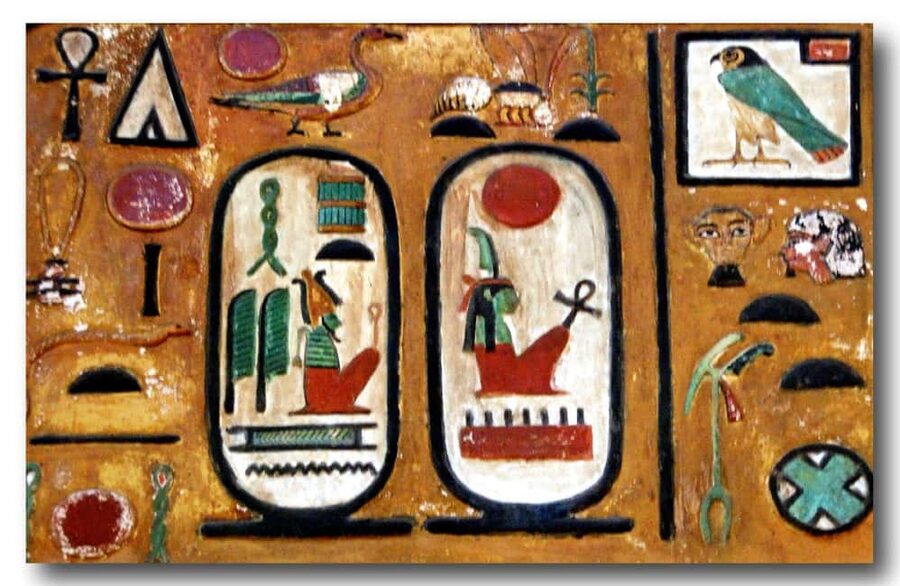
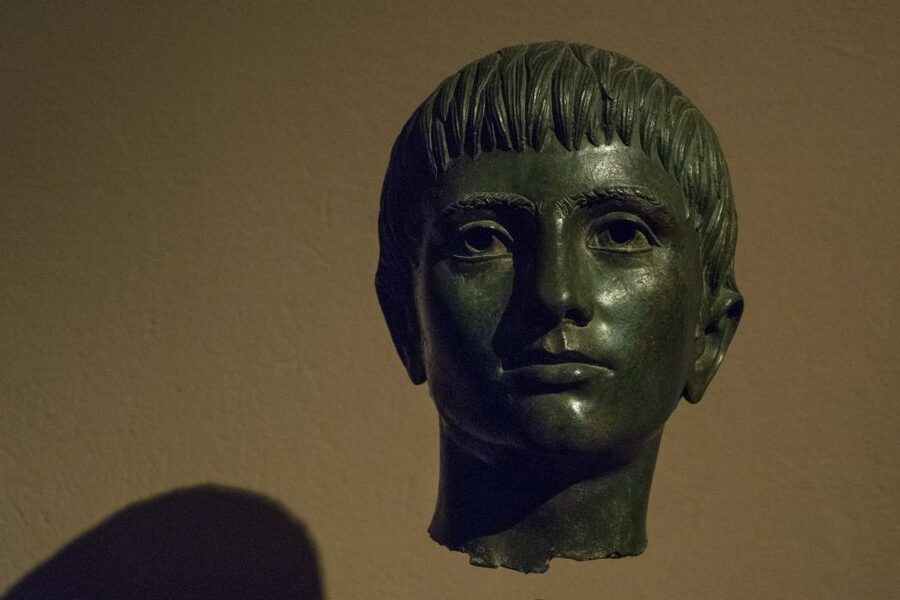
On the second floor, the museum shifts again. You’ll see ancient Greek, Roman, and Renaissance bronze works, and the tour highlights several names so you know what you are looking at.
Among the standouts:
- Torso of Livorno, a dramatic fragment that still reads as power through shape and proportion
- Medici Riccardi horse head, which ties a subject to famous patronage history
- Idolino of Pesaro, another bronze that rewards careful looking
In a short guided format, these titles matter because they give you anchors. You can build a mental map of the room by a few big objects, instead of trying to absorb every single display case.
I also appreciate that the tour doesn’t treat bronzes as static. You get enough explanation that the objects stop being “cool metal things” and start feeling like art made for belief systems, status, and public storytelling.
The Francois Vase: myth scenes you can actually track
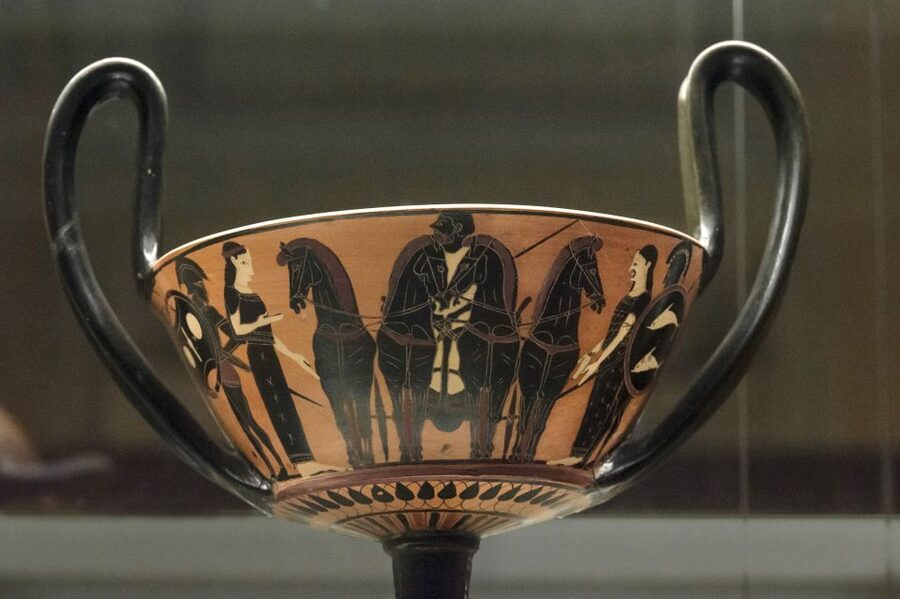
Then comes one of the headline objects: the Francois Vase. This is described as one of the most important finds in the world of Greek art, and the tour gives it the time it deserves.
The best way this stop works in a group is that you get a structured way to look. You’re not just staring at a decorated surface. You get help noticing mythical tales from Ancient Greece depicted on the vase, and that turns the artwork into a sequence.
Here’s how I’d approach it if you want to make it memorable:
- Start by looking for the main narrative zones.
- Then look for how figures repeat across scenes.
- Finally, tie the scenes back to the myth focus the guide provides.
Even in 2 hours, this is the kind of stop that sticks, because it changes your viewing from “what is this?” to “what is it saying?”

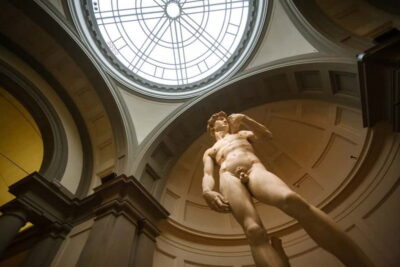

Egyptian Museum: 14,000+ artifacts, Amenophis III, and perfectly preserved mummies
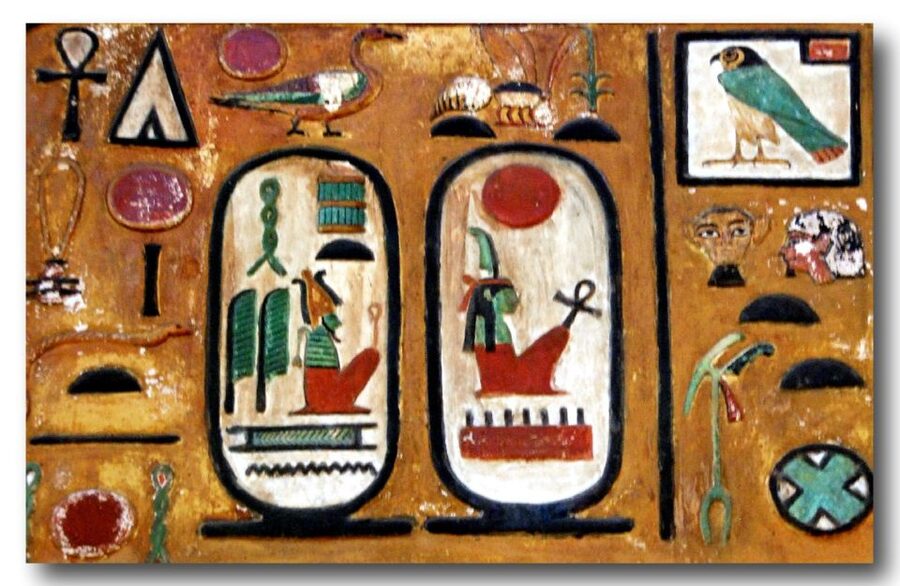
If you came for Egypt, you’re in the right place. The tour moves into the Egyptian Museum with over 14,000 artifacts. That number can sound abstract until you realize it means you’ll get a sense of breadth fast.
You’ll see types such as:
- steles
- vases
- ushabti
- amulets
- bronzes
Then the guide points you toward major centerpieces, including the statue of Amenophis III. You also get a look at a war chariot from the seventeenth dynasty and the museum’s perfectly preserved mummies.
This is where a guided format earns its keep. Egypt-themed museums can turn into a blur if you move too quickly. The guide helps you keep a few big threads in your head, so objects feel connected instead of random.
One more note that I think you’ll appreciate: seeing mummies alongside other artifact categories helps you avoid the common trap of treating everything as “just funerary.” You start to understand the material culture around beliefs, not only the remains.
Etruscan tomb Inghirami reconstruction: Volterra’s alabaster urns in the garden
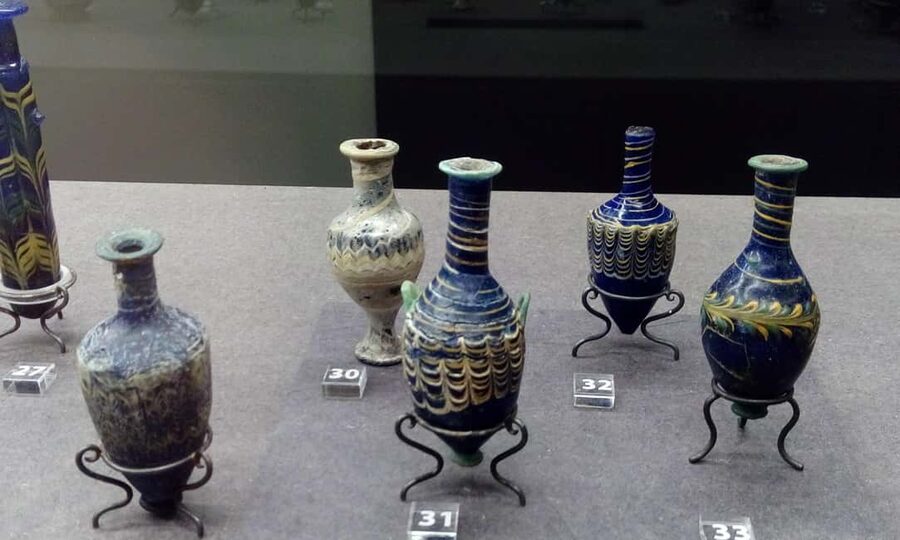
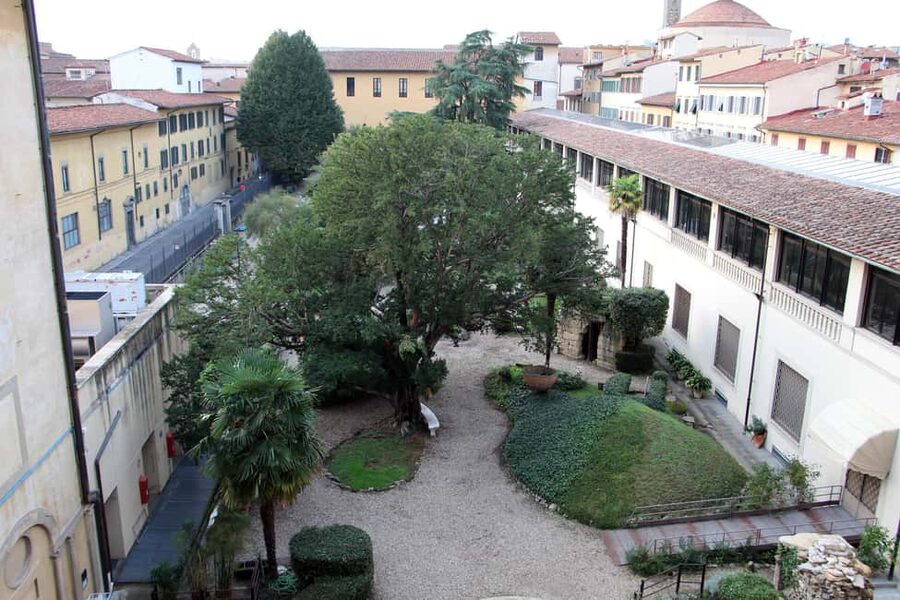
The tour ends with something different, and it’s a lovely way to leave the museum on a human scale. Step into the garden to observe the reconstruction of the Etruscan tomb Inghirami of Volterra.
Inside that reconstruction, you can see original alabaster urns that were placed there in ancient times. This matters because tomb reconstructions can easily become theatre. Here, the tour keeps it grounded by connecting what you see in the garden back to the real funeral objects that once belonged in the burial context.
It also breaks up the heavy indoor viewing. After bronzes and Egyptian galleries, your eyes get a reset. The garden stop is not just a pretty finish. It’s a “what was the function” moment.
How to make the most of a tight 2-hour museum visit
Two hours in a major museum is short. That’s not a complaint, it’s just math. So I’d treat this tour as a smart sampler with a clear payoff.
Here’s what I’d do before you go:
- Decide your top theme: bronzes, Greek art (Francois Vase), or Egypt.
- Know that the route hits all three areas, but you will experience them with different levels of focus depending on what you choose to linger on.
- Use the guide to read the labels, then use your time to look without trying to translate everything.
Also, because this is a private group, you should expect a more flexible pace than in a large group. If you have a question about one object, this format is better at slowing down for it.
A practical tip: wear shoes that work for museum floors. You’ll be on your feet a lot, and the tour includes a garden stop at the end.
Who should book this Florence archaeological museum guided tour
This is a great choice if you want a Florence museum experience that feels organized and not exhausting.
It suits:
- families who benefit from clear explanations, like the kind of guided approach that kept kids fascinated and attentive with thoughtful detail
- art lovers who want both Greek and Renaissance bronzes in one route, with names to remember
- Egypt fans who want mummies and the broader collection types, not only one famous object
It also makes sense if you’re short on time in Florence. You still get building history, Etruscans, bronzes, a Greek masterpiece, and Egypt, all in one guided plan.
And if you prefer a calm visit, it’s listed as wheelchair accessible and private group, with live guides available in English, Italian, Spanish, German, and French.
Should you book this National Archaeological Museum tour?
Yes, if you want a guided hit list that makes the museum easy to understand. In 2 hours, you’ll see the Chimera bronzes tied to Benvenuto Cellini, big bronze names like the Torso of Livorno, the Francois Vase with its myth scenes, and then a serious Egyptian Museum segment with 14,000+ artifacts plus Amenophis III and mummies.
Skip it only if you’re the type who wants to wander for hours with no structure and no prioritizing. If you want the museum to make sense quickly, this format is a strong match.
FAQ
Where do I meet the guide?
Meet your guide in front of the Archeological Museum on SS. Annunziata square, at the Museo Archeologico Nazionale di Firenze.
How long is the tour?
The guided museum tour runs for 2 hours total.
Is there a ticket line to wait in?
The tour includes skipping the ticket line.
What languages are available?
Live guides are available in English, Italian, Spanish, German, and French.
What Egyptian items will I see?
You’ll see over 14,000 Egyptian artifacts, including items like steles, vases, ushabti, amulets, and bronzes, plus highlights such as the statue of Amenophis III and perfectly preserved mummies.
Is this tour wheelchair accessible?
Yes, the experience is wheelchair accessible.
Can I reserve now and still get a refund if plans change?
Yes. You can reserve now and pay later, and you can cancel up to 24 hours in advance for a full refund.
Another Florence museum door
Every Florence review, in one place
- Tuscany Day Trip from Florence: Siena, San Gimignano, Pisa and Lunch at a Winery
★ 5.0 · 21,634 reviews - The Best tour in Florence: Renaissance & Medici Tales – guided by a STORYTELLER
★ 5.0 · 12,316 reviews




Florence picks that sit just beyond this itinerary
- One Hour Uffizi Guided Tour: Masterpieces of the Renaissance
★ 5.0 · 3 reviews - Sightseeing Tuscany by touring bike – 1 day rental
★ 5.0 · 3 reviews - Private Siena, S. Gimignano, Chianti Road and Wine Tasting
★ 5.0 · 3 reviews - Bargello Museum Private Tour: Michelangelo’s Bacchus & Donatello’s David
★ 5.0 · 3 reviews - Authentic Florence Cooking Class at Costanza’s 1839 Family Estate
★ 5.0 · 3 reviews - San Gimignano and Volterra private tour: etruscans, romans and middle age jewels
★ 5.0 · 3 reviews
More Museums worth comparing.
 ★ 4.5Skip-The-Line Uffizi Gallery Timed Entry TicketFrom $3027,832 reviews
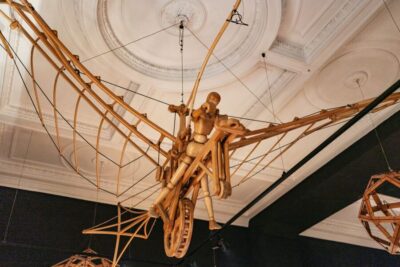 ★ 4.5Leonardo Interactive Museum Entry TicketFrom $911,763 reviews
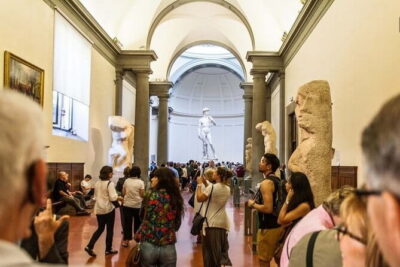 ★ 4.5Florence Accademia Gallery Tour with Entrance Ticket IncludedFrom $456,148 reviews
 ★ 4.5Uffizi Gallery Small Group Tour with GuideFrom $764,923 reviews
Accademia Gallery Guided TourFrom $534,156 reviews
 ★ 4.6Accademia Gallery Guided Tour with Entry TicketFrom $492,253 reviews
 ★ 4.5Golf Cart Tour to Fiesole Roman Theatre and MuseumFrom $952,039 reviews
 ★ 4.8Uffizi Gallery and Accademia Gallery Guided TourFrom $1402,028 reviews