
Florence field review · FLORENCE
Florence Footsteps: Unveiling the Treasures of the Medicis
Florence can feel like a museum until someone gives you a map. This tour turns the Renaissance into something you can walk and talk through, with Medici stories and real city landmarks like Ponte Vecchio and Piazza della Signoria. I especially liked the way the guide brings the streets to life, and how the route goes well past the basics. One thing to consider, it is a walking tour, and the oil and truffle tasting may be an add-on depending on what’s offered that day.
For $55 and a small group capped at 8, you get a focused 3-hour introduction to Florence’s center, led in English and Turkish. The meeting point is at the Uffizi Gallery, Gate 3, so you start in the right place for art lovers. There is also a chance the tour starts only after a minimum number of participants is reached, so build a little flexibility into your schedule.
Key things you will notice on this walk
- Small group of up to 8 means questions get answered, and you do not feel lost in a crowd.
- Uffizi Gate 3 start helps you get your bearings fast in the busiest part of town.
- Medici power + everyday Florence is mixed together, not just names and dates.
- Landmarks in the city center connect stories to real places like Piazza della Signoria and the Ponte Vecchio area.
- Oil and truffle experiences add a food side that fits Tuscany, but food and drinks are not automatically included.
Before you close the tab, compare these Florence options on the same shortlist.
- Florence: Skip-The-Line Uffizi Gallery Timed Entry Ticket★ 4.5 · 27,832 reviews
- Tuscany Day Trip from Florence: Siena, San Gimignano, Pisa and Lunch at a Winery★ 5.0 · 21,634 reviews
- Florence: Timed Entrance Ticket to Michelangelo’s David★ 4.6 · 16,983 reviews
- Florence: Michelangelo’s David Skip-the-Line Entry Ticket★ 4.5 · 12,764 reviews
Meeting at Uffizi Gate 3, then walking the city like an insider
The tour begins at the Uffizi Gallery at Gate 3. That sounds simple, but it matters. You are already standing in the art zone of Florence, with the city’s classic sights within easy reach on foot. If you arrive early, use the extra minutes to orient yourself, because the rest of the 3 hours is about movement and story.
This is a small group limited to 8 participants, which changes the vibe. You can actually hear explanations and ask follow-ups without shouting across a large bus-size gaggle. The guide speaks English and Turkish, so you should feel comfortable tracking along in your language.
Expect a steady walk through Florence’s historic center. This is not a sit-and-watch tour. If your idea of Florence is cobblestones and close-up details, you will like the format.
Medici stories tied to Piazza della Signoria and Ponte Vecchio
The heart of the experience is the Medici legacy and how it shaped Florence’s identity during the Renaissance. You do not just hear that the Medicis were important. You learn why their influence mattered, and how that influence shows up in the city today through the kinds of buildings, public spaces, and cultural milestones you see as you walk.
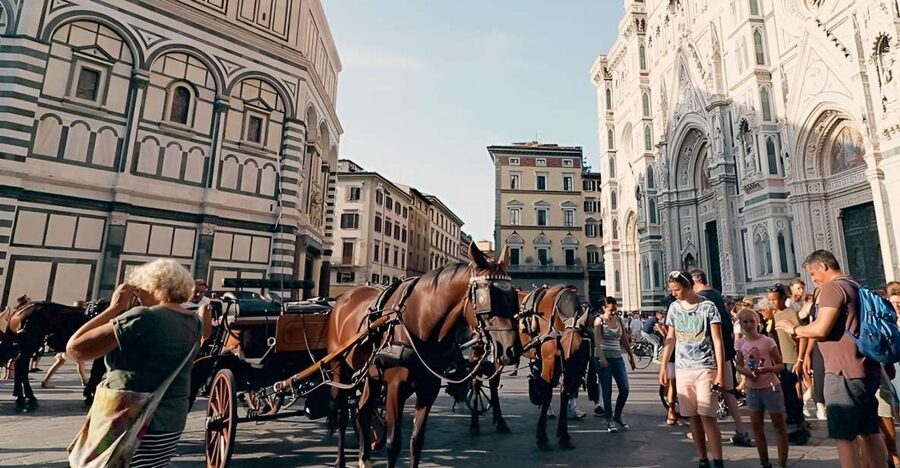
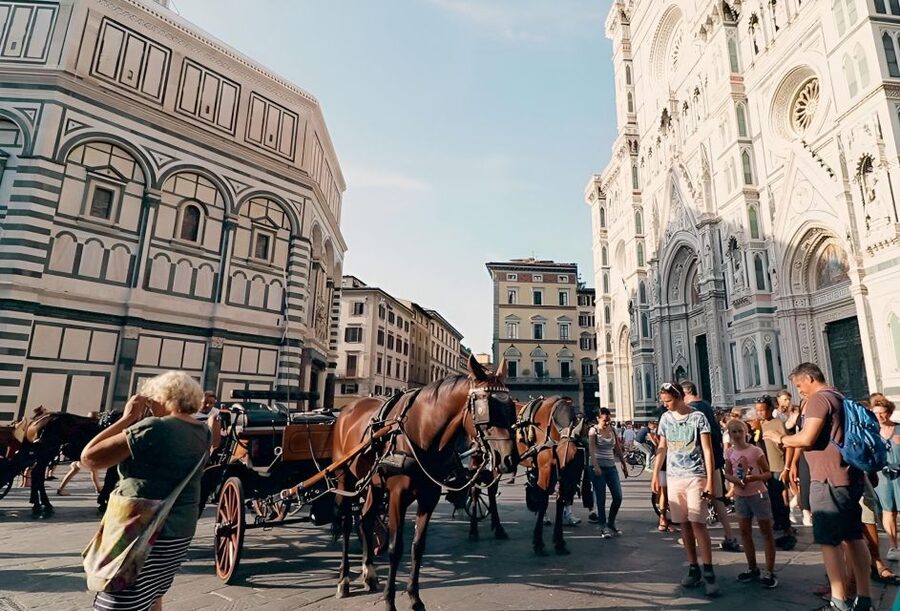
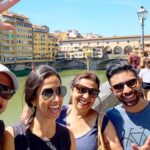
The route is built around major landmarks in the center, including the Florence Cathedral area, Ponte Vecchio, and Piazza della Signoria. Even without going deep into every statue or building, the guide connects the dots so the spaces feel meaningful instead of random stops.
Here is the practical win: once you understand how power and culture worked in Renaissance Florence, those postcard sights start making sense. You notice the layout, the architecture style, and the public nature of the squares. It turns photos into context.
One more plus from the feedback: guides like Valeri have earned strong notes for handling questions and sharing small details people might miss on their own. That can be the difference between, I saw the landmark, and, I understand why it matters.
Florence Cathedral and the city center rhythm
Walking toward Florence’s big sights also teaches you the rhythm of the center. The tour is designed to move through the historic heart of the city, so you get a sense of how neighborhoods and landmarks relate to each other.
You spend time learning the city’s history through the lens of what you are standing near. The Florence Cathedral is a key anchor, since it is one of those places where the scale can overwhelm you if you do not have a frame. With the guide’s explanations, you can shift from sightseeing to reading the city.
A practical note: the center is old, and it shows. Surfaces can be uneven and streets can be tight. Even with wheelchair accessibility listed for the tour, it is still a street-level experience. If you have mobility issues, it is worth arriving a little early and telling the guide your comfort needs at the start.
Market stops and how local products fit the Renaissance
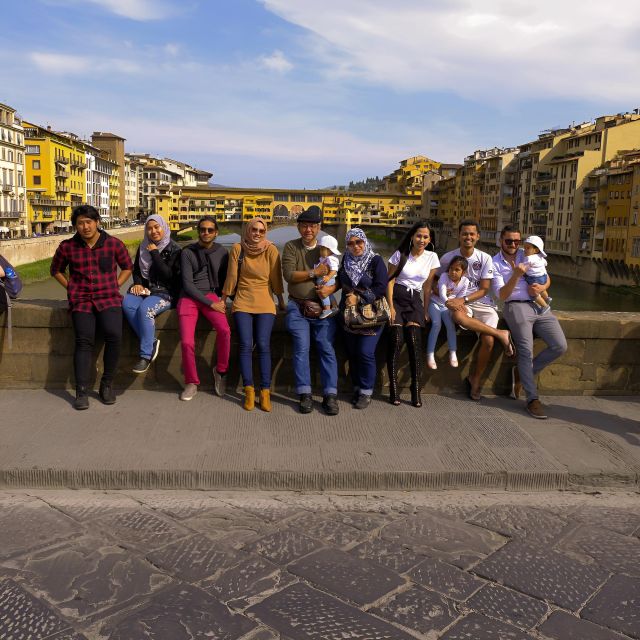
One of the best parts for me is when a walking tour does not pretend Florence is only marble and masterpieces. This one includes a stop to see local products in a historical market. You get a hands-on sense of what people bought, made, and valued.
That market time is not random. It fits the larger Renaissance story: culture and commerce were linked. The same Florence that commissioned major art also ran on trade and local craft. When you see products in the market setting, the Renaissance stops being a purely academic topic.
If you like shopping for ingredients or small food souvenirs, this is a good moment to look, ask questions, and get oriented. Just remember that food and drinks are not included in the base price, so bring an open mind, not a fully planned snack list.
Art stops near Uffizi and Accademia, without ticket pressure
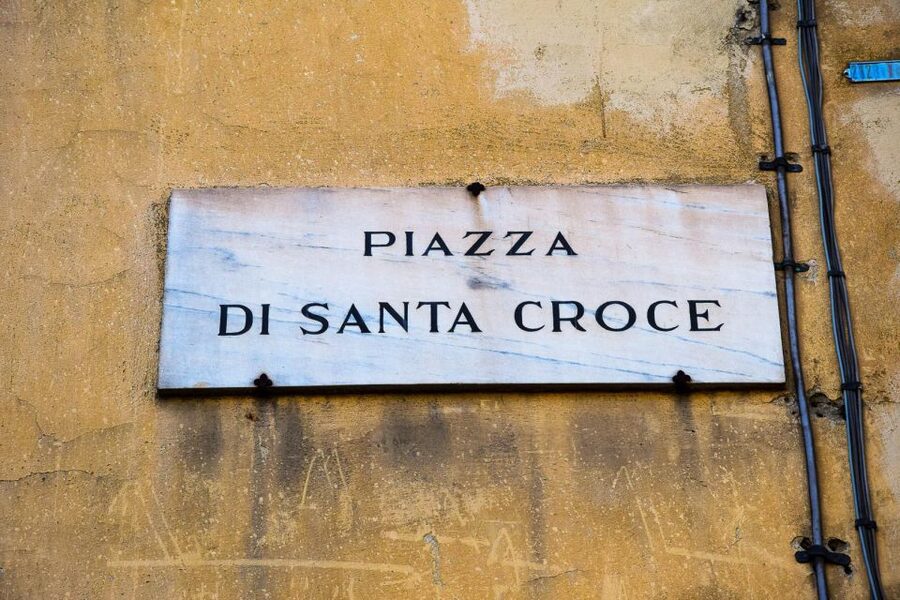
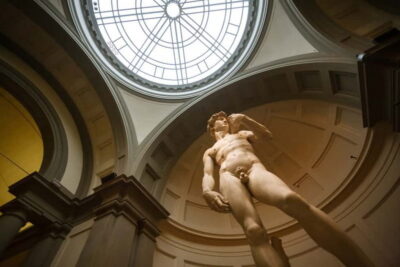
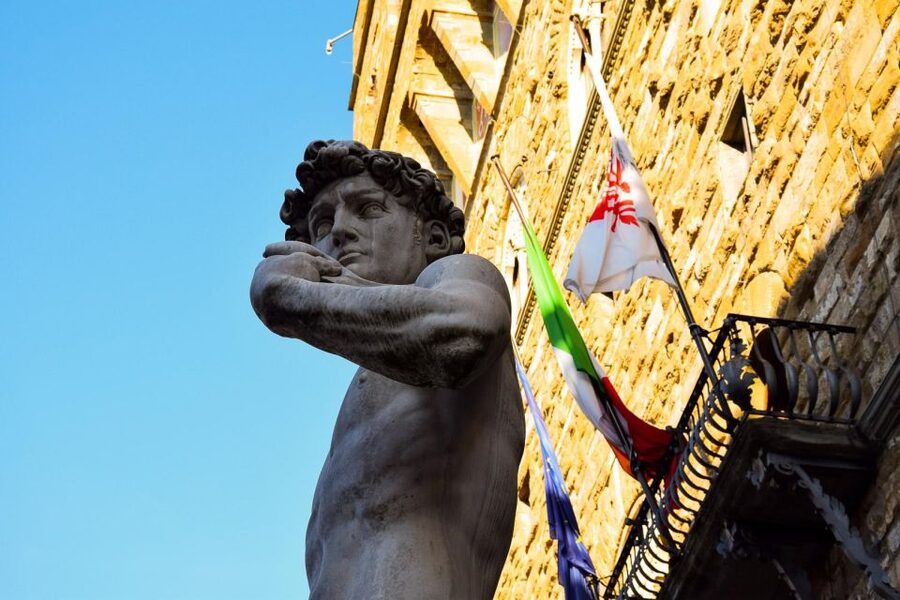
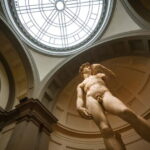
The tour description points you toward art icons, including Uffizi Gallery and Accademia Gallery, where Michelangelo’s David awaits. This is a smart move for a first introduction. Florence is packed with art, and if you do not get the big picture early, you can end up wandering with a camera and no storyline.
At the same time, entry tickets are not included. So you should think of this portion as guided art context and visual orientation rather than a guaranteed museum admission. You might spend time near these institutions as part of the walking route, then decide later if you want to purchase tickets for deeper gallery time.
For many first-timers, that approach works well. In 3 hours, you build understanding and momentum, then museum time feels less overwhelming.


Oil tour and truffle tour: what the tasting adds
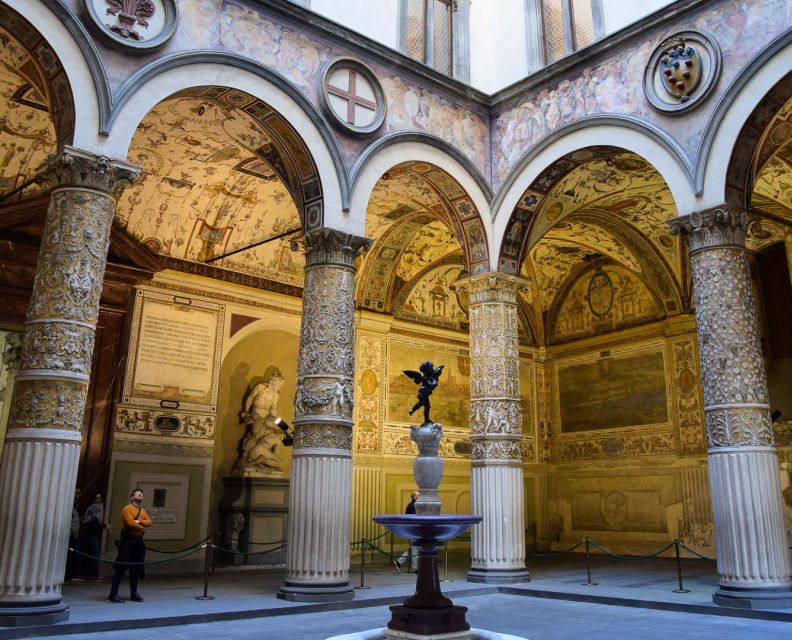
This experience includes an oil tour and a truffle tour, with an oil and truffle tasting offered as an option. That means you should check what’s included at booking for your specific departure. The base includes the guided walk, but food and drinks are listed as not included, so the tasting component is the place where extra culinary time may happen.
Why this is worth caring about: Florence is a food city, but truffles and olive oil also connect you to the broader Tuscan identity. When a guide adds an oil and truffle segment, it gives your Florence day a second language, one you can taste. You start thinking about the region as a whole, not just the city center.
Keep expectations realistic. If tastings are offered, they will likely be short and focused, not a full meal. But even small tastings can make the Renaissance feel less abstract by adding everyday sensory context.
How 3 hours feels in your schedule
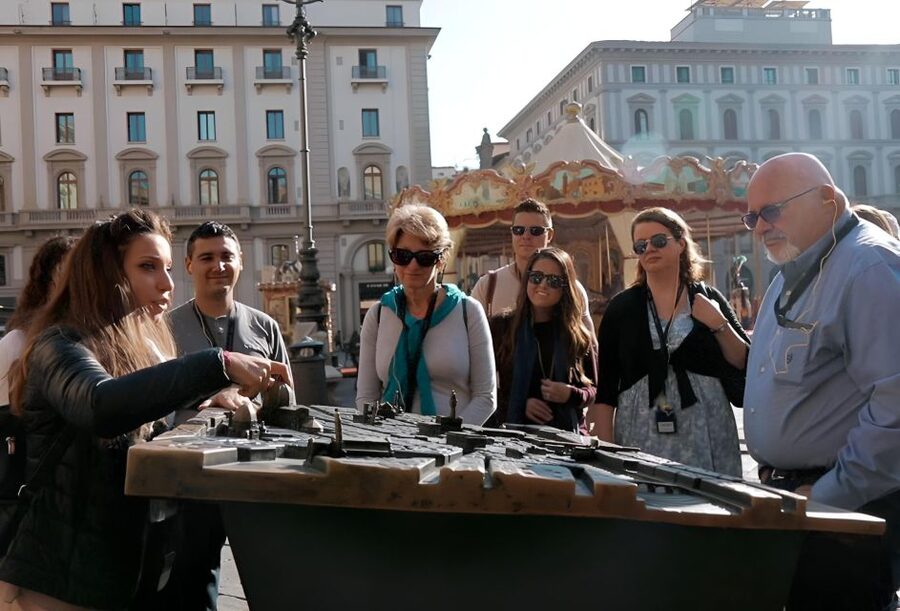
Three hours is a sweet spot for a first pass through Florence. Long enough to cover meaningful ground and key stories, short enough that you do not lose your whole day to walking. Since the tour is a small group format, your pace is more human than a large group schedule.
The route covers a lot of the old city center, so plan for comfortable shoes. If you get tired easily, you might want to pace yourself and take the guide’s suggestions for where to look and when. The structure is designed to keep you moving, but you should still be able to ask questions along the way.
One more scheduling point that can matter: the tour starts only once a minimum number of participants is reached. If that minimum is not met, you should get a full refund. That is normal for small-group tours, but it is still worth knowing if you are traveling during a narrow window.
Price and value: is $55 a good deal?
At $55 per person for 3 hours, you are paying for guided interpretation and a smart route through Florence’s center. The included items list is simple: a guided tour of Florence. Entry tickets and food and drinks are not included, which keeps the price lower than a museum-heavy day.
So the value depends on what you want from the experience:
- If you want a guided storyline that connects major landmarks to the Medici-era Renaissance, the price feels reasonable.
- If you want full museum admissions plus multiple meals, you will likely add more costs on top.
The optional oil and truffle tasting can add value, especially if you like Tuscany food culture and want something beyond photos. But because it is marked as an option, you should confirm the tasting details before you assume it is automatic.
The balance is good for first-time Florence visitors. You leave with a clearer mental map, which often saves you time and money later when you plan museum tickets and repeat visits.
Who should book Florence Footsteps, and who should skip it
This tour fits best if you want:
- A first-time Florence orientation in the historic center
- Medici and Renaissance context that connects to real places
- A small-group walk where questions are welcome
- A Tuscany food angle through the oil and truffle experiences
It may be less ideal if you hate walking in older streets or want a ticketed museum day. Since entry tickets are not included, art lovers who want lots of indoor time might pair this with a museum plan later the same trip.
Also, if your schedule is extremely tight and you cannot risk a change due to minimum participant counts, build in buffer time. Small tours are often flexible, but you still need a plan B.
Should you book this tour?
I would book Florence Footsteps if you want your first Florence day to feel guided, not chaotic. The combination of Medici stories, major city landmarks, and a small-group size capped at 8 makes it a practical way to get Florence figured out fast. Add the oil and truffle option if it fits your tastes, and you get a Tuscany flavor that stays with you.
If you are mostly looking for a guaranteed museum entry plan, you may want to choose a tour that includes tickets. But as a 3-hour “get the city into focus” experience, this one is a strong value at $55, especially if you enjoy learning the why behind what you see.
FAQ
Where does the tour meet?
The meeting point is at the Uffizi Gallery at Gate 3.
How long is the Florence Footsteps tour?
The duration is 3 hours.
How large is the group?
It is a small group limited to 8 participants.
What languages are offered?
The live tour guide is available in English and Turkish.
Is the tour wheelchair accessible?
Yes, the tour is wheelchair accessible.
Is entry to museums or food included?
No. Entry tickets and food and drinks are not included.
Every Florence review, in one place
- Tuscany Day Trip from Florence: Siena, San Gimignano, Pisa and Lunch at a Winery
★ 5.0 · 21,634 reviews - The Best tour in Florence: Renaissance & Medici Tales – guided by a STORYTELLER
★ 5.0 · 12,316 reviews


Florence picks that sit just beyond this itinerary
- Florence: Duomo Complex Private Guided Tour & Optional Dome Climb
★ 5.0 · 4 reviews - Private Tour of Florence Cathedral, Bell Tower & Baptistery
★ 5.0 · 4 reviews - Michelangelo’s David Tour in the Accademia (Tickets NOT included)
★ 4.0 · 4 reviews - Exclusive Pisa Tour from Florence: With Skip-the-Line Access
★ 4.0 · 4 reviews - Full-Day Tour of Tuscany from Florence-small group up 8 pax
★ 4.5 · 4 reviews - Florence: Inferno Private Walking Tour
★ 5.0 · 4 reviews