
Florence field review · UFFIZI GALLERY TICKETS & TOURS
Florence: Accademia, Uffizi, and City Center Walking Tour
Early art access changes everything in Florence. This guided small-group route strings together early morning Uffizi entry and the Accademia’s jaw-drop moment with Michelangelo’s David, then adds a guided walk through the city center so you understand what you’re seeing.
I like that the tour uses fast-track tickets to save you from long lines, and the guide keeps the pace smart across both museums. The main catch is time pressure: 3.5 to 4 hours means you’ll hit top works, not live beside them, so you may miss more if you prefer slow, lingering museum time.
Key highlights to look for

- Early morning Uffizi access to beat the crowd surge and get moving.
- Fast-track ticket entry so you spend more time looking, less time waiting.
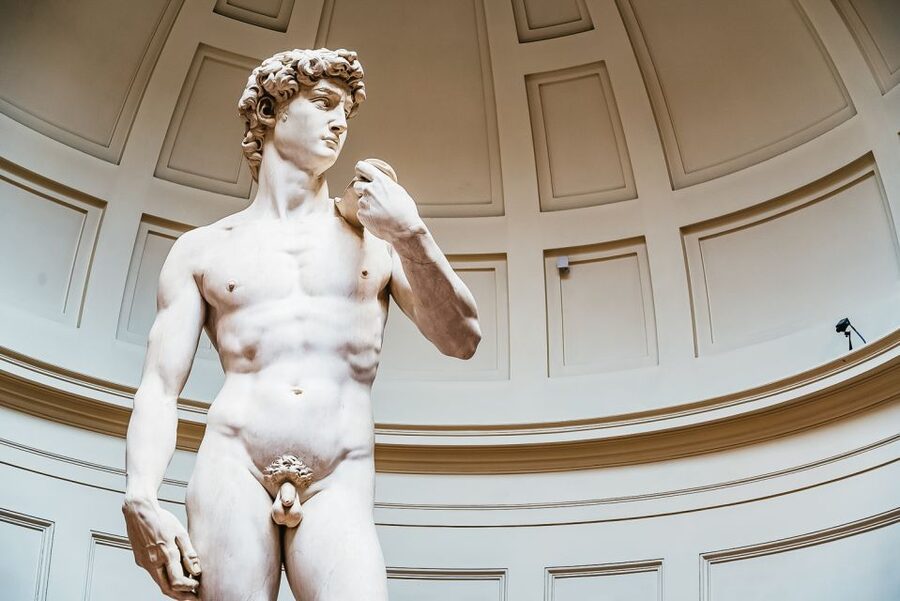
- Michelangelo’s David plus major Renaissance names like Botticelli and Leonardo da Vinci.
- Accademia free time after the guided portion, so you can stay longer if you want.
- Florence city walk between museums, with on-the-way commentary and stories.
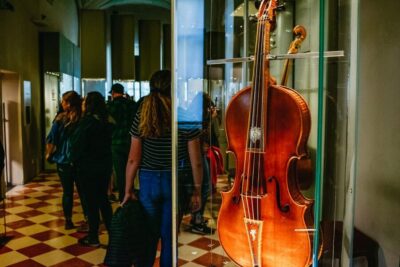
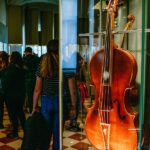
- Musical-instrument surprises in Accademia, including an original Stradivarius from 1690 and the first modern piano.
More ways through the Uffizi, with the queue and guide choice made clear
- Florence: Skip-The-Line Uffizi Gallery Timed Entry Ticket★ 4.5 · 27,832 reviews
- Florence: Uffizi Priority Ticket & Masterpieces Audio App★ 4.2 · 6,402 reviews
- Florence: Skip-the-Line Uffizi Small Group Tour★ 4.6 · 5,926 reviews
- Uffizi Gallery Small Group Tour with Guide★ 4.5 · 4,923 reviews
Early Uffizi access, and why your start time matters
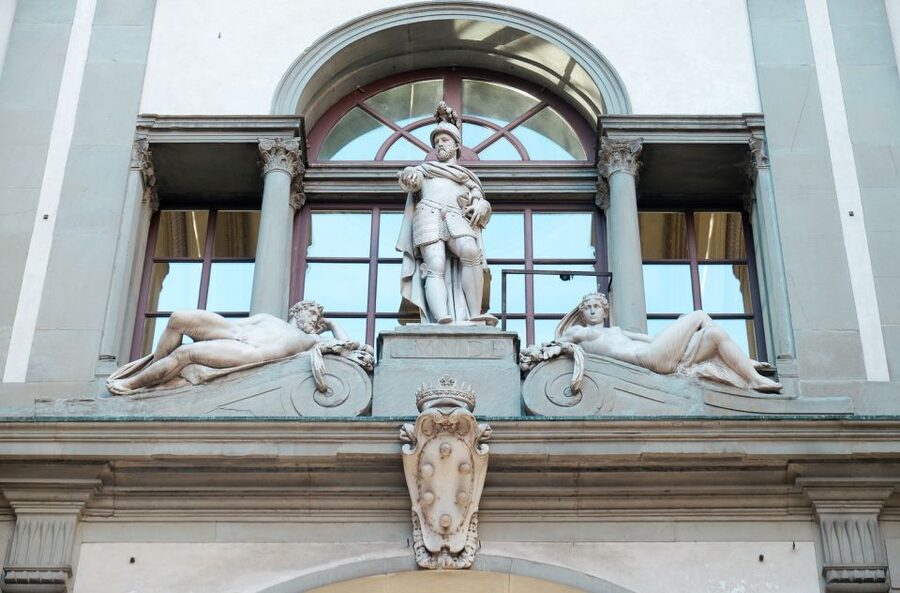
The Uffizi and the Accademia are both the kind of places where timing quietly makes or breaks your experience. This tour schedules you for early morning access to the Uffizi, which matters because Florence can get crowded fast, and the museum lines can steal your energy before you even see a painting.
You also get fast-track tickets, which translates into real savings. Instead of arriving and losing time to ticket lines, you begin with a guided walkthrough in the Uffizi. That shifts the day from logistics mode into art mode sooner, and it keeps the group moving at a pace that still leaves room to look at details.
One thing I appreciate is that you are not just “walking into museums.” You get commentary, plus a city-center walk between the galleries. That combo helps the art connect to Florence itself, instead of feeling like you’re collecting masterpieces one after another without context.
The Uffizi walkthrough, what you’ll actually focus on
Your Uffizi portion is a guided walking tour, and it’s built around the works most people came to see: Botticelli, Michelangelo-level sculpture energy (mostly via the later David moment), and major Leonardo da Vinci masterpieces.
Here’s what makes that useful for your planning. The Uffizi is big. Even if you know what you want to see, moving room to room without a plan can turn into an endurance test. With a guide, you get direction on what to prioritize first, what to notice within each room, and how the paintings connect to Renaissance ideas and patronage in Florence.
I also like that the tour is structured so you are not overwhelmed by trying to see everything. You’ll hit key works, listen to the guide’s explanations, and then you’re on to the next chapter. If you’ve only got a half-day, this approach is a lot more satisfying than trying to self-navigate two heavyweight museums in one stretch.
Practical note: comfortable shoes are a must. Even inside, you’re moving between rooms, and then you walk through Florence afterward. This is not a sit-and-listen experience.
Between the Uffizi and Accademia: the guided city center walk
The in-between walk is more than a commute. It’s where the tour ties the day together. You’ll stop to see main sights along the route, with commentary from your guide as you move between galleries. That means you’re not losing time while traveling from one museum to another. You’re building a mental map of Florence.
This is also where guides can add personality. In this style of tour, I’ve found the most fun moments tend to come from side stories, not just art lectures. This one includes entertaining stories about Florentine history as you walk.
If you’ve never visited before, this part helps you understand the city layout and the vibe of the central streets. If you have been before, it still helps because it puts the art locations into the real neighborhoods where the stories played out.
Accademia and Michelangelo’s David, the moment that changes your eyes
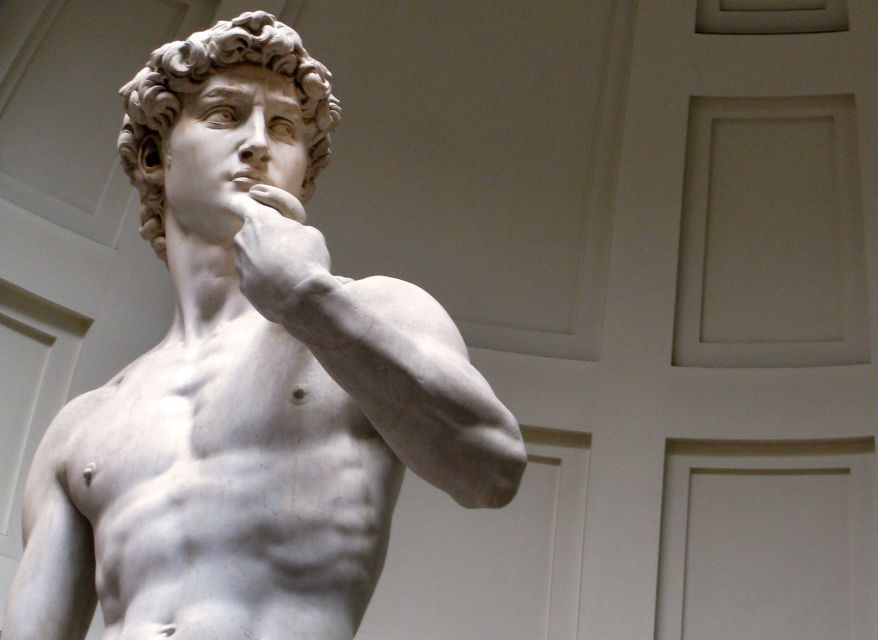
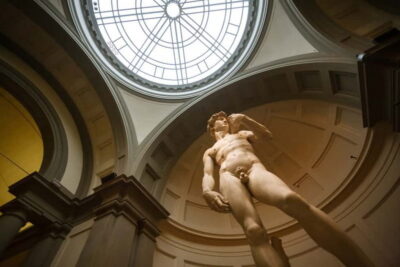
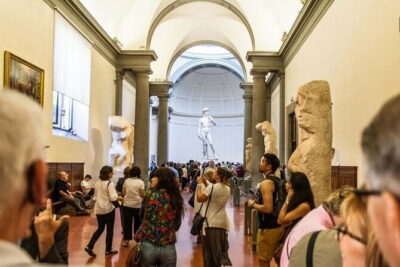
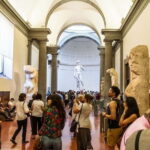
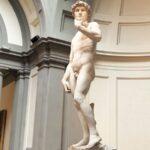
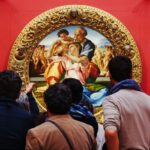
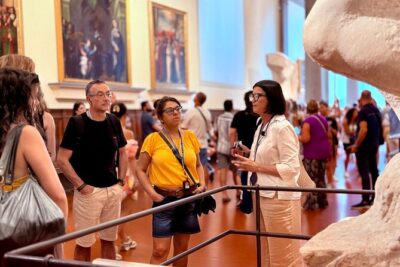
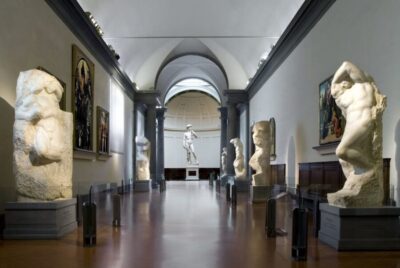
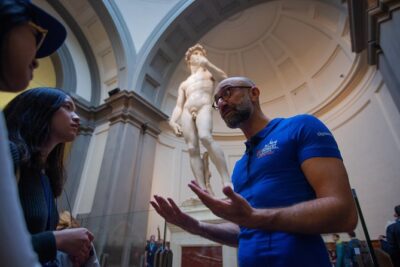
Then comes the main event: the Accademia Gallery, with Michelangelo’s David as the centerpiece. If you’ve only seen David in photos, seeing it in real scale is a different experience. The guide helps you read it, so it’s not just a wow photo. You learn what makes it stand out and how to look at it with more intention.
After the guided tour, you get extra free time in the Accademia. That’s a nice design. It means you’re not trapped in a rigid schedule where the moment you fall in love, the guide moves you on. You can circle back, slow down, and spend a few extra minutes with the works that grab you.
This is also where pairing works well. Uffizi is painting and Renaissance court culture energy. Accademia is sculpture, craft, and the human side of Renaissance ambition. The contrast makes the half-day feel varied, not repetitive.
The Stradivarius and the first modern piano, a side of Accademia many miss
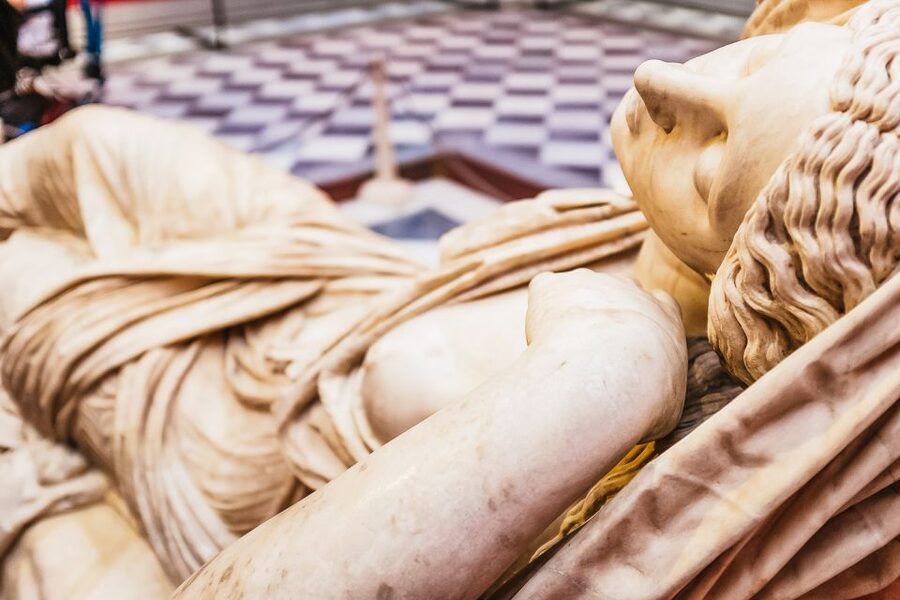
One detail I really like about this Accademia portion is that it points out objects beyond the usual highlight reels. With your guided time, you’ll also learn about the musical instrument connections tied to the museum experience, including an original Stradivarius from 1690 and the first modern piano, which was invented in Florence.
That matters because it breaks the pattern of thinking of the museum as only statues and paintings. Florence was also a place where craft, sound, and invention mattered. These instrument moments add variety to your “Renaissance” mental picture.
If you’re the type who enjoys small surprises, this is a good tour choice. You still get the big ticket items, but you’re not left with only one note for the whole visit.
Compare the Accademia visits built around the original David
How long is enough, and how to pace your day
The total duration is 3.5 to 4 hours. That’s not long, so you should plan your day around it. Treat this as a focused art sprint, not a museum marathon.
Here’s the balanced truth: if you truly want to study each masterpiece for a long time, you might find the combined format pushes you. One strong consideration is that when you split time between two huge museums, you have less room to linger in each gallery. If you’re a slow looker, you may want to visit the museums separately on different days.
On the other hand, if you want a high-impact first Florence experience, this combo can be excellent. You get guided direction for both galleries, plus the city walk that helps the art feel placed in a living landscape of streets and landmarks.
A smart way to approach it: after the guided part ends in the Accademia, decide on the fly where you want your extra time. If David already hit you hard, stay with sculpture nearby. If another artist grabbed your attention in the Uffizi, use your free time to follow your curiosity while you still have energy.
Group size, guides, and the vibe you should expect
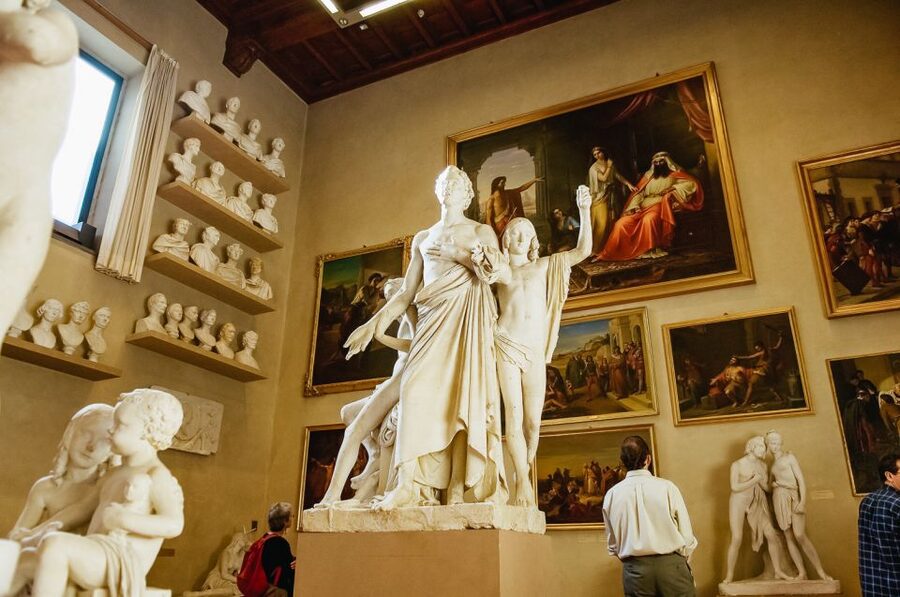
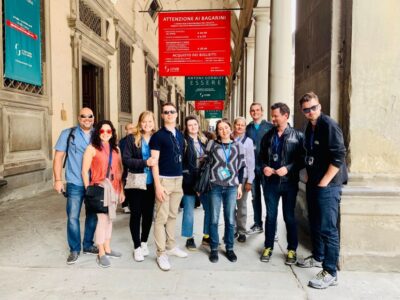
This tour runs as a small group, and the guide leads both museum sections plus the walking route. That’s important because the difference between a small group and a large herd shows up quickly inside galleries where space is tight.
Guide quality is also a huge factor in how well this works. In past groups, names like Giana, Christiano, Alessandra, and Martina have led tours with a strong focus on making art make sense. The common thread is that the guide doesn’t just recite facts. They help you connect the work to meaning, and they keep the information from feeling like an exam.
Flexibility can also matter for real people with real needs. One booking noted that the host arranged a wheelchair for a participant with walking difficulty. If you have mobility concerns, I’d consider reaching out ahead of time so the group can plan for it.
What to bring, and what the rules mean for your day
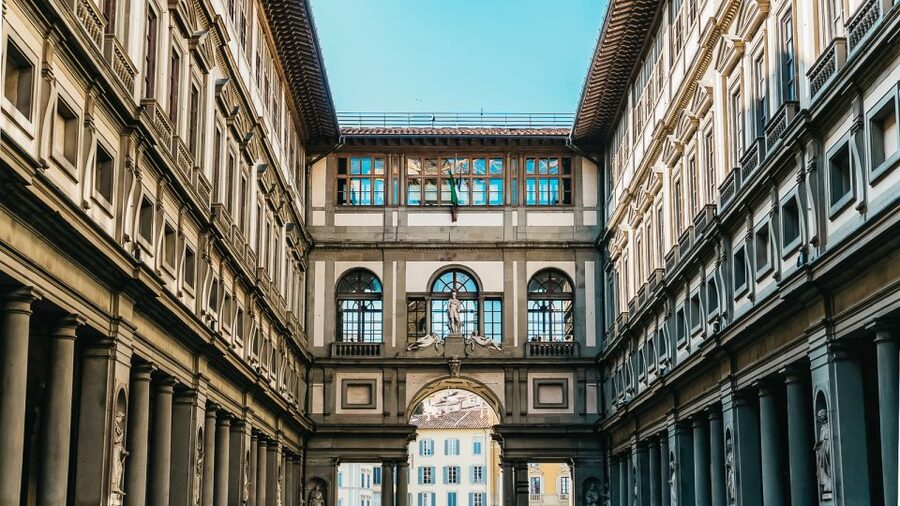
Bring a passport or ID card, and wear comfortable shoes. That’s it for the basics.
The tour does not allow pets, smoking, or luggage or large bags. If you travel with a big backpack, you’ll want to think about where you can store it before meeting. Otherwise, you could end up losing time to dealing with restrictions.
Meeting point can vary by option, but the provided reference coordinates are 43.76827621459961, 11.255611419677734. Use that as a general location clue and double-check your exact meeting instruction in your booking confirmation.
First Sunday tip, because free can mean unpredictable
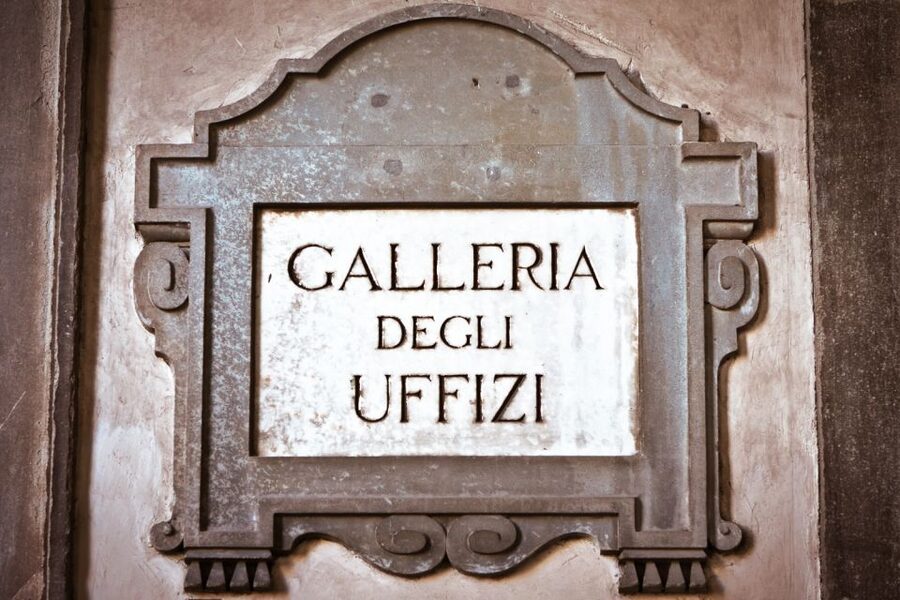
On the first Sunday of each month, entrance is free. The catch is that tickets can’t be reserved ahead of time, so entry is not guaranteed.
So if you’re visiting on that date, you should be ready for uncertainty. This matters less if you’re traveling on other days when tickets and timed access are handled normally.
Who should book this Florence Uffizi and Accademia tour
Book this if you want:
- A focused half-day in Florence centered on Renaissance top hits.
- Early Uffizi access plus fast-track entry so you don’t lose time in lines.
- A guided city walk that adds context between museum stops.
- The best-known star moment of the Accademia, Michelangelo’s David, with the chance to stay longer after the official portion.
Skip it, or consider a different plan, if:
- You prefer long museum stays and want to study many secondary works, not only the highlights.
- You’re trying to fit two major museums into a day when you already know you hate time limits.
Should you book this tour?
I’d book it if you’re first-timing Florence and you want maximum impact with minimum stress. The value isn’t only the ticket access. It’s the structure: early start, guided focus on major works, a guided walk that connects the dots in the city center, and extra free time where it counts in the Accademia.
If you’re the type who needs hours alone with art, then this half-day format might feel tight. In that case, consider visiting one museum on a separate day so you can slow down. But for a compact Florence plan that still feels like you truly saw the important stuff, this tour is a strong choice.
FAQ
How long is the Florence Accademia, Uffizi, and city center walking tour?
It runs about 3.5 to 4 hours. Starting times depend on availability.
Does the tour include fast-track entry or skip-the-line access?
Yes. You’ll have fast-track tickets and you skip the ticket line.
What are the main places included in this tour?
You visit the Uffizi Gallery and the Accademia Gallery, with a guided walking tour of Florence’s city center between the two.
Can I stay longer in the Accademia after the guided portion?
Yes. Once the guided tour is over, you can stay longer in the Accademia if you want to see more.
What should I bring and what is not allowed?
Bring a passport or ID card and wear comfortable shoes. Pets, smoking, and luggage or large bags are not allowed.
Is entry guaranteed on the first Sunday of the month?
Entrance is free on the first Sunday of each month, but tickets cannot be reserved ahead of time, so entry is not guaranteed.
Every Florence review, in one place
- Tuscany Day Trip from Florence: Siena, San Gimignano, Pisa and Lunch at a Winery
★ 5.0 · 21,634 reviews - The Best tour in Florence: Renaissance & Medici Tales – guided by a STORYTELLER
★ 5.0 · 12,316 reviews

David and the Accademia, compared
The Uffizi, another way
Florence picks that sit just beyond this itinerary
- One Hour Uffizi Guided Tour: Masterpieces of the Renaissance
★ 5.0 · 3 reviews - Sightseeing Tuscany by touring bike – 1 day rental
★ 5.0 · 3 reviews - Private Siena, S. Gimignano, Chianti Road and Wine Tasting
★ 5.0 · 3 reviews - Bargello Museum Private Tour: Michelangelo’s Bacchus & Donatello’s David
★ 5.0 · 3 reviews - Authentic Florence Cooking Class at Costanza’s 1839 Family Estate
★ 5.0 · 3 reviews - San Gimignano and Volterra private tour: etruscans, romans and middle age jewels
★ 5.0 · 3 reviews
More Uffizi Gallery Tickets & Tours worth comparing.
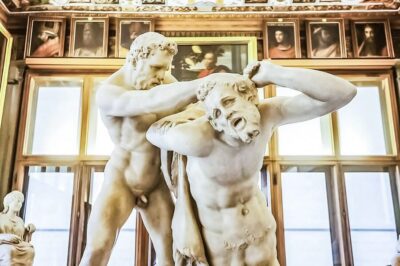 ★ 4.5Skip-The-Line Uffizi Gallery Timed Entry TicketFrom $3027,832 reviews
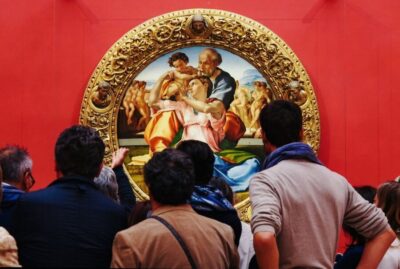 ★ 4.2Uffizi Priority Ticket & Masterpieces Audio AppFrom $316,402 reviews
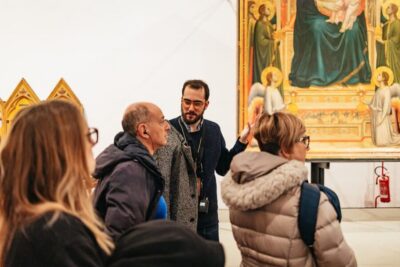 ★ 4.6Skip-the-Line Uffizi Small Group TourFrom $715,926 reviews
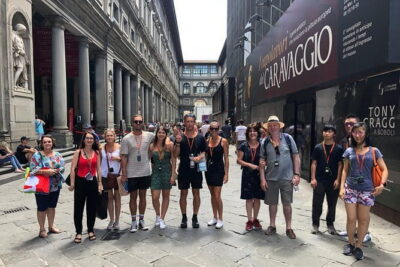 ★ 4.5Uffizi Gallery Small Group Tour with GuideFrom $764,923 reviews
 ★ 4.5Skip the line: Uffizi and Accademia Small Group Walking TourFrom $1483,135 reviews
 ★ 4.8Uffizi Gallery and Accademia Gallery Guided TourFrom $1402,028 reviews
 ★ 4.7Uffizi Gallery Small-Group Guided Tour with TicketFrom $762,003 reviews
 ★ 4.5Michelangelo’s David, Accademia & Uffizi Small Group TourFrom $471,986 reviews
Find this experience in another shortlist