
Florence field review · FLORENCE
Discovering Bees in Volterra
Beehives in Volterra can feel like a secret workplace. This 1.5-hour private bee experience is built around safe, up-close viewing and a hands-on finish with fresh tasting and learning, led by Valentina and family. I love how the visit starts with real context on the farm, including old agricultural tools, and I love the end part where you get involved and taste what the hive actually produces, not just honey.
One heads-up: getting there can mean an unpaved, bumpy road, so keep that in mind if you hate gravel paths or have low-clearance shoes.
Key highlights you should know before you go
- A 500m walk with farm history: You head to the apiary and spot old agricultural tools still used until the 1970s.
- Total safety indoor viewing: You observe the bees’ work from inside the house without taking risks.
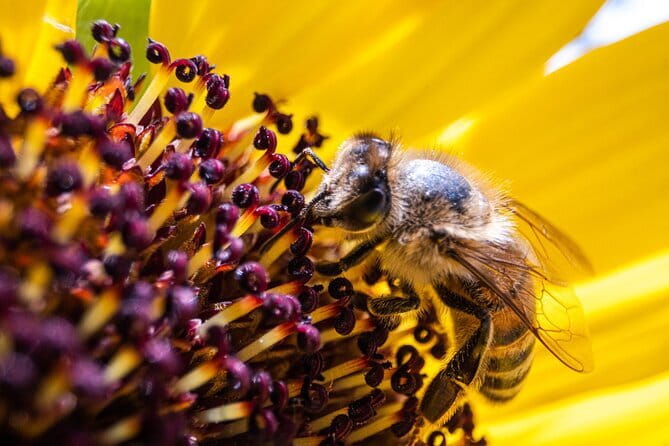
- Queen, workers, and drones explained clearly: You learn the three castes and what each one does.
- The drone story is oddly sweet and sad: Expect a guided narrative, not a dry lecture.
- Hands-on honey extraction in the lab: You help with extraction and then taste the fresh honey.
- Km0 products at the end: You can taste more hive goods and buy directly from local production.
Before you close the tab, compare these Florence options on the same shortlist.
- Florence: Skip-The-Line Uffizi Gallery Timed Entry Ticket★ 4.5 · 27,832 reviews
- Tuscany Day Trip from Florence: Siena, San Gimignano, Pisa and Lunch at a Winery★ 5.0 · 21,634 reviews
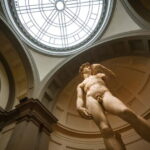
- Florence: Timed Entrance Ticket to Michelangelo’s David★ 4.6 · 16,983 reviews
- Florence: Michelangelo’s David Skip-the-Line Entry Ticket★ 4.5 · 12,764 reviews
Walking to the apiary: Volterra countryside, plus old tools you can actually see
The experience begins at Miele del FertiPodere Torricella, 65, 56048 Volterra PI, Italy. From there, you set out on a short walk to the educational apiary, about 500 meters. It’s not just a transfer, it’s part of the show. As you walk, you’ll be able to observe old agricultural tools still in use until the 1970s, which gives you a sense of how this land has worked over time.
Why I think that matters: if you only watch bees, you get the biology. If you also see the tools and farm setting, you start to understand the whole ecosystem, the human side of beekeeping, and why bees matter to local agriculture. It also helps you settle into the right mood. You’re not rushing from one stop to the next, you’re being guided into the site at a slow, rural pace.
Practical tip: wear comfortable shoes. Even though the walk is short, the path to get there can be rough, and you’ll likely be glad you didn’t choose slippery sandals.
Inside the apiary house: watching bees in total safety
Once you arrive at the apiary, the main viewing happens from inside the house. The tour is designed for total safety, so you can observe the bees as they go about their duties without the stress of being too close in an exposed way. This is a big deal for first-timers. Bees feel intimidating until you realize the whole point is careful observation, calm handling, and an organized setup.
You’ll also get guided explanations while you watch. The tour covers what the three castes do and why their roles matter for colony survival. You’re not stuck reading signs. The guide uses the live hive activity to make the points real.
What I love about this format is how it balances wonder with comfort. You get the wow factor of seeing the bees work, and you still keep your footing, literally and emotionally.
Queen, workers, and drones: the three roles of one buzzing team
In most bee talks, people get lost in buzzwords. Here, the tour stays grounded in the colony’s actual cast of characters:
- the queen bee
- the worker bees
- the drones
You also hear a funny and sad story of the drone, which keeps the lesson from turning into memorizing facts. That story element matters because it gives the biology a human style narrative, so kids and adults tend to pay attention. I’ve found that when a guide adds a story, you remember the concept later when you’re back in town.
If you’ve ever wondered why “male bees” come up in so many conversations, this is the moment you get the guided context. You learn not just that drones exist, but that they fit into a role inside the hive system.
Live beekeeper work outside: seeing how calm happens in practice

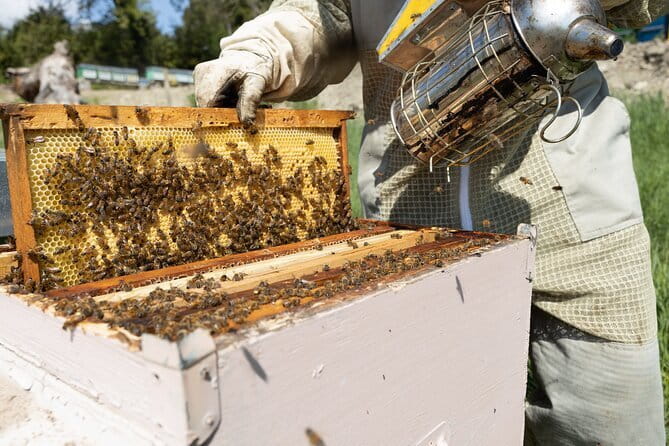
After the indoor viewing, you return to the outside area for live observation of the beekeeper’s work outside the house. This is where you see beekeeping as a real practice, not just a museum exhibit.
It’s also where you’ll probably understand why safety and procedure matter. The tour is structured so you watch during active work, with guidance and a focus on safe, controlled observation. Some visitors expect to wear protective gear for outside viewing, and the overall tone suggests you should be ready for that kind of practical outfit if it’s part of the session.
Even if you’re not a bee nerd, this part lands because it answers a simple question: what do beekeepers actually do day to day? The answer is careful work, attention to the hive, and a lot of patience.
The lab and honey extraction: from watching to doing
Then comes the moment that turns this tour from passive to active. You return to the point of sale, and there’s a hands-on segment in the laboratory where you can participate in honey extraction.
Even if you’ve never held a beekeeping tool, this is the payoff for the earlier observing. You see the transformation from hive activity to a product that ends up on tables. It’s also a great way to remember what you learned earlier. When you’re tasting later, you’re not guessing. You’ve done a small part of the process, so the honey feels earned.
Value check: for $24.10 per person and roughly 1 hour 30 minutes, the hands-on honey extraction and tasting are what make the price feel reasonable. A lot of “small tours” are mostly a viewing session. Here you get a clear structure and a tangible takeaway experience.

Tasting real hive products: honey plus propolis, pollen, and royal jelly
The tasting part is one of the strongest reasons to book. Yes, you taste freshly extracted honey. But the tour also explicitly covers what the hive produces beyond honey, including:
- propolis
- pollen
- royal jelly
That matters because many people only associate bees with honey jars. This experience expands the picture. You’ll taste and learn what these products are and why they come from the hive. And you’ll understand that the “bees make honey” story is only the headline.
You’ll also do additional product tastings with the option to purchase Km0 items. Km0 is practical for travelers because it signals local, direct availability, not a shelf product pulled from far away. You get the chance to buy what you actually tasted in the same setting.
Tip for your tasting: go slowly. Honey can vary a lot in flavor, and propolis and pollen can be surprising if you’re expecting just sweet.
The family-led vibe: Valentina, Simone, and the farm atmosphere
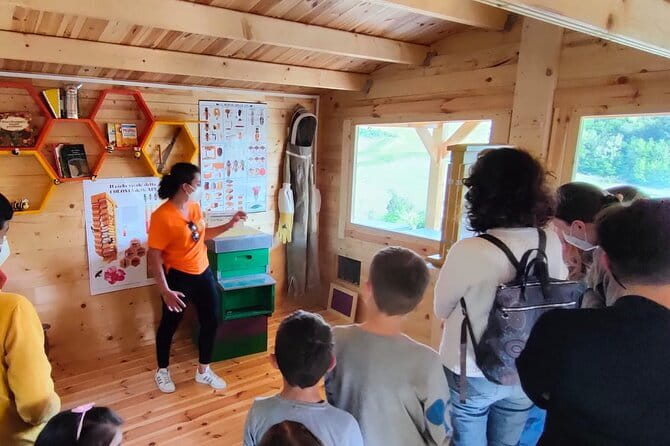
This is a private tour/activity, meaning it’s just your group. That alone improves the experience. You can ask questions without feeling like you’re competing for attention, and the guide can adjust explanations to your comfort level.
The vibe is also family-centered. Based on what you’re told during the tour, Valentina is the communicator, the person guiding you through the “what you’re seeing” part with passion and clarity. Simone shows up in the overall family energy as well, and you may see a more playful side after the guided segments. Sandra and Fabrizio are associated with hospitality and running the farmhouse setting.
I like this because it’s not staged like a factory demo. It feels like a real working family space, where people care about the bees and care about sharing what they know.
Price, timing, and booking reality for a 90-minute bee experience
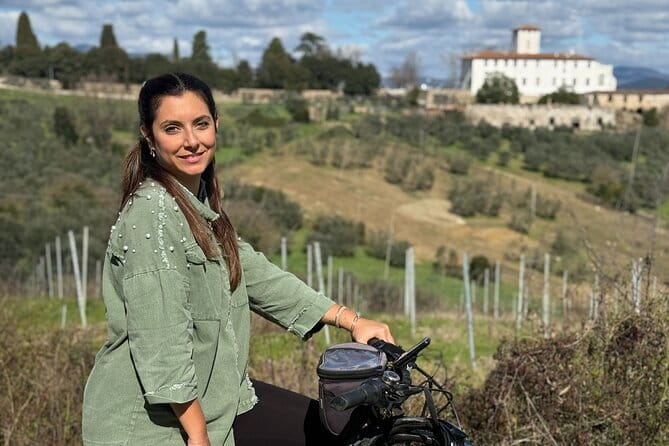
This tour runs about 1 hour 30 minutes. That makes it a good fit for days when you want something meaningful but don’t want to lose a whole afternoon. It’s also priced at $24.10 per person, which is approachable for an activity that includes:
1) guided observation,
2) indoor viewing setup,
3) outdoor beekeeper observation,
4) lab honey extraction participation,
5) tasting and a local purchase option.
One more practical detail: it’s popular enough that it’s often booked around 55 days in advance. If you’re traveling in a busy window, book early rather than assuming you can grab any slot.
And yes, weather matters. The experience requires good weather, and if it’s canceled due to poor conditions, you’ll be offered a different date or a full refund. If you’re planning this as your only “outdoor learning” activity, keep a flexible backup day.
Who should book this Volterra bee tour, and who might hesitate
You’ll likely enjoy this if you:
- want a hands-on, family-led lesson about bees
- like farm experiences that are practical and not overly technical
- have kids or teens who do better when they can see and touch the process
- care about local products you can taste and buy
You might hesitate if:
- you dislike rural access roads and rough paths, since getting there can involve an unpaved, bumpy approach
- you’re looking for a large museum-style exhibition rather than a guided, small-group (private) experience
- you’re uncomfortable with the idea of protective gear for close viewing outside (if it’s provided for your session)
The good news is that even the “not a bee person” crowd tends to leave with a new respect for what a hive actually does all day.
Should you book Discovering Bees in Volterra?
I’d book it if you want something that’s both educational and genuinely tactile. The combination of safe indoor observation, clear explanations of the three castes, and the hands-on honey extraction plus tasting gives you more than a quick look at bees. For the time and price, it offers a solid package: you learn, you watch, you participate, and you taste what comes out of the hive.
Skip it only if the bumpy rural access road would be a deal-breaker for you, or if you can’t do weather-dependent outdoor parts.
If you book, arrive ready to slow down for 90 minutes. Bees reward patience, and this tour is built for that exact kind of pace.
Every Florence review, in one place
- Tuscany Day Trip from Florence: Siena, San Gimignano, Pisa and Lunch at a Winery
★ 5.0 · 21,634 reviews - The Best tour in Florence: Renaissance & Medici Tales – guided by a STORYTELLER
★ 5.0 · 12,316 reviews
Florence picks that sit just beyond this itinerary
- Florence: Duomo Complex Private Guided Tour & Optional Dome Climb
★ 5.0 · 4 reviews - Private Tour of Florence Cathedral, Bell Tower & Baptistery
★ 5.0 · 4 reviews - Michelangelo’s David Tour in the Accademia (Tickets NOT included)
★ 4.0 · 4 reviews - Exclusive Pisa Tour from Florence: With Skip-the-Line Access
★ 4.0 · 4 reviews - Full-Day Tour of Tuscany from Florence-small group up 8 pax
★ 4.5 · 4 reviews - Florence: Inferno Private Walking Tour
★ 5.0 · 4 reviews