
Florence field review · TUSCANY WINE COUNTRY FROM FLORENCE
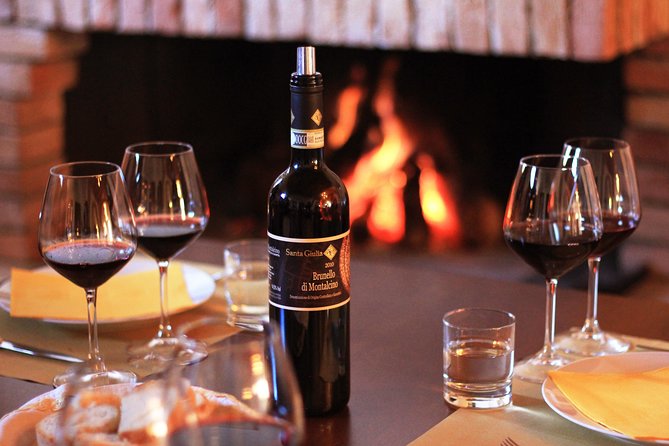
Brunello di Montalcino, small biodynamic wineries
Montalcino makes wine feel human. This full day takes you out of Florence and into small-group Tuscan country, with two winery tours plus tastings, and a real Tuscan lunch built around seasonal comfort food. I love that it blends wine, place, and context, not just sip and run.
I also like the way the day stays manageable. With a max of 8 people, you get more attention from your guide, and it shows in how questions get answered during tastings. Depending on your departure, you might be guided by someone like Simone, who gets praised for wine know-how, or Gilberto, noted for careful driving and a calm, friendly pace. One drawback to consider: there is no hotel pickup, so you need to plan how you get yourself to Piazza Torquato Tasso at 9:00 am.
Key points to know
- Max 8 travelers, so you get more guide time during tastings and lunch
- Two boutique winery visits focused on biodynamic producers and DOCG and DOC wines
- Val d’Orcia UNESCO valley stop around Montalcino, with a long enough window to slow down
- Fortezza di Montalcino quick visit for medieval context and views
- Tuscan lunch that includes antipasti, a seasonal main, and desserts like cantucci with vin santo
- DOCG and DOC tastings give you a clearer sense of how labels translate to flavors
Open the wider Tuscany wine-country shortlist from Florence
- Tuscany Day Trip from Florence: Siena, San Gimignano, Pisa and Lunch at a Winery★ 5.0 · 21,634 reviews
- Florence: Chianti Wineries Tour with Wine Tasting★ 4.5 · 8,301 reviews
- Small-Group Wine Tasting Experience in the Tuscan Countryside★ 5.0 · 7,392 reviews
- SMALL-GROUP Wine Safaris: Tuscan Wine Tasting Tours from Florence★ 5.0 · 5,088 reviews
From Florence to Montalcino: a day built for tasting, not rushing
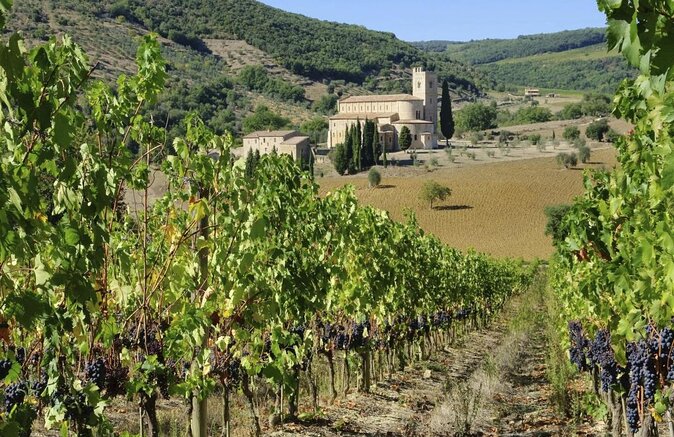
This is an 8-hour day trip designed around the idea that you do not need a packed schedule to have a great wine day. You start in Florence at Piazza Torquato Tasso at 9:00 am and return to the same meeting point at the end, so you avoid the headache of multiple drop-offs or complicated transfers.
Right away, the route sets the mood. You cross through Chianti and head toward Siena’s historic area, including a stop at the old south entrance to the city center. It is not a long sightseeing marathon, but it helps you understand the region you are about to drink from. Then you keep moving toward Montalcino, with a stop that highlights a beautiful cellar experience in Chianti Classico style country.
The pace works because the trip mixes three things you actually care about on a wine day:
- time in the places that shaped the wines
- time in the wineries to taste with context
- time to eat, properly
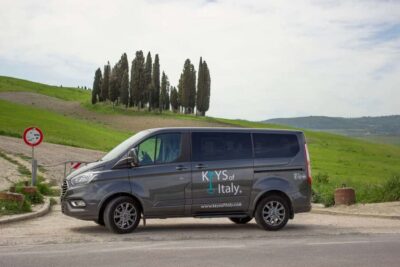
If you like structured days but hate being herded, this fits. And since you’re riding in an air-conditioned minivan, you avoid the fatigue that can make even a good tour feel like homework.
Practical tip: plan for some walking. Even if most stops are short, the entrance area and fortress visit mean shoes that do not hate you by hour two.
Two boutique winery tours with biodynamic focus and real tasting time
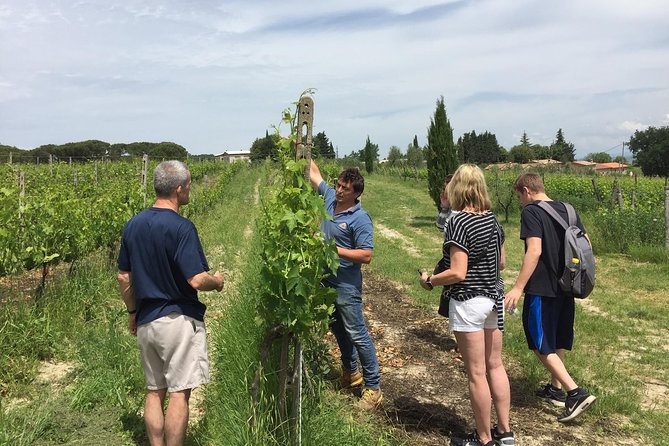
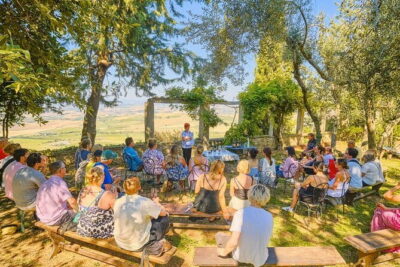
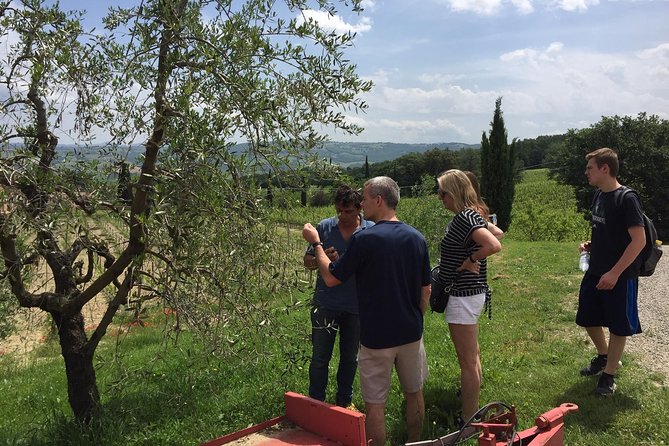
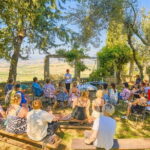
The heart of this day is the two winery tours and tastings, at small biodynamic producers. That matters because biodynamics often shows up in the conversation. You’re not only tasting wine, you’re hearing why the vineyard choices lead to certain textures, aromatics, and aging styles.
Here is what to expect from the tasting style:
- You’ll sample DOCG and DOC Italian wines, so you can compare how stricter rules show up in the glass.
- You’ll have time to ask questions and get guidance, which is easier in a small group.
- You’ll likely spend more than a quick pour-and-gesture. The goal is for you to leave with a better “why” behind what you like.
One of the strongest themes in the positive experiences is the attention level. With a group capped at 8, it’s easier for the guide to notice who is asking about Brunello-style structure versus who is curious about food pairing. It also makes it more comfortable if you are not a deep wine nerd. If you can describe what you enjoy, the conversation can meet you there.
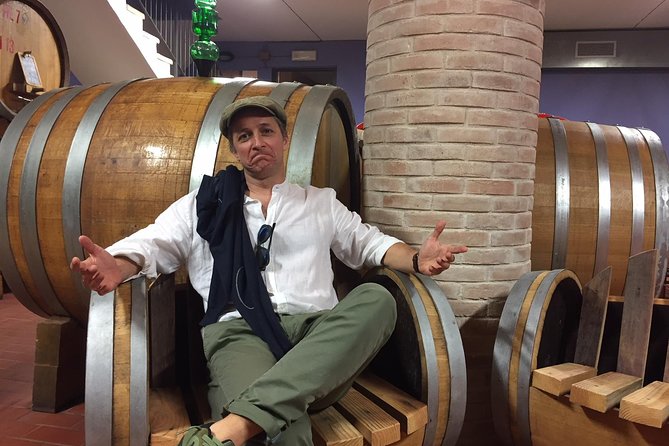
One more detail that makes this feel more special than mass-market tours: the wineries are described as boutique and the settings are praised as beautiful. If you’re the type who likes taking a few slow photos, you’ll appreciate that the cellar spaces and tasting rooms are part of the experience, not just a backdrop.
Small realism check: you are spending much of the day driving between regions. So yes, you get two tastings, but you also get wine “in context,” which means you need to pace yourself. If you tend to get a little sleepy after wine and lunch, plan on being energized during the tastings, not after.
Chianti to Siena route: quick history cues that make the wine make sense
This trip doesn’t try to turn itself into a full Siena day. Instead, it uses brief moments to give you context, then moves on.
You first cross Chianti to reach Siena, and you stop at the old south entrance to the historical city center. Even if you only get a short window there, it’s a useful mental reset. Siena is all about medieval streets and tight, human-scale design. That kind of place helps you understand why wine culture in Tuscany is tied to community, not just agriculture.
After Siena-ish context, the tour includes a stop described as the most beautiful wine cellar in the Chianti Classico area. It sounds like a visual and atmosphere stop, not a deep classroom lesson. That’s a good use of time because it keeps the day moving while still giving you a “wow” moment.
What I like about this approach is that it keeps the day from feeling random. You are not bouncing between disconnected tourist stops. Every interruption on the road is meant to build context for what you will taste later.
Possible drawback: if you came to Tuscany specifically to maximize city time, you might wish for more time in Siena itself. But if you’re here for wine first, this route feels smart, because it keeps the best part of the day, the winery time, from getting crowded out.
Val d’Orcia UNESCO time around Montalcino: the breathing room you want
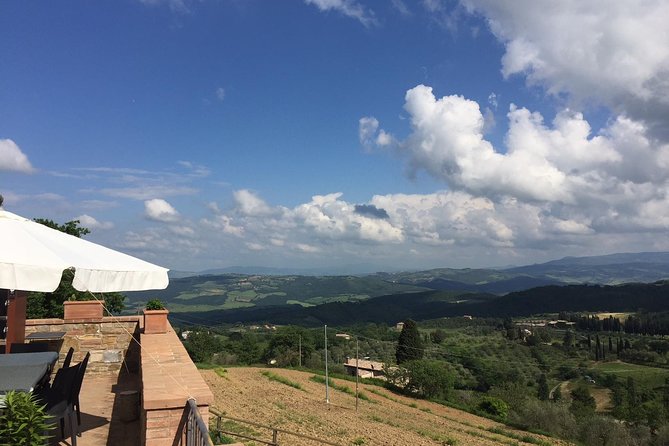
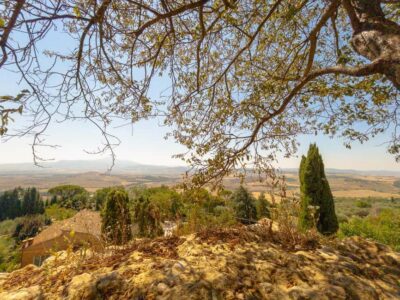
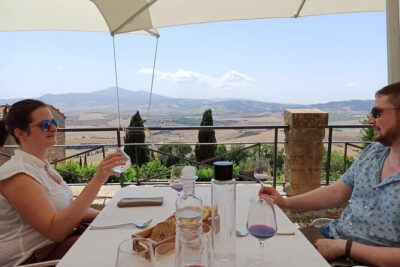
Once you reach Montalcino territory, the tour gives you a proper chunk of time in Val d’Orcia, a UNESCO World Heritage valley. You get about 3 hours, and admission is listed as free for this stop.
This is where the tour becomes more than a tasting schedule. A longer time window helps you:
- step back from the car time
- look at the terrain and villages in a calmer way
- take in the valley without needing to sprint to the next photo
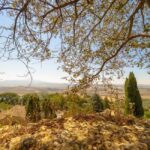
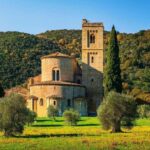
Val d’Orcia is famous for its harmony between land and human settlement, and seeing it during daylight hours helps you understand why winemaking here is so tied to place. Even if you cannot name every hill or valley shape, you start to feel the logic behind vineyard choices and how the wines express them.
Practical tip: during the 3-hour stop, keep your day flexible. Do not overschedule your own mini-plan, because that defeats the purpose of having time there. If you want a snack, grab something small and keep energy steady for your next stops and tastings.
Also, because this is a wine day, consider your sun and hydration. Tuscany heat can sneak up on you, even when the schedule looks reasonable on paper.
Fortezza di Montalcino: a short stop that adds real medieval context
Next up is Fortezza di Montalcino, a Medicean fortress protecting the town in medieval times. The visit is brief, around 15 minutes, and admission is also listed as free.
This short stop is not about a long museum-style walkthrough. It is about giving you a quick frame: Montalcino was protected, controlled, and defended, and that history matters for how you think about the region’s identity. The fortress adds a layer to the day that you simply cannot get from wine descriptions alone.
Here’s what makes it worth the time:
- You get views that help you connect the town to the surrounding vineyards.
- You get a stronger sense of how Montalcino functioned as a fortified community.
- You get a break between travel and tastings without losing momentum.
Possible consideration: if you are expecting a full fortress visit with long photo lines and deep exploration, 15 minutes will feel short. But if you want a quick “this is why the town looks and feels like it does,” it lands well.
Go farther into Val d’Orcia, Pienza and the southern Tuscan hills
Tuscan lunch menu: what you’re likely to eat and how it pairs
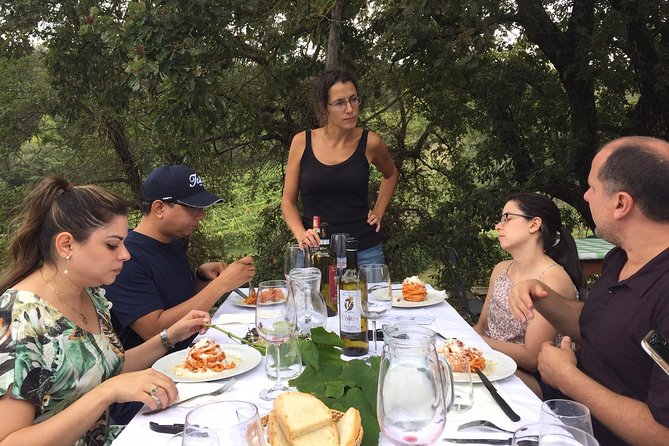
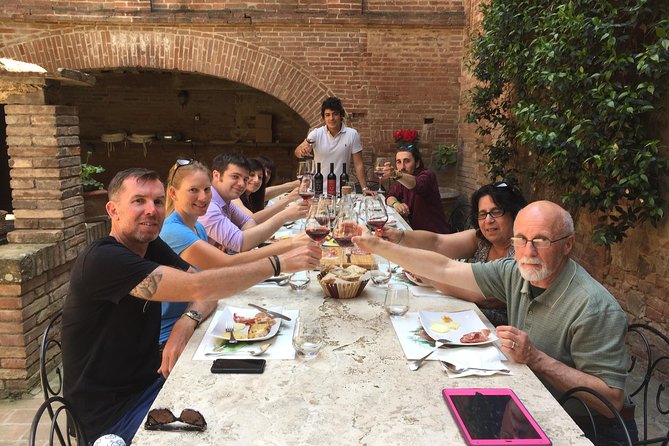
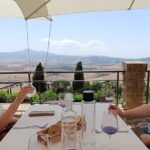
Lunch is included, and it is one of the best ways the tour shows it understands food. This is not just a sandwich stop. It is a small-group Tuscan lunch with a menu that uses classics and rotates with the season.
Your meal structure looks like this:
- Starter: Tuscan antipasti, including crostini, pecorino cheese, cold cuts like ham, salami, and finocchiona, plus honey
- Main: a seasonal dish such as panzanella, pappa al pomodoro, ribollita, pasta with sauce, or lasagne (depending on what the season offers)
- Dessert: Tuscan desserts including cantucci with vin santo, torta all’olio di oliva, and torta al cioccolato
I love this kind of menu because it keeps things realistic. Tuscan food is hearty and simple in its logic, and it works with wine because it’s all about balance. The salty cheeses and cured meats handle the savory side of many Tuscan reds. The bread-forward soups and vegetable-heavy mains make tannins feel more approachable. And the dessert pairing, especially cantucci with vin santo, helps you finish the day without feeling like your only dessert option is sugar plus vibes.
You’ll also be able to request a vegetarian option when booking, which is a big deal for a day trip where choices can otherwise be limited.
Small advice: eat at a comfortable pace. You’ll be drinking earlier and tasting again later, so you want your lunch to refuel you, not slow you down into a food coma.
Price and logistics: what $479.97 actually buys you
At $479.97 per person, this is not a budget day trip. But I think it’s in the value zone if you care about two things: serious tasting time and not getting stuck with long, inconvenient logistics.
Here’s what the price includes:
- Tuscan lunch
- wine tasting(s)
- driver/guide
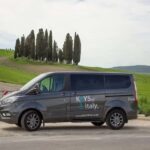
- transport by air-conditioned minivan
- fuel surcharge
It also includes a mobile ticket, so you should not be juggling paper.
What it does not include:
- hotel pickup and drop-off
So the value depends on you. If you’re already planning to meet at Piazza Torquato Tasso anyway, you’ll likely feel like you got your money’s worth. If you need to pay for taxis or struggle with getting to the meeting point, that cost can quietly nudge the deal.
A practical way to think about it: you’re paying for two winery experiences plus food plus guided interpretation in a small group. That’s the difference between a “wine sampling hour” and a full-day wine education that you can actually remember.
Also, group size matters for value. A max of 8 travelers means the guide can spend more time with your questions. In this kind of tour, that is not a nice-to-have. It’s what separates a fun day from a forgettable one.
What DOCG and DOC tastings teach you, and how to taste smarter
One reason I enjoy tours like this is that they force you to practice wine attention. When you sample DOCG and DOC wines side by side, you start to notice differences in structure and flavor direction, not just “this tastes good.”
During tastings, ask yourself:
- What does the wine smell like first, then change into after a sip or two?
- Does it feel smoother or more firm in the mouth?
- Does it lean toward dark fruit, red fruit, herbs, or something savory?
- How does it feel against the kind of food you just ate?
If your guide is Simone, you might find the explanations especially crisp and wine-focused. If it’s Gilberto, you might notice a calm, confident pace that keeps the day feeling easy. Either way, the point is the same: you’re tasting with purpose.
If you plan to buy wine, do it like a strategist:
- Pick one or two wines you truly like, not ten because you feel pressured.
- Consider how you’ll use it at home. Brunello-style reds can be showpieces, but they also deserve the right meal.
And remember, tasting days are not about “winning” wine. They’re about learning what you enjoy, so your next purchase is easier.
Who this Brunello day trip is best for
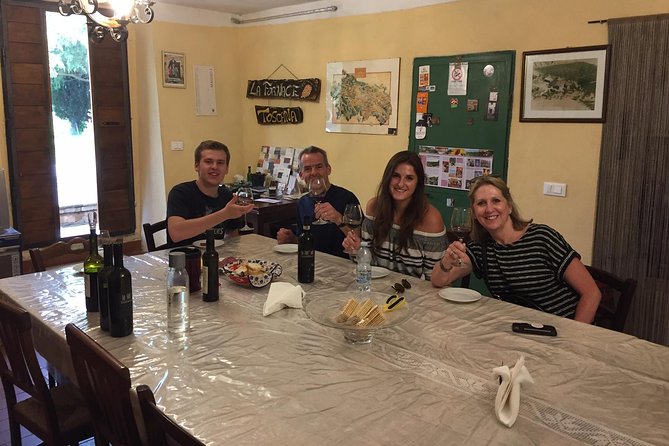
This tour fits best if you want:
- a small-group wine day with more personal attention
- a balanced mix of driving, sights, and actual tasting time
- an included Tuscan lunch that feels like part of the region, not a filler
It’s also a strong match if you are traveling with friends and want to avoid the loud, fast tours. With a max of 8 travelers, the vibe tends to be more conversational.
It may be less ideal if:
- you want a long stay in Siena or Florence
- you hate any walking at all during quick stops
- you prefer self-guided wine tasting without a guide shaping the conversations
One more practical note: the tour is for ages 18 and up, and children must be accompanied by an adult. A valid passport is required on the day of travel.
Should you book this biodynamic Brunello day from Florence?
I’d book it if you care about wine with context, not just a checklist of wineries. The combination of two boutique tastings, a thoughtfully regional lunch, and short stops that give you place-based meaning (Val d’Orcia and the Fortezza di Montalcino) makes the day feel like more than drinking.
It’s also a good decision if you value small group attention. When you can actually talk through what you taste, you leave with better instincts for what to order later, at home or on your next Tuscany trip.
The only serious reason not to book is logistics. If you cannot easily get to Piazza Torquato Tasso for a 9:00 am start, or you want hotel pickup convenience, this might be more hassle than it’s worth.
FAQ
Where does the tour start and end?
It starts at Piazza Torquato Tasso, 50124 Firenze FI, Italy at 9:00 am, and it ends back at the same meeting point.
How long is the tour?
The duration is approximately 8 hours.
Is hotel pickup included?
No, hotel pickup and drop-off are not included.
What is included in the price?
The tour includes Tuscan lunch, wine tasting, fuel surcharge, a driver/guide, and transport by air-conditioned minivan.
Do I need to speak Italian?
No. The tour is offered in English, and it may be operated by a multi-lingual guide.
Is there a vegetarian option?
Yes. A vegetarian option is available if you advise your dietary requirements at booking.
What is the maximum group size?
The tour has a maximum of 8 travelers.
Do I need a passport?
Yes, a current valid passport is required on the day of travel.
Every Florence review, in one place
- Tuscany Day Trip from Florence: Siena, San Gimignano, Pisa and Lunch at a Winery
★ 5.0 · 21,634 reviews - The Best tour in Florence: Renaissance & Medici Tales – guided by a STORYTELLER
★ 5.0 · 12,316 reviews

The long road into Val d’Orcia
Deeper into Tuscany wine country
- Tuscany Day Trip from Florence: Siena, San Gimignano, Pisa and Lunch at a Winery
★ 5.0 · 21,634 reviews
Florence picks that sit just beyond this itinerary
- One Hour Uffizi Guided Tour: Masterpieces of the Renaissance
★ 5.0 · 3 reviews - Sightseeing Tuscany by touring bike – 1 day rental
★ 5.0 · 3 reviews - Private Siena, S. Gimignano, Chianti Road and Wine Tasting
★ 5.0 · 3 reviews - Bargello Museum Private Tour: Michelangelo’s Bacchus & Donatello’s David
★ 5.0 · 3 reviews - Authentic Florence Cooking Class at Costanza’s 1839 Family Estate
★ 5.0 · 3 reviews - San Gimignano and Volterra private tour: etruscans, romans and middle age jewels
★ 5.0 · 3 reviews
More Tuscany Wine Country from Florence worth comparing.
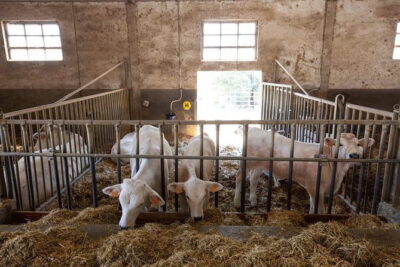 ★ 5.0Tuscany Day Trip from Florence: Siena, San Gimignano, Pisa and Lunch at a WineryFrom $11421,634 reviews
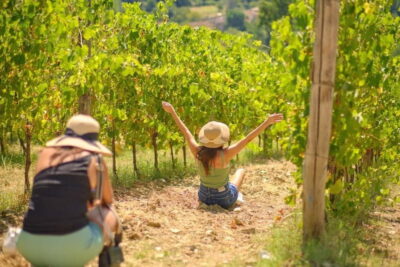 ★ 4.5Chianti Wineries Tour with Wine TastingFrom $568,301 reviews
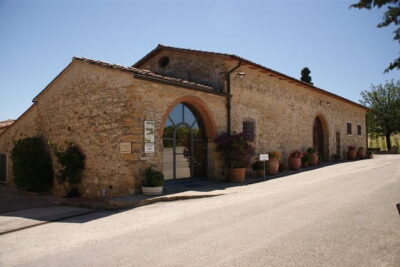 ★ 5.0Small-Group Wine Tasting Experience in the Tuscan CountrysideFrom $1077,392 reviews
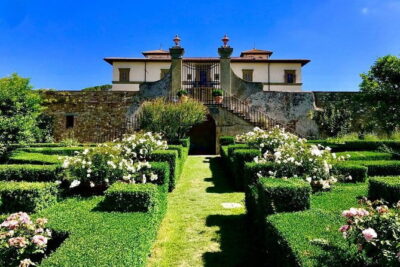 ★ 5.0SMALL-GROUP Wine Safaris: Tuscan Wine Tasting Tours from FlorenceFrom $1575,088 reviews
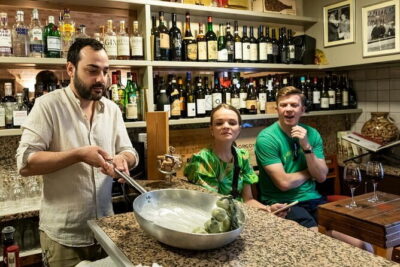 ★ 5.0Winner 2025 Florence Sunset Food & Wine Tour by Eating EuropeFrom $1495,015 reviews
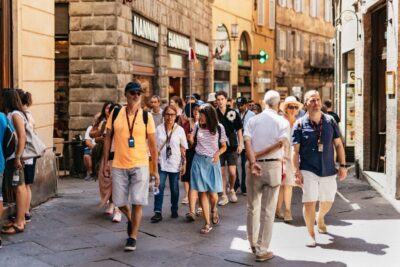 ★ 4.8From Florence: Siena, San Gimignano, Pisa & Lunch at WineryFrom $1124,538 reviews
 ★ 4.5San Gimignano, Siena, Monteriggioni, Chianti Day Trip with Lunch & Wine TastingFrom $834,432 reviews
 ★ 4.5Chianti Wine Tour from FlorenceFrom $593,979 reviews
Find this experience in another shortlist