
Florence field review · UFFIZI GALLERY TICKETS & TOURS
Florence: Uffizi Gallery Guided Tour, Skip-the-Line Tickets
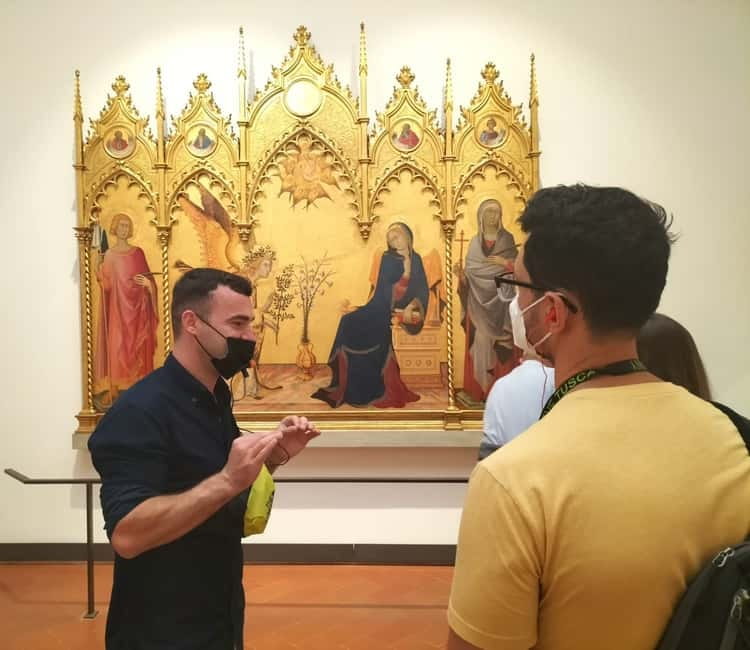
Politics has a brushstroke in Florence. This guided Uffizi experience focuses on Medici-era intrigue and the human rivalries behind the art, not just techniques.
I especially like that the tour frames paintings as part of power plays, family competition, and propaganda. The second thing I like is the practical comfort, headsets that keep the guide clear even when you need to stand back.
One thing to consider: Uffizi entry still means airport-style security, and the visit time is short, so you are not seeing everything. Also, how the skip-the-line entry is handled can feel a bit confusing at the start, so pay attention to what your guide asks for.
Key highlights if you want the real Uffizi story
- Skip-the-line entry through a separate entrance so you spend time looking, not waiting
- Headsets that make a 90-minute conversation-style tour actually work in a crowded museum
- Medici power and Vatican ties explained in plain language, with art used as public messaging
- Hidden symbols, rivalry, and scandals tied to the families that shaped Florence
- Elevator access to cut down on stair climbing, plus wheelchair accessibility
- Small-group pacing that makes it easier to ask questions and compare what you are seeing
More ways through the Uffizi, with the queue and guide choice made clear
- Florence: Skip-The-Line Uffizi Gallery Timed Entry Ticket★ 4.5 · 27,832 reviews
- Florence: Uffizi Priority Ticket & Masterpieces Audio App★ 4.2 · 6,402 reviews
- Florence: Skip-the-Line Uffizi Small Group Tour★ 4.6 · 5,926 reviews
- Uffizi Gallery Small Group Tour with Guide★ 4.5 · 4,923 reviews
The Uffizi in 90 minutes, with a smart pace
The Uffizi can overwhelm you. Rooms feel like they spin on top of each other, and you can start wandering with no anchor. This tour gives you an anchor right away: it steers the focus away from a textbook checklist and toward the stories that drove Florence’s artists.
The timing is about 1.5 hours, with around 100 minutes inside the museum. That matters because you get enough time to see multiple major works while the guide links them together. You will leave with connections in your head, not just a bunch of images you half-remember.
The “small group” setup also helps. The guide can move the group along, but you are not stuck in a giant line of people who all need the exact same silence. Even if you do not love long talks in museums, the tour’s structure is meant to keep you moving toward specific works and then discussing what they were doing in their political world.
What makes this tour different: propaganda, scandal, and symbols
If you have ever wished the Uffizi felt more alive, this is the angle to pick. The tour theme is simple: paintings reflect the history around them, including corruption, politics, rivalry, and the personal pressures artists lived with.
You do not just hear about famous names like Michelangelo and Leonardo. You get the political backdrop that shaped what got commissioned, what got praised, and what got quietly shoved aside. The Medici are central, including how they connected wealth, banking, and influence. The tour also mentions the Medici ties with the Vatican, which helps you understand why religious and political imagery often overlap in Italy.
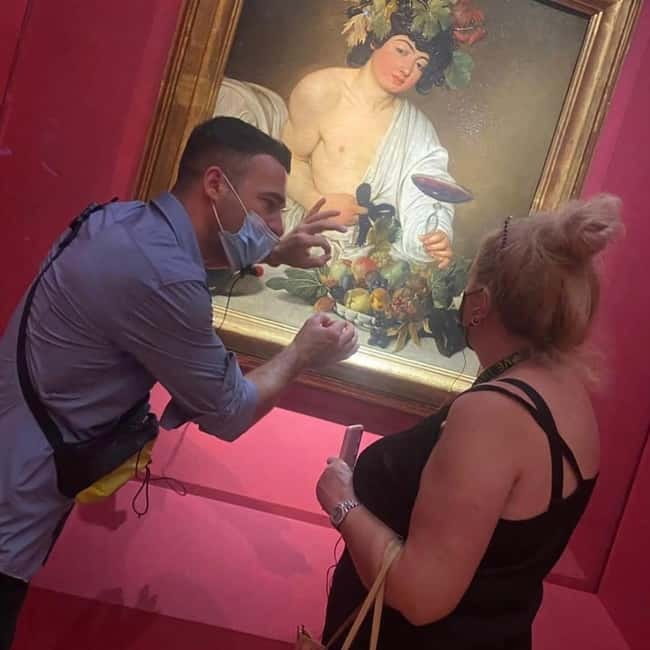
One of the tour’s best promises is that it talks about hidden symbols and the meaning behind gestures, objects, and visual choices. You may not spot everything yourself in the moment, but the guide gives you a “what to look for next time” lens. That turns the museum from a passive viewing experience into active reading.
You will also hear about the fierce competition between powerful families like the Medici and the Strozzi and how that rivalry influenced money, politics, and art commissions. This is where the tour can feel unusually modern. Even if you have never studied Florentine politics, the logic is familiar: patrons want messages, artists want protection and opportunities, and public opinion is part of the deal.
Meeting points that can trip you up, and how to handle them
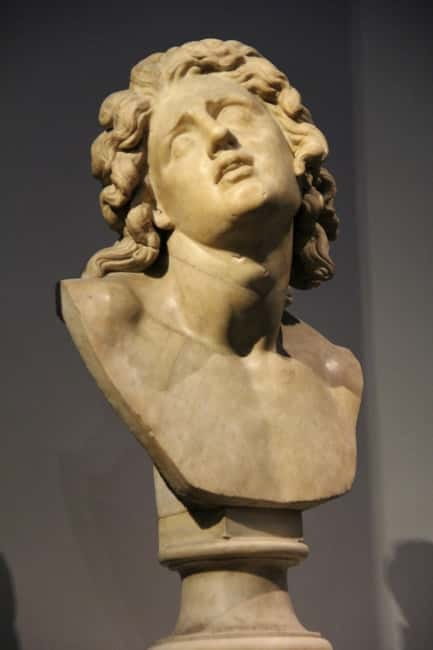
The tour starts at a specific meeting area. You meet at Door Number 3 at the main gallery office area, in front of the Guido Aretino Sculpture. The tour’s base address is listed as Via Lambertesca, 2, so when you map it, aim for that area and then locate the door number.
This matters because the Uffizi is not a “walk in whenever you feel like it” place, and the tour is built around timing. One of the practical lessons from real-world guidance is that if you arrive late, the group may not wait. So give yourself extra slack, especially on busy days.
My practical advice: arrive early enough to find the meeting door, then take a quick lap to orient yourself before the group gathers. If you are prone to getting turned around (very common in Florence), build in a buffer.
Entering the Uffizi with skip-the-line benefits
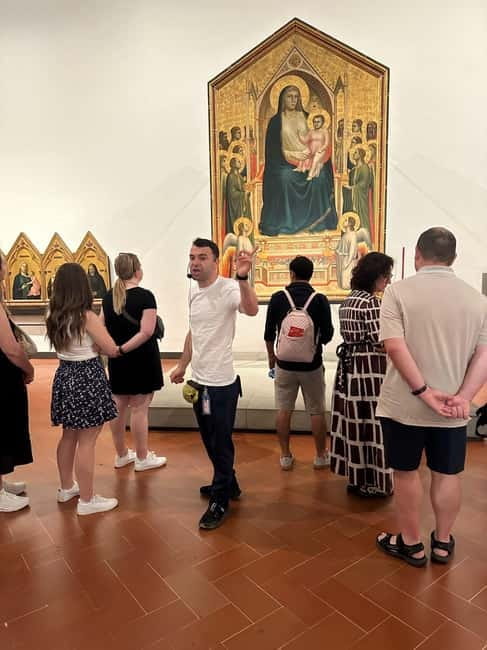
The big value on paper is the skip-the-line entry. In practice, the benefit is that you start viewing sooner, when your energy is higher and the crowd pressure is lower. In a museum like this, time saved can be the difference between enjoying rooms and feeling stuck in a slow moving bottleneck.
You also get entry through a separate entrance, which is the usual way these tours avoid the worst queues. It is still not instant. You will pass through airport-style security before entry, so do not plan on bypassing that completely.
Once you are through, the tour rhythm changes. Instead of “Where do we go now?” you get “Here is the next room, and here is why this painting matters.” That is a different kind of value, and it is the kind you feel quickly.
Stop inside the museum: the guide turns paintings into political clues
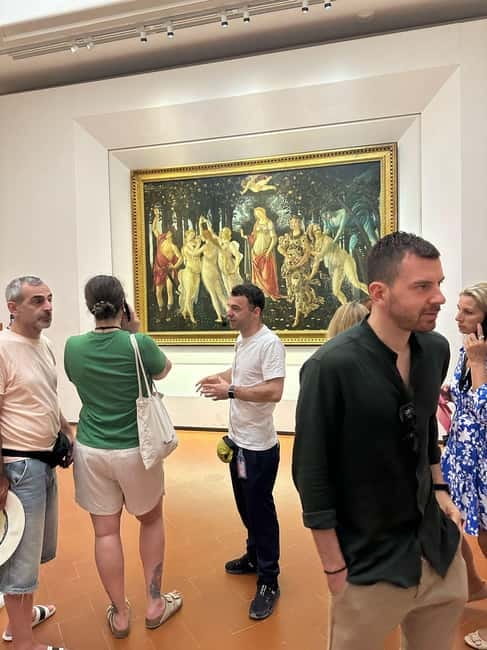
The Uffizi portion is where the tour’s theme comes to life. Expect a walk through the galleries with the guide pointing out major works and connecting them to the political and personal pressures around them.
The tour highlights are framed around ideas, including the way art can reflect history as much as aesthetics. One of the tour’s attention points is the concept of LOVE&HATRED as a theme connected to the history and emotions behind the imagery. Even if you are not obsessed with symbolism, a themed approach like this helps you look longer at individual details.
The tour also emphasizes “artists’ private lives.” The phrasing here matters. It does not mean gossip in the modern sense. It means the personal ambitions, rivalries, and constraints that affected what artists produced and how they navigated patron expectations. You are essentially being taught to treat the paintings as evidence of real people in real conflict.
You’ll hear about Medici influence, banking power, and the way art operated as propaganda. That word can sound heavy, but the guide’s job is to keep it concrete. Think of it as image management for a ruling class: you commission what will be seen, you place it where the right people look, and you cultivate the story the city repeats.
Compare Florence entry tickets before choosing a time slot

Headsets and elevator access, the unglamorous wins
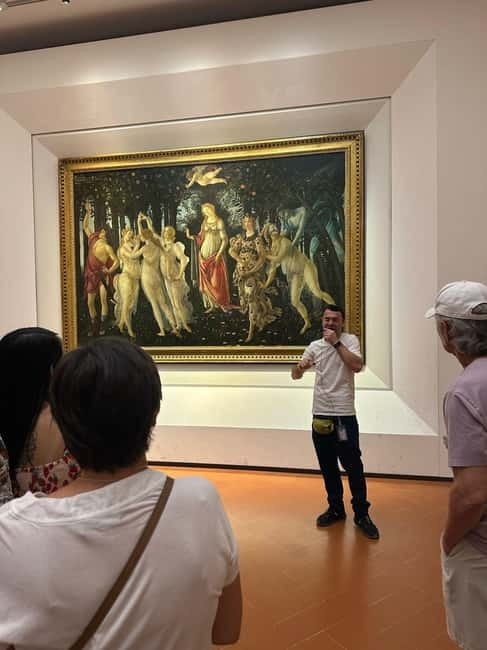
Some tours market “private guide” and “exclusive access.” This one also gives you the practical tools that make a crowded museum enjoyable.
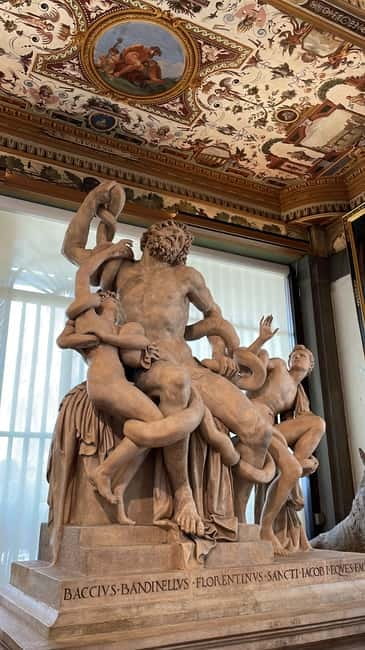
- Headsets: You can hear the guide even when you are not pressed directly beside them. That is huge at the Uffizi, where everyone wants the same photo angle and it is hard to keep close without becoming part of the bottleneck.
- Elevator access: The tour includes elevator use to avoid stair climbing. That can matter a lot if you have knee issues or you just want to spend your energy looking, not climbing.
And yes, the experience is listed as wheelchair accessible. So if you need mobility-friendly routing inside the museum, this tour is built with that in mind.
These are the kinds of details you notice only when they are missing. Having them is a quiet form of value.
The guide experience: names you might hear, and what that suggests
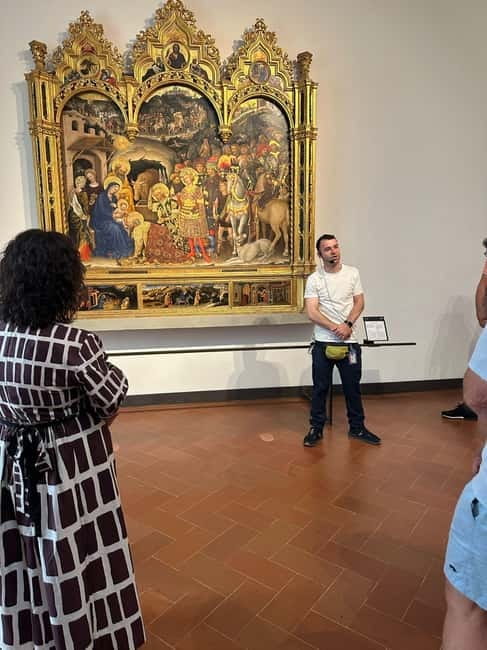
Your guide is listed as an authorized guide, live and English-language. The experience is provided by Explorer Emotion Florence di Seiti Fael. You might encounter different guides, but names like Rafael and Giovanni show up in the guide stories.
Why I care about that: when a tour has a clear theme and a short time window, guide personality affects the whole outcome. The best matches here are guides who can connect story to specific paintings without turning it into a lecture.
From what I see in this style of tour, Rafael tends to bring energetic delivery, with equipment like microphones and headsets so the group can hear well even if they cannot stand perfectly close. Giovanni’s approach, at least in the examples you might encounter, also focuses on history and relationships between what you see on the walls.
In other words, you are not just paying for access. You are paying for interpretation.
What you may not get: the tradeoff for a focused theme
Here’s the balanced part. This tour is not a full museum sweep. You are going in with a narrative, and the guide will prioritize works that support that narrative. That means:
- You will likely spend less time in certain rooms that feel like a “must-see” if you are doing the Uffizi in a general way.
- You may not get a complete chronological history of all the masterpieces.
- You might leave with a few rooms still unexplored, because 1.5 hours forces selectivity.
If you are the type who wants to wander freely, stop whenever something catches your eye, and spend 20 minutes per painting, then this tour might feel too structured. If you want the Uffizi as a guided story you can carry home, it fits very well.
Also, watch your expectations around “private lives.” You will get the human and political pressures behind artists. You are not guaranteed a modern tabloid style. The emphasis is still educational, just more personal.
“Reservation for 3 different museums” and what to ask
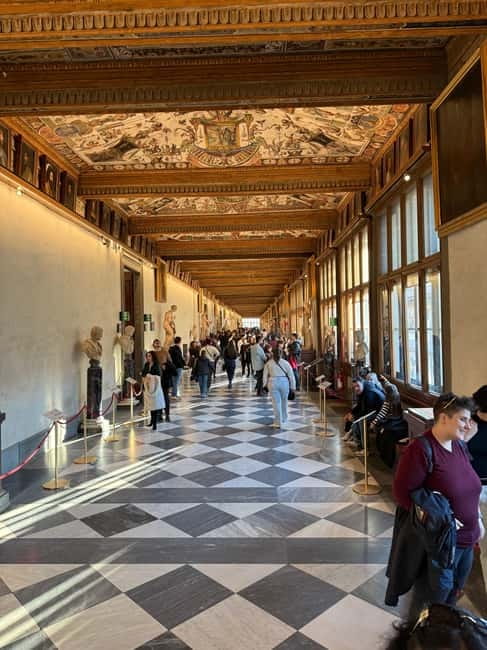
One inclusion that stands out is a reservation for 3 different museums. The package does not list which museums in the details provided here, so you will want to confirm the specific sites when you book.
Why it matters for you: Florence museum plans often come down to timing and ticket logistics. If you truly can use these reservations for two or three additional visits, that can stretch the value beyond the Uffizi. But do not assume which museums are covered until you check.
If you already planned multiple museum visits, this is the kind of add-on that can quietly reduce your overall travel cost.
Price and value: what you are really paying for
At $100.82 per person, this is not a budget option for Florence. So the question is: what are you buying?
You are paying for:
- Skip-the-line entry through a separate entrance
- A live English guide built around a specific theme
- Headsets for better hearing and easier pacing
- Elevator access and wheelchair-friendly planning
- A tour experience that tries to connect paintings to politics, rivalry, and symbolism
If you compare this to DIY entry, the savings are mostly time and interpretation. You can absolutely walk the Uffizi on your own. But you will miss the thread that ties works together, and you will likely spend more time trying to decide what to look at next.
This tour also reduces friction. The headsets make it easier to keep up. The elevator helps you keep your attention on the art, not on physical limitations. Those conveniences are hard to value until you travel.
So for me, the price makes sense if you want structure and meaning in a short visit. It is less ideal if you prefer free-roaming at your own speed.
Should you book this Uffizi tour?
I think this tour is a strong choice if you want the Uffizi to feel like a story about real power. If you like explanations that connect paintings to patron families, political propaganda, rivalry, and hidden symbolism, you will probably enjoy the way the guide frames each moment.
Book it if:
- You have limited time and want a guided highlight route
- You appreciate themes like Medici influence and art as public messaging
- You value headsets and smoother navigation with elevator access
- You want a tour that is more conversation-like than a distant lecture
Skip it if:
- You want to see everything at your own pace, room by room
- You dislike themed tours and prefer chronological art history
- You hate the idea of security lines and a fixed meeting window
If you do book, arrive early to find Door Number 3 without stress, and keep your expectations aligned with a focused 1.5-hour narrative. You will walk out with fewer paintings memorized, but more meaning attached to the ones you do see.
More Florence tours to open next
- The Best tour in Florence: Renaissance & Medici Tales – guided by a STORYTELLER
★ 5.0 · 12,316 reviews



Every Florence review, in one place
- Tuscany Day Trip from Florence: Siena, San Gimignano, Pisa and Lunch at a Winery
★ 5.0 · 21,634 reviews - The Best tour in Florence: Renaissance & Medici Tales – guided by a STORYTELLER
★ 5.0 · 12,316 reviews


The Uffizi, another way

Florence picks that sit just beyond this itinerary
- One Hour Uffizi Guided Tour: Masterpieces of the Renaissance
★ 5.0 · 3 reviews - Sightseeing Tuscany by touring bike – 1 day rental
★ 5.0 · 3 reviews - Private Siena, S. Gimignano, Chianti Road and Wine Tasting
★ 5.0 · 3 reviews - Bargello Museum Private Tour: Michelangelo’s Bacchus & Donatello’s David
★ 5.0 · 3 reviews - Authentic Florence Cooking Class at Costanza’s 1839 Family Estate
★ 5.0 · 3 reviews - San Gimignano and Volterra private tour: etruscans, romans and middle age jewels
★ 5.0 · 3 reviews
More Uffizi Gallery Tickets & Tours worth comparing.
 ★ 4.5Skip-The-Line Uffizi Gallery Timed Entry TicketFrom $3027,832 reviews
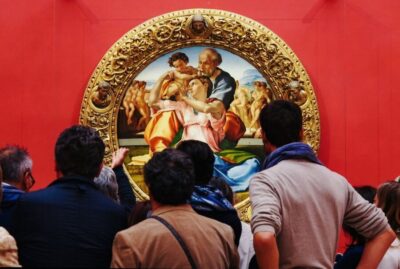 ★ 4.2Uffizi Priority Ticket & Masterpieces Audio AppFrom $316,402 reviews
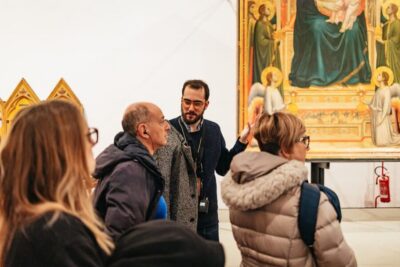 ★ 4.6Skip-the-Line Uffizi Small Group TourFrom $715,926 reviews
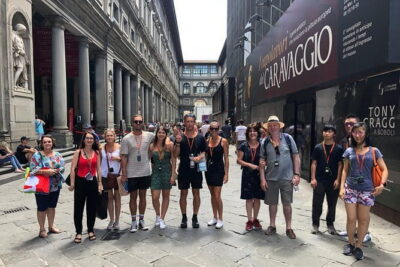 ★ 4.5Uffizi Gallery Small Group Tour with GuideFrom $764,923 reviews
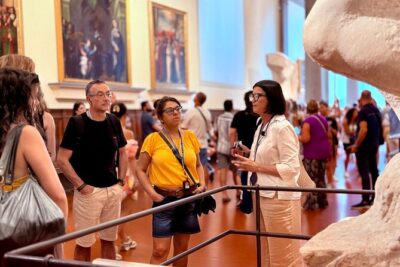 ★ 4.5Skip the line: Uffizi and Accademia Small Group Walking TourFrom $1483,135 reviews
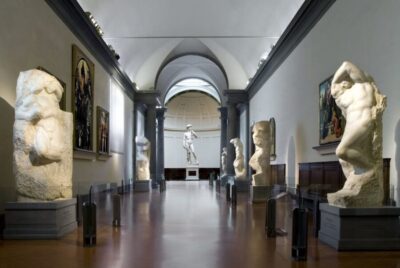 ★ 4.8Uffizi Gallery and Accademia Gallery Guided TourFrom $1402,028 reviews
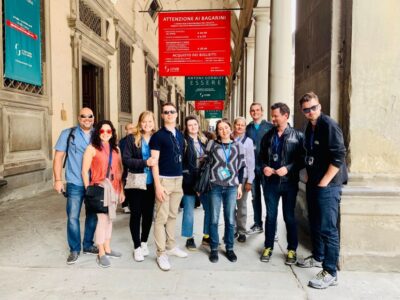 ★ 4.7Uffizi Gallery Small-Group Guided Tour with TicketFrom $762,003 reviews
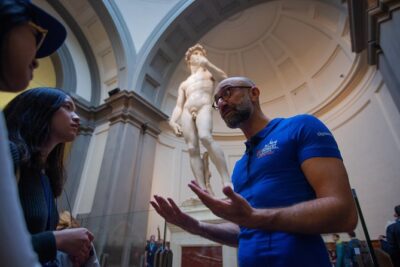 ★ 4.5Michelangelo’s David, Accademia & Uffizi Small Group TourFrom $471,986 reviews
Find this experience in another shortlist