
Florence field review · WORKSHOPS
5 Mornings Still Life Painting Guided Workshop in Florence
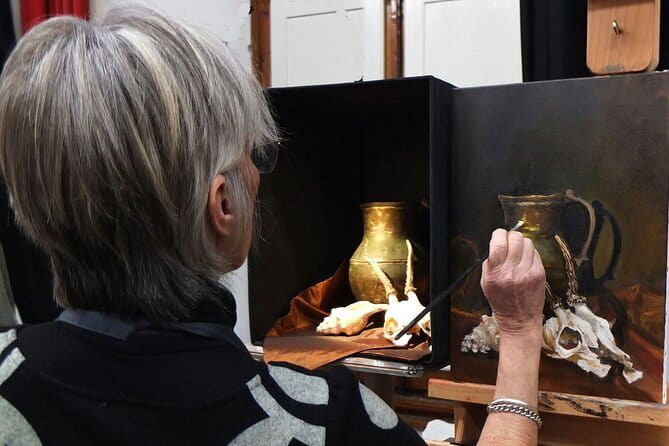
Florence is an art city, but painting is different. This 5-morning oil workshop turns the historic center into your studio, guiding you step by step to finish a real still life painting. I love the small-group setup, and I love how the course is structured from sketch to oil details with clear instruction.
You get two kinds of value at once: practical technique and confidence. The class teaches the whole chain of painting, including sight-size drawing (linked to John Singer Sargent) and how to build light and dark with a tonal underpainting. A big plus is the personal teaching style coming from instructors Laura and Frank, including feedback that keeps you feeling at home in the process.
The one possible drawback is time and commitment: it is 15 hours over five mornings. If your schedule is tight or you only want a quick one-off art activity, this may feel like more course than casual fun.
Key Highlights You Can Count On
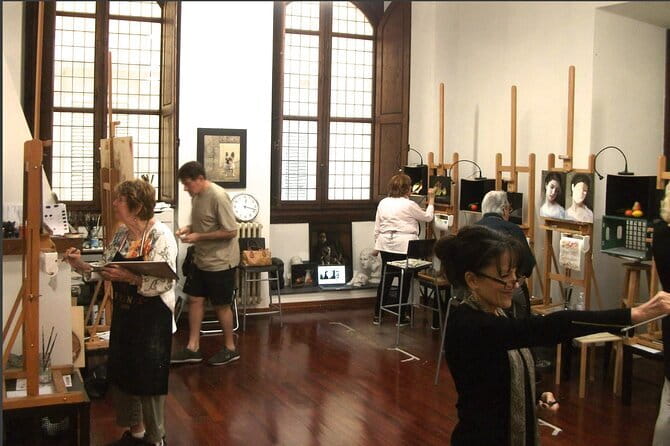
Small group, max 10 people so you actually get hands-on guidance.
Sight Size method helps you draw what you see, not what you think you see.
Oil primed linen panel workflow takes you from sketch transfer to final details.
Color mixing and tonal underpainting so your painting has structure, not just color.
Pack-and-go transport means you can leave with your artwork and bring it home.
Weekday start flexibility lets you pick a start day that fits your Florence schedule.
When a guide is worth having beside you in Florence
- The Best tour in Florence: Renaissance & Medici Tales – guided by a STORYTELLER★ 5.0 · 12,316 reviews
- Florence: Duomo Cathedral Guided Tour★ 3.9 · 5,970 reviews
- Uffizi Gallery Small Group Tour with Guide★ 4.5 · 4,923 reviews
- Florence: Accademia Gallery Guided Tour★ 4.6 · 4,156 reviews
Entering The Studio in Central Florence
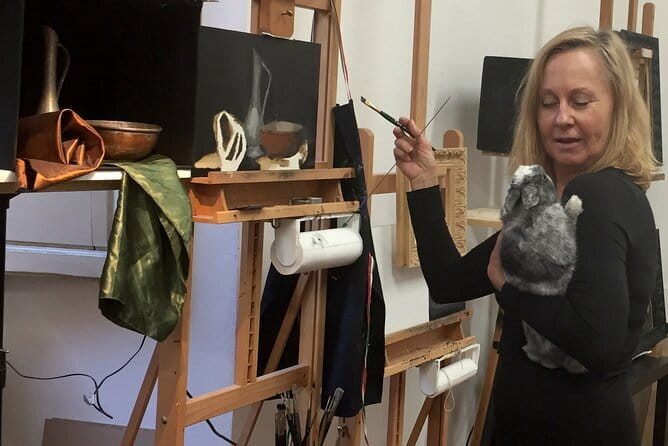
Meeting point is Borgo Santi Apostoli, 18, 50123 Firenze FI, Italy, and class starts at 10:00 am. The location puts you in the historic center, and the workshop is in a light-filled studio space inside a palazzo setting. That matters more than you might think. In still life painting, lighting and calm help your eyes do their job, and a bright, quiet room makes the steps easier to follow.
The group stays small, capped at 10 travelers, which is key for beginners. In a bigger class, you can lose time waiting, or you might hesitate to ask questions when something feels off. Here, the workshop is built for personalized instruction, so you can get direct help as you draw, mix, and paint.
The teaching team includes Laura and Frank, and their style comes across as welcoming and reassuring. If you are nervous about making mistakes, you will likely appreciate that tone. If you are an experienced painter, you will probably like having your method checked and refined rather than watching a lecture go past you.
Five Mornings, One Still Life: How the Schedule Works
This course runs for about 5 days, with 3 hours per morning for a total of 15 hours. It is designed as a true process, not a single-day demo. You start on a weekday of your choice, but the instruction pattern is Mondays through Fridays. That means if you choose a Tuesday start, your last day lands on the following Monday.
That pacing is one of the reasons the course is worth it. Still life painting is not only about talent. It is about order. You learn the drawing first, then transfer it, then you build values, then you add color, and finally you finish details. When those steps happen over several mornings, you get time to correct, compare, and improve, instead of rushing to a finish line.
You will also have a lecture and demonstration of materials and methods and color mixing. Those teaching moments give you a map. Then every morning feels like a new layer of the same painting, so progress stays visible.
If your Florence days are packed, plan your mornings around this workshop. A 10:00 am start is reasonable, but it still means you are committing to being present and ready to work for five mornings.
Materials, Methods, and Color Mixing Basics That Actually Matter
The workshop includes a dedicated lecture and demonstration on materials and methods, plus color mixing. That is the difference between watching paint and learning painting. Oil work is sensitive to choices you make early, like how you set up values and how you mix colors instead of relying on straight tube color.
You will learn the fundamental principles that support the whole workflow:
- how to approach your still life composition
- how to think in terms of light and dark shapes (not only outlines)
- how to mix colors to get the effect you want on the panel
- how to progress from blocking in to finishing details
Even if you have never painted before, this structure reduces guesswork. Beginners usually struggle with two things: knowing what to do first and not getting overwhelmed once paint goes on canvas. A step-by-step course like this gives you a sequence you can follow without second-guessing every move.
For more advanced students, personalized instruction is a useful option too. Rather than treating you like a blank slate, you can ask for help with your approach to values, edges, or color relationships. The class is built for both learning and refinement.
Sight Size Drawing: The Trick for Drawing What You See

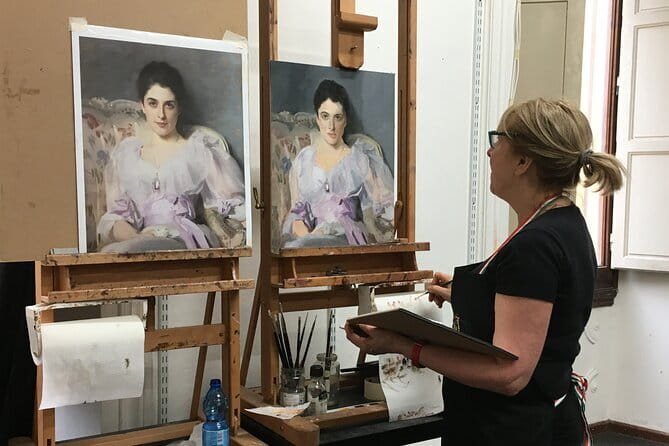
One of the most interesting steps is the drawing method called Sight Size, used most notably by John Singer Sargent. The name is practical: instead of guessing proportions from memory or using general rules, you train your eye to compare. You map what you see in front of you, using measurement by sight rather than relying on what you think a cup should look like.
In the workshop, you set up a simple still life using available objects or props at the studio. Then you draw it using Sight Size. This is a huge deal because it sets the foundation for everything that comes after. When your drawing is closer to reality, your oil painting will feel steadier and more believable, even if the style is interpretive.
The course then transfers that drawing to an oil primed linen panel. That means you are not starting from scratch with paint. You are building a painting off a plan you created.
If you have struggled with drawing in the past, Sight Size often helps because it turns drawing into a method. You are still making artistic choices, but the key proportions and relationships come from a repeatable process.
From Tonal Underpainting to Full Color
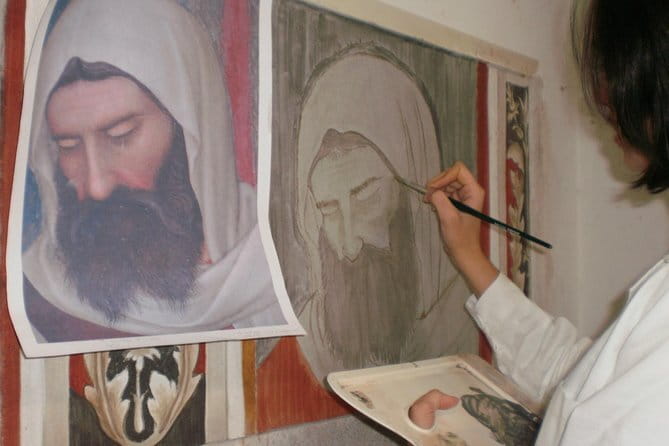
Once your drawing is transferred, you move into paint with a tonal underpainting. The workshop teaches you how to paint values to establish the contrast of light and dark shapes. In plain terms, this is where your painting earns its structure.
A tonal underpainting does two important things:
- It locks in the big shapes before you risk getting stuck in details.
- It helps your later colors make sense, because light and shadow are already organized.
Then you paint in full color. This is where a lot of beginners get impatient and try to jump straight to color. Here, you do it in the right order, so your palette has support. You will learn how to mix colors in a way that fits the still life you are seeing, not just colors that look pretty on a palette.
The final step is finishing details. That stage is all about edges and refinement. Even if you are a beginner, you get coaching through the part that usually feels hardest because it is where everything becomes visible.
Keep the Florentine shortlist moving
Small Group Guidance: What Personalized Instruction Looks Like
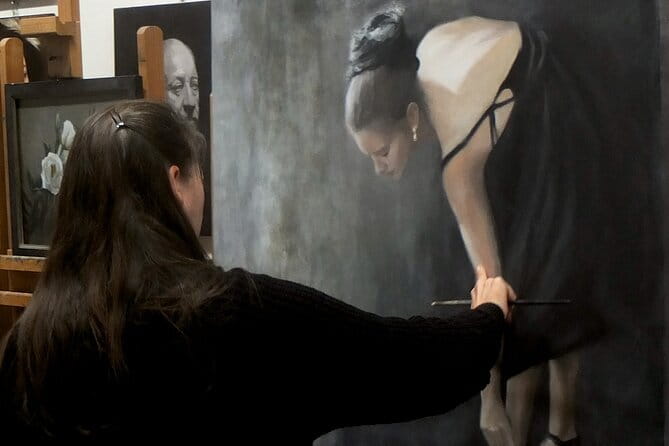
The workshop caps at 10 travelers, and it is designed for individualized help. That shows up during the steps, especially when you hit the points where most people stall: first mark on the panel, first value corrections, and first attempts at getting color to match the set-up.
In the reviews, the teaching style stands out. Laura and Frank are described as generous, knowledgeable, and supportive, with students feeling comfortable and at home in the studio. That matters because oil painting can feel intimidating. Even simple mistakes can look big at first. A calm instructor presence can change the whole experience.
You also get the benefit of a course that works for both beginners and seasoned painters. If you are starting from zero, the step-by-step structure keeps you from wandering. If you already paint, the personalized guidance helps you troubleshoot your process, especially around drawing accuracy, tonal planning, and finishing details.
Taking Your Painting Home Safely
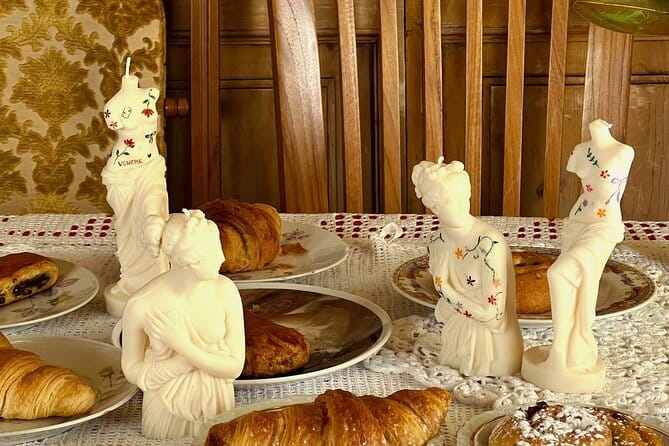
You will leave with a unique artwork, and the workshop includes packing your painting for easy transport home. That detail is not small. Oil paintings can be awkward to move, and you do not want to worry about wraps, protection, or how to keep your piece safe on trains or in luggage.
The workshop also uses a mobile ticket, which is helpful for keeping everything in one place while you move around Florence. With the right plan, you can treat the painting like part of your trip, not like a problem you have to solve on departure day.
Price and Value: Is $789.39 Worth It?
The price is $789.39 per person, and on average it is booked about 42 days in advance. The honest way to judge value here is to compare it to the cost of short art classes versus a multi-session oil course.
You are paying for:
- a full 15-hour instruction format over five mornings
- guided workflow from Sight Size drawing to oil painting on an oil primed linen panel
- materials and methods teaching, including color mixing
- small-group attention with a max of 10
- packing support for taking your painting home
If you want a one-time souvenir, this is not the cheapest option. But if you want a painting you can hang, plus real technique you can bring home, the price starts to make sense. The value is in the progression. Each morning builds on the last one, so you leave with both a finished work and the confidence to continue.
If you are on a tight budget, consider what you would otherwise spend on separate lessons, supplies, and practice time. This course concentrates instruction into a set amount of guided hours.
Who This Workshop Fits Best (And Who Might Prefer Something Else)
This workshop is a good match if you:
- want to learn oil still life fundamentals and take home a finished painting
- like hands-on instruction rather than watching from the sidelines
- enjoy the idea of drawing methodically using Sight Size
- want a structured course that works for both beginners and more experienced students
It is also a strong option for your Florence itinerary if you enjoy making rather than only looking. Painting in a working artist space turns the city into your subject, even if your still life objects are studio-made.
You might choose a different activity if:
- you are only in Florence for a short time and cannot spare five mornings
- you want a quick, low-commitment art experience
- your schedule is too unpredictable to match the workshop flow from start day through the final morning
Tips to Get the Most Out of Your 5 Mornings
You will be working with oils, so show up ready to paint and take your time. Wear comfortable clothes you can be at ease in, and plan for a focused morning rather than a sightseeing sprint.
Also, go in with a curious attitude. The course uses a chain of skills, so if one step feels slow, it usually pays off later. The tonal underpainting part can feel different than what you expect from paint-by-numbers thinking, but it is the backbone of your final color stage.
Finally, ask questions as they come up. With small-group instruction and a max of 10, you are not stuck waiting for the next explanation.
Should You Book 5 Mornings Still Life Painting in Florence?
If you want more than photos and a casual craft, this workshop is a smart use of time. The value is real: small-group guidance, a structured oil workflow, and the chance to leave with a finished still life you helped create from start to finish.
Book it if you fit one requirement, you can commit to five mornings. If that works for your schedule, this is one of the most practical ways to learn painting while you are in one of the world’s great art cities.
FAQ
How long is the Florence still life painting workshop?
The workshop runs for 5 mornings, with about 3 hours per day, for a total of 15 hours.
What time does the workshop start, and where do we meet?
It starts at 10:00 am at Borgo Santi Apostoli, 18, 50123 Firenze FI, Italy. The activity ends back at the meeting point.
How big is the group?
The class has a maximum of 10 travelers.
Do I need painting experience?
No experience is required. The workshop is suitable for beginners and also works for more advanced students with personalized instruction.
What will I paint during the course?
You will paint an oil painting still life of your own. The process includes setting up a still life, Sight Size drawing, transferring to an oil primed linen panel, tonal underpainting, full color painting, and finishing details.
Can I choose which weekday to start?
Yes. You may choose to start on any weekday. Instruction is taught Mondays to Fridays, so if you start on a Tuesday, your last day will be the following Monday.
What is the cancellation policy?
You can cancel for a full refund up to 24 hours in advance of the experience start time.
More Workshops in Florence
- Cooking Class and Lunch at a Tuscan Farmhouse with Local Market Tour from Florence
★ 5.0 · 4,831 reviews



Florence with someone who knows the room
- The Best tour in Florence: Renaissance & Medici Tales – guided by a STORYTELLER
★ 5.0 · 12,316 reviews
Every Florence review, in one place
- Tuscany Day Trip from Florence: Siena, San Gimignano, Pisa and Lunch at a Winery
★ 5.0 · 21,634 reviews - The Best tour in Florence: Renaissance & Medici Tales – guided by a STORYTELLER
★ 5.0 · 12,316 reviews
Florence picks that sit just beyond this itinerary
- One Hour Uffizi Guided Tour: Masterpieces of the Renaissance
★ 5.0 · 3 reviews - Sightseeing Tuscany by touring bike – 1 day rental
★ 5.0 · 3 reviews - Private Siena, S. Gimignano, Chianti Road and Wine Tasting
★ 5.0 · 3 reviews - Bargello Museum Private Tour: Michelangelo’s Bacchus & Donatello’s David
★ 5.0 · 3 reviews - Authentic Florence Cooking Class at Costanza’s 1839 Family Estate
★ 5.0 · 3 reviews - San Gimignano and Volterra private tour: etruscans, romans and middle age jewels
★ 5.0 · 3 reviews
More Workshops worth comparing.
 ★ 4.9Pasta Cooking Class with Unlimited WineFrom $2110,285 reviews
 ★ 5.0Florence Pizza or Pasta Class with Gelato Making at a Tuscan FarmFrom $1456,801 reviews
 ★ 4.9Pasta & Tiramisu Cooking Class with Unlimited WineFrom $566,708 reviews
★ 5.0Pasta Cooking Class with Unlimited Wine6,413 reviews
 ★ 5.0Cooking Class and Lunch at a Tuscan Farmhouse with Local Market Tour from FlorenceFrom $1454,831 reviews
 ★ 5.0Pastamania – Florence Pasta Making ClassFrom $493,050 reviews
 ★ 5.0Cooking Class Pasta & Tiramisu Making Unlimited WineFrom $892,234 reviews
 ★ 5.0Florence Cooking Class The Art of Making Gelato & Authentic PizzaFrom $642,053 reviews
Find this experience in another shortlist