
Florence field review · FLORENCE
Sculpt like Michelangelo
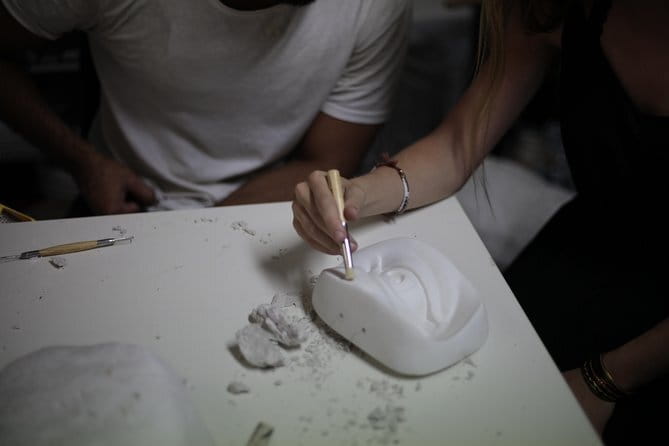
Florence has a way of making art feel personal. This hands-on Michelangelo’s David workshop turns you into a sculptor for about two hours.
You’ll work in the studio of Octavio Palomino, using the lost-form technique in plaster to create a copy of an anatomical detail from the famous statue. I love that the class is built around real tools and real technique, not just watching. I also like that your finished piece can be packaged and taken away the same day. The only thing to consider is that plaster sculpting means a bit of physical work and focus, so you’ll want a moderate fitness level.
If you’re ready for a practical art experience, this is one of the best ways to understand what Michelangelo was doing. You’ll get a clear sense of how challenging it was to carve marble into something so precise, because you’ll try part of that process yourself.
Key Things That Make This David Workshop Worth It
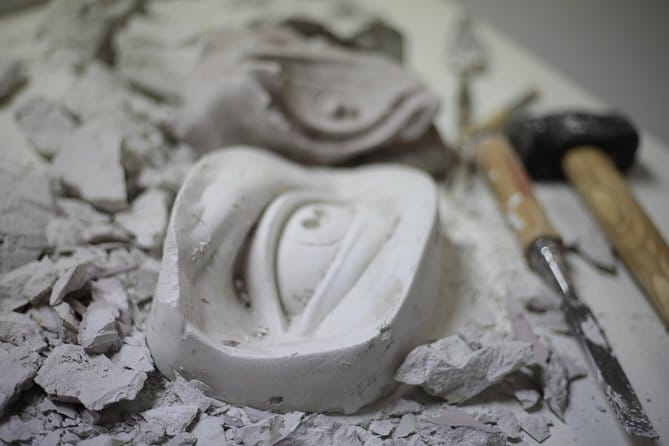
- Lost-form plaster technique focused on an anatomical detail of Michelangelo’s David
- Sculpt tools provided, so you can jump right in
- Friendly, patient instruction in the studio setting with Octavio Palomino
- Take-home souvenir, packaged at the end of the session
- Snacks and soda/pop included, for an easy, no-stress break during the workshop
Before you close the tab, compare these Florence options on the same shortlist.
- Florence: Skip-The-Line Uffizi Gallery Timed Entry Ticket★ 4.5 · 27,832 reviews
- Tuscany Day Trip from Florence: Siena, San Gimignano, Pisa and Lunch at a Winery★ 5.0 · 21,634 reviews
- Florence: Timed Entrance Ticket to Michelangelo’s David★ 4.6 · 16,983 reviews
- Florence: Michelangelo’s David Skip-the-Line Entry Ticket★ 4.5 · 12,764 reviews
Michelangelo’s David, But You Actually Make It
Florence does statues well. But most encounters with Michelangelo stay at arm’s length. This workshop brings you closer, by recreating a small piece of the David idea in plaster, then giving you the tools and instruction to shape it.
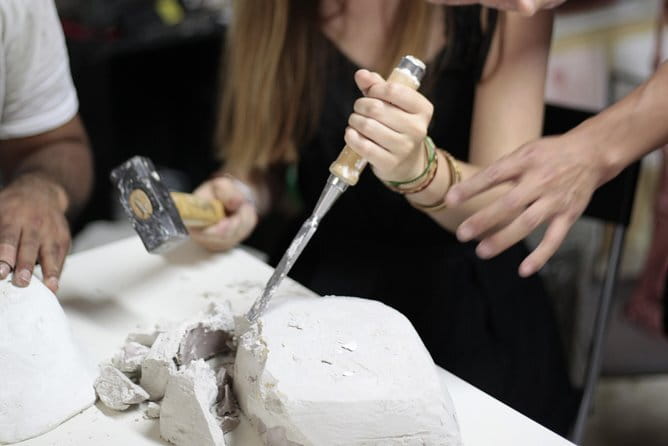
The heart of the experience is simple: you sculpt your own plaster detail using a mallet and chisel. That physical contact changes everything. When you’re cutting and shaping, you start noticing how form is built, how small decisions affect the final look, and how much patience matters. One review specifically points out how hard Michelangelo’s work was, and that lesson lands fast when you’re the one making an eye in plaster and realizing how much a full marble statue demands.
Where You Go in Florence (And Why Location Matters)
You meet at Via Coluccio Salutati, 3r, 50126 Firenze FI, Italy. The activity ends back at the meeting point, so you’re not left scrambling across the city after tools and plaster.
This location is described as near public transportation, which matters in Florence where walking is often the default but not always convenient. It’s also a private format, so you’re not trying to synchronize with a big group while you’re focused on your hands-on project.
If you’re planning your day around this, I suggest treating it like a real appointment. Give it enough breathing room before and after so you can arrive calmly, settle in, and still enjoy the rest of Florence without rushing.
The Studio Experience With Octavio Palomino: What Your Workshop Is Like
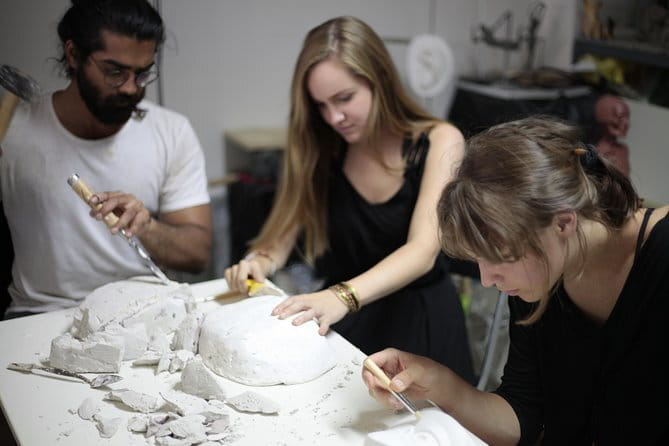
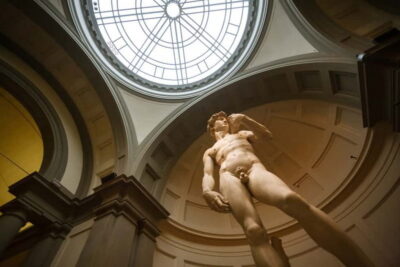
This is held in the artistic studio of Octavio Palomino. The workshop uses the lost-form technique in plaster, designed to produce a copy of an anatomical detail of Michelangelo’s David.
That means you’re not just sculpting from nothing. You’re working within a method that connects to how old master practices think about form. In the reviews, this comes through as both educational and fun. People call out the instructor and the hosts as exceptionally welcoming and patient, and that matters, especially if you’re not used to using tools.
One thing I appreciate about this kind of studio session is the pace. A private group setup usually keeps attention where it should be, on your hands and your questions, not on keeping a schedule for a crowd.
How the Lost-Form Technique Fits Michelangelo’s World

You’ll see the lost-form method applied to plaster to create an anatomical detail. Even without getting overly technical, the value is clear: it shows how artists translate an ideal into a physical object.
In practice, that typically means the studio guides you through shaping and producing a form that behaves like a sculptural reference. The result is that you can make something that looks like a specific slice of the David, rather than a generic chunk of plaster. That detail focus is why the souvenir feels meaningful.
If you’re the kind of person who enjoys process, not just outcomes, you’ll probably get a lot out of the technique. And based on the feedback, the teaching style is key. People mention learning how hard the work is, and how marble carving differs from what they expected.
Sculpting With Mallet and Chisel: The Real Skill You Learn
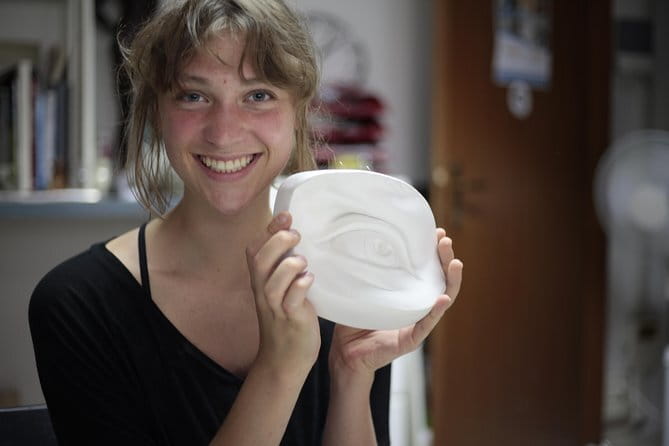
This part is the main event. You’ll sculpt your own plaster sculpture with a mallet and chisel. That’s not passive art. It’s controlled force and careful shaping.
Here’s what you can realistically expect to feel while doing it:
- You’ll start with rough intent and quickly learn how fast plaster responds.
- You’ll need to slow down for accuracy, especially around small features like an eye.
- You’ll likely adjust your approach as you go, because the material tells you the truth immediately.
One review highlights that they made an eye of plaster and gained insight into how Michelangelo made the whole sculpture out of marble. That takeaway is exactly what tool-based workshops do well. They compress years of art history into a couple of intense hours of hands-on effort.
Don’t worry if you’re not an artist. The reviews point to patience from the instructors, and the format is built so you can leave with something tangible you made yourself.



Tools, Snacks, and Small Breaks That Keep It Comfortable

Included in the price are sculpture tools, soda/pop, and snacks. Those small perks might not sound dramatic, but they matter more than you’d think.
A two-hour workshop can feel like a mini sprint if you’re hungry or thirsty. With snacks and soda/pop provided, you can focus on sculpting instead of planning a stop mid-session. This is also a nice way to reduce friction if you’re already busy touring museums and churches that day.
It also supports the studio vibe. People often enjoy studio experiences more when the host team makes it feel like a friendly work session rather than a formal class.
Your Take-Home Piece: The Souvenir That Doesn’t Sit in a Drawer
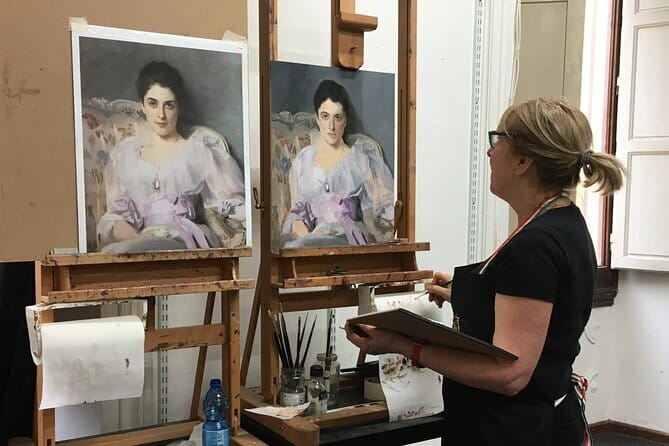
One of the biggest practical wins here is what happens after you finish. The sculpture can be packaged and taken away directly by guests, so you leave with a physical memory from Florence.
And there’s an important note: shipping cost is not included. That tells you two things. First, the normal expectation is that you take it with you. Second, if you’re thinking about sending it instead of carrying it, you’ll need to handle that separately.
If you’re visiting from somewhere far away, plan how you’ll transport the packaged piece. Most people can manage this with a careful carry and basic packing, but it’s smart to think ahead, especially if you also plan to buy other souvenirs.
Duration and Private Group Style: Why Two Hours Works
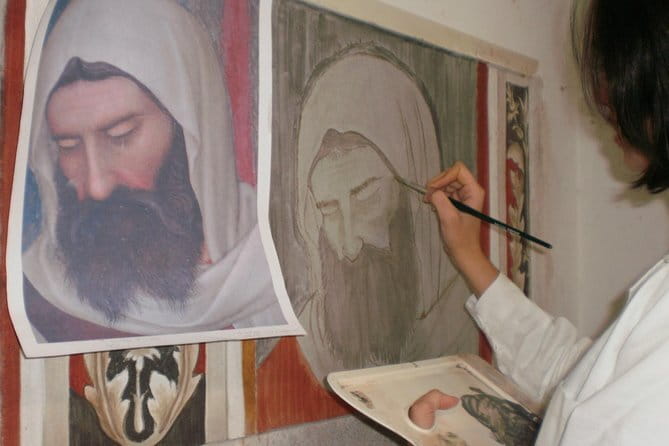
The workshop lasts about two hours. That’s a sweet spot. Long enough for instruction, tool use, and an actual take-home result. Short enough that it doesn’t hijack your whole day.
Also, it’s private. Only your group will participate. In other words, you’re not competing for attention in a crowded room. For a hands-on activity, private time can be the difference between feeling lost and feeling guided.
If you’re traveling as a couple, with a small group, or even solo, this format tends to feel more personal. It also pairs well with other Florence plans because you don’t need to build your schedule around a half-day commitment.
Price and Value: Is $240.05 Per Person Fair?
At $240.05 per person for a private, hands-on studio session, this is not the cheapest activity in Florence. But it’s also not in the category of vague sightseeing.
The value case is pretty strong when you break it down:
- You’re paying for instruction and tools, not just admission.
- You’re making a real plaster sculpture tied to Michelangelo’s David, and you take it home.
- Refreshments like snacks and soda/pop are included.
- The experience is conducted in the studio of Octavio Palomino, which helps it feel like an authentic craft setting rather than a cookie-cutter performance.
Another factor: it’s booked on average 16 days in advance. That suggests demand stays steady, and you might want to lock your date sooner rather than later, especially if your schedule is tight.
If you like hands-on learning, sculpting, or even just the idea of understanding marble difficulty through your own attempt, this price starts to look reasonable. If you only want photos and facts from a distance, you’ll likely feel better about spending less on a standard guided tour.
Who This Workshop Is Best For (And Who Might Skip It)
This activity is best for people who want a hands-on art connection in Florence. You’ll probably enjoy it if you:
- like making things with your hands
- want a closer understanding of Michelangelo’s craftsmanship
- enjoy guided studio instruction and a calmer pace than big tours
It also calls for moderate physical fitness. That doesn’t mean you need to be an athlete, but you should be comfortable standing and using tools with some effort. If you have mobility limitations, you might want to think twice, since sculpting with mallet and chisel is inherently physical.
If you’re traveling with kids, this could be hit-or-miss depending on age and tolerance for tool use, but the tour description only says moderate fitness, not minimum ages. So you’ll need to judge based on your group.
Practical Tips to Get the Most From Your Two Hours
I’ll keep these grounded in what the workshop actually is: plaster sculpting with tools, in a studio setting, for a take-home piece.
- Plan to arrive ready to work. Don’t schedule your workshop right after an exhausting museum sprint.
- Wear clothes you don’t mind getting marked. Plaster activities can be messy in small ways, even with careful handling.
- Take your time with details. The anatomical focus, like an eye, is where you learn the most and where the finished souvenir looks best.
- Think about how you’ll carry the package home. You’ll want an easy way to keep it secure while walking or using transportation.
- Use the private setting to ask questions. If something doesn’t make sense about the technique or why the form works, this is the moment to get clarity.
The overall feel from the studio and the teaching style comes through clearly: people leave happy because they were guided patiently and treated warmly.
Should You Book Sculpt Like Michelangelo in Florence?
Yes, if you want a Florence art experience that does more than show you something. This workshop is a rare blend of craft, technique, and a meaningful take-home result. The strongest selling points are the hands-on plaster sculpting and the friendly, patient instruction from Octavio Palomino and the studio team.
I would skip it if you:
- want a purely observational tour with minimal physical work
- dislike structured activities where you must use tools
- are looking for the lowest-cost option in Florence
If you’re on the fence, here’s the simplest decision rule: if you’d rather try the work than just read about it, you’ll likely feel that this was worth it the moment you shape your own David detail.
FAQ
How long is the Sculpt like Michelangelo workshop?
It lasts about 2 hours.
Where does the workshop start in Florence?
The meeting point is Via Coluccio Salutati, 3r, 50126 Firenze FI, Italy.
Is the workshop private?
Yes. It is a private tour or activity, and only your group participates.
What language is the workshop offered in?
It is offered in English.
What do I get included in the price?
Sculpture tools, soda/pop, and snacks are included.
Can I take my sculpture home?
Yes. Your sculpture can be packaged and taken away directly by guests.
Is shipping included if I want it sent instead?
No. Shipping cost is not included.
What physical level do I need?
Travelers should have a moderate physical fitness level.
Is there a mobile ticket?
Yes. It includes a mobile ticket.
What is the cancellation policy?
Free cancellation is available up to 24 hours in advance of the experience start time for a full refund. If you cancel less than 24 hours before, the amount paid is not refunded.
Every Florence review, in one place
- Tuscany Day Trip from Florence: Siena, San Gimignano, Pisa and Lunch at a Winery
★ 5.0 · 21,634 reviews - The Best tour in Florence: Renaissance & Medici Tales – guided by a STORYTELLER
★ 5.0 · 12,316 reviews



Florence picks that sit just beyond this itinerary
- Florence: Duomo Complex Private Guided Tour & Optional Dome Climb
★ 5.0 · 4 reviews - Private Tour of Florence Cathedral, Bell Tower & Baptistery
★ 5.0 · 4 reviews - Michelangelo’s David Tour in the Accademia (Tickets NOT included)
★ 4.0 · 4 reviews - Exclusive Pisa Tour from Florence: With Skip-the-Line Access
★ 4.0 · 4 reviews - Full-Day Tour of Tuscany from Florence-small group up 8 pax
★ 4.5 · 4 reviews - Florence: Inferno Private Walking Tour
★ 5.0 · 4 reviews