
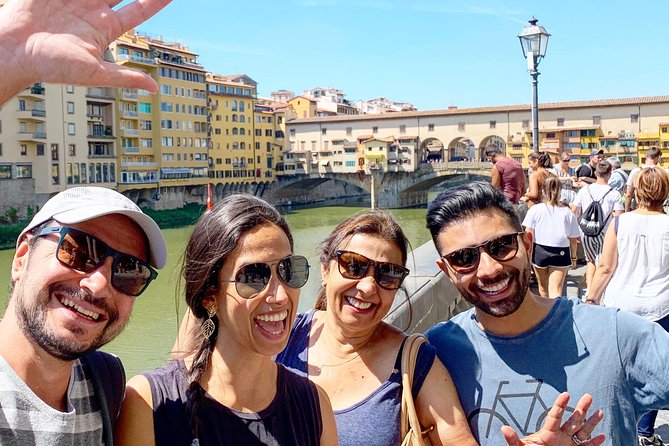
Florence field review · MEDICI FLORENCE & RENAISSANCE STORIES
The Best tour in Florence: Renaissance & Medici Tales – guided by a STORYTELLER
Florence history moves fast on this walk. A storyteller-led route threads Medici power through iconic squares and churches, with guides like Michele and Riccardo turning street corners into scenes.
I love the short, attraction-packed format and the way the guide keeps the focus on Florence’s big story, not random facts. I also like the small-group feel (up to 30), which makes it easier to ask questions instead of just listening.
One thing to watch: admission tickets are not included, so plan for extra entry costs at the stops that require them.
Key highlights to look for
- Medici-first storytelling that helps you connect the dots between churches, palaces, and the city’s politics
- A fast orientation through major squares, so you know where you are and why it matters
- Small-group energy with a licensed guide and time for explanations at each stop
- Free outdoor moments at Dante’s neighborhood and Ponte Vecchio, no ticket needed
- Flexible finishing point feel, ending near Ponte Vecchio while still aligning with the Uffizi area
More Medici stories behind the palaces, paintings and city streets
- The Best tour in Florence: Renaissance & Medici Tales – guided by a STORYTELLER★ 5.0 · 12,316 reviews
- The Best Tour in Florence: Renaissance and Medici Tales★ 5.0 · 10,810 reviews
- Florence: Renaissance and Medici Tales Guided Walking Tour★ 4.8 · 1,549 reviews
- Florence: Mysteries of the Medici Guided Walking Tour★ 4.4 · 940 reviews
Florence in 2 hours 15, why this “tales” tour works
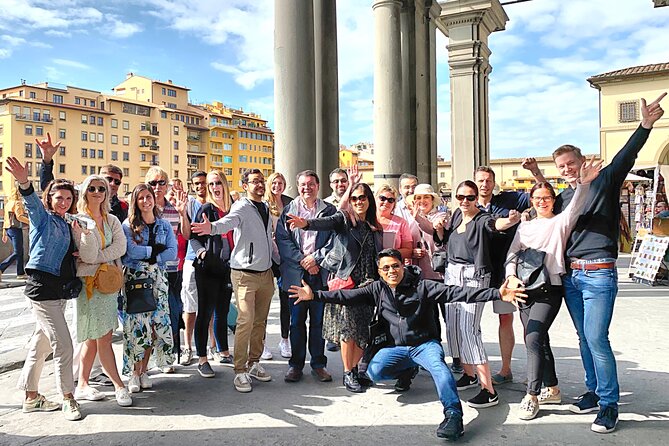
This tour is built for the real problem in Florence: you can see a lot, but without context it all starts to blur. Here, the guide gives you a storyline you can carry from one landmark to the next. That turns a walk through famous places into a map of meaning.
I like that the pace is brisk but not frantic. You get short, focused stops with explanations, then you move on while it is still fresh in your head. If it is your first trip, this can help you plan the rest of your days with more confidence.
One practical bonus is the structure. You pass the core locations people come to see, so you end up with a “mental route” even if you later take your own detours. And because the group stays capped at 30, it feels more human than those huge, noisy departures.
Starting at San Lorenzo: how you get your bearings fast
You begin at Piazza di San Lorenzo, right in the thick of Florence’s Renaissance center. The first stop is Basilica di San Lorenzo, where the guide sets the stage with context before you start stacking images in your mind.
San Lorenzo matters because it is tied to the city’s patronage and power, and the Medici story runs through that theme. Even if you do not go deep inside during this stop, the explanation helps you understand why this area keeps showing up in Florence’s public story.
Timing is about right too. You get around 20 minutes at this first location, which is long enough to grasp the why, and short enough not to drag. For first-timers, this is a smart way to start: you learn the “rules” of the city early.
Basilica di San Lorenzo: the Medici connection in plain language
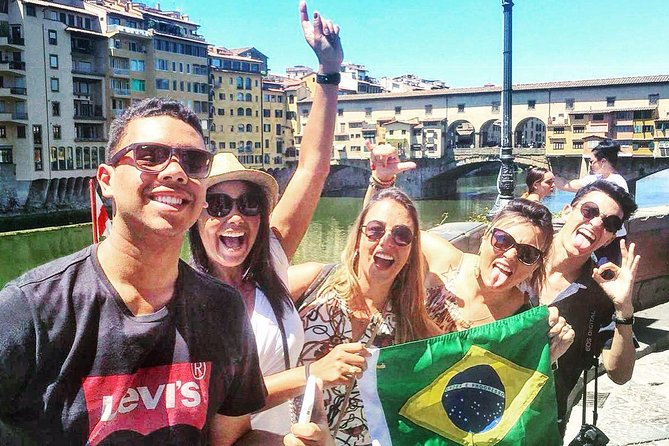
At San Lorenzo, you are not being asked to memorize dates. The guide’s job is to make relationships clear, between families, religious institutions, and political influence. That is exactly what you want when you are walking around Florence for the first time and trying to make sense of how art, money, and authority connect.
A key consideration is that admission tickets are not included here. So you should treat this as an exterior and orientation experience unless you decide to add entry on your own later. If you prefer a strictly museum-style tour, this might feel lighter than you hoped.
Still, the payoff is that you leave this first stop knowing what to look for when you pass similar buildings later. In Florence, that can save you time, because you stop wondering what you are looking at and start noticing what is significant.
Palazzo Medici Riccardi: where power gets personal
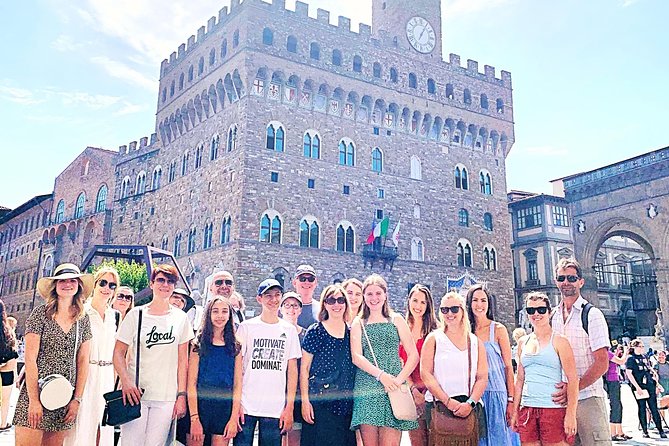
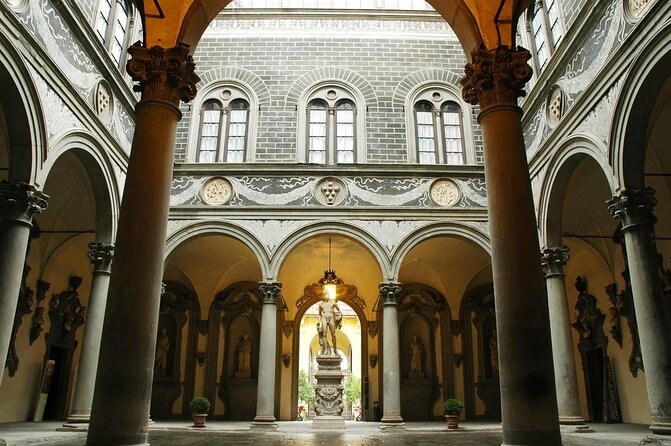
Next you head to Palazzo Medici Riccardi, again with a guided explanation time of about 20 minutes and tickets not included. This is the kind of building that looks impressive even when you only glance at it. But the real benefit here is understanding why the Medici mattered and how that showed up in the city’s face.
I especially like this stop because it connects architecture to people. You start seeing the Medici not as a name in a textbook, but as a force that shaped what got built and why. The guide’s storytelling style is what makes this click, and many guests have singled out Michele and Riccardo for exactly that talent.
This is also where the tour can help returning visitors. If you have already seen Florence’s big masterpieces, you can still get new context about the political engine behind them.
Piazza Del Duomo: turning a viewpoint into a storyline
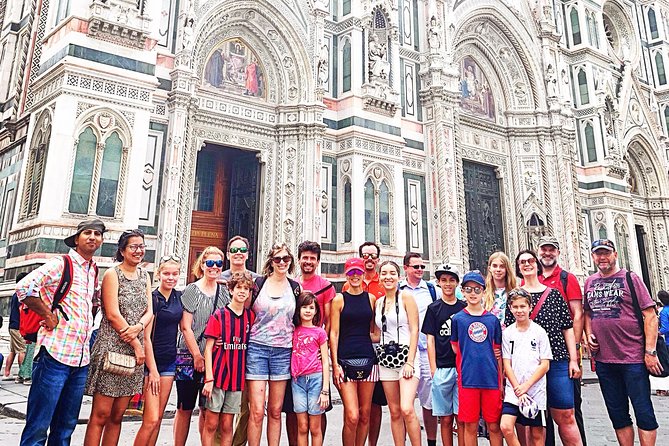
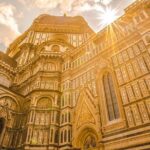
After the Medici sites, you shift to Piazza Del Duomo for another guided orientation moment, about 20 minutes. This is not just a scenic stop. The guide uses the square to explain connections between the church world, civic space, and Renaissance ambition.
Why this matters for you is simple. Florence’s center is full of breathtaking scenes, but you often do not know what you are seeing first. When the guide anchors the square to the bigger Renaissance story, your pictures and memories come with meaning.
Since admission is not included for the time in the square, think of this as a standing, looking, learning stop. You get the big geometry of the area, then you keep moving.
When a guide is worth having beside you in Florence
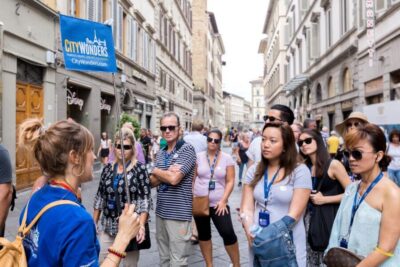
Museum Casa di Dante (outdoors): a short stop with big energy
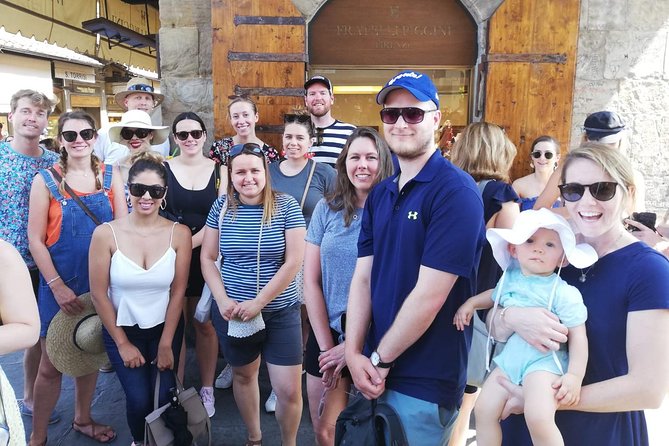
You then head toward the Dante neighborhood for about 5 minutes at Museo Casa di Dante, and this part is listed as free with the focus outdoors. It is a quick moment, but Dante is a major thread in Florence’s cultural identity, so even a short stop can create a nice emotional contrast to the Medici politics.
Because it is outdoor, you do not need to worry about tickets for this specific segment. Also, short outdoor stops are great when the rest of the day includes longer museum visits. You keep walking, your legs stay busy, and your mind gets a new angle.
Piazza della Repubblica and Piazza della Signoria: the Florence you recognize
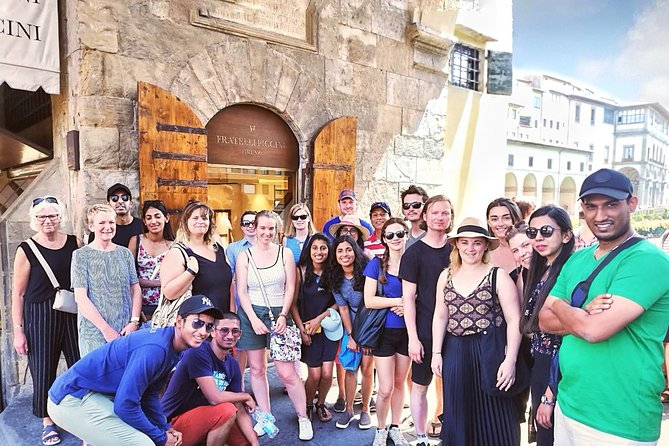
Two of the most satisfying parts of this walk come through the main squares.
At Piazza Della Repubblica, you get about 20 minutes with guided explanation. This is where you feel the city’s layered identity, not just the Renaissance. The guide ties public space to power and reputation, helping you understand how Florence functioned as a stage.
Then comes Piazza della Signoria, another 20 minutes. This is a headline square in Florence, and the storytelling keeps it from becoming just a photo opportunity. You come away with a clearer sense of how art, symbolism, and civic pride all speak the same language here.
One practical tip: wear shoes that can handle uneven stones and lots of standing. Squares look easy on a map, but you will spend meaningful time on your feet during this 2 hours 15 minutes.
The in-between outdoor stretch and the final look toward Ponte Vecchio
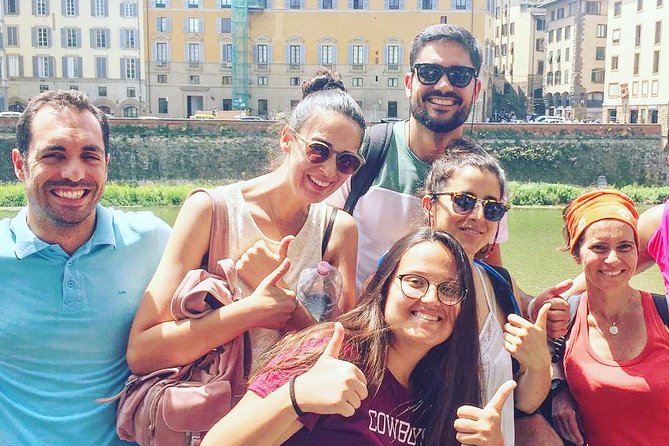
Between the big squares, there is a short outdoors segment with guided explanation. The point is to keep the flow so you do not feel like you are jumping across unrelated spots.
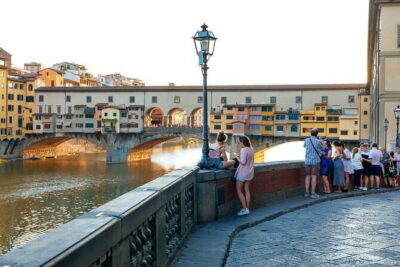
Then you finish with Ponte Vecchio, about 10 minutes, and this part is free. This ending is popular because Ponte Vecchio works as a symbol. You can feel why it became a lasting icon, even if you are not spending time inside a formal museum.
The tour is also described as ending by looking at Ponte Vecchio, and the end location aligns with the Uffizi Galleries area. Translation: you finish near the river corridor and the south-central sightseeing loop, which makes it easier to keep exploring right after.
Price and value: what you actually spend
The listed price is $3.62 per person, and that can look almost unreal for a licensed, English-speaking guide. The important value lesson is not just the base price. It is what you get for it, plus what you should budget on top.
First, admission tickets are not included at several stops. The tour does include some free pieces, like the Dante neighborhood outdoors and Ponte Vecchio. But the big landmark locations are set up as guided explanations without bundled entry.
Second, tips are separate. The guidance is pay what you want to reward the guide, with some people tipping from 10 euros to 50. If you want to keep it simple, plan to tip like you would at a good restaurant with service. It is a concrete way to support storytelling guides who do real work.
A note from a guest that you should take seriously: one person mentioned an additional 20 euros per person for entry tickets not included. That does not mean every departure will cost the same, but it does mean you should not assume the tour is ticket-free in practice.
For me, the value is strongest if you want context and orientation more than a full museum deep dive. If you want every interior, you may end up paying more anyway, so go in with eyes open.
What the guided style feels like in practice
This is a storytelling tour, and that word matters. Florence is full of art history facts, but facts alone do not stick. The guides are praised for linking local knowledge to Renaissance drama, which is why the tour format works so well in a short time.
You can see that pattern in the guide names guests praised: Manuel for accurate information and nice story delivery, Mikaele and Michele for engagement and “orator” energy, Glenda for humor and connecting history to local advice, and Chiara and Angela for making the city understandable through story.
It is also worth noting a common theme in the best feedback: the route feels like it helps you walk with purpose. One guest described the guide as helping them understand direction and the meaning behind why key places mattered in the Renaissance. That is exactly the kind of “usable knowledge” that makes the rest of your trip easier.
Who should book this tour (and who might want a different one)
This tour is a great match if you fall into one of these buckets:
- You have limited time in Florence and want the big highlights in one walk
- You want a first-time orientation with Medici context so you can explore smarter later
- You prefer stories and connections over reading walls of text
It may be less ideal if you want a heavy museum experience. Some stops are ticketed and not included, and the time in the city is split across several squares. So you might feel like you are watching more than entering.
Also, one review comment pointed out that the tour can skew strongly toward Medici influence. Another suggested that some people wanted even more Medici detail. So if your top goal is Medici families in maximum depth, consider pairing this with a more specialized follow-up.
Logistics that matter: small group, English, and mobile ticket
The tour runs in English and caps at a maximum of 30 travelers. That matters more than it sounds, because Florence walking routes can turn chaotic fast. Smaller groups keep the guide audible and make it easier to stay together at street crossings.
You receive confirmation at booking time, and you get a mobile ticket. That is a practical modern touch, especially if you are traveling with multiple bookings.
It is also near public transportation, which helps if you are starting the day in a different neighborhood. And service animals are allowed.
The tour requires good weather. Florence in poor weather is still beautiful, but a walking schedule gets harder. If it is rainy, you should expect a different date or a full refund.
How to get the most out of it on your day
If you want this tour to pay off immediately, do two small things.
First, arrive a few minutes early at the start near Piazza di San Lorenzo. Some check-in comments have described it as chaotic at times, and the simplest fix is extra time and a calm head. Second, keep your phone handy for messages tied to the meeting point. One guest praised WhatsApp communication, which suggests the guide may confirm details that day.
What to wear and carry matters too. You will be standing and walking through multiple squares and landmarks. Comfortable shoes and a light layer help. If you plan to visit any ticketed sites after, carry cash and a small card option for any last-minute additions, especially since some entry costs might land separately.
Finally, use the tour as your planning tool. After the story walk, pick one or two places you now care about and go deeper on your own. That way you get both the big picture and the detailed experience.
Should you book Renaissance and Medici Tales in Florence?
I think you should book this if your goal is smart orientation and clear Medici context in a short amount of time. The best reviews focus on the storyteller approach, the way the guide links landmarks together, and the fact that the walk helps you understand Florence instead of just ticking boxes.
Book it especially if you are balancing other plans, like museums or a day trip. This walk helps you stop guessing where things fit. You leave with a route, a story, and a better sense of what to prioritize next.
Skip it only if you want a full, ticket-heavy museum marathon. With admissions not included for several stops, you may end up paying extra anyway and doing more later. In that case, a more museum-centered tour could suit you better.
If you are the type who likes your Florence with a narrative, this one is hard to beat.
More Florence tours to open next

Every Florence review, in one place
- Tuscany Day Trip from Florence: Siena, San Gimignano, Pisa and Lunch at a Winery
★ 5.0 · 21,634 reviews

The Medici thread through Florence


Florence picks that sit just beyond this itinerary
- One Hour Uffizi Guided Tour: Masterpieces of the Renaissance
★ 5.0 · 3 reviews - Sightseeing Tuscany by touring bike – 1 day rental
★ 5.0 · 3 reviews - Private Siena, S. Gimignano, Chianti Road and Wine Tasting
★ 5.0 · 3 reviews - Bargello Museum Private Tour: Michelangelo’s Bacchus & Donatello’s David
★ 5.0 · 3 reviews - Authentic Florence Cooking Class at Costanza’s 1839 Family Estate
★ 5.0 · 3 reviews - San Gimignano and Volterra private tour: etruscans, romans and middle age jewels
★ 5.0 · 3 reviews
More Medici Florence & Renaissance Stories worth comparing.
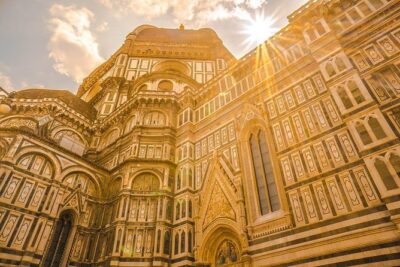 ★ 5.0The Best Tour in Florence: Renaissance and Medici TalesFrom $310,810 reviews
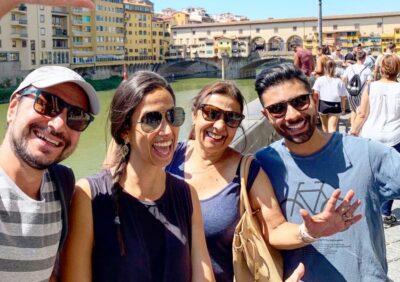 ★ 4.8Renaissance and Medici Tales Guided Walking TourFrom $21,549 reviews
 ★ 4.4Mysteries of the Medici Guided Walking TourFrom $31940 reviews
 ★ 4.0Accademia Gallery: Michelangelo’s David and High Renaissance ArtFrom $43872 reviews
 ★ 4.7Guided Tour of Medici Family Secrets and ChapelsFrom $93512 reviews
 ★ 5.0Florence Private Tour: Renaissance, Famous Families & Hidden GemsFrom $199233 reviews
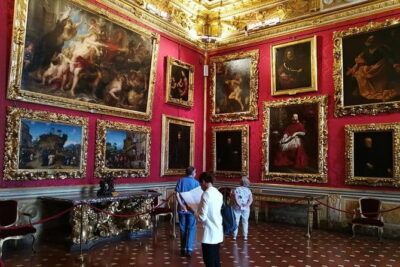 ★ 4.5Pitti Palace, Palatina Gallery and the Medici: Arts and Power in Florence.From $82223 reviews
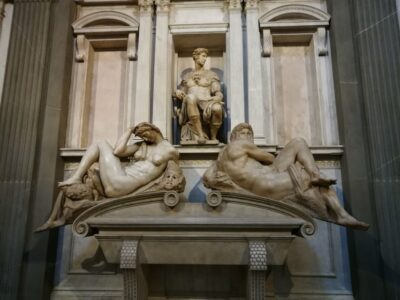 ★ 4.8Medici Chapels Guided TourFrom $50217 reviews
Find this experience in another shortlist