
Florence field review · FLORENCE PASTA, PIZZA & GELATO CLASSES
Typical Dining & Cooking Demo at Local’s Home in Florence
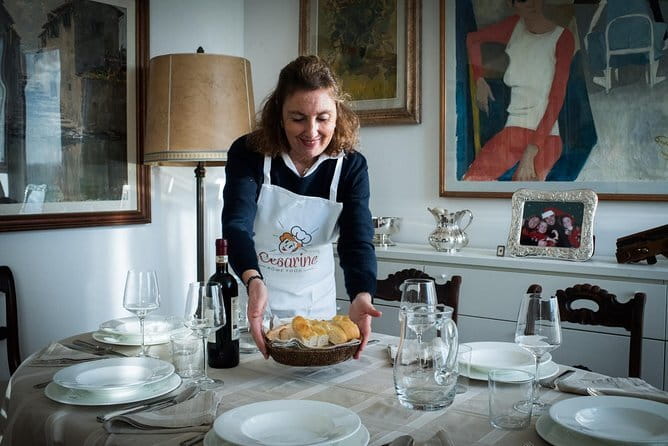
Dinner at home beats the usual Florence tour. This Cesarine cooking demo pairs a local chef’s show cooking with a 4-course Florentine meal plus wine, in a small group setting that feels personal from the first hello.
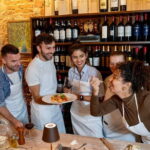
I really like that you are not just eating, you are learning the logic behind Florentine favorites, the kind you typically see in family cookbooks. In one shared dining experience, hosts like Paola and Massimo made the conversation feel easy and welcoming, not stiff or staged.
One consideration: this happens in a real home, so plan for a more personal, follow-the-rules kind of setting. The experience emphasizes safety practices like staying 1 meter apart, and using masks and gloves if that distance cannot be maintained.
Key things to know before you go
- Small group size (max 12): more face time with your host and fewer people for the table to juggle
- A 4-course meal with wine: starter, two main courses, dessert, plus wine to go with it
- Show cooking format: you learn as the food comes together, then you taste what you are watching
- Real Florentine dishes: options like gnudi, pici, pappardelle, and trippa alla fiorentina
- Lunch or dinner start time: you pick what fits your day in Florence
- Cesarine safety focus: the home provides basic sanitary supplies, with distancing guidance
Roll, knead and churn through the Florence cooking-class shortlist
- Florence: Pasta Cooking Class with Unlimited Wine★ 4.9 · 10,285 reviews
- Florence Pizza or Pasta Class with Gelato Making at a Tuscan Farm★ 5.0 · 6,801 reviews
- Florence: Pasta & Tiramisu Cooking Class with Unlimited Wine★ 4.9 · 6,708 reviews
- Florence: Pasta Cooking Class with Unlimited Wine★ 5.0 · 6,413 reviews
What makes a Cesarine home dinner feel different in Florence
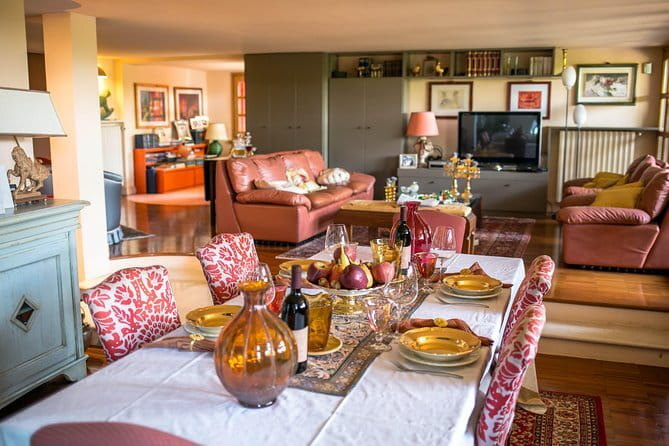
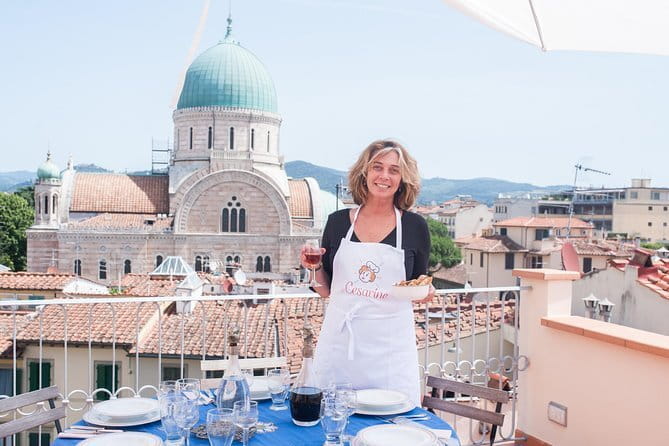
Florence has plenty of food tours. This one works because it shifts the center of gravity from sightseeing to sitting down like you belong at the table. You meet in Florence, then you spend about 2 hours 30 minutes in a local’s home for a show cooking experience and a full meal.
The big word here is Cesarine. These are Italian home hosts, not professional stage chefs. That matters because the cooking talk tends to be about how the recipe is done at home, why certain ingredients show up again and again, and how people keep those family traditions going.
What I like most is the blend of food and people. You get a proper meal with wine, but you also get conversation, and the chance to connect with the local host rather than treating dinner like a ticketed checklist.
The 2.5 hour flow: welcome, show cooking, and a full table meal
While the exact schedule can vary by the host and whether you start with lunch or dinner, the structure stays consistent. You should expect a smooth arc: meet, settle in, watch the cooking, taste in courses, and finish with dessert.
Here is what the experience typically includes, in plain terms:
First course: a seasonal starter
You start with something tied to what is available at that time of year. Seasonal starters are often where you notice the difference between restaurant consistency and home cooking instincts.
Main course: a Florentine-style pasta option
You might be served gnudi, pici, pappardelle, or potato tortelli. This is a good moment to pay attention to how the dish is built, even if you are mostly watching and eating. Each of these has a different texture and sauce expectation, and your host can explain what they aim for.
Second course: trippa alla fiorentina con fagioli all’olio
This is where the meal leans into true Florentine comfort food. If you have never had tripe before, it can be a learning moment. If you have, you will likely appreciate how it is handled in a local home style.
Dessert plus wine
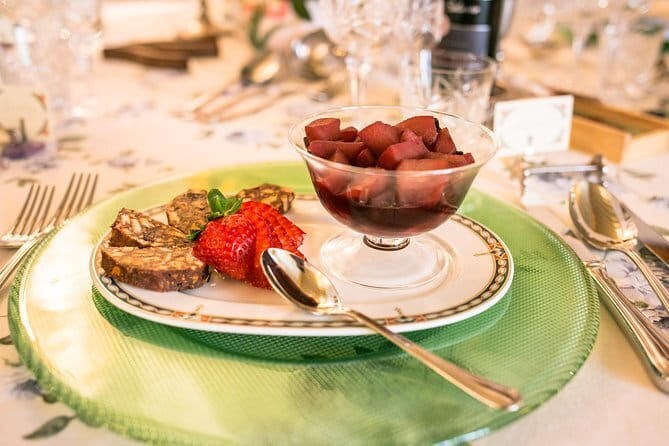
Desserts may include cantucci, castagnaccio, panpepato, tiramisu, or something similar. This is also where the meal ends on a sweet note, and the wine pairing helps keep things relaxed.
If you are the type who enjoys watching food come together in a calm kitchen setting, this format fits. If you want hands-on cooking every minute, you might find it more like learning by watching and tasting than doing every step yourself.
The Florentine menu: what you might eat and why it matters
Let’s talk specifics, because this is not generic pasta and red sauce. The sample menu points to dishes that are commonly linked with Florence and Tuscany cooking traditions.
Starter: seasonal and home-style
A seasonal starter is usually about keeping things simple and ingredient-led. You are likely to get something that reflects what your host considers best right now, not what is easiest for a kitchen to mass-produce.
Main pasta choices: gnudi, pici, pappardelle, or potato tortelli
Each option has its own personality:
- Gnudi: often described as ricotta dumplings, lighter and more delicate than typical pasta forms
- Pici: a thick, hand-rolled pasta that pairs well with hearty sauces
- Pappardelle: wide ribbons, great for richer ragù-style flavors
- Potato tortelli: a comfort-food angle, with potato bringing extra softness and substance
You are not just checking a menu box. You are tasting differences between pasta styles and hearing how a local cook thinks about texture and pairing.
Florence cooking classes beyond the first bowl of pasta
Second course: trippa alla fiorentina con fagioli all’olio
This is a classic that is worth respecting. Tripe can sound intimidating, but it often lands as tender and deeply flavorful when it is prepared well. The beans and olive oil side add a comforting balance, and you get a taste of the kinds of hearty dishes that have real staying power in Florentine home kitchens.
Dessert options: cantucci, castagnaccio, panpepato, tiramisu
Expect at least one of these dessert styles:
- Cantucci: almond biscuits, often made for dunking or slow savoring
- Castagnaccio: chestnut-based cake, earthy and quietly distinctive
- Panpepato: a spiced, dense sweet that can feel more “special occasion” than everyday
- Tiramisu: the familiar option, usually still worth tasting when made at home
This menu mix also means you get more than one flavor mood in the same evening: savory depth, then something sweet with a different texture or spice profile.
Your host and your table: small group attention that feels human

The experience caps at 12 people, which changes the vibe immediately. Bigger group tours can turn into a queue, and questions get short answers. In a smaller home setting, your host can actually connect the dots, explain choices, and include you in the evening.
I also like how personal the hospitality can be. One dinner centered on hosts Paola and Massimo, and the overall feel was like visiting family without the performance layer. That is the sweet spot: you get warmth and conversation, and you still leave full and satisfied.
You should also expect that the host will guide you through the meal with practical explanations. Even if you do not speak Italian, the visuals help, and the questions you ask tend to spark better answers than you might expect.
Lunch or dinner start time: how to choose for your Florence day
You can pick a lunch or dinner start time, which is useful because it lets you fit this experience around your energy and your other plans.
A few practical rules of thumb:
- If you want this to be your main food event, choose the meal time that gives you room afterward to walk off the pasta.
- If you are doing museums earlier in the day, dinner can feel like a reward, and dessert plus wine can help you slow down.
- If you prefer a slightly lighter rhythm, lunch may keep the evening flexible.
The format lasts about 2 hours 30 minutes, so treat it as a true meal block, not a quick add-on.
Also, because wine is part of the experience, plan your transit back to your next stop with care. Since the start location is near public transportation, you have an easy option for getting around without stress.
Price and value: what $134.86 really buys in a Florence food experience
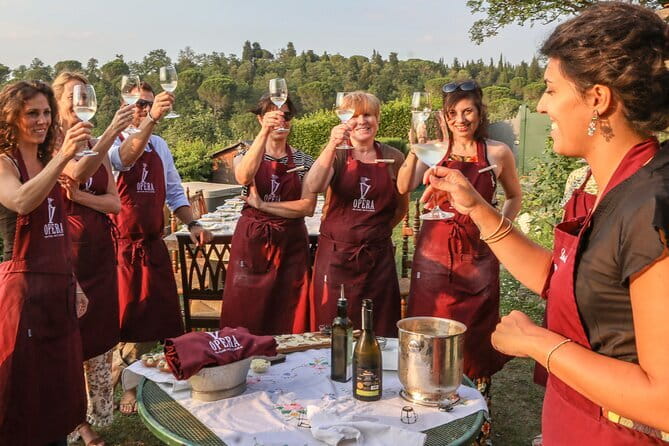
At $134.86 per person, this is not the cheapest thing you can do in Florence. But you are not paying for a single tasting. You are paying for a full 4-course meal with wine, plus the show cooking component led by a local home host.
Here is what that value adds up to:
- A complete dining experience: starter, pasta main, a second main, dessert
- Wine included: you are not separately sourcing drinks or guessing pairings
- Home setting with direct attention: with a maximum of 12 people, you get more personal interaction than typical large-group classes
- Cesarine host model: the cooking stories come from home practice, not a restaurant script
What makes it worth considering is the combination. If you only wanted food, you could find a meal in a trattoria for less. If you only wanted cooking lessons, you might find tastier, more hands-on options elsewhere. Here, you get both in one tidy block, with a setting that feels authentic rather than industrial.
Booking tends to happen about 40 days in advance on average, so if you know your travel dates, it is smart to lock it in early.
Where you meet and what to bring (simple and practical)
The experience starts in Florence and ends back at the meeting point. The start point is near public transportation, so you can plan without relying on taxis.
You get a mobile ticket, and you receive confirmation at booking. The tour runs in English, which helps if your Italian is more “survival level.”
What to bring is simple:
- Wear comfortable clothes. A home dinner is more relaxed than a formal restaurant.
- Bring a curious mindset. The best part of this kind of meal is asking about ingredients and techniques.
- If you are sensitive to masks or distancing rules, note that the hosts emphasize safety practices like maintaining 1 meter distance and using masks and gloves if that distance cannot be kept.
Also, the experience notes that most people can participate. If you have major dietary restrictions, that is not spelled out in the information you were given, so it is worth checking with the operator before you book.
Hygiene and comfort in a real home kitchen
The homes provide essential sanitary equipment for guests, including paper towels for washing hands and hand sanitizing gel. The guidance also includes maintaining 1 meter distance when possible. If you cannot maintain that distance, the experience asks you to wear masks and gloves.
This is the sort of detail that can make or break a dining experience right now. The good news is that the setup is not asking you to bring everything yourself. You should still come prepared to follow directions from your host, since this is their home and they set the rules.
Who should book this Florence cooking demo?
This is a great fit if you want:
- a real Florentine meal in a local home rather than a generic cooking class
- a small-group experience where you can talk with the host
- the full rhythm of dinner, not just a quick tasting
- a combination of food and learning that stays friendly and unhurried
It may be less ideal if you are looking for a high-energy, city-walking food day. This is a sit-down, slow-burn evening. It is also best for people comfortable with home-kitchen dining norms and the safety guidance in place.
Should you book it?
I think you should book this if you want Florence food that feels personal, and you are willing to trade a little convenience for a much warmer setting. The small group size and the structure of a 4-course meal with wine make it good value for what you actually experience.
Skip it only if you want a purely hands-on cooking class where you do every step yourself, or if you know you will be uncomfortable following the home’s distancing and masking guidance. Otherwise, this is one of those experiences that turns a meal into a story you remember.
FAQ
How long is the Florence dining and cooking demo?
It lasts about 2 hours 30 minutes.
What is the group size for the experience?
The experience has a maximum of 12 travelers.
Is the experience offered in English?
Yes, it is offered in English.
What meal is included?
You can expect a 4-course Italian meal with dessert and wine. A sample menu includes a seasonal starter, a pasta main choice such as gnudi or pici or pappardelle or potato tortelli, a second course such as trippa alla fiorentina con fagioli all’olio, and dessert such as cantucci or castagnaccio or panpepato or tiramisu.
Can I choose between lunch and dinner?
Yes, you can choose a lunch or dinner start time.
How does the experience handle sanitary rules?
The Cesarine provide essential sanitary equipment such as paper towels and hand sanitizing gel, and they emphasize maintaining 1 meter distance. If that distance cannot be maintained, masks and gloves are requested.
What is the cancellation policy?
Free cancellation is available. You can cancel up to 24 hours in advance of the start time for a full refund. If you cancel less than 24 hours before, the amount paid is not refunded.
Flour on the Florence worktop
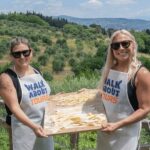
- Cooking Class and Lunch at a Tuscan Farmhouse with Local Market Tour from Florence
★ 5.0 · 4,831 reviews
Every Florence review, in one place
- Tuscany Day Trip from Florence: Siena, San Gimignano, Pisa and Lunch at a Winery
★ 5.0 · 21,634 reviews - The Best tour in Florence: Renaissance & Medici Tales – guided by a STORYTELLER
★ 5.0 · 12,316 reviews


Cook it before you order it
- Cooking Class and Lunch at a Tuscan Farmhouse with Local Market Tour from Florence
★ 5.0 · 4,831 reviews
Florence picks that sit just beyond this itinerary
- One Hour Uffizi Guided Tour: Masterpieces of the Renaissance
★ 5.0 · 3 reviews - Sightseeing Tuscany by touring bike – 1 day rental
★ 5.0 · 3 reviews - Private Siena, S. Gimignano, Chianti Road and Wine Tasting
★ 5.0 · 3 reviews - Bargello Museum Private Tour: Michelangelo’s Bacchus & Donatello’s David
★ 5.0 · 3 reviews - Authentic Florence Cooking Class at Costanza’s 1839 Family Estate
★ 5.0 · 3 reviews - San Gimignano and Volterra private tour: etruscans, romans and middle age jewels
★ 5.0 · 3 reviews
More Florence Pasta, Pizza & Gelato Classes worth comparing.
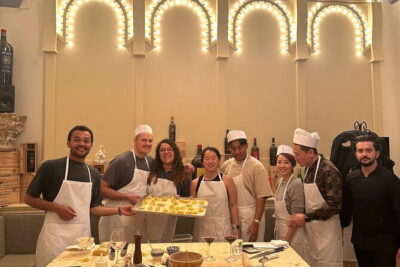 ★ 4.9Pasta Cooking Class with Unlimited WineFrom $2110,285 reviews
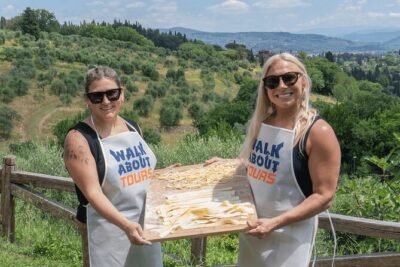 ★ 5.0Florence Pizza or Pasta Class with Gelato Making at a Tuscan FarmFrom $1456,801 reviews
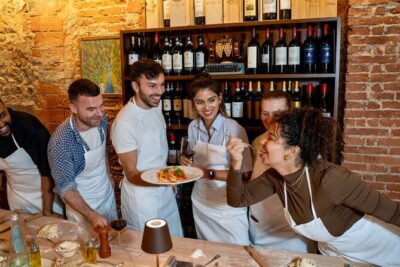 ★ 4.9Pasta & Tiramisu Cooking Class with Unlimited WineFrom $566,708 reviews
★ 5.0Pasta Cooking Class with Unlimited Wine6,413 reviews
★ 4.9Pasta & Tiramisu Cooking Class with Unlimited WineFrom $566,708 reviews
★ 5.0Pasta Cooking Class with Unlimited Wine6,413 reviews
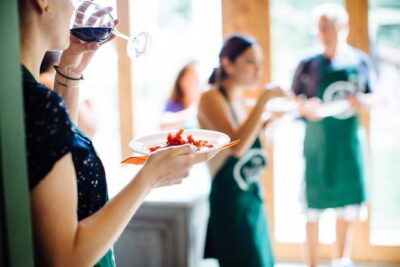 ★ 5.0Cooking Class and Lunch at a Tuscan Farmhouse with Local Market Tour from FlorenceFrom $1454,831 reviews
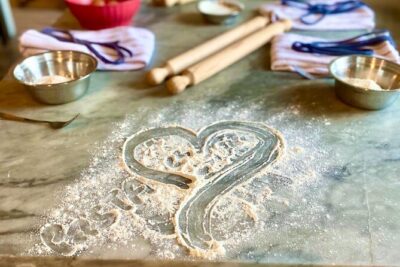 ★ 5.0Pastamania – Florence Pasta Making ClassFrom $493,050 reviews
 ★ 5.0Cooking Class Pasta & Tiramisu Making Unlimited WineFrom $892,234 reviews
 ★ 5.0Florence Cooking Class The Art of Making Gelato & Authentic PizzaFrom $642,053 reviews
Find this experience in another shortlist