
Florence field review · FLORENCE CATHEDRAL & DOME CLIMBS
Cooking Art Brunelleschi
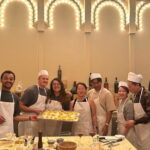
A medieval tower, fresh pasta, and Firenze in your hands. This class teaches you to make three types of fresh pasta near the Brunelleschi Dome, then you sit down to enjoy what you made with Tuscan wine. I love that it is hands-on from dough to shaping, and you also get matching sauces. A possible downside: the experience can feel crowded and warm, and in some sessions food may end up combined for the final plates.
What really makes it work is the teaching style and energy. In past groups, chefs like Jacob have guided kneading and rolling closely, while instructors such as Valentino, Lorenzo, and Arturo are known for keeping the room moving and engaged. You are also not stuck hunting for supplies, since equipment and ingredients are provided, and you eat lunch at the end.
Key highlights you will care about
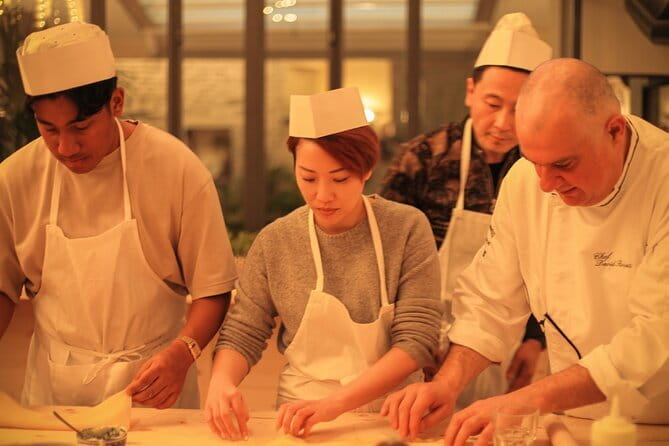
- Three fresh pastas: ravioli, tortelli (tortelli), and pappardelle, all made from scratch
- Matching sauces: butter and sage, arrabbiata, and old-fashioned Tuscan ragù
- Historic cooking room: a medieval tower from the 1200s, close to Brunelleschi’s Dome
- Wine and drinks included: Tuscan wine plus unlimited soft drinks during the experience
- All equipment included: you show up, cook, and eat, no prep shopping required
- Small-group feel within a bigger program: max 19 travelers per experience, but it can still feel busy
Other ways into the Duomo complex and up Brunelleschi’s dome
- Florence: Duomo Cathedral Guided Tour★ 3.9 · 5,970 reviews
- Florence: Brunelleschi’s Dome Climb Entry Ticket & Duomo★ 4.5 · 3,815 reviews
- Florence: Duomo Guided Tour with Optional Dome Climb Upgrade★ 4.1 · 3,706 reviews
- Florence: Dome Climb Ticket & Duomo Complex 3-Day Pass★ 4.6 · 1,848 reviews
Cooking in a 1200s tower steps from Brunelleschi Dome
The setting is part of the point. You cook inside a medieval tower from the 1200s, just a short walk from Brunelleschi’s Dome. The class description leans into the location’s connection to Dante Alighieri, saying the tower belonged to his wife’s family. Whether you chase every detail or just enjoy the atmosphere, it is a fun way to taste Florence instead of just looking at it.
This also affects the vibe of the class. Tower rooms are stone, compact, and built for old-world life, not for modern airflow. That can be cozy and memorable on a cool day, but it can also feel tight when multiple groups are running. If you are someone who gets uncomfortable in enclosed spaces, plan to dress light and expect a little heat.
Price and what you get for $39.92 in Florence
At $39.92 per person for about 3 hours, this is priced like a real experience, not just a ticket to watch someone cook. The big value is what is included:
- Lunch
- A professional chef
- Ingredients for the fresh pasta course
- Equipment
- Tuscan wine and unlimited soft drinks
For Florence, where you can easily pay more for a single meal, this is one of the cleaner deals on the “learn a skill and eat well” side of things. You are not just tasting. You are working with dough, shaping pasta, and matching sauces, then eating everything you helped make.
Two practical notes help you judge value in your head. First, this is an all-in format, so you avoid the hidden costs of buying ingredients or paying for kitchen time. Second, because drinks are included, your lunch budget stays predictable.
Getting started at Via de’ Bardi: what the first minutes feel like
Your meeting point is Via de’ Bardi, 23 r, 50100 Firenze FI, Italy, and the activity ends back at the same spot. The class is listed as near public transportation, so you will usually have an easy time getting there without a car.
From the way these classes operate, you should expect a short staging moment before the cooking begins. Sometimes you arrive a bit earlier and wait outside until the group is brought in. Once you are in, the pace tends to ramp up quickly.
The practical perk: you do not need to bring anything. Equipment and ingredients are supplied, so you can travel light and still do something hands-on.
From flour to dough: making fresh pasta the hands-on way
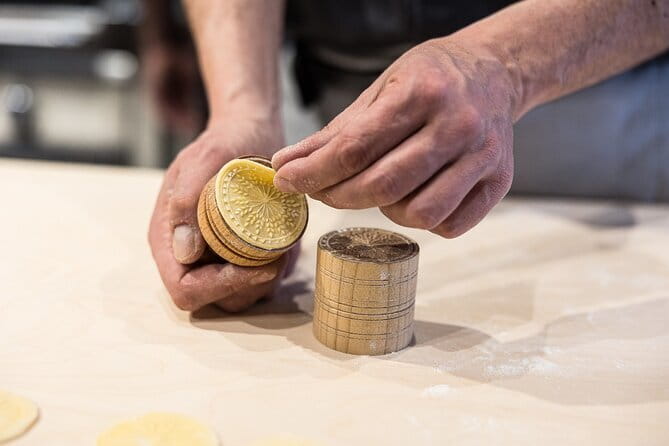
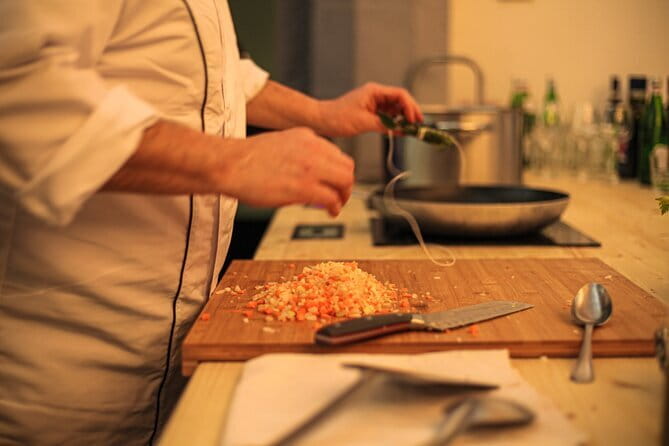
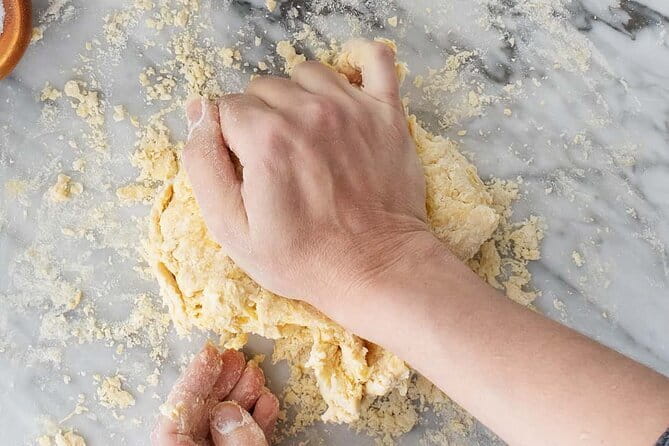
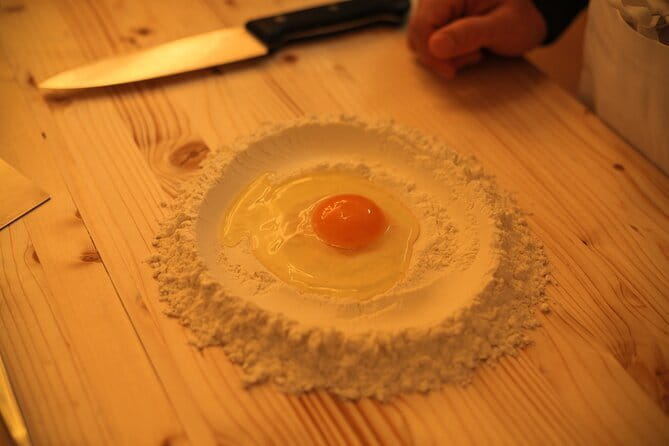
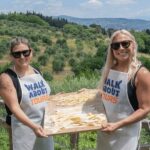
The core of the class is learning to make fresh pasta like it is done in Italian homes. You start with dough and move through the basic processes the chef explains step by step. The menu focuses on three pasta styles, and the training is designed so you learn the techniques that matter for each one.
You will make fresh pasta from scratch, including flour work and sauce planning. The class also highlights using seasonal vegetables and local products, so you are not getting a generic demo with pre-made components.
Here is what that means for you as a cook at home later. Even if your exact shapes do not look identical at first, you should come away with a feel for:
- Dough consistency (what too dry or too sticky feels like)
- How to handle the dough without tearing it
- How to roll thin enough for the pasta type you are making
- Timing so sauce and pasta do not get out of sync
In groups taught by chefs like Jacob and others, the most praised parts are the kneading and rolling guidance. That is the difference between a fun workshop and a skill builder. If you like learning by doing, this style fits.
Ravioli and tortelli focus: filling, shaping, and staying organized
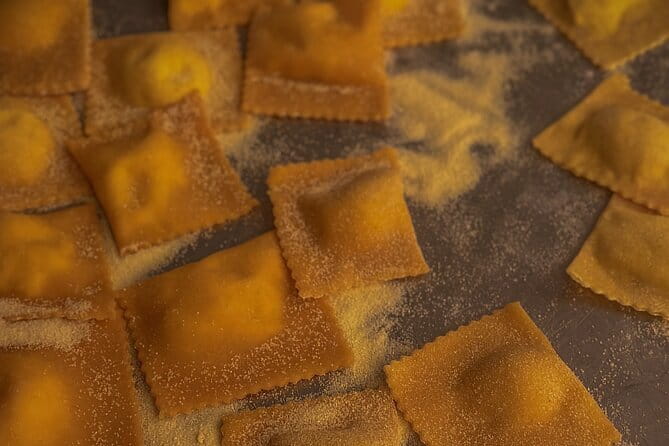
Ravioli and tortelli are built for texture and technique. In this class, you learn how to handle the dough and then shape those pieces as part of the full 3-pasta meal.
What you should expect during the shaping stage: it can feel a little rushed at first, but that is usually because everyone is working toward multiple dishes in the same session. Chefs in strong reviews keep groups moving and check in repeatedly, which matters if you are slower, new, or just want confidence before you start stuffing and sealing.
One consideration from real experiences: in some class formats, the pasta you make may be combined with others for cooking and final plating. That is not automatically bad, and in a busy kitchen it is often practical. Still, if you are sensitive to food handling details or you want a strictly one-table-only flow, it is worth knowing that your final plate might not be a 1:1 match to the exact batch you shaped.
Roll, knead and churn through the Florence cooking-class shortlist
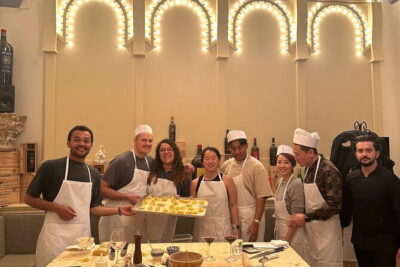
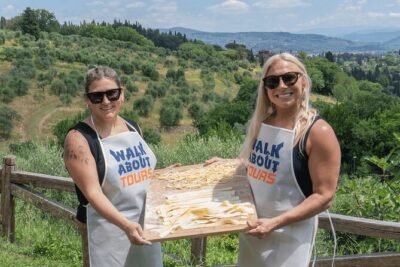
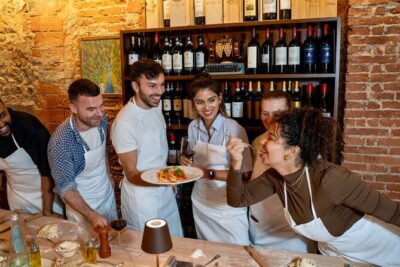
Pappardelle rolling and sauces: the part that turns into real confidence
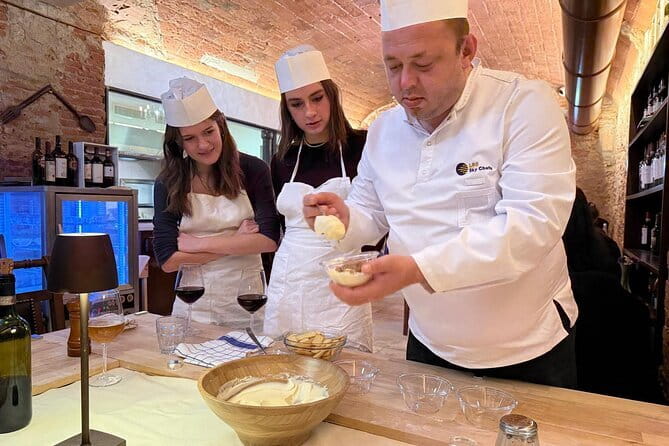
Pappardelle is the pasta that usually gets everyone excited. Long, wide ribbons are visually satisfying and also forgiving if you have not mastered the thinnest roll. In this class, pappardelle is one of the three pastas you prepare, and it ties directly into the sauce portion of the lesson.
This is where sauce timing becomes practical. You are learning not just to cook pasta, but to pair the pasta with the right sauce. That is why pappardelle matters here, since it pairs well with hearty sauces like the Tuscan ragù.
If you remember one goal from this class, it should be matching texture to sauce. Pappardelle holds onto sauce differently than stuffed pasta. When you understand that in a hands-on way, you can repeat the logic later at home.
Sauce matching in three steps: butter and sage, arrabbiata, Tuscan ragù
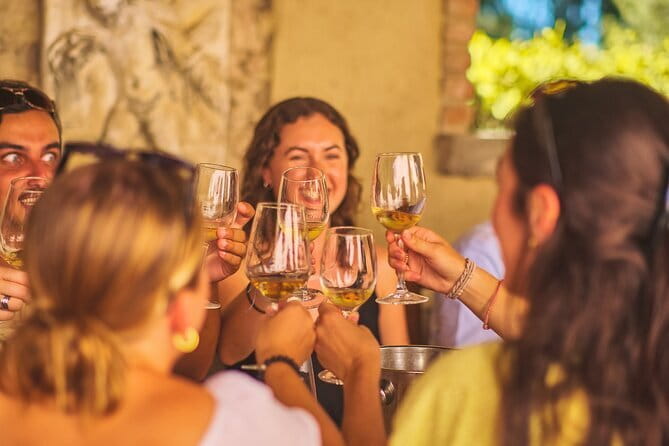
The class does not leave you with just one sauce. You learn three sauce styles that match the three pastas:
- Butter and sage for the ravioli
- Arrabbiata for tortelli
- Old-fashioned Tuscan ragù for pappardelle
This is a smart approach, because each sauce teaches a different cooking idea. Butter and sage is about simple aromatic balance. Arrabbiata is about building flavor with heat. Ragù is about the longer simmer style, where depth matters.
In the strongest-feedback moments from past participants, chefs were praised for explaining recipes clearly and keeping the group engaged. You also get to enjoy the sauces with what you make, so you can taste what each technique creates rather than only taking home instructions.
Wine is included during the experience, but your priority is learning the pairing. If you drink, keep it moderate so you can stay focused while you are rolling, shaping, and timing.
Lunch with Tuscan wine and unlimited soft drinks
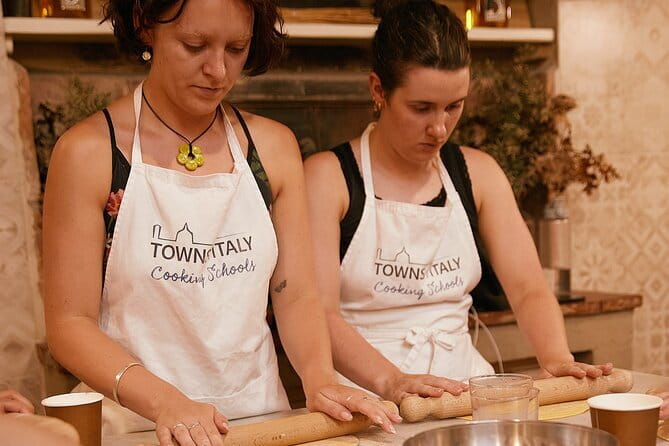
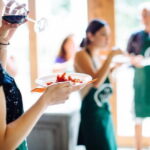
After cooking, you eat what you prepared. Lunch is included, and the class includes Tuscan wine plus unlimited soft drinks. Alcohol is only for 18 years old and above, so if you are traveling with younger guests, you can plan around that.
What I like about the lunch format is that it makes the class feel like a full meal, not a snack and a demo. You should leave fed.
A quick reality check from real experiences: the house wine is described by some people as more like a cooking wine style. If wine matters a lot to your evening, think of it as part of the included experience, not a top-shelf tasting flight. Water is also available.
Group size, crowding, and how to stay comfortable
The experience is capped at a maximum of 19 travelers, which is good for hands-on attention. But multiple sessions can run at the same time, so the overall room can still feel lively, and in some cases, quite loud or warm. Some people mention tight space and no air conditioning.
Here is how you can avoid a bad time:
- Wear light clothes, the room can run warm
- Choose shoes with solid grip in case floors feel slick
- Bring a water mindset, especially if you plan to drink wine
- Expect a busy, active kitchen environment, not a quiet culinary lab
If you prefer quieter learning, arrive with the right expectations. You are there to cook, laugh, and move. Some instructors are especially good at keeping everyone on track, including people who are nervous at first.
Which chefs and teaching styles tend to get the best marks
You will not always know who teaches you when you book, but it helps to know which names show up in strong feedback. Chefs such as Jacob, Valentino, Lorenzo, Arturo, Antonio, and Sal have all been mentioned positively for energy, teaching style, and attention.
If Jacob is on the schedule, that is a common recommendation for kneading and rolling guidance. If Valentino teaches, multiple people highlight high energy and clear engagement. With Lorenzo, feedback points to fun, knowledgeable instruction and a great overall class rhythm. Arturo and Sal are also praised for keeping the experience enjoyable while still teaching the steps.
You can treat that as a signal, not a promise. Still, knowing the names helps you feel more confident about what the teaching might feel like.
Who should book this Florence fresh pasta class
This works best if you want a practical skill, not just a meal. You are cooking pasta from scratch, making three styles, and learning sauce pairings you can repeat later.
It is also a strong choice if you are traveling with teens or multiple generations. The mix of hands-on tasks and communal eating tends to keep people involved. If you enjoy food culture through doing, this class will feel worth your time.
You might want to reconsider if:
- You hate busy rooms and heat
- You are very picky about food handling details across the group
- You only want a calm sit-down tasting, not a working kitchen experience
For everyone else, this is a fun way to get under Florence’s skin. You get a memorable setting, a real lesson, and lunch handled for you.
Should you book Cooking Art Brunelleschi?
I think you should book it if your goal is a hands-on Florence moment. The value is real for $39.92, because you are paying for equipment, ingredients, a chef, lunch, and included drinks, and you walk away with techniques for fresh pasta and sauce pairing.
Book it with a couple smart expectations. Expect a warm, active room. Expect a group atmosphere. And accept that the final plates may not be a perfect one-to-one match of exactly which batch your hands touched, since some sessions cook and plate pasta in a more combined way.
If you want a cooking class that feels like part meal, part workshop, and part Florence story, this one is an easy pick.
FAQ
How long is the Cooking Art Brunelleschi cooking class?
It runs about 3 hours.
Where is the meeting point?
The meeting point is Via de’ Bardi, 23 r, 50100 Firenze FI, Italy. The activity ends back at the meeting point.
Is the class taught in English?
Yes, it is offered in English.
What pastas will you make?
You will prepare three types of fresh pasta: ravioli, tortelli, and pappardelle.
What sauces are included?
The class includes sauces that match the pasta, including butter and sage, arrabbiata, and old-fashioned Tuscan ragù.
Do you need to bring ingredients or cooking equipment?
No. All equipment is offered, and the ingredients for the fresh pasta course are included.
Is lunch included?
Yes. Lunch is included, and you eat what you prepare.
Are drinks included, and is wine available?
Tuscan wine is included, plus unlimited soft drinks. Alcoholic beverages are only for guests 18 years old and above.
Is transportation included in the price?
No, private transportation is not included.
What if I need to cancel?
You can cancel for a full refund up to 24 hours in advance of the experience start time, with free cancellation available.
Every Florence review, in one place
- Tuscany Day Trip from Florence: Siena, San Gimignano, Pisa and Lunch at a Winery
★ 5.0 · 21,634 reviews - The Best tour in Florence: Renaissance & Medici Tales – guided by a STORYTELLER
★ 5.0 · 12,316 reviews

Cook it before you order it
- Cooking Class and Lunch at a Tuscan Farmhouse with Local Market Tour from Florence
★ 5.0 · 4,831 reviews

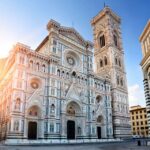
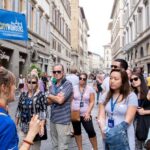
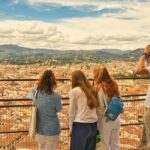
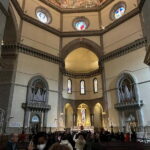
Inside the Duomo complex
Florence picks that sit just beyond this itinerary
- One Hour Uffizi Guided Tour: Masterpieces of the Renaissance
★ 5.0 · 3 reviews - Sightseeing Tuscany by touring bike – 1 day rental
★ 5.0 · 3 reviews - Private Siena, S. Gimignano, Chianti Road and Wine Tasting
★ 5.0 · 3 reviews - Bargello Museum Private Tour: Michelangelo’s Bacchus & Donatello’s David
★ 5.0 · 3 reviews - Authentic Florence Cooking Class at Costanza’s 1839 Family Estate
★ 5.0 · 3 reviews - San Gimignano and Volterra private tour: etruscans, romans and middle age jewels
★ 5.0 · 3 reviews
More Florence Cathedral & Dome Climbs worth comparing.
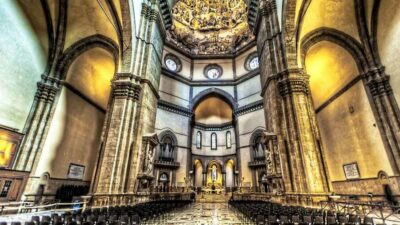 ★ 3.9Duomo Cathedral Guided TourFrom $155,970 reviews
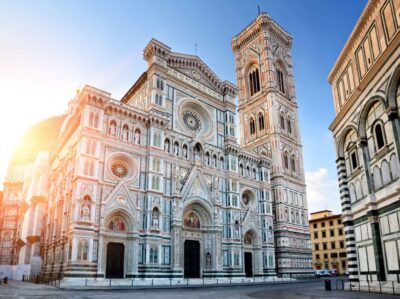 ★ 4.5Brunelleschi’s Dome Climb Entry Ticket & DuomoFrom $533,815 reviews
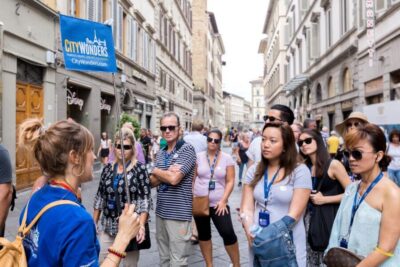 ★ 4.1Duomo Guided Tour with Optional Dome Climb UpgradeFrom $253,706 reviews
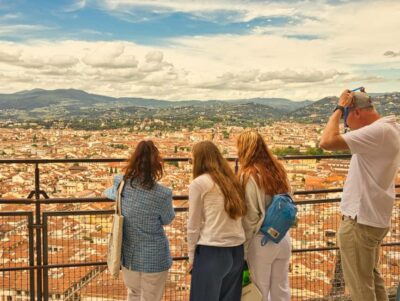 ★ 4.6Dome Climb Ticket & Duomo Complex 3-Day PassFrom $711,848 reviews
 ★ 4.7Skip-the-Line Duomo, Baptistery, Giotto Bell TowerFrom $211,721 reviews
 ★ 4.5Best of Florence: Small Group Tour Skip-the-Line David & Accademia with DuomoFrom $781,422 reviews
 ★ 5.0Florence Skip-the-Line Duomo Tour with Guide & Brunelleschi DomeFrom $1431,176 reviews
 ★ 4.7Duomo Area Tour and Brunelleschi Dome Climb TicketFrom $691,169 reviews
Find this experience in another shortlist