

Florence field review · MUSEUMS
Firenze: Italian Football Museum
Football history in Florence, in one hour.
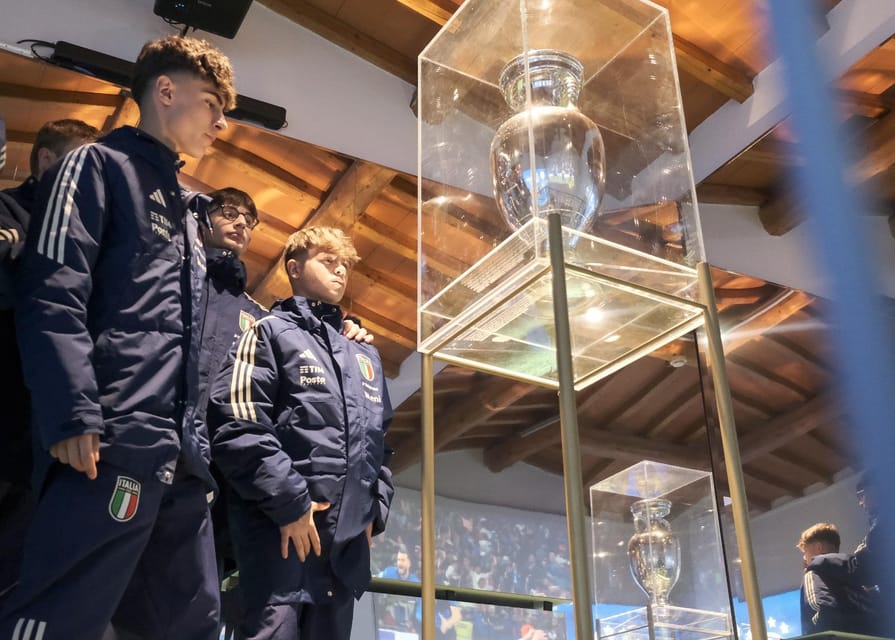
At the Italian Football Museum in Coverciano, you trace the Italian national teams from 1898 to today, walking through the same training-center home turf. I especially like the way you get big moments on display, including the four World Cups Italy won, and how the museum pairs objects with video of the most iconic national-team memories.
For me, the best add-on is the free audio guide app, which you can download to your mobile so you are not just looking, you are following the story. One consideration: it is a smaller museum format, so if you expect a huge, multi-hour football mega-museum, you may feel it is a quick stop.
Key takeaways before you go
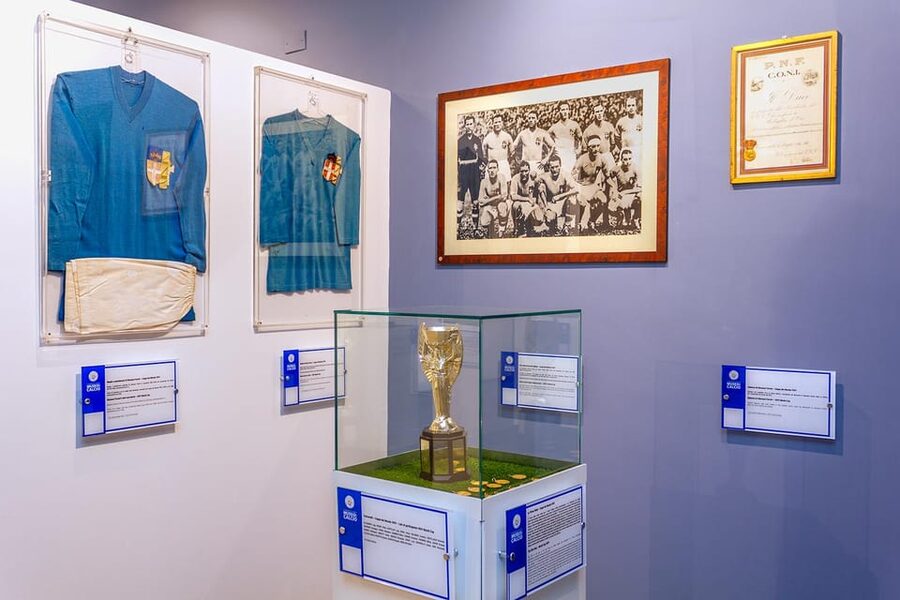
- Four World Cups on display, linked to the years 1934, 1938, 1982, and 2006
- European Championship trophies for 1968 and 2021
- Video stations of iconic Azzurri moments, so the exhibits move beyond glass cases
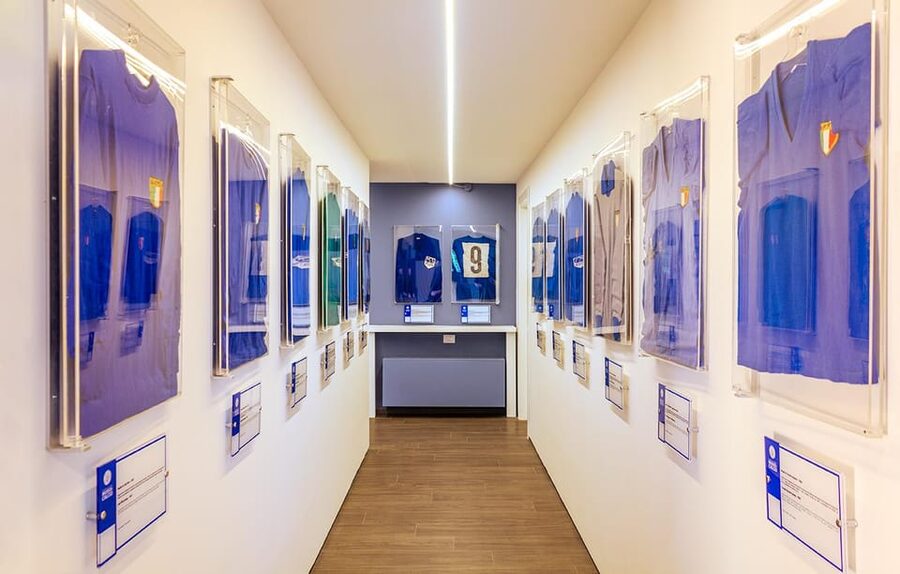
- A large memorabilia collection, including jerseys and awards tied to major victories
- A location with football “infrastructure”, since it sits inside the Coverciano Technical Centre
- A free mobile audio guide app, to pace your visit at your own speed
More Florence museums with the visit format already compared
- Florence: Skip-The-Line Uffizi Gallery Timed Entry Ticket★ 4.5 · 27,832 reviews
- Florence: Leonardo Interactive Museum Entry Ticket★ 4.5 · 11,763 reviews
- Florence Accademia Gallery Tour with Entrance Ticket Included★ 4.5 · 6,148 reviews
- Uffizi Gallery Small Group Tour with Guide★ 4.5 · 4,923 reviews
Italian Football Museum in Coverciano: What You Really See

The Italian Football Museum (Museo del Calcio) is not just a standalone museum. It is inside the Coverciano Technical Centre, the home of the Italian national teams. That matters, because it gives the visit a grounded feeling. You are not only learning about football, you are seeing it where training happens.
Your visit is planned around a straightforward experience: you will move through exhibition rooms focused on the national teams, then you get time to notice the pitch area connected to the Azzurri training and preparation. Even if you are not a lifelong superfan, that setting changes the mood. You feel like you are at the source, not just in a themed room.
And yes, the museum is compact. That can be a plus if you want a focused, one-hour cultural stop while you are based in Florence. It can also be a minus if you want a huge museum with lots of interactive stuff and hours of browsing.
Entering the story: Italy from 1898 to today
The core of the experience is the way the exhibits cover the timeline of the Italian national team from 1898 onward. Instead of treating football as one highlight reel, the museum frames it as a long arc of performances, tournaments, and iconic moments.
You will see how the national teams evolved, and how major victories became milestones people still talk about. A big part of the appeal is that it is not only about the trophy years. The museum is built to help you relive the emotions linked to the Azzurri and the Azzurre, which is a subtle way of saying you get the story of national-team football as a cultural thing, not just sport as competition.
As you walk, expect a lot of museum-style learning: exhibits, trophies, jerseys, and archival material. The pacing helps too. With a 1-hour duration, you can absorb what you want without forcing yourself to keep going when you have already gotten the main points.
World Cup rooms: the four Italy trophies you can admire
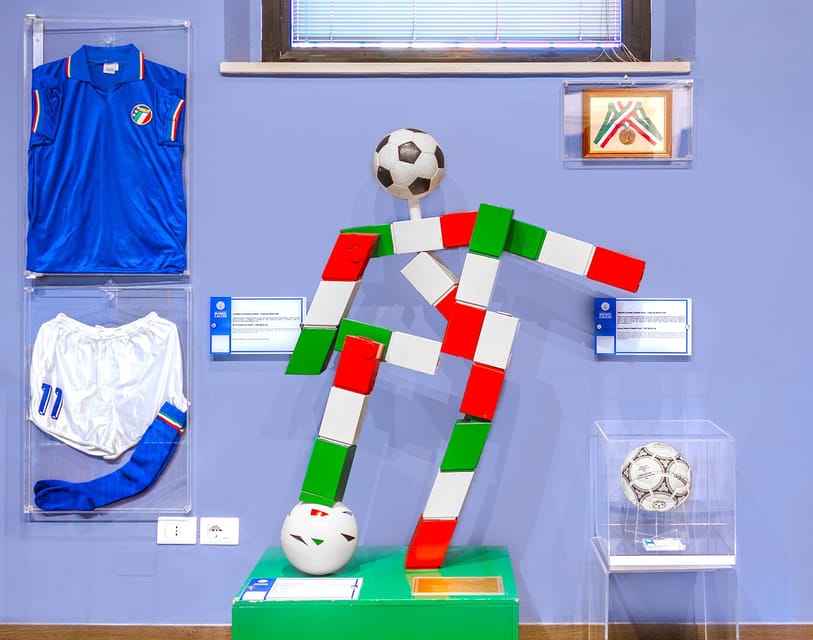
If you care about the World Cup, this is the reason to come. The museum includes the four World Cups Italy won, and they are clearly part of the centerpiece display:
- 1934
- 1938
- 1982
- 2006
Seeing those trophies in person hits differently than reading about them. It is the difference between remembering facts and feeling how a single victory becomes part of national identity. The museum also ties these moments into the wider national-team story, so it does not feel like you are just ticking off years.
One practical note: since it is only a 1-hour visit, you might want to decide ahead of time whether your priority is trophy viewing or video viewing. If you want both, you still can, but you will move at a comfortable rather than leisurely pace. I find it helps to do the trophy highlights first, then slow down for the multimedia parts.
Euro glory: 1968 and 2021 in the same visit
Italy’s European Championship wins are also on display, specifically the trophies from 1968 and 2021. That gives you a fuller picture of Italy’s international success, not just the World Cup years.
What I like about including the Euros alongside the World Cups is the way it helps you see continuity. You understand that the Italian story is not only a tournament-by-tournament flash. It is repeated cycles of teams, coaches, and moments that get remembered.
If you are the type who loves building context, this section helps you connect the emotional highs across decades. Even if you do not know every player from every year, you will still recognize the significance because the museum is organized around the major achievements.
Video stations: watching iconic moments instead of only reading labels
The highlights mention videos of the most iconic moments of the Italian national team, and that is one of the most practical ways the museum holds your attention. Trophy displays can be beautiful, but your brain can switch off after a while if it is only glass cases and text.
These video moments give you something to react to. Even if you only watch a few clips, you start to understand what made those matches memorable and why they are still referenced today. The museum uses the video to bring the story to life, and it pairs well with the physical memorabilia.
My advice: do not rush through the video screens. If you pass quickly, you may miss the emotional payoff of the exhibit. But you also do not need to sit and watch everything like it is a documentary. Pick the moments that match your interests first.

Memorabilia and jerseys: where the collection adds personality
A large collection of memorabilia is part of what you will see, including awards and jerseys tied to major victories. This is where the museum can feel most personal.
Jerseys work for a reason. They are visual time capsules. You see how styles changed, how teams were dressed for different eras, and how important specific kits and competitions became. Even if you are not hunting for technical details, you will recognize that these items were worn during real, high-pressure moments.
You will also notice that the museum leans into authenticity through its FIGC connection. The shop section later makes this feel even more official, but even inside the exhibitions you get the sense that this is built around official national-team heritage rather than generic football aesthetics.
The Coverciano pitch and why it makes the visit feel real
One unique aspect here is the location itself. During your visit, you can admire the pitch where the Azzurri make their training and preparation. That detail is more than trivia. It turns the museum from a history lesson into a living football environment.
It also helps you understand why the museum is in this specific place. Coverciano is where national-team preparation happens, and the museum uses that proximity to make the past feel connected to the present.
A small caution: the museum mention here focuses on seeing the pitch area. A guided tour of the training center is not included. So, if what you want is a behind-the-scenes training walk with staff and extra access, you will not get that as part of this experience.
Audio guide app: how to make the most of a one-hour visit
You get an audio guide app included, and it is downloadable for free on your mobile. This is a smart setup for a short museum visit because it lets you choose how much you want to hear at each stop.
In practice, it means you can move through quickly if you are impatient, or slow down if a section grabs you. I like that you are not forced into a group pace. In a one-hour visit, that flexibility matters.
My practical tip: have your phone charged and ready before you enter. Also, if you prefer quieter audio experiences, bring a simple way to listen comfortably. The museum does not list earphone equipment, so plan for it yourself.
FIGC Store and adidas merch: a good final stop
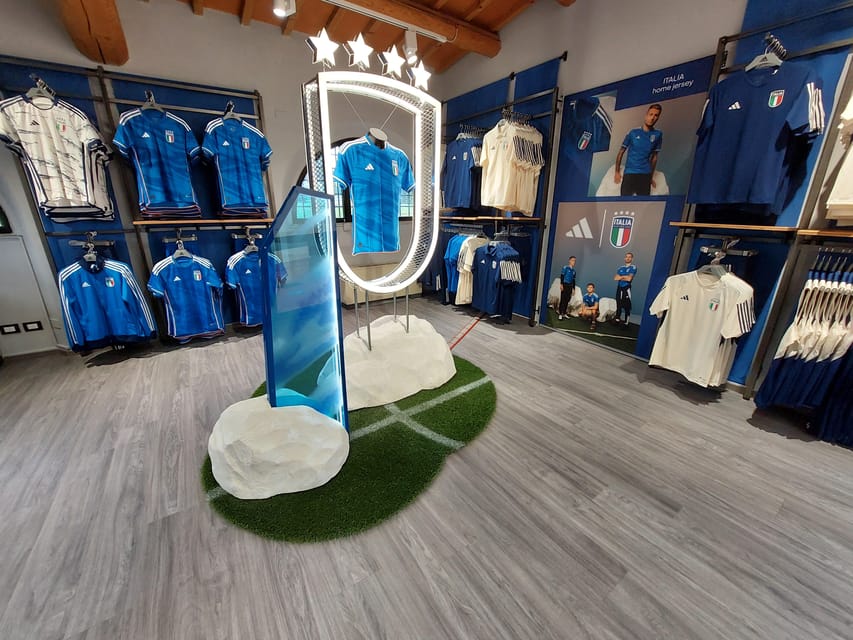
At the FIGC Store of the museum, you can find official merchandising of the Italian national team by adidas. This is the part that often determines whether the stop feels like a satisfying complete experience or just a quick museum browse.
I like that the store ties into what you just saw. If you are a fan, it makes sense to turn the emotional energy from the exhibits into something you can take home. If you are not buying anything, the store still works as a visual wrap-up, because it reinforces the official national-team brand.
One review note you can keep in mind: the store staff is reported as very friendly, which makes the shopping feel less awkward and more like a normal conversation. Even if you do not plan to buy, it helps to know you will not feel rushed.
Price and value: is 14 dollars worth it?
The ticket price is $14 per person, and the duration is 1 hour. That means you are paying for a focused, official national-team experience rather than an all-day museum marathon.
For value, I measure three things:
- Are the highlights clear and “big ticket” enough?
- Do you get enough to feel you used your hour well?
- Does the setting add something beyond a generic football exhibit?
On the first two, the museum has strong anchors: the four World Cups, the two European trophies, video moments, and a large memorabilia collection. On the third, Coverciano adds context, because you are in the training-centre environment, and you can see the pitch area connected to Azzurri preparation.
So, is it worth it? For most people who want a compact but meaningful football stop in Florence, yes. For football fans who want a massive museum with lots of hands-on experiences, it may feel on the small side, especially if you are comparing it to bigger stadium tours or larger football museums elsewhere.
My suggestion: treat it as a strong “add-on” to your Florence day, not the main event of your entire trip unless you truly plan your itinerary around football heritage.
Who this experience fits best
This is a great match if you:
- Love Italy’s national teams and want to see the major international trophy moments in one place
- Prefer short cultural stops you can finish in about an hour
- Like museums that mix objects with short video segments rather than relying only on text
- Want to be in a real football training environment by visiting the Coverciano Technical Centre area
It might not be your best choice if you:
- Want a guided training-centre tour, because that is not included here
- Expect a large, multi-gallery museum experience that takes several hours
Also, note the museum rules: pets are not allowed. Wheelchair access is available, and the experience is listed as wheelchair accessible, so you can plan with confidence.
Should you book the Italian Football Museum?
Book it if you want a tidy, high-signal stop focused on Italian national-team trophies, memorabilia, and iconic video moments, all in the specific football context of Coverciano. At $14 for a 1-hour visit, it is priced like a practical museum outing, not a huge day-trip commitment.
Skip or reconsider if you are the type who needs lots of interactive exhibits, long time-on-site, or a guided look deeper into training activities. Since a training-centre guided tour is not included, you will likely want other experiences to satisfy that behind-the-scenes itch.
FAQ
Where is the Italian Football Museum located?
It is located in the Coverciano Technical Centre, home of the Italian national teams, in Tuscany, Italy.
How much does the Italian Football Museum cost?
The price is $14 per person.
How long does the visit take?
The visit duration is 1 hour.
What is included with the ticket?
Your ticket includes entrance to the Italian Football Museum and an audio guide app.
Is there an audio guide available?
Yes. The experience includes an audio guide app, which you can download for free on your mobile.
Do I get a guided tour of the training center?
No. A guided tour of the training center of Coverciano is not included.
Can I see the pitch where the Azzurri train?
Yes, during the visit you can admire the pitch where the Azzurri make their training and preparation.
Is the museum wheelchair accessible?
Yes, it is listed as wheelchair accessible.
Are pets allowed?
No, pets are not allowed.
What are the cancellation terms?
You can cancel up to 24 hours in advance for a full refund.
Another Florence museum door


Every Florence review, in one place
- Tuscany Day Trip from Florence: Siena, San Gimignano, Pisa and Lunch at a Winery
★ 5.0 · 21,634 reviews - The Best tour in Florence: Renaissance & Medici Tales – guided by a STORYTELLER
★ 5.0 · 12,316 reviews




Florence picks that sit just beyond this itinerary
- One Hour Uffizi Guided Tour: Masterpieces of the Renaissance
★ 5.0 · 3 reviews - Sightseeing Tuscany by touring bike – 1 day rental
★ 5.0 · 3 reviews - Private Siena, S. Gimignano, Chianti Road and Wine Tasting
★ 5.0 · 3 reviews - Bargello Museum Private Tour: Michelangelo’s Bacchus & Donatello’s David
★ 5.0 · 3 reviews - Authentic Florence Cooking Class at Costanza’s 1839 Family Estate
★ 5.0 · 3 reviews - San Gimignano and Volterra private tour: etruscans, romans and middle age jewels
★ 5.0 · 3 reviews
More Museums worth comparing.
 ★ 4.5Skip-The-Line Uffizi Gallery Timed Entry TicketFrom $3027,832 reviews
 ★ 4.5Leonardo Interactive Museum Entry TicketFrom $911,763 reviews
 ★ 4.5Florence Accademia Gallery Tour with Entrance Ticket IncludedFrom $456,148 reviews
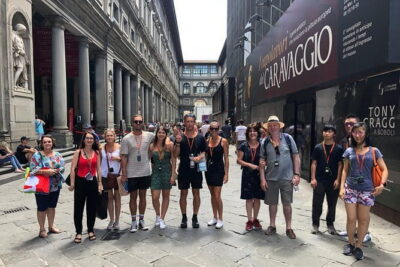 ★ 4.5Uffizi Gallery Small Group Tour with GuideFrom $764,923 reviews
Accademia Gallery Guided TourFrom $534,156 reviews
★ 4.5Uffizi Gallery Small Group Tour with GuideFrom $764,923 reviews
Accademia Gallery Guided TourFrom $534,156 reviews
 ★ 4.6Accademia Gallery Guided Tour with Entry TicketFrom $492,253 reviews
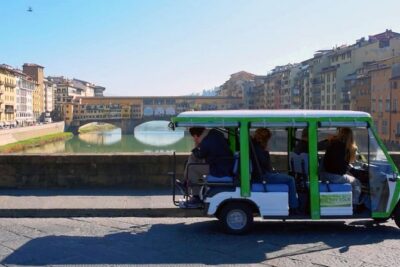 ★ 4.5Golf Cart Tour to Fiesole Roman Theatre and MuseumFrom $952,039 reviews
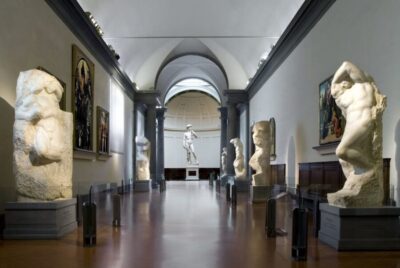 ★ 4.8Uffizi Gallery and Accademia Gallery Guided TourFrom $1402,028 reviews