
Florence field review · WALKING TOURS
Discover Florence Walking Tour: Guided Tour
Florence makes sense on foot. In 90 minutes, you connect the Medici District power to the Duomo’s big architectural moments, including Brunelleschi’s dome, with stories you can actually use while you walk. I especially like the Medici Chapels stop for the art-and-power combo, and I love finishing at Piazza del Duomo when the city hits its visual peak, but this tour is not suitable for wheelchair users.
You’ll meet at the office on Via Martelli 33R, and the route threads through the squares that define Florence, not a random checklist. Guides speak Spanish, German, French, English, and Portuguese, and I’ve seen feedback praising a guide named Julia for making the information feel easy to remember.
Key points worth knowing before you go
- 90-minute structure (often up to 2 hours): enough time to cover major sights without turning it into an all-day march
- Medici to Duomo flow: you see how Florence’s ruling families shaped what you’re looking at
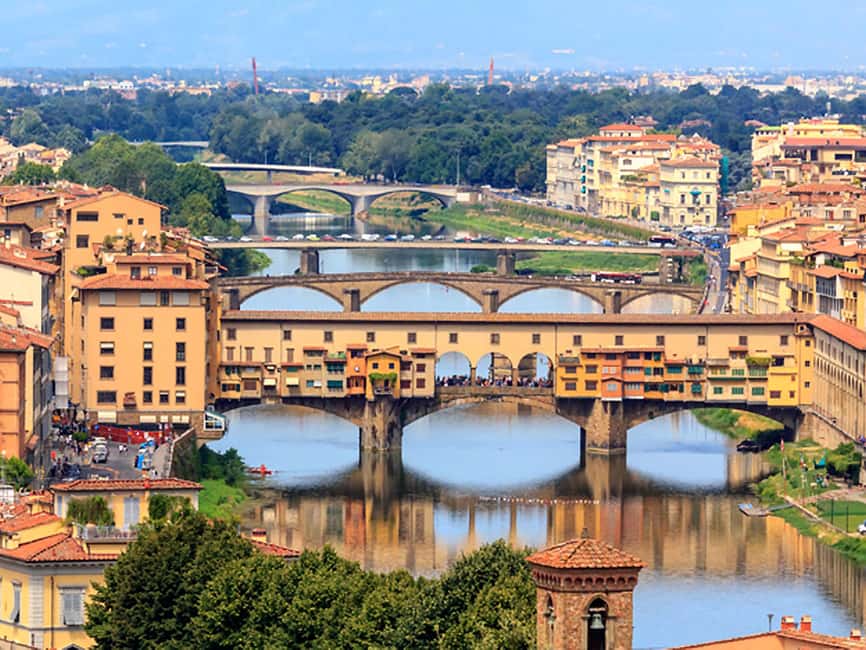
- Ponte Vecchio with context: you learn why the bridge became a goldsmiths center
- Palazzo Vecchio and Piazza della Signoria details: includes statue highlights like a replica of Michelangelo’s David
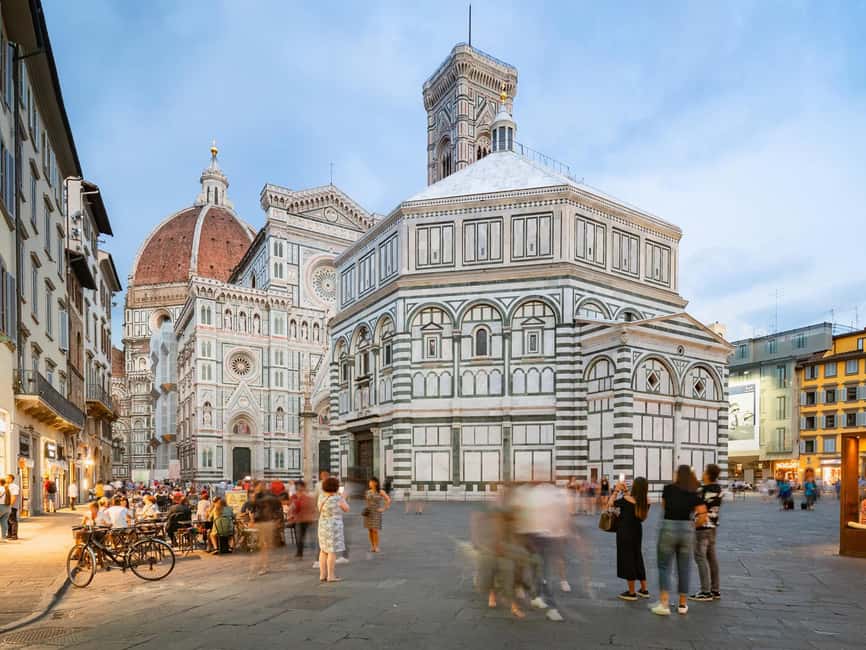
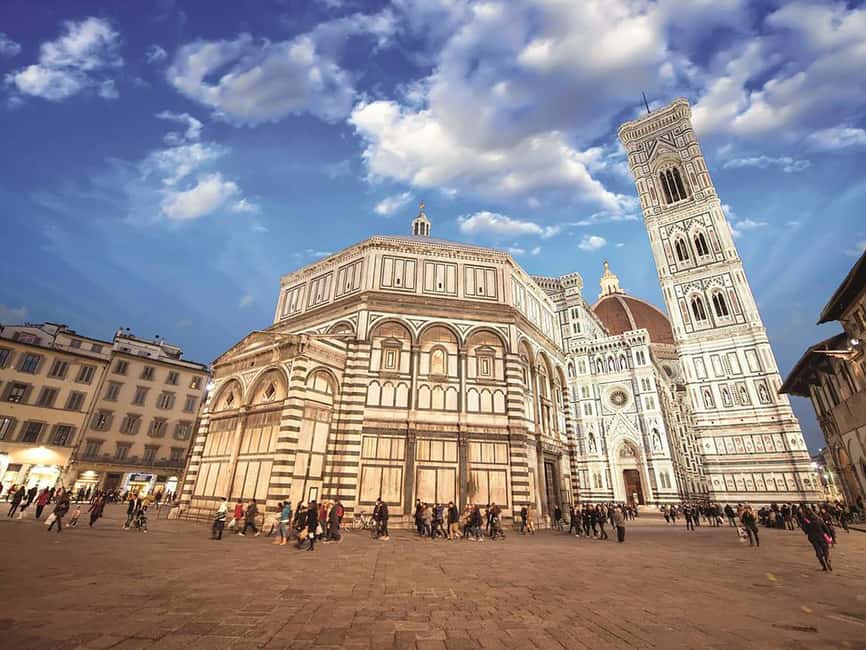
- Finish at Florence Cathedral area: Brunelleschi’s dome and Giotto’s bell tower are the finale payoff
- Not wheelchair accessible: if you need mobility support, look for another format
Florence walks that make the stone streets tell the story
- Florence: Guided Walking Tour★ 4.5 · 3,334 reviews
- Skip the line: Uffizi and Accademia Small Group Walking Tour★ 4.5 · 3,135 reviews
- Florence: Guided Walking Tour★ 4.6 · 1,602 reviews
- Florence: Renaissance and Medici Tales Guided Walking Tour★ 4.8 · 1,549 reviews
Why this Florence walking route works in a short 90 minutes
This tour is built around the idea that Florence is easier to understand when you walk the links between power, art, and public life. You start in the Medici orbit, then move through the civic heart, cross the Arno via the famous goldsmiths bridge, and end at the Duomo complex. In other words, you’re not just seeing landmarks, you’re getting the story thread that ties them together.
The timing is the real advantage. Ninety minutes is long enough to feel like you accomplished something, but short enough that you can still pace your day and add a gelato, or wander into a church later if the light is good.
One practical consideration: the tour can run between 90 minutes and 2 hours, and the order of the stops can change at the guide’s discretion. That flexibility is helpful, but it also means you should avoid stacking back-to-back activities with tight timing.
Meeting at Via Martelli 33R, and how to start without stress
You’ll meet at the office in Via Martelli 33R (Via de’ Martelli, 33r). If you like using your phone for navigation, the coordinates are 43.774173736572266, 11.255534172058105, which helps if you’re bouncing between streets in the old center.
Bring your passport or ID card. It’s a small thing, but it’s worth doing because you’ll save time if anything needs to be checked.
Also, add a WhatsApp number when you book. Support will contact you after booking, and in a city like Florence that can mean fewer last-minute headaches if the guide adjusts the route.
Piazza della Repubblica: Roman leftovers under modern Florence
Your walk includes Piazza della Repubblica, a square where you can feel Florence changing layers over time. Your guide points out the sense of Roman origins, including the idea that this area once held the city’s ancient forum. Then you watch the square act like it’s always been a social center, with cafés and shops pulling you back into daily life.
What I like about this stop is that it gives you permission to look at buildings as clues. Even if you’ve never studied Florence’s timeline, you’ll leave knowing to ask: What came before this façade, and why did people rebuild here?
If you’re the kind of traveler who gets annoyed by generic photo stops, this is the moment where the tour’s narration starts to make the rest of the route click.
Palazzo Medici Riccardi and the Medici Chapels: power you can read in stone
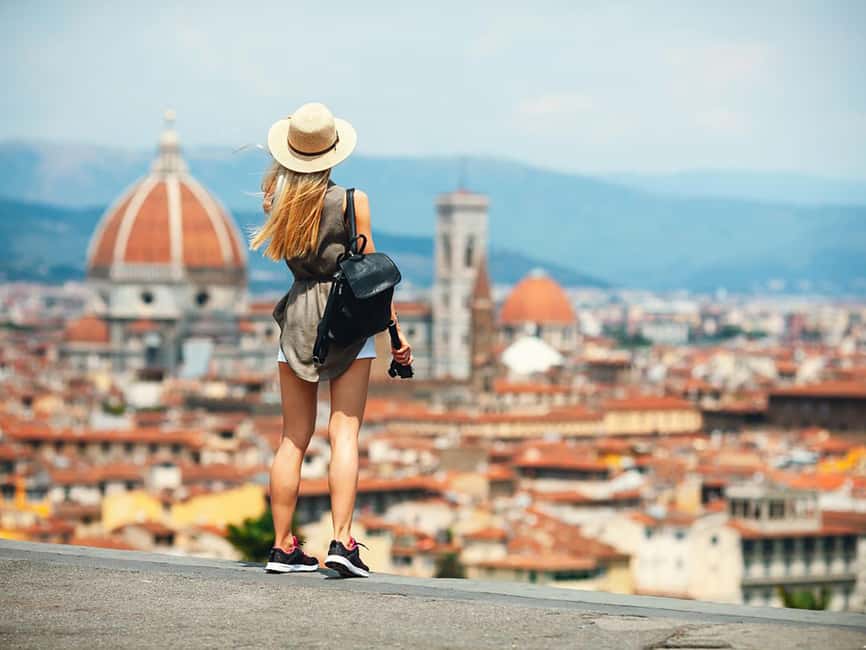
The heart of the tour starts in the Medici District area, with Palazzo Medici Riccardi as your entry point. This palatial residence is where you’re introduced to the Medici legacy and how their influence shaped the look and direction of the city. The building’s opulence is the point, but the guide’s role is to translate it into something you can remember later when you see other Medici-related sites.
From there, you head toward Piazza San Lorenzo and the Medici Chapels. This is where the tour leans hardest into Renaissance art and architecture. You’re not just looking at decoration, you’re learning how the Medici used patronage to turn influence into culture.
This is one of the reasons people love short walking tours that include the Medici Chapels. You get the “why” in an area that could otherwise feel like pretty walls and photo angles.
Piazza della Signoria and Palazzo Vecchio: Florence’s political stage
Next up is Piazza della Signoria, the dramatic civic square where Florence acted like a powerhouse. Palazzo Vecchio dominates the scene, and the focus here is political and cultural history, not just architecture. Your guide’s job is to connect events to spaces, like explaining why this square mattered and how it became the place for public symbolism.
One detail that’s especially fun on this stop is the statue discussion. The tour highlights statues in the square and includes a replica of Michelangelo’s David. Even if you’ve seen David before, hearing how the replica fits into the square’s storytelling can make the whole place feel more intentional.
Here’s the practical tip: take a moment to look at the whole square, not only the nearest façade. The narration makes more sense when you see the sightlines, because these are public spaces designed for visibility and impact.
When a guide is worth having beside you in Florence
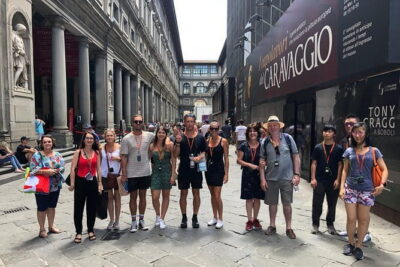
Ponte Vecchio: why the goldsmiths took over the Arno crossing
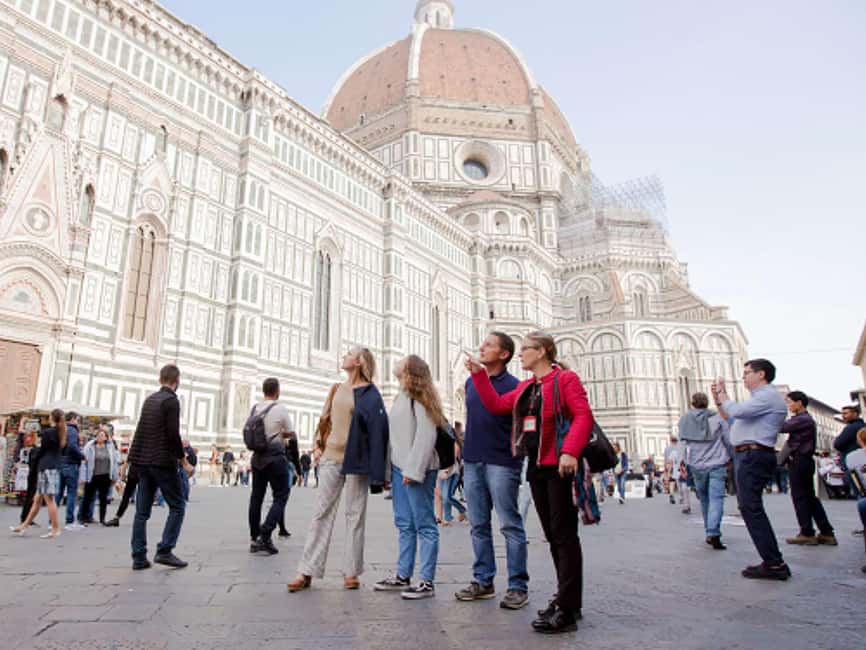
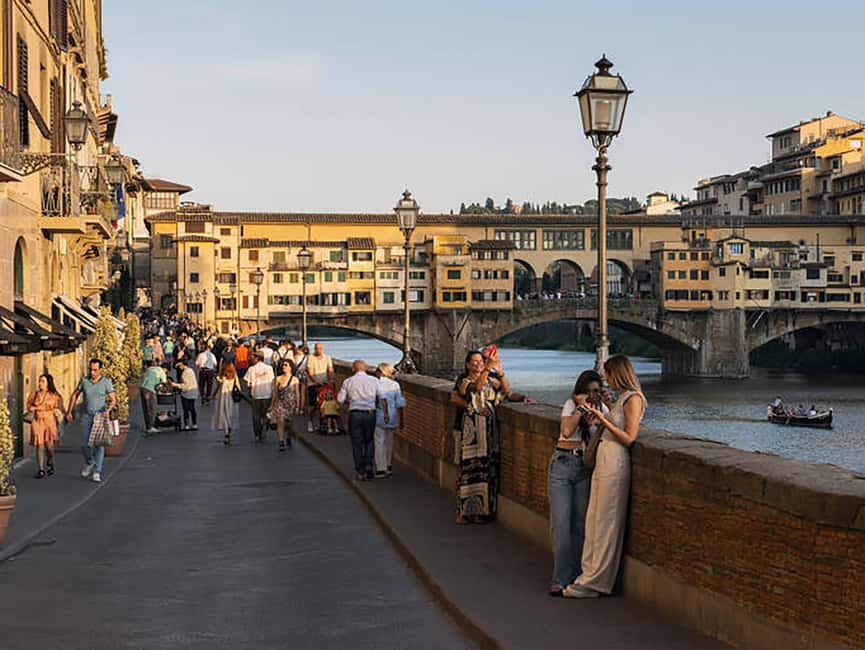
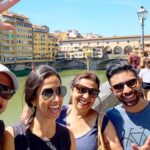
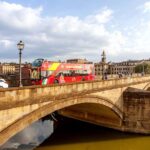
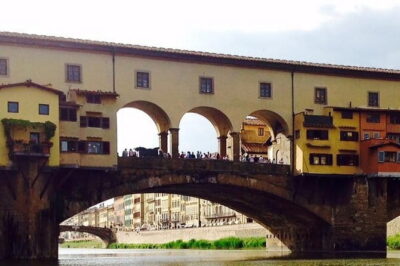
Then you walk toward Ponte Vecchio, the iconic bridge that crosses the Arno. This is where the tour shifts from politics and palaces into something more human and commercial. You’ll hear the story of how Ponte Vecchio transformed from a humble crossing into a bustling hub of goldsmiths and merchants.
What makes this stop valuable is that it gives Ponte Vecchio a role in the city economy, not just a role in the postcard set. You’ll understand why shops ended up there, and why this bridge became one of the best-known images of Florence.
If you’re visiting in peak season, you might find the area crowded, because Ponte Vecchio naturally attracts attention. That’s not a fault of the tour, it’s just physics in the tight old center. A guided explanation helps cut through the chaos, so you’re not just squeezing past people looking for a perfect angle.
Piazza Pitti and the Medici lifestyle in the later years
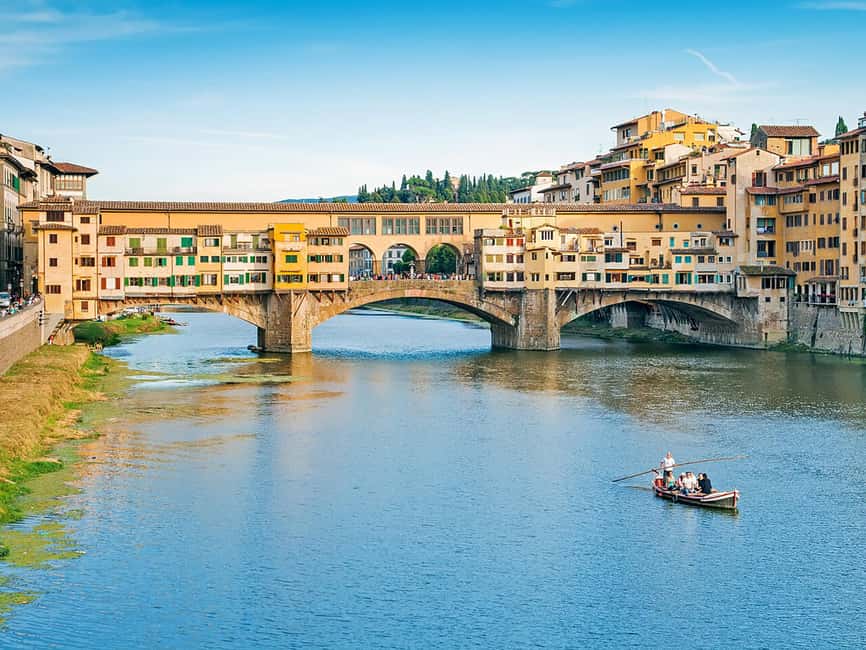
After the bridge, you reach Piazza Pitti. This is the point where the tour stretches your view from Florence as a civic machine into Florence as a stage for elite living.
Palazzo Pitti is the star, and the guide explains that it was the residence of the Grand Dukes of Tuscany in later periods. The palace is also known for its art collections, so if you’re an art lover, this stop acts like a preview for deeper museum time later.
You also spend time in the orbit of Boboli Gardens. The tour frames the gardens as a serene escape with beautifully manicured landscapes, tied to the lifestyle of the later Medici rulers. Even if you don’t get the chance to fully explore every corner, you’ll leave understanding why gardens mattered as much as galleries.
Practical thought: gardens are often easier to enjoy when you’re not rushing. In a short walking tour, you won’t get hours of wandering, but you will get a clear sense of what you’re looking at and where you might return on your own.
Piazza del Duomo: finishing with Brunelleschi and Giotto
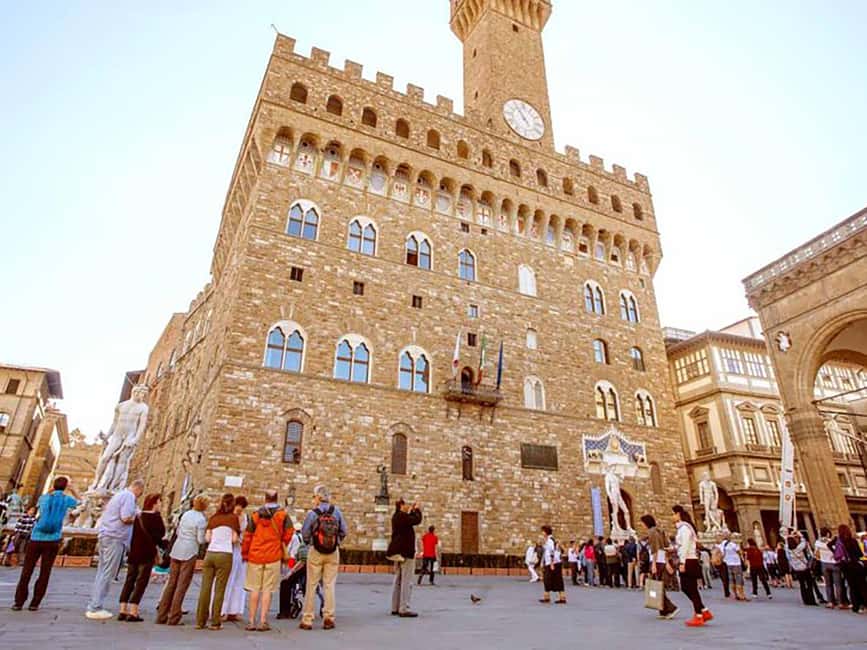
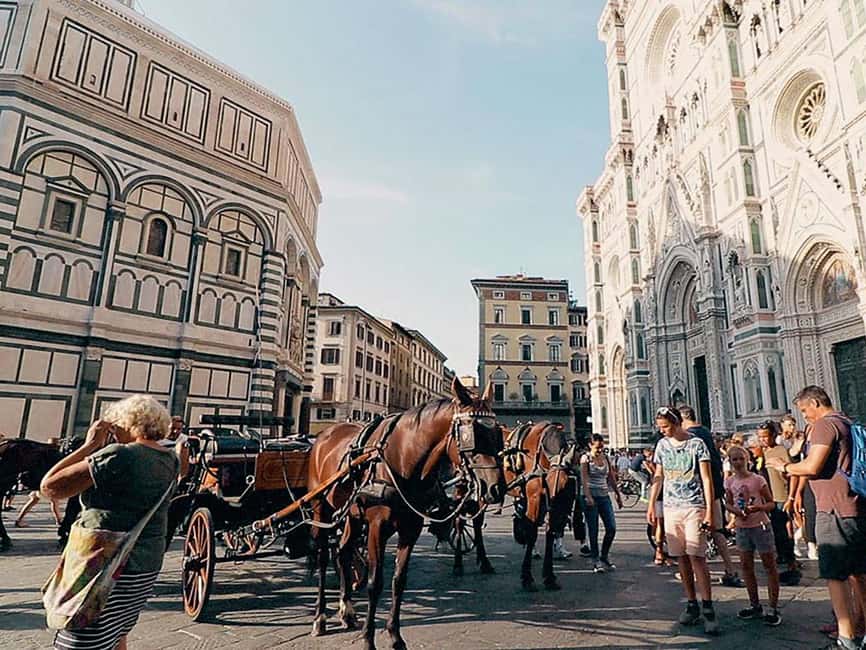
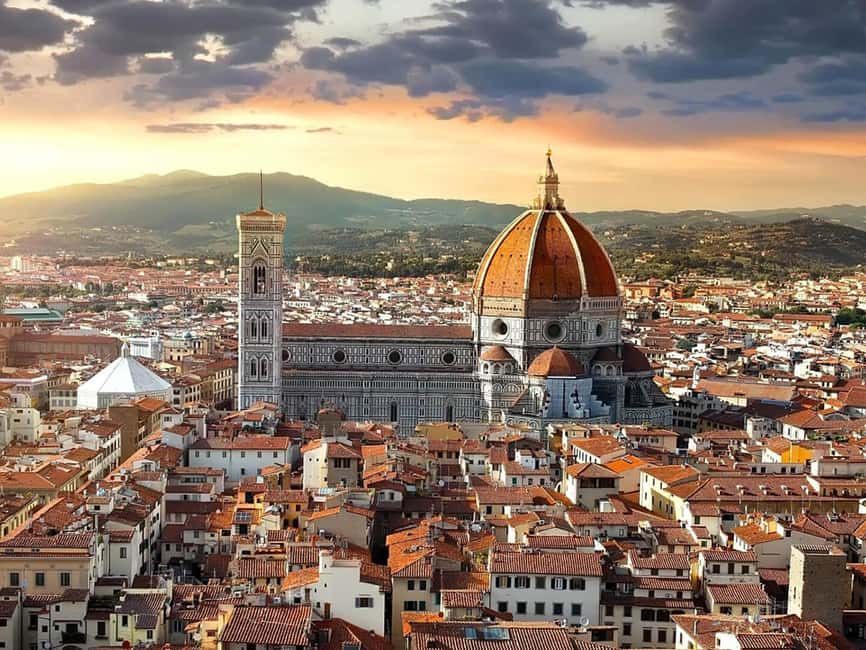
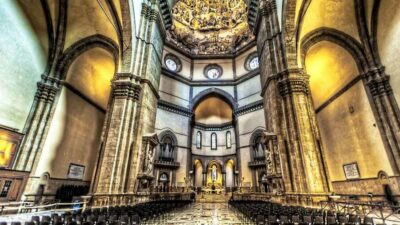
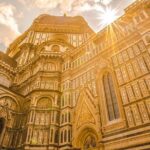
The tour culminates at Piazza del Duomo, the area around Florence Cathedral, where Renaissance ambition becomes visible at full scale. Florence Cathedral is introduced with attention to Brunelleschi’s dome, plus Giotto’s Bell Tower. Your guide points out details, including the cathedral’s elaborate façade and the engineering behind the dome.
This ending works because it changes your posture. You start the tour reading squares and buildings at street level, then you end with the kind of architecture that pulls your eyes upward. When the dome is your final stop, your photos tend to improve because you know what you’re trying to capture.
If you want to keep the momentum going after the tour ends, this is the natural place to do it. You’ll already understand which elements are the headlines, so you can explore surrounding areas with clearer priorities.
The guide impact, multilingual options, and who this tour suits
The tour is guided by a live person and runs in multiple languages: Spanish, German, French, English, and Portuguese. That matters because Florence has enough details to overload you, and a good guide helps you filter what’s important right now.
I also appreciate the way the route is designed. It mixes palace, civic squares, a commercial bridge, gardens, and the cathedral complex. For first-timers, it’s a strong orientation. For repeat visitors, it can still work because it adds meaning to the route you might already know by sight.
This tour is a good match if:
- You have limited time and want a guided Florence overview in about 90 minutes
- You like walking and learning the story behind what you’re looking at
- You want a clear “greatest hits” sequence without planning each stop
It’s less ideal if:
- You use a wheelchair, since it is not suitable for wheelchair users
- You hate walking, since it is a walking tour by design
- You’re trying to squeeze in multiple tours with close start times, since the total duration can vary and the order can change
Value check: is it worth your time?
Because no price is listed here, I’m thinking about value in terms of what you actually get for your time window. For a short guided outing, you’re covering several Florence heavyweights: Medici Riccardi and the Medici Chapels, Palazzo Vecchio and Piazza della Signoria, Ponte Vecchio, Palazzo Pitti and Boboli Gardens area, and the Duomo complex. That is a lot of learning material for 90 minutes, and the route is logical.
You also have flexibility options that can reduce stress. You can cancel up to 24 hours in advance for a full refund, and you can reserve now and pay later, which helps if your day’s timing is still a bit messy.
The key value trade-off is walking comfort. If you can handle city walking, this tour gives you a strong guided framework. If you want a mostly seated experience, you’ll be happier with a different type of tour.
Should you book this Florence walking tour?
Book it if you want a guided Florence highlight path that explains the connections between Medici influence, civic power, and Renaissance architecture, and you’re comfortable walking for roughly 90 minutes to up to 2 hours.
Skip or reconsider if you need wheelchair access, or if you’ve already booked other tightly timed tours for the same day. One more reason to be cautious with same-day scheduling: your time slot can shift to the next available option for reasons outside the provider’s control, and if there’s a lack of places, you may be placed on the day following the booked date.
If you want a first taste of Florence that makes the rest of your trip easier to navigate, this one is a solid pick.
Florence at walking speed
More Florence tours to open next
- The Best tour in Florence: Renaissance & Medici Tales – guided by a STORYTELLER
★ 5.0 · 12,316 reviews
Every Florence review, in one place
- Tuscany Day Trip from Florence: Siena, San Gimignano, Pisa and Lunch at a Winery
★ 5.0 · 21,634 reviews - The Best tour in Florence: Renaissance & Medici Tales – guided by a STORYTELLER
★ 5.0 · 12,316 reviews

Florence picks that sit just beyond this itinerary
- One Hour Uffizi Guided Tour: Masterpieces of the Renaissance
★ 5.0 · 3 reviews - Sightseeing Tuscany by touring bike – 1 day rental
★ 5.0 · 3 reviews - Private Siena, S. Gimignano, Chianti Road and Wine Tasting
★ 5.0 · 3 reviews - Bargello Museum Private Tour: Michelangelo’s Bacchus & Donatello’s David
★ 5.0 · 3 reviews - Authentic Florence Cooking Class at Costanza’s 1839 Family Estate
★ 5.0 · 3 reviews - San Gimignano and Volterra private tour: etruscans, romans and middle age jewels
★ 5.0 · 3 reviews
More Walking Tours worth comparing.
 ★ 4.5Guided Walking TourFrom $313,334 reviews
 ★ 4.5Skip the line: Uffizi and Accademia Small Group Walking TourFrom $1483,135 reviews
★ 4.6Guided Walking TourFrom $271,602 reviews
★ 4.5Skip the line: Uffizi and Accademia Small Group Walking TourFrom $1483,135 reviews
★ 4.6Guided Walking TourFrom $271,602 reviews
 ★ 4.8Renaissance and Medici Tales Guided Walking TourFrom $21,549 reviews
 ★ 4.7Uffizi & Accademia Small Group Walking TourFrom $1481,380 reviews
 ★ 5.0Skip-the-Line Florence Highlights and David Walking TourFrom $1171,127 reviews
 ★ 4.6Dark Mysteries and Legends Guided Walking TourFrom $21,081 reviews
 ★ 4.5Florence in a Day: Michelangelo’s David, Uffizi and Guided City Walking TourFrom $1341,048 reviews
Find this experience in another shortlist