
Florence field review · FLORENCE PASTA, PIZZA & GELATO CLASSES
Florence: Market to Table Cooking Lesson
Few things beat cooking Tuscan food.
This Florence market-to-table lesson pairs a hands-on central market visit with a full cooking session, so you learn what goes into the meal and why. I especially like meeting the people who make and sell the food, because it turns grocery shopping into real context, not just a photo stop.
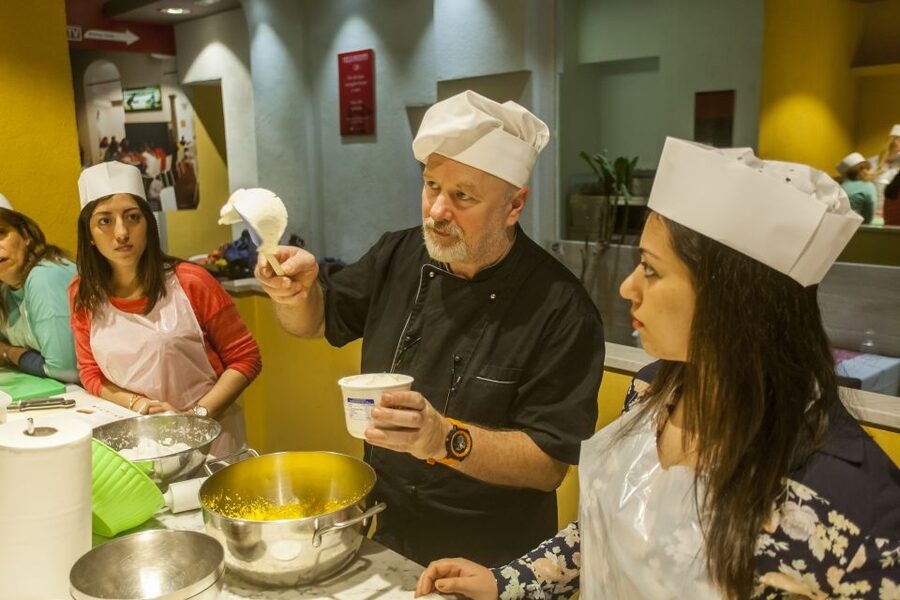
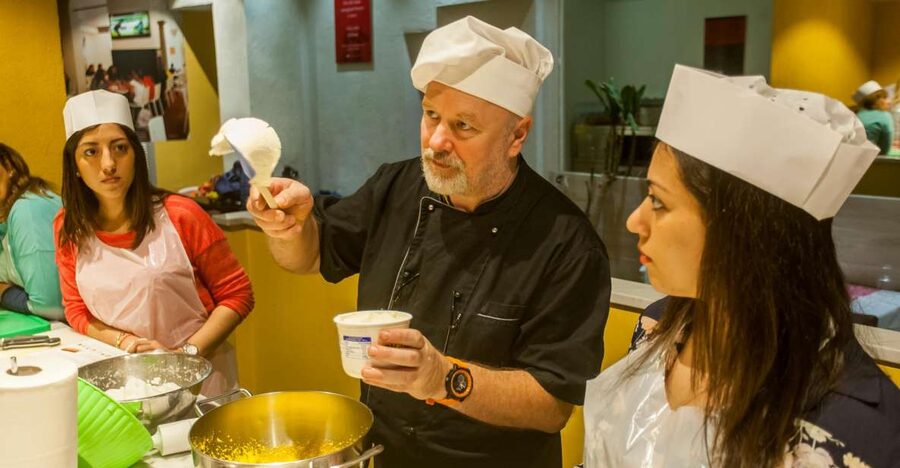
You’ll love the cooking part because the class is designed for participation, not passive watching. I like that you hand make things like pasta dough and Tuscan sauces, and in some groups the chef keeps the pace personal, with instructors such as Julio and Emanuele praised for teaching clearly.
One drawback to flag: it is not suitable for people with gluten intolerance, and you should be ready for stairs and a lot of time on your feet.
Key highlights you should care about
- Central market shopping first, so the meal starts with real ingredients, not guesswork
- Homemade pasta and classic Tuscan sauces like ragù, bolognese, and pesto
- Meat or fish course techniques, taught as practical skills you can repeat later
- Hands-on cooking with small groups, with many classes reported around 6 to 7 people
- Italian wine with lunch, so you eat what you made, properly paired
- A graduation certificate at the end, if you like bringing home proof
Roll, knead and churn through the Florence cooking-class shortlist
- Florence: Pasta Cooking Class with Unlimited Wine★ 4.9 · 10,285 reviews
- Florence Pizza or Pasta Class with Gelato Making at a Tuscan Farm★ 5.0 · 6,801 reviews
- Florence: Pasta & Tiramisu Cooking Class with Unlimited Wine★ 4.9 · 6,708 reviews
- Florence: Pasta Cooking Class with Unlimited Wine★ 5.0 · 6,413 reviews
From Via Panicale to the Tuscan cooking school
This class is a half-day experience in Florence, timed at about 4.5 hours total. The meeting point is at Via Panicale, 43/r, 50123 Firenze, near the city center, and you will be met by an English-speaking guide.
Right away, the experience sets a practical tone: you do a real shopping run, then you cook where the meal comes to life. After the market, you travel by minivan to the cookery school, which helps keep the pace tight enough that you actually finish and eat.
The central market stop that teaches how Italians shop
The star of the front end is the visit to Florence’s central food market. You go with the chef to learn what to buy and how to think about ingredients, including meeting butchers, bakers, and farmers.
This is where the class earns its value. Instead of memorizing recipes, you learn selection habits: what cuts work best for different dishes, how pasta ingredients differ by region and season, and why good olive oil and fresh dairy matter for taste.
Important timing note: on Sundays and bank holidays, when the central market is closed, the market visit is skipped. In plain terms, you should expect less of that “shop with the chef” part on those days, while the cooking portion still happens.
What you learn from the market tastings and vendor talks
Even if you have cooked before, the market portion can reset how you shop. In multiple chef-led sessions, there are short tastings or product explanations tied to Tuscan flavors, and truffle products show up in some versions, like truffle oils and pastes.
You also get vendor context for ingredients that might feel generic at home. For example, the class doesn’t just say use cheese, it points toward what kinds behave well in sauces, and why certain vegetable choices keep dishes balanced instead of heavy.
This matters for you if you want to recreate the meal later. You will come away with a mental grocery list that is less about exact brands and more about ingredient purpose.
Hands-on pasta: learning dough, rolling, and technique
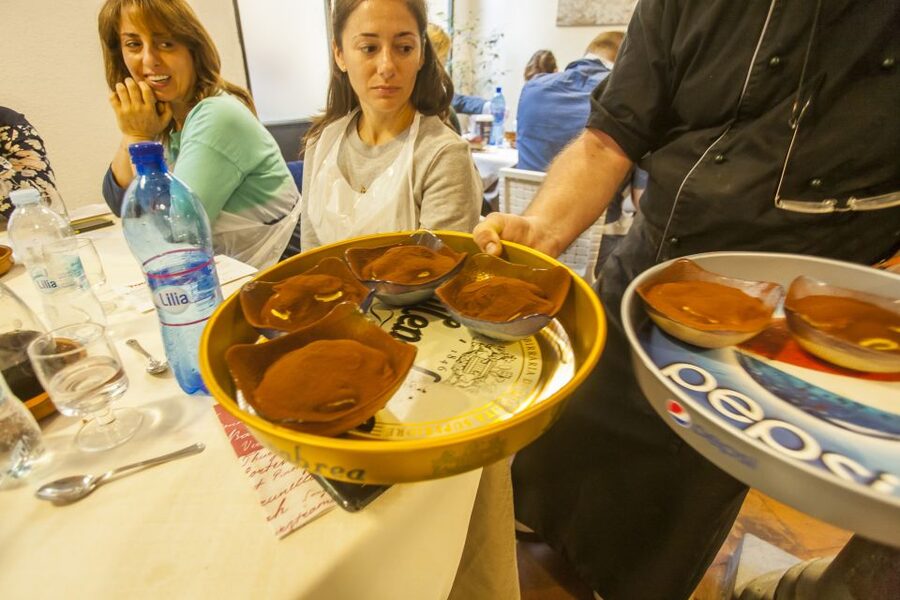
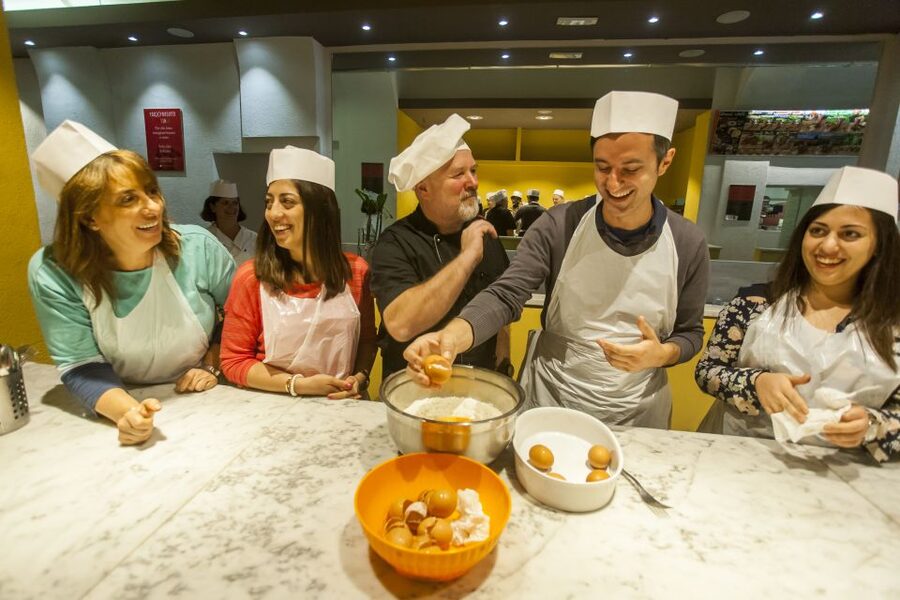
Once you reach the kitchen, the class shifts from shopping brains to muscle memory. The menu can vary, but homemade pasta is a core part of the experience, and you are often assigned a role like chopping, stirring, or rolling dough.
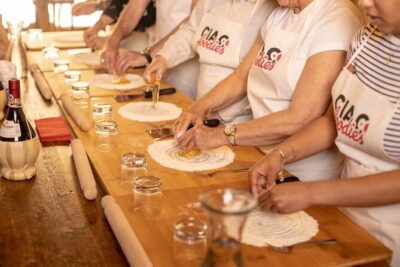
Fresh pasta is the fastest way to understand the Tuscan approach to simplicity. The goal is not complicated flavoring, it is correct texture and well-made dough. When instructors like Thomas or Emanuele guide the process, you typically get enough coaching to feel confident, even if you are not a “cooking person.”
A practical takeaway: do not rush the dough steps. If you go slow and follow the chef’s hand cues, your pasta holds together better and sauce sticks in a more satisfying way.
Tuscan sauces you can recreate: ragù, bolognese, tomato
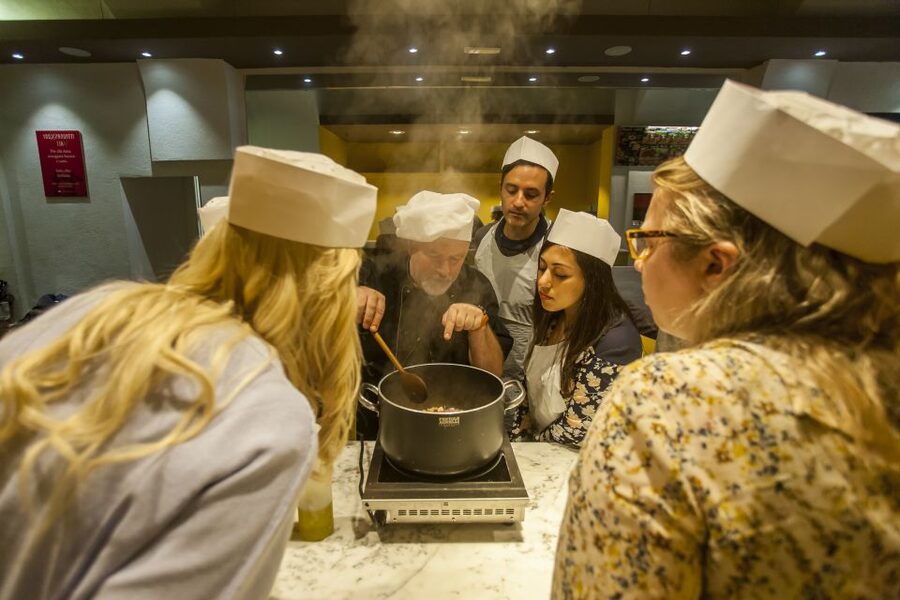
Tuscan sauce lessons are where many people feel the biggest jump in confidence. You work with classic options such as ragù, bolognese, and tomato-based sauces, and you learn how Italians build flavor without drowning it in herbs.
The class tends to teach the “why” behind the steps. For example, cooking time and simmering matter for sweetness, and stirring and seasoning are done with restraint so the main ingredient stays in charge.
If you want a repeatable strategy at home, focus on this: make the sauce once, then use it across multiple dishes. The skills here are about layering flavor through technique, not chasing a long ingredient list.
Keep the Florentine shortlist moving
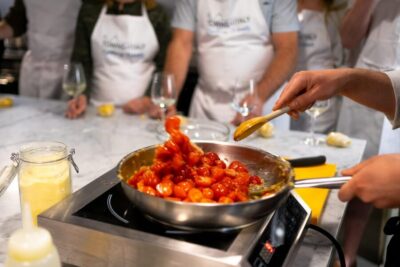
Pesto and the produce-first philosophy
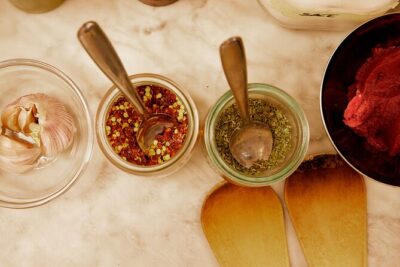
Pesto is another Tuscan favorite you may make in the class, depending on the day’s menu. What makes it useful for you is how it reinforces ingredient quality. Pesto tastes like basil, nuts, cheese, and oil, and the class keeps that order of importance clear.
This is also where the market visit pays off. You are better at spotting what is fresh and what is tired, so your pesto does not end up tasting flat or overly bitter. If you usually rely on store-bought pesto, this is the moment you learn how to control flavor yourself.
You will likely hear the broader philosophy from your chef, the idea that fewer, better ingredients work better than complex seasoning.
Meat or fish course: learning the real technique, not just the recipe
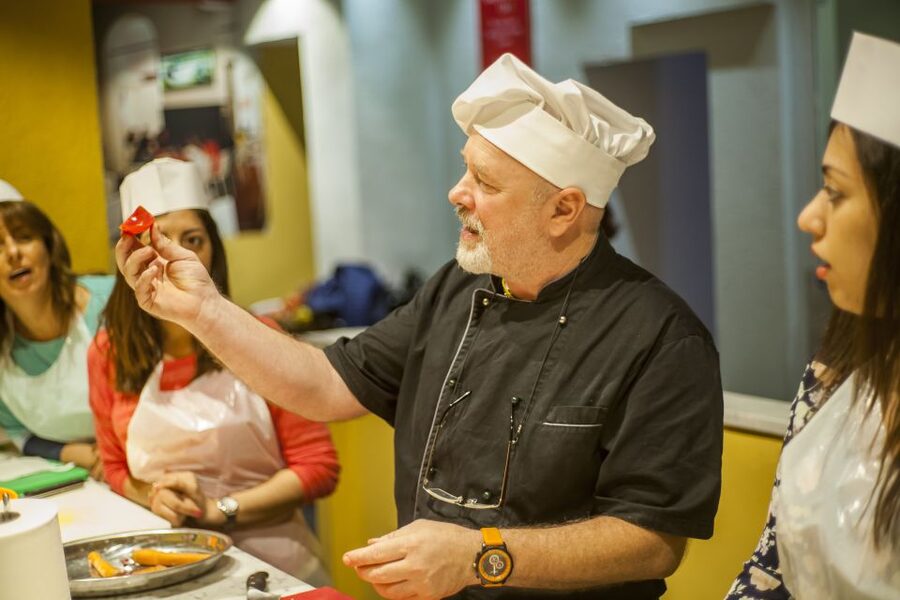
After pasta and sauce, the class moves into a main course that centers on either meat or fish. You get tips and techniques suited to the ingredient, and you learn how to cook it so it stays flavorful without turning into something greasy or dry.
This part is often the most useful if you struggle at home with “overcooked” meat or fish. The chef guidance focuses on timing, handling, and getting the right stage before serving.
Some sessions also include cutting instruction, since prep skills affect results. Even basic knife coaching can level you up quickly, especially if your usual cooking is mostly chopping and hoping.
Dessert plus wine: the part where it all comes together
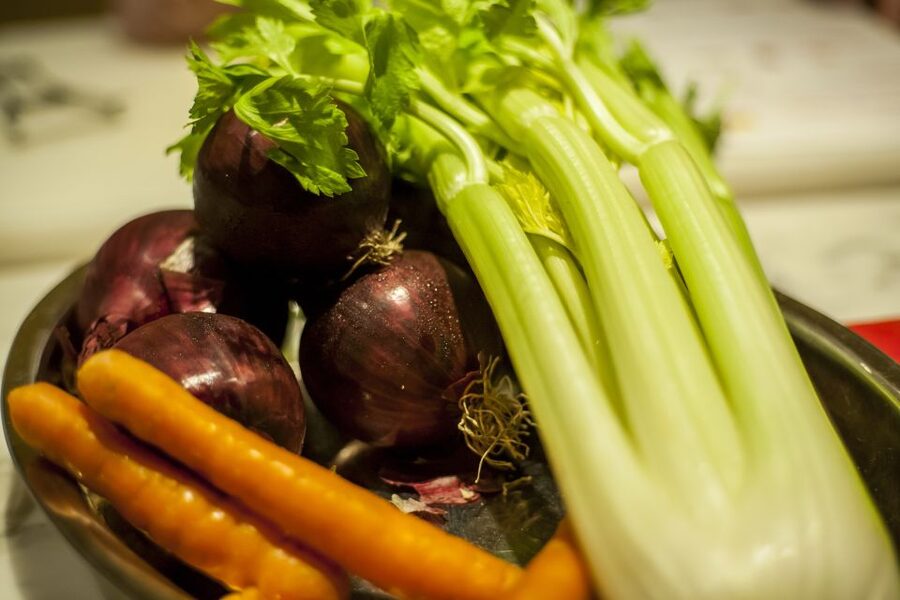
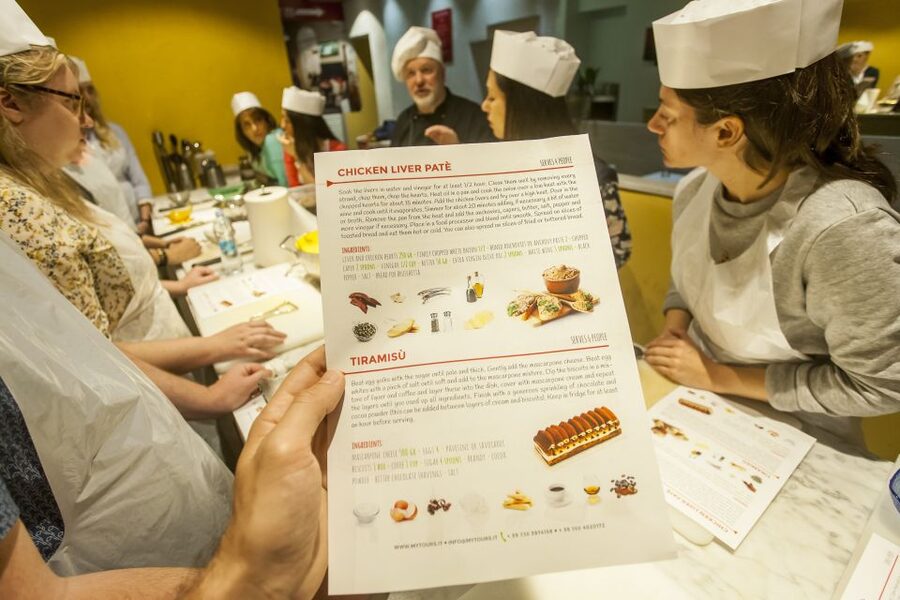
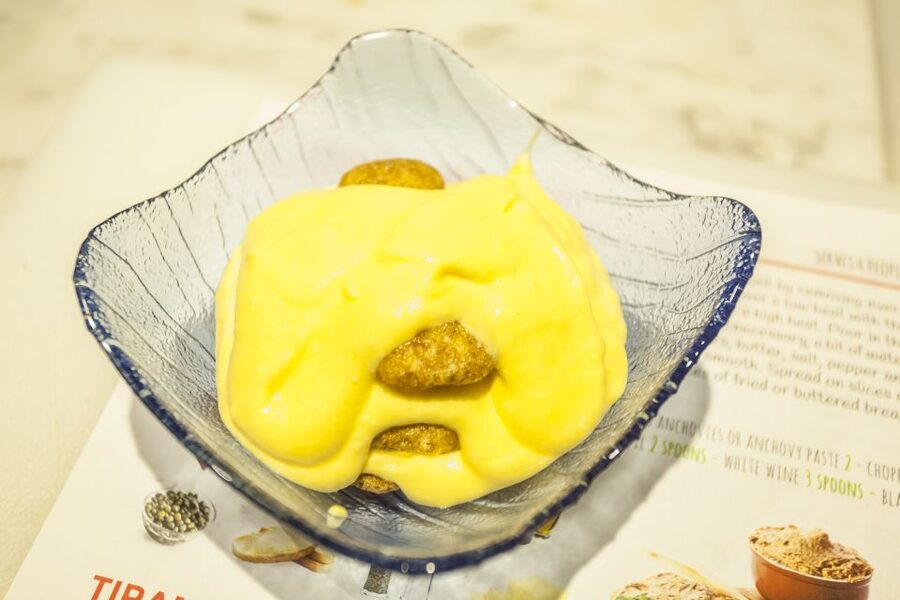
Dessert is the final piece, and it is not just a store-bought afterthought. Tiramisu from scratch is a repeated highlight, along with other classic sweets depending on the menu.
Pair that with Italian wine during lunch, and you get an experience that is about the whole rhythm of the meal, not just cooking in isolation. The lunch is served family-style or plated by the class setup, but either way, you eat the dishes you prepared.
If you are sensitive to rich food, plan accordingly. Tuscan meals can be heavy, and a few people mentioned that the food can feel quite rich, which matters if you are trying to keep your diet light while traveling.
Group size and hands-on time: what to expect in the kitchen
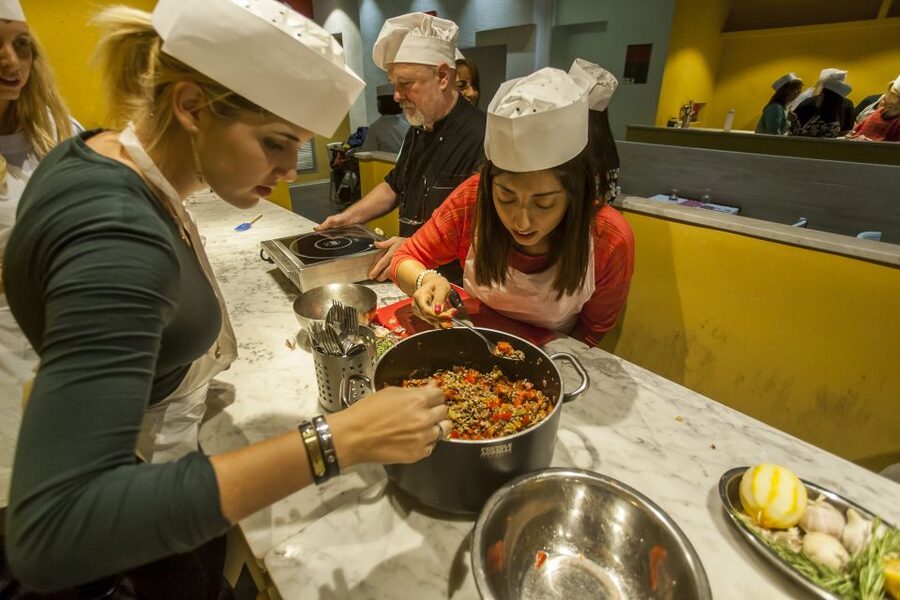
Group sizes vary, but the common pattern is small. Some classes are described around 6 to 7 people, and one group size was listed around 17, so you should expect differences in how individualized the attention feels.
What you can count on is active involvement. Many reviews highlight rolling pasta dough yourself and taking part in chopping and sauce work, with chefs such as Julio, Antonio, Andrea, and Emanuele praised for teaching while keeping things moving.
One logistical note: expect to stand and work at counters. Reviews mention there can be limited seating options, so wear shoes that are comfortable for a couple of hours.
Practical tips before you go (so you feel great at minute 1)
First, arrive early enough to settle. One class started late after a participant got lost, which means the session can run behind if timing gets stretched.
Second, wear closed-toe shoes with grip. You are walking in the market and standing for hands-on cooking, and your feet will feel it if you choose flimsy footwear.
Third, think about your menu fit. The experience is not suitable for gluten intolerance, so if that applies to you, skip this one. If you have other allergies or restrictions, the only safe approach is to ask directly before booking, since the data only confirms gluten intolerance as a clear no.
Finally, remember the stair note: customers must be able to climb and descend stairs. That matters for both the market area and the cooking location setup.
Is this class worth it for you? Value and best-fit moments
This is strong value if you want more than a meal. You get three layers in one package: ingredient education at the market, skill-building in pasta and sauces, and reward time with lunch and wine.
It also works well if you like structured learning. The chefs typically break tasks into steps, and many participants praised the “each person does a piece” format.
You should consider another option if you want a totally gluten-free class, or if you need lots of seating during the cooking session. Also, on Sundays and bank holidays, you may miss the market visit, so if market time is your top priority, plan your day carefully.
Should you book the Florence market-to-table cooking lesson?
Book it if you want a memorable Florence experience that teaches real cooking skills, especially if you care about Tuscan flavors beyond the usual tourist pasta. The mix of market shopping, hands-on pasta, classic sauces like ragù and bolognese, and a full lunch with wine makes it feel like you left with both recipes and confidence.
Skip or shortlist something else if gluten intolerance is in play or if stairs and standing time would be uncomfortable. And if you are traveling on a Sunday or bank holiday, treat this as a cooking-focused class rather than a full market shopping day.
If you like learning by doing, this is the kind of activity that gives you stories, a meal you can recreate, and a real sense of how Italians build flavor from quality ingredients.
FAQ
What is the duration of the Florence market-to-table cooking lesson?
The class lasts about 4.5 hours.
Where do I meet for the class?
You meet at Via Panicale, 43/r, 50123 Firenze (coordinates: 43.77748489379883, 11.253640174865723).
Do you visit the central market every day?
On Sundays and bank holidays, when the central market is closed, the market visit is skipped.
Is the class available in English?
Yes, the guide and instruction are in English.
Is it suitable for people with gluten intolerance?
No, it is not suitable for people with gluten intolerance.
Do I get anything at the end of the class?
Yes, you collect a graduation certificate before you leave.
More Shopping Tours in Florence
- Cooking Class and Lunch at a Tuscan Farmhouse with Local Market Tour from Florence
★ 5.0 · 4,831 reviews
Every Florence review, in one place
- Tuscany Day Trip from Florence: Siena, San Gimignano, Pisa and Lunch at a Winery
★ 5.0 · 21,634 reviews - The Best tour in Florence: Renaissance & Medici Tales – guided by a STORYTELLER
★ 5.0 · 12,316 reviews

Cook it before you order it
- Cooking Class and Lunch at a Tuscan Farmhouse with Local Market Tour from Florence
★ 5.0 · 4,831 reviews
Florence picks that sit just beyond this itinerary
- One Hour Uffizi Guided Tour: Masterpieces of the Renaissance
★ 5.0 · 3 reviews - Sightseeing Tuscany by touring bike – 1 day rental
★ 5.0 · 3 reviews - Private Siena, S. Gimignano, Chianti Road and Wine Tasting
★ 5.0 · 3 reviews - Bargello Museum Private Tour: Michelangelo’s Bacchus & Donatello’s David
★ 5.0 · 3 reviews - Authentic Florence Cooking Class at Costanza’s 1839 Family Estate
★ 5.0 · 3 reviews - San Gimignano and Volterra private tour: etruscans, romans and middle age jewels
★ 5.0 · 3 reviews
More Florence Pasta, Pizza & Gelato Classes worth comparing.
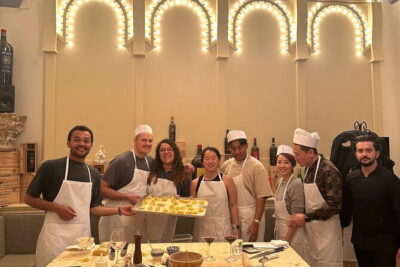 ★ 4.9Pasta Cooking Class with Unlimited WineFrom $2110,285 reviews
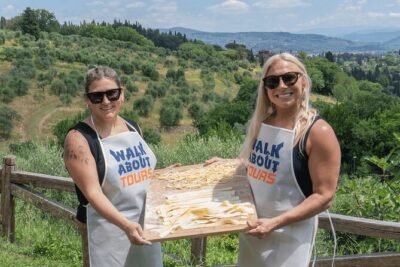 ★ 5.0Florence Pizza or Pasta Class with Gelato Making at a Tuscan FarmFrom $1456,801 reviews
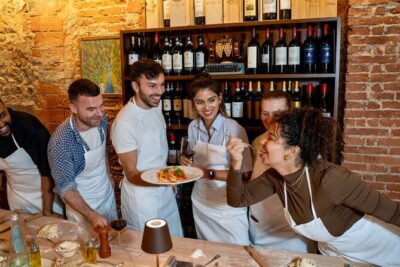 ★ 4.9Pasta & Tiramisu Cooking Class with Unlimited WineFrom $566,708 reviews
★ 5.0Pasta Cooking Class with Unlimited Wine6,413 reviews
★ 4.9Pasta & Tiramisu Cooking Class with Unlimited WineFrom $566,708 reviews
★ 5.0Pasta Cooking Class with Unlimited Wine6,413 reviews
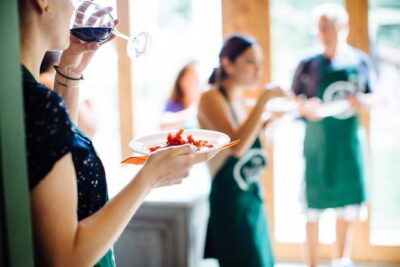 ★ 5.0Cooking Class and Lunch at a Tuscan Farmhouse with Local Market Tour from FlorenceFrom $1454,831 reviews
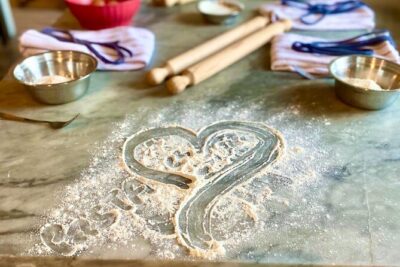 ★ 5.0Pastamania – Florence Pasta Making ClassFrom $493,050 reviews
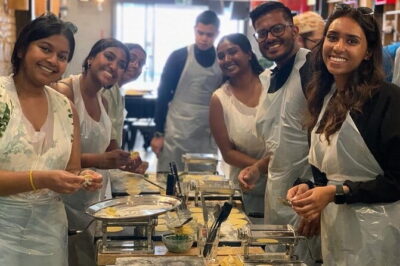 ★ 5.0Cooking Class Pasta & Tiramisu Making Unlimited WineFrom $892,234 reviews
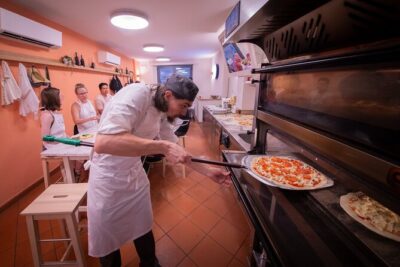 ★ 5.0Florence Cooking Class The Art of Making Gelato & Authentic PizzaFrom $642,053 reviews
Find this experience in another shortlist